Author: Jan Olof Bengtsson
Spirituality - Arts & Humanities - Europe
Motpol och anonymitetskulturen
Motpol är en svensk bloggportal för “kulturkamp – folkbildning – samhällsdebatt”, som avger följande avsiktsförklaring:
“Det svenska debattklimatet har i takt med den politiska korrekthetens frammarsch blivit både likriktat, snävt och tråkigt. Ett resultat av detta är att många intelligenta och viktiga röster tystas ner, och inte ges utrymme i debatten.
Debattutrymme är inte något man får, det är något man tar. Tanken bakom Motpol är därför att ge den svenska debatten nytt liv, genom att erbjuda en plattform för de kvalitativa och frisinnade röster som har sin grund i en nordisk världsbild, och som följd av detta idag sällan ges utrymme.
Motpol är på så vis en del av, och en försvarare av, den långa nordiska traditionen av fri debatt, yttrandefrihet och åsiktsfrihet.
Våra skribenter representerar ett brett spektrum av ideologiska inriktningar, men förenas i en gemensam värdegrund baserad på ett värnande om nordisk kultur och tradition. Projektet som sådant är såväl politiskt som organisatoriskt obundet. Varje deltagare ansvarar juridiskt för sin egen blogg.”
Innehållet är onekligen politiskt inkorrekt. En av Motpols skribenter är Jonas De Geer, Samtidsmagasinet Salts redaktör. Detta kunde i förstone synas förvånande, eftersom Jonas är en förkonciliär katolsk traditionalist och, fastän förvisso svensk patriot, ingalunda någon representant för en specifikt “nordisk världsbild” i den mening denna term såvitt jag kunnat se förstås av de övriga Motpol-skribenterna.
Portalen präglas ofta av ett distinkt avstånd till kristendomen, en vilja att gå utöver den och dess judiska bakgrund (ibland tycks de ses som helt främmande för västerlandet och inte minst det nordiska), en programmatisk strävan att gå tillbaka till, återupprätta, och bygga vidare på den förkristna, indoeuropeiska traditionen.
Men Jonas skriver sällan om sin katolska tro i bloggen, vilket gör att han ändå passar väl in i Motpol. Åsiktsmässigt verkar han nästan helt överensstämma med de övriga skribenterna åtminstone ifråga om analysen av och avståndstagandet från dagens “politiska korrekthet”, temata som ofta dominerar.
Jag hade först tänkt skriva en kommentar i Jonas’ blogg till de tillbakablickar på Salt som han nyligen gjort där, men jag avstod från detta eftersom jag inte kunde se vilka som står bakom portalen. Sedan dess har jag upptäckt att det är Nordiska Förbundet. Detta förbund känner jag till, eftersom jag köpt några böcker från dess förlag, Nordiska Förlaget, bl.a. Jonas’ Motströms: Skriftställning i urval 1996-2008. Men det gör inte saken mycket bättre, eftersom jag inte vet vilka som står bakom förbundet. Motpols redaktörer och flertalet av dess skribenter är anonyma.
I stället blev det därför en artikel här i min blogg, Jonas De Geer och Samtidsmagasinet Salt (25/9). Denna artikel föranledde dock en av Motpols läsare att i en kommentar i Jonas’ blogg be denne uttala sig om en av de punkter jag tagit upp. Jonas svarade bl.a., utan att ännu ha läst artikeln, att jag “inte riktigt lever i verkligheten”, och fortsatte efter en följdfråga från läsaren: “Politiskt inkorrekta intellektuella har tolererats, så länge de pysslat med sina specialintressen…Att ta sig an tidens brännande frågor: massinvandringen, den systematiska perverteringen av kulturen etc. vågade ingen etablerad människa göra. Jag vill inte låta vresig, men det blir ibland rätt påfrestande med alla omdömen från läktaren från dem som aldrig vågat/kunnat ta fajten.”
Efter detta ändrade jag mig och bemötte Jonas i hans blogg. Min kommentar och diskussionen som följde – med upprepning av skiljaktigheter men också en del invävda vänligheter – rörde samtliga påståenden Jonas gör i det citerade stycket. Men jag tog också upp orsaken till att jag först inte velat skriva i en Motpol-blogg: redaktörernas och de flesta medverkandes anonymitet eller pseudonymitet.
Jag tycker denna fråga om anonymiteten är viktig. Jag har problem med vad Jonas själv kallade den “anonymitetskultur” som florerar i denna typ av publikationer. I min egen länklista i den här bloggen förekommer en del sajter som delvis behandlar samma ämnen som Motpol-skribenterna, och i några fall utifrån liknande ståndpunkter. Även där framträder författare ibland under pseudonym. Men långtifrån lika ofta. De är också webtidskrifter och inte bara “bloggportaler”, och deras redaktörer framträder med sina verkliga namn. Jag har varit i personlig kontakt med några av dem, och bland Alternative Rights redaktörer återfinns rentav Paul Gottfried, som jag känner ganska väl.
Vid sidan av Jonas har Motpol också några andra skribenter som använder sina verkliga namn. De flesta döljer sig dock bakom namn och ord som anknyter till portalens nordiska och indo-europeiska tematik, såsom Solguru, Oskorei, Wodinaz, Olympiark, Kalki, Dharma. Jag är ovan vid denna praxis, i den utsträckning den här förekommer. Men detta är inte det enda skälet till att jag tar upp frågan.
Jag fann Jonas’ tal om omdömen från läktaren från sådana som aldrig vågat/kunnat ta fajten märkligt bland annat i ljuset av det faktum att hans egna nya vänner endast tog fajten under pseudonym. Jag tillät mig fråga om detta verkligen var så mycket bättre än vad hans gamla vänner gjorde. På detta sätt markerade jag min oförståelse för och mitt allmänna ogillande av anonymiteten som sådan – som gjorde att jag nu endast motvilligt skrev på denna plats.
Jag utvecklade också frågeställningen, delvis från vad jag ansåg borde vara Motpols eget perspektiv. Trodde Motpol-bloggarna att de kunde vinna den trovärdighet och det inflytande de eftersträvade utan att bli kända under sina riktiga namn? Komprometterade de inte snarare sin egen sak?
Eller var de inte helt seriösa? Om de drogs fram i ljuset – inte den “politiska korrekthetens” falska ljus, utan det rätta ljuset, det ljus som Salt kunde ha förblivit – så fick vi se. Togs maskerna av fick de stå för sina åsikter på riktigt, eller ändra dem. De fick ta verkligt ansvar för vad de skrev.
Riskerade inte det hela nu att uppfattas som blott en teatralisk lekstugefascism? Hur många tog det på allvar utanför deras egen intralänkande krets? Framstod inte Jonas som den ende riktige skribenten och debattören – uteslutande av det skälet att han en gång uppträtt som en vanlig sådan, utanför den självmarginaliserande sekten?
Min avsikt med dessa frågor var att locka eller provocera Motpol-skribenterna att träda fram ur anonymiteten, att bli normala intellektuella – även till priset av viss anpassning till form och innehåll. Jag har invändningar mot mycket i Motpol, av samma slag som mot Salt, och fler av dem. Men jag måste sympatisera inte minst med den ovan citerade allmänna avsiktsförklaringen. Och det är ett faktum att några av författarna skriver tillräckligt bra för att deras inlägg med endast lätt redigering skulle vara värda att emellanåt publiceras också i bokform. Några verkligt kunniga och insiktsfulla personer gömmer sig här.
Mitt bemötande av Jonas’ anklagelse för bristande mod och förmåga i samband med den mer allmänna anonymitetsproblematiken utlöste emellertid en ursinnig, hatisk reaktion från några Motpols läsare och kommentatorer, också i form av kommentarer i denna blogg till vad som då var min senaste post (8/10); en reviderad och utvidgad version av mitt snabbt skrivna svar i Jonas’ blogg återfinns också där. Det var en reaktion som lärde mig mycket om anonymitetskulturen.
Reaktionen var irrationell, fylld av häpnadsväckande missförstånd, och i det mesta sakligt obegriplig. Den uttryckte också attityder och värderingar i förhållande till det kulturella innehållet i denna blogg som jag skarpt tar avstånd från. Jag var ovan vid sådant aggressivt bemötande, och hade inte en aning om vilka dessa läsare var. Men jag ville ta dem på allvar och försöka förstå dem. Därför svarade jag dem utförligt och punkt för punkt. Därefter hördes ingenting mer från dem.
Dock var det naturligtvis inte de absurda saker de skrev utan att ha tagit reda på någonting alls om mig, deras sätt att utan grund placera mig i ett fack för en typ av kritiker de sannolikt ofta stött på, och tillskriva mig denna typs beteenden och åsikter, som var det viktiga. Det var i stället den psykologiska och känslomässiga reaktion som detta var ett uttryck för som var det väsentliga och lärorika. Den visade hur högt värderade Motpols anonyma vikingar, kshatriyer, guruer o.s.v. var, och hur stor förståelsen var för deras anonymitet, hur nödvändig den ansågs vara.
Ändå måste jag upprepa och insistera på mitt ifrågasättande.
Jonas svarade att han innerligt avskydde anonymitetskulturen, men att han förstod den. Han hänvisade till att “vi har ett åsiktsförtryck idag, som alla är medvetna om”.
Detta är naturligtvis ett viktigt, ja ett s.a.s. i princip potentiellt avgörande övervägande. Men jag frågar mig: Är åsiktsförtrycket, det komplexa, masspsykologiskt ideologireproducerande fenomenet “politisk korrekthet”, idag i Sverige verkligen sådant att kunniga och formellt publicerbara skribenter av det slag som vi i några fall finner hos Motpol verkligen inte kan skriva under sina egna namn? Jag måste faktiskt tillåta mig att betvivla det.
Innebär inte anonymiteten ett underkännande i förhand av vårt samhälles alltfort lagstadgade friheter? Bidrar den inte, genom att s.a.s. antecipera åsiktsförtrycket, till att förstärka det? Blir den inte särskilt graverande när man säger sig vilja vara “en del av, och en försvarare av, den långa nordiska traditionen av fri debatt, yttrandefrihet och åsiktsfrihet”?
Jag utmanar åter Motpol-skribenterna genom att också försöka se saken ur deras eget perspektiv: Varför undviker man den fulla offentligheten, den enda vägen till verkligt genomslag, om man är så hängiven sina idéer och övertygelser som Motpols skribenter ger intryck av att vara? Är sådana personer verkligen rädda för “social stigmatisering”, för att “förlora sitt arbete”, eller ens för att “få en kniv i magen”? Är inte “uthängning” i media bara välkommen publicitet för sådana som dem? Liknar de inte nu formellt alltför mycket extremvänsterns balaklava-terrorister? Skulle de inte vinna ett opinionsmässigt övertag genom att lämna anonymiteten till dem? Det hela förefaller märkligt från vad som borde vara deras egen ståndpunkt. Några i Motpol skriver ju också redan under eget namn och har såvitt jag förstår alltid gjort det.
Som jag framhöll i diskussionen borde det åtminstone bli en fråga om avvägningar. Är anonymiteten nödvändig i alla fall? Hur nödvändig är den i olika fall? Hur starkt är förtrycket i olika frågor? Är förändringar i det egna skrivandet ett pris värt att betala, och i så fall i vilken utsträckning? Det är för mig uppenbart att pseudonymiteten motverkar författarnas egna syften, och att det borde ligga i deras eget intresse att ompröva den.
Först när de övergivit den kunde, förefaller det mig, en verklig kritisk diskussion ta vid – seriös, offentlig, normal.
Och varför är en sådan önskvärd, ifråga om bloggar vars innehåll även jag ofta finner problematiskt (om än inte av samma skäl som liberalsocialisterna från höger till vänster)? Jag ska försöka återkomma om detta.
Mireille Mathieu: A Santa Maria
Paul Sédille: Magasins du Printemps, Paris

Jonas De Geer och Carl Rudbeck om Salt
–
–
Jag postar detta som komplement till texten om Samtidsmagasinet Salt (25/9) och diskussionen om den.
Martin Johnson Heade: Two Orchids in a Mountain Landscape

Grand Hotel Haglund, Göteborg
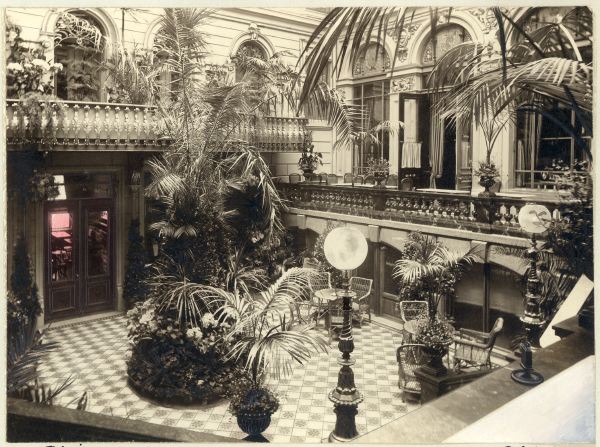
Att se de historiskt intressanta hotellen som den högre kosmopolitismens tempel.
Konservatismen och massinvandringen
En nationalistisk kommentator av mitt inlägg Jonas De Geer och Samtidsmagasinet Salt skriver att Jakob Söderbaums och Dag Elfströms – bloggen Tradition & Fasons redaktörer – tystnad i massinvandringsfrågan beror enbart på personlig rädsla för de konsekvenser det skulle få om de öppet uttryckte det “alla begriper”, nämligen att “inte heller de gillar massinvandringen”. Jag vill kort kommentera denna anklagelse i form av ett nytt, separat inlägg. Situationen är inte så enkel.
Söderbaum och Elfström har med Tradition & Fason gjort en viktig insats genom att verkligen försöka upprätthålla, eller återupprätta, viktiga element i den konservativa traditionen i en tid när Moderaterna inte vill kännas vid dem. Moderaterna har inte bara sedan länge varit ett rationalistiskt-teknokratiskt-pragmatiskt och sedan åttiotalet också delvis libertarianskt parti, på väg att släppa de sista spåren t.o.m. av sitt konservativa form- och symbolspråk, utan också förvandlat sig själva till Nya Moderaterna, nedtonande eller övergivande mycket av även denna icke-konservativa identitet för att också försöka framstå som en bättre version av socialdemokrati av dagens typ, med dess karaktäristiska och tidstypiska ideologiska eller åtminstone retoriska utbyggnader.
Signifikativt nog har Söderbaum och Elfström i protest blivit kristdemokrater. Det finns mycket att säga om konservatismen i förhållande till kristdemokratin, men det är ett annat ämne. I Tradition & Fason har de hursomhelst förtjänstfullt försökt visa, inte minst genom historiska tillbakablickar och s.a.s. återerövringar, att konservatismen inte är vad radikalmodernisterna från Vänsterpartiet till Moderaterna vill ge sken av, utan rymmer insikter och värden av central betydelse också för sam- och framtiden.
Inte minst den mer eller mindre konservativa del av borgerligheten som Tradition & Fason representerar är emellertid mentalt konfigurerad på sådant sätt att så snart invandringsfrågan kommer upp börjar röda lampor blinka och alarmklockor ringa om exempelvis Heimdal och de judiska läkarna på trettiotalet. Det gäller för dem i första hand att visa att konservatism inte är detsamma som potentiell nationalsocialism. Detta är vad Söderbaum och Elfström ser som den primära, negativt avgränsande uppgiften i deras förnyade försvar för konservatismen, en uppgift som dagens Moderater överhuvudtaget inte längre behöver bekymra sig om.
Söderbaum och Elfström är helt enkelt benägna att tro – och just detta tror dock naturligtvis också Moderaterna – att massinvandringspolitiken inte kan kritiseras utan att detta leder till nazism, och, framför allt, att den inte kan kritiseras av konservativa utan att konservatismen anklagas för att vara den potentialitet ur vilken nazismen aktualiseras. Deras tystnad i massinvandringsfrågan beror, tror jag, på deras ovanliga engagemang för den utsatta konservatismen.
Men en konservatism som av dessa skäl överhuvudtaget inte kan hantera denna fråga och det anti-västliga globalistiska sammanhang av vilket den är en del, som låser sig i en förenklande dikotomi i förhållande till all nationalism, och som därmed tvingas godta även de mest problematiska och radikala formerna av globaliseringen, måste bli en ny, ohistorisk och artificiell konservatism. En form fjärran från de konservativa traditioner från före massinvandringens tid som Söderbaum och Elfström med rätta studerar och lyfter fram.
Förvisso var även Edmund Burke tyst rörande massinvandring och alltmer centraliserad, postnationell, global kontroll med de mest problematiska ideologiska förtecken. Men det berodde naturligtvis uteslutande på att han inte ens kunde föreställa sig dessa fenomen. Det enda sättet att ta sig ur denna återvändsgränd är politisk-filosofisk fördjupning och nyansering av dagens konservatism, inte bara i fortsatt anknytning till konservatismens egna historiska traditioner, utan också till en ny historiografisk komplexifiering och nyansering av nationalismen i relation till det senaste århundradets allmänna utveckling.
Det är en svår uppgift; inte minst kräver nationalismens historiskt väldokumenterade konfliktpotential (och aktualitet) en högt uppövad förmåga till urskillning och moraliskt omdöme.
Men detta är nödvändigt. För inte minst inför de alltmer uppenbara icke-frihetliga sidorna av dagens finanskapitalistiska globalism borde det stå klart för de flesta att nationalismen, utöver konfliktpotentialen och samtidigt som den naturligtvis förblir helt otillräcklig som komplett politisk filosofi, i sitt försvar för nationalitetens värden rymmer ofta viktiga delsanningar. Tidigare var dessa alltid en självklar del av konservatismen.
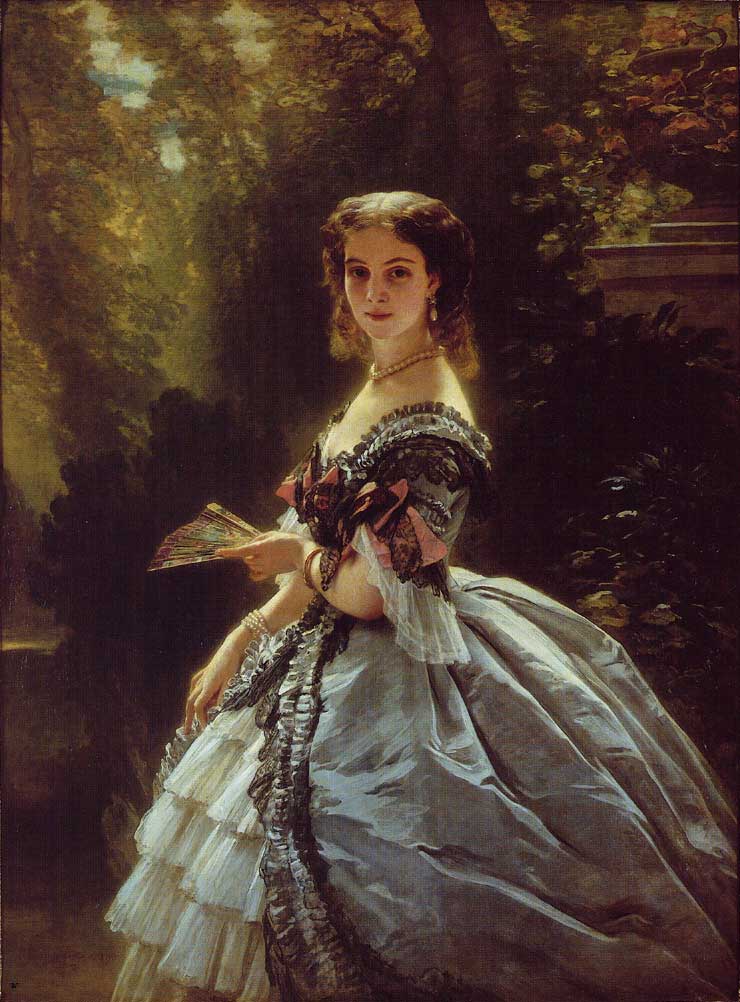
Franz Xaver Winterhalter: Princess Elizaveta Esperovna Troubetzkaya
Den uppfattade meningsfullheten i detta sätt att vara.
 Olle Bengtsson