Folke Leander: The Philosophy of Paul Elmer More

The Ethical Basis of Life and Letters

Edited and introduced by Eric Adler and Claes G. Ryn
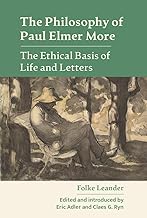
University of Missouri Press, 2026 (forthcoming)

Amazon.com

Publisher’s Description:

Folke Leander (1910-1981) was a prolific and internationally known Swedish philosopher. He is best known in the United States as an explicator of the New Humanism, an informal movement of literary and cultural criticism founded by Paul Elmer More (1864-1937) and Irving Babbitt (1865-1933). 

Leander’s manuscript for The Philosophy of Paul Elmer More was completed in the early 1970s, but because of the academic environment at the time and the book’s special philosophical focus, Leander was unable to find a publisher. Since then, the work existed only as a typescript, a copy of which he left with Claes G. Ryn, his former student and collaborator, in the hope that one day in more favorable intellectual circumstances it might be published. 

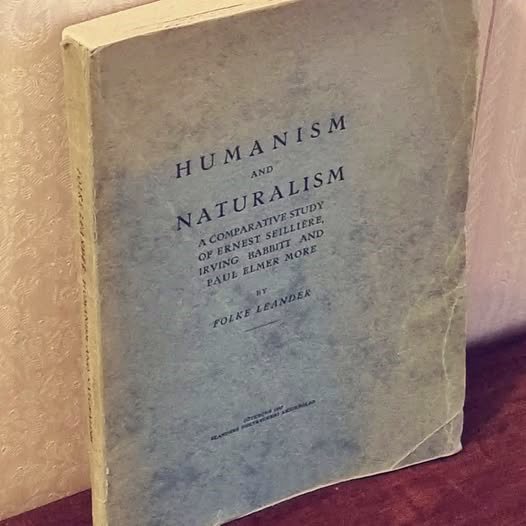
Leander is rare among the scholars of the New Humanism for his first-rate philosophical training, depth of insight, and clarity of expression. In The Philosophy of Paul Elmer More he grapples carefully and precisely with the most fundamental tenets of the New Humanism. Although very supportive of the movement, Leander provides essential critiques of its contentions – and even improves upon some of them in crucial respects. In a series of concise, limpid chapters, he explains and assesses such fundamental – but often hazily understood – Humanist concepts as the “inner check,” “naturalism,” and “the higher will.” The result is a book essential for anyone who wants to understand the New Humanism.

About the Author and the Editors:

Folke Leander (1910-1981) was an internationally recognized Swedish philosopher whose thought ranged widely from moral philosophy and aesthetics to epistemology and whose scholarship focused on such subjects as the New Humanism, John Dewey, and Benedetto Croce.

Eric Adler is Professor of Classical Studies and Chair of the Department of Classics at the University of Maryland. His scholarship focuses on the history of the humanities, Roman historiography, and the history of classical studies. In addition to many scholarly articles, Adler has written three monographs: Valorizing the Barbarians: Enemy Speeches in Roman Historiography (University of Texas Press, 2011); Classics, the Culture Wars, and Beyond (University of Michigan Press, 2016); and The Battle of the Classics: How a Nineteenth-Century Debate Can Save the Humanities Today (Oxford University Press, 2020). Deeply interested in the New Humanist movement, he is also the editor of Humanistic Letters: The Irving Babbitt – Paul Elmer More Correspondence (University of Missouri Press, 2023).

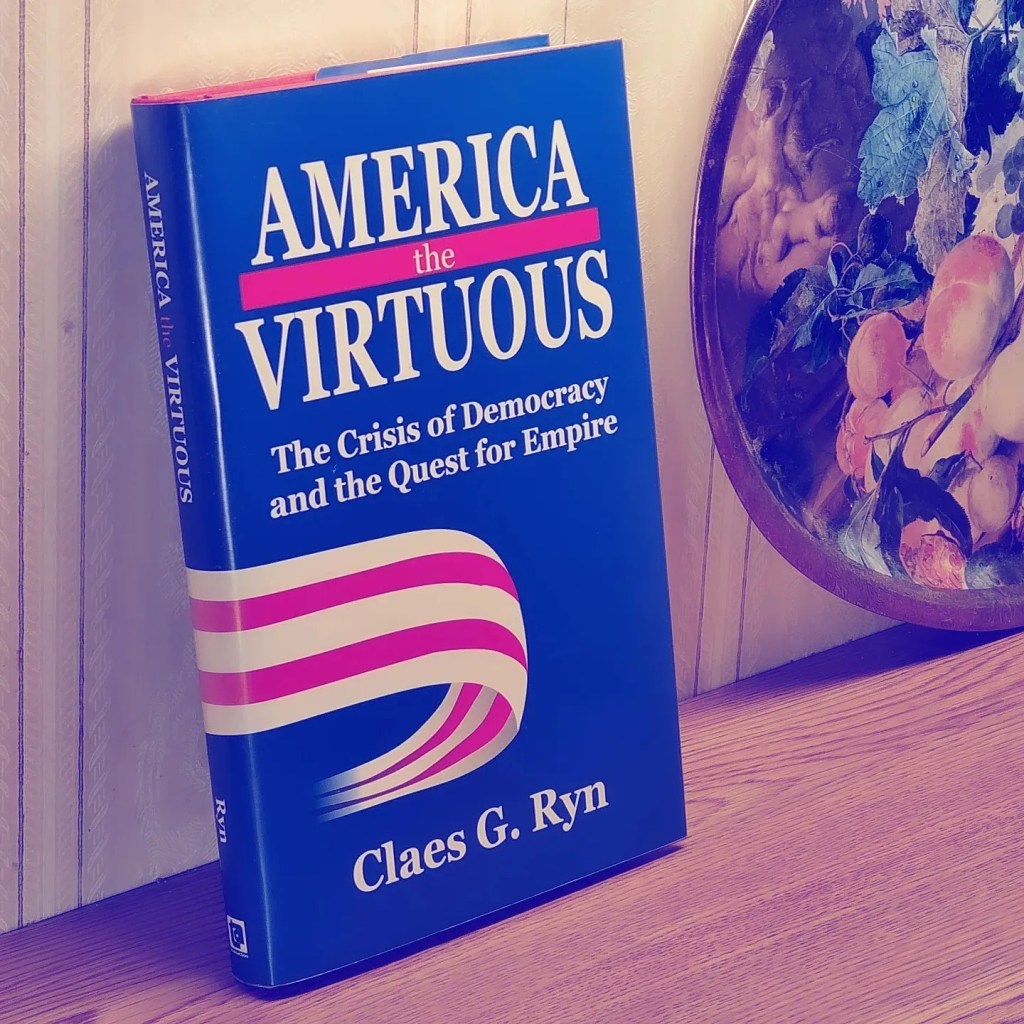
Claes G. Ryn is Emeritus Professor of Politics and Distinguished Senior Scholar and Founding Director Emeritus of the Center for the Study of Statesmanship at the Catholic University of America, where he Chaired his department. His scholarship focuses on ethics and politics, politics and culture, the history of Western political thought, and epistemology. His many books include Democracy and the Ethical Life (The Catholic University of America Press, 1990), America the Virtuous (Routledge, 2003), A Common Human Ground (University of Missouri Press, 2003), and, most recently, The Failure of American Conservatism and the Road Not Taken (Republic Book Publishers, 2023). In 2012 he was named Honorary Professor at Beijing Normal University. He served as president of the Philadelphia Society, Chairman and co-founder of the National Humanities Institute, and President and co-founder of the Academy of Philosophy and Letters.

JOB’s Comment:
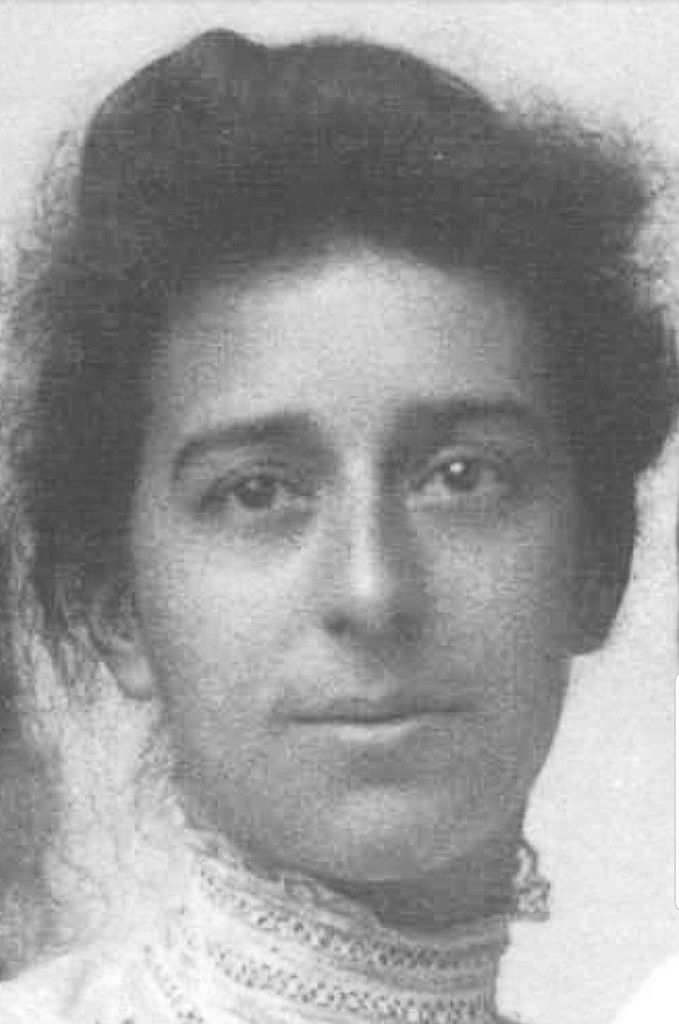
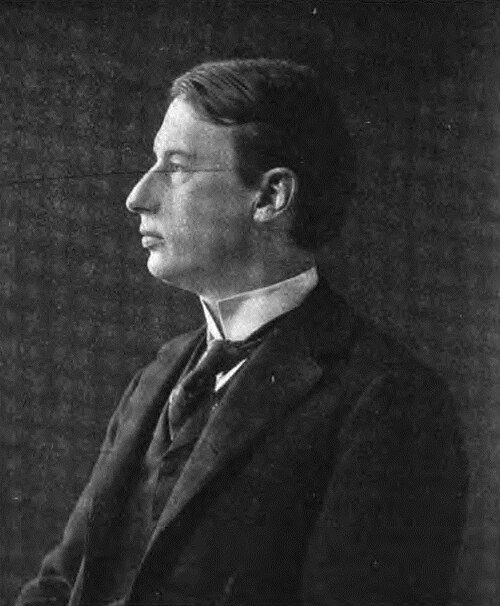
Paul Elmer More

Paul Elmer More

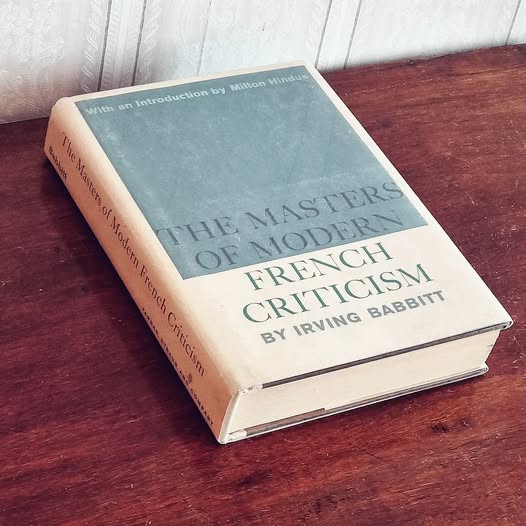
Babbitts medarbetare i den s.k. “nya humanismen” Paul Elmer More (1864-1937) skilde sig från denne genom såväl sitt tidiga, större intresse för Upanishaderna och den indiska tanketraditionen som den mer fullständigt utvecklade grekiska idealismen. Såtillvida gick han längre utöver den blott humanistisk-etiska nivån än Babbitt.

Han undervisade en kortare period i sanskrit vid Harvard och Bryn Mawr, men blev därefter redaktör och kulturkritiker på The Independent, New York Evening Post och The Nation. Utöver sina omfångsrika samlingar av Shelburne Essays, så betitlade efter den lilla lantliga stad i New Hampshire som han drog sig tillbaka till för djupare kontemplation och skrivande, publicerade han verk som The Greek Tradition from the Death of Socrates to the Council of Chalcedon, 399 B.C.-A.D. 451, 1-5 (1917-27), Platonism (1017), The Religion of Plato (1921), Hellenistic Philosophies (1923). Och ett antal sena verk om kristianismen.

Ett opublicerat manuskript av Leander om More, av vilket endast ett utdrag hittills publicerats under titeln The Inner Check (1974), är nu på väg att ges ut. Liksom i sin behandling av Babbitt mobiliserar Leander även här Croces logik.

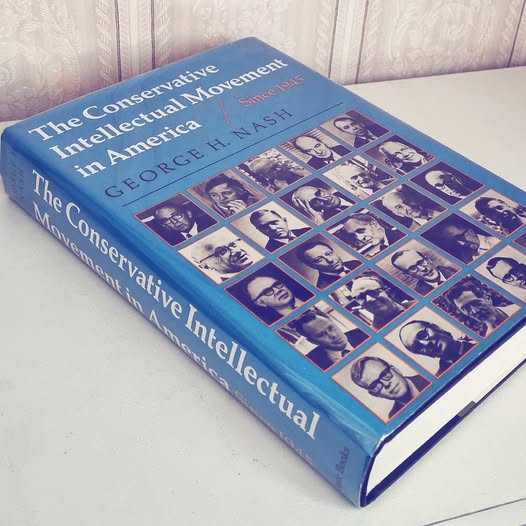
The Conservative Intellectual Movement in America

Efter att ha tillägnat sig bl.a. Tage Lindboms verk, upptäckte man vid mitten av 80-talet detta: att det i USA fanns en intellektuell konservatism som vid behov vände sig även mot den vanliga marknads- och kapitalhögern (det behovet förelåg ju verkligen), presterade en djupgående kritik av modernitetens huvudströmning och den liberaldemokratiska ideologiska hegemonin, förstod USA i termer av centrala aspekter av en europeisk och allmänvästerländsk kultur (några av de ledande tänkarna var emigranter från Europa, på flykt undan fascismen), och försökte föra in genuina överordnade värden från vad man ännu litet svepande kunde tala om i termer av den kristna och klassiska traditionen och vissa av deras nytida transmutationer i politiken och det politiska tänkandet.

George Nashs introduktion från 1976 täcker mer än detta, inte minst libertarianer och s.k. fusionister. Neokonsernatismens särdrag urskiljs ännu inte tydligt, även om Irving Kristol hinner komma med. Men den intressanta och meningsfulla typen av konservatism, i dess amerikanska form, introducerades i alla fall också, om än bara mycket kort, och Nash var medveten om att den i några fall i viss mån upprätthöll en kontinuitet med bl.a. Irving Babbitt. Man började studera dess tänkare. Man upptäckte också (med hjälp av Carl Johan Ljungberg) att Claes Ryn redan 1971 publicerat en svenskspråkig introduktion till den konservativa intellektuella “rörelsen” i USA tillsammans med Bertil Häggman, med ett bitvis mer stringent politisk-filosofiskt grepp.

George H. Nash: The Conservative Intellectual Movement in America since 1945

Intervju med Ryn

En kort, äldre intervju på YouTube i två delar med Claes Ryn från 2013 som jag tror att jag tidigare missat:

Förvirrande nog upprepas introduktionen från första delen i början av den andra:

Mycket finns givetvis att tillägga här, men Ryn talar på ett så allmänt ideellt plan om kulturella förutsättningar för konstitutionen i tradition och historia att det i en mening blir uppenbart sant, okontroversiellt och viktigt. Men ganska radikalt annorlunda perspektiv på revolutionen måste komplettera detta, och förvisso även den typ av tolkning Ryn kritiserar straussianerna för.

Lika viktigt som historiska enskildheter kring den amerikanska revolutionen är den filosofiska formulering i termer av vad han kallar värdecentrerad historicism som Ryn i samarbete med Folke Leander utarbetat i linje med det slags tänkande som här kommer till uttryck i revolutionens specifika sammanhang och som svar på en fråga om den amerikanska konservatismen.

Betonas måste också som vanligt att vi i denna värdecentrerade historicism rör oss på den immanent-humanistiska kulturens plan, att det i sig inte är det högsta, och att vad som i verklig mening är beläget över det, vad som är nåbart genom vad Babbitt kallade meditationens till skillnad från mediationens nivå, och ur vilket fenomenellt manifesterade värden ytterst springer, ingalunda utgörs av rationalistiska abstraktioner.