Som vi sett menar Leander och Ryn att vad vi kaske kan kalla den metafysiska dualismen är en produkt av det reifierande tänkandet. Nu kan dualism av detta slag givetvis betyda många olika saker, och flera av dessa är utan tvekan problematiska. Den här relevanta metafysiska dualismen är givetvis endast en differentiering inom en större totalitet, såtillvida som i en mening monismen och panteismen följer ur själva det idealistiska begreppet om det absoluta.
Men för mitt syfte här är förenkling nödvändig. Den fråga man måste ställa sig är om den reella differentiering vi här talar om, den mest generella åtskillnaden mellan absolut och relativt, transcendent och immanent, realväsende och fenomen – och detta är inte samma disklusion, utan tre olika, om än relaterade – verkligen av samma typ som de pragmatiska, abstrakta fiktionerna? Är de inte tvärtom genuina, filosofiska begrepp i lika hög grad som de av Ryn behandlade, avspeglande än mer fundamentala permanenta strukturer hos verkligheten, ja t.o.m. hos erfarenheten när vi förstår dess möjliga omfatting?
Det förefaller mig som om orsaken till de värdecentrerade historicisternas och Babbitts motstånd mot den “metafysiska dualismen” beror endast på deras speciella uppfattning av dennas egentliga innebörd: de stannar helt enkelt vid dikotomin mellan enhet och mångfald, den odifferentierade statiska enheten och den föränderliga mångfalden, i annan tolkning än hos Parmenides och Herakleitos men ändå med en identifierabar kontinuitet från dem. Dessa måste förvisso betraktas som abstrakta reifikationer som dialektiskt upphävs i en erfarenhetsmässig syntes. Men den metafysiska dualismens polaritet kan också beskrivas och förstås på annat sätt.
Användningen av termen metafysisk här innebär som vi sett en avvikelse från den moderna idealismens terminologi, även den riktnings som jag primärt hänvisar till. Begreppet kritiserades av Grubbe som betecknande ett hos den dogmatiska realismen med dess transcendensbegrepp förenat och från detta oskiljaktigt, ohållbart antagande om en i alla avseenden utanför människans medvetande liggande verklighet. Intet av detta åsyftas emellertid här; det är en helt omotiverat begränsad definition. Som vi redan sett innebär även användningen av termen transcendens ett avsteg från denna idealism. Jag föreslår rentav att den distinktion som inom den traditionalistiska skolan, i linje med Guénons ursprungliga historiska begreppsutredningar, gjorts mellan filosofi och metafysik är fullt befogad, och vid ett val mellan dessa två (som dock inte alltid behöver göras) är min argumentation här entydigt metafysisk.
Avvikelsen gäller även termen dualism. Men överhuvudtaget gäller att det bara är min avsikt att modifiera terminologin, inte den begreppsliga förståelsen. Modifikationen syftar bl.a. till att tydliggöra den centrala punkt i den aktuella, särskilda formen av idealism, nämligen dess specifika kritik av panteismen – ännu ett begrepp med flera betydelser av vilka vissa måste accepteras och andra förkastas.
En betydelse som måste accepteras är alltså den som följer ur begreppet det absoluta. Pira talar korrekt om “systematisk monism”. Den idealistiska kritiken är inte densamma som den mytologisk-literalistiska exoterismens och teologins biblisk-teistiska dogmatiks, även om ekon av denna ofta präglar dess kulturellt anpassade formulering. Om Boström brukar dock sägas att han förutom för sin politiska konservatism var mest känd för sin radikalism när det gällde avvisandet av denna dogmatik; ifråga om den senare följde han de exempel hans föregångare i den svenska filosofiska traditionen, Höijer och Geijer, etablerat. I det större perspektivet är det dock inte den i vid mening idealistiska ståndpunkten som är radikal i betydelsen antitraditionell, utan snarare just den bibliska fundamentalismen, som huvudsakligen är ett modernt fenomen. Detta blir ännu tydligare om vi vänder oss till motsvarigheterna i de bortreorientaliska traditionerna. Som Keith Ward argumenterat var de bibliska myterna – och vi talar här primärt om Första Mosebokens – någonsin ens avsedda att förstås bokstavligt.
Användningen av den aristoteliska termen metafysik här förklaras på samma sätt som användningen av termen transcendens, som alltså varken är den dogmatiska eller det kantianska/kriticistiska. Jag använder den i samband med en dimension av det absoluta som totalitet, nämligen det absoluta som “realväsendet” eller”urväsende”, som liggande bortom den av de ändliga subjekten uppfattade fenomenella “världen”, såväl yttre som inre, och varande dennas grund. Det är denna som också är “transcendent” i förhållande till de ändliga subjektens fenomenella uppfattning, och kan ställas i motsats till det som ligger helt inom det senare som sådan, och i den meningen kan kallas “immanent”.
Leanders och Ryns försiktiga och välavvägda anammande av Croces dialektiska logik är relevant, plausibelt och hållbart inom den sfär där deras tänkande rör sig, d.v.s. såsom tillämpat på de “immanenta” processer – såväl den yttre verklighetens som den filosofiska förståelsens och den historiska kunskapens, om vi väljer att åtskilja dessa – och den fråga om universalitetens och partikularitetens förening som står i centrum för deras intresse. Dialektiken framstår här som sann om den i den mening jag kort antytt inte omfattar den mer fundamentala “metafysiska dualismen” sådan den måste förstås som del av vad Boström kallade “människans filosofi” som skild från “filosofin” i och för sig själv.
De värdecentrerade historicisternas reservationer gentemot Hegel är visserligen delvis desamma som de tidiga s.k. högerhegelianernas, som låg nära de s.k. “spekulativa” teisterna och den idealistiska personalisterna, och med dem kunde konvergera mot den kristna ortodoxins panteismkritik. De instämmer rörande faran av religiös hybris och “morally indiscriminate pantheism”. Dessa svagheter likställs emellertid på signifikativt sätt med Hegels “metaphysics”. Reservationerna mot Hegel är formulerade inte bara utifrån deras egen etiska dualism, utan också i viss mån – och här anar man främst Ryns inflytande – med hänsyn till den “religiösa” dualistiska transcendensförståelsens aversion mot den panteistiska immanentismen.
Men till övervägande del gäller reservationerna de etisk-monistiska aspekterna inte minst av Hegels estetik, eftersom detta delområde är centralt för deras egen analys av de imaginativa synteserna. De eftersträvar “a dialectical account of experience, one which absorbs what is valid in Hegel while rejecting pantheistic, monistic implications”: [Will, Imagination and Reason, 216.]
“The great aesthetic tradition had become impotent in Hegel’s version. He retained the insight that there is a kind of truth in art, but in the idealistic tradition with its strong pantheistic leanings, the complementary insight that false and illusory world-views are also held imaginatively was submerged. This promoted an uncritically tolerant attitude (like Coleridge’s view of Wordsworth). An omnium gatherum inclusiveness was cultivated. Hegel enumerated types and periods of art (Oriental, Classical, Modern or Romantic). He put them all on the same level and showed scant interest in evaluating the achievements within each period. Only very dimly did Hegel see that the moral will and the imagination develop together as man tries to move closer to reality. In as much as the absence of this idea is the ‘bankruptcy’ of post-mediaeval philosophy, as Babbitt says, the ‘central impotence’ of the Kantian system of which Babbitt speaks is also that of the Hegelian system: Hegel did not see that the imagination is a source of baleful falsehoods as well as truth, and he lacked a method for working one’s way out of the former toward the latter.” [Ibid. 193 f.]
Detta är en central del av den avgörande, mer allmänna kritiken av panteismen i dess problematiska betydelse, och det är en av den värdecentrerade historicismens främsta – babbittska – styrkor och definierande drag att den bevarar och upprätthåller detta kritiska, etisk- och värdedualistiska perspektiv i sitt bejakande av den croceanska moderna historicismen och dialektiken.
Jag skall återkomma till frågan huruvida dessa reservationer, och den typ av universalitetsmanifestation de förutsätter som det högsta, är tillräckliga för en mer allmän förståelse av förhållandet mellan humanistisk filosofi och adekvat definierad religion i ett senare avsnitt. Poängen här är att dessa i sig giltiga och viktiga reservationer alltså inte omfattar de filosofiska argument som den typ av “metafysik” som, om vi alltså får använda denna term, den rätta idealismen vill försvara anför gentemot Hegel, eftersom de begränsar sig till Babbitts klassicistiskt etiska nivå som, med det litet oklara undantaget för den partiella rynska öppningen ifråga om den högre viljans och den “inre bromsens” yttersta ursprung och den fulla innebörden av Babbitts meditation, tillhör “immanensen” i den här angivna meningen. Vi måste uppehålla oss något vid just denna poäng, eftersom vi i ljuset av den, i distansperspektivet av den ståndpunkt som nödvändiggör den, på avgörande sätt kan klargöra den värdecentrerade historicismens helhetliga väsen och innebörd.
 Well before his death in 1933, Irving Babbitt had been internationally recognized as an American literary scholar and cultural thinker of unusual intellect, learning, and insight. Literature and life, he insisted, are indivisible. The study of literature must, in effect, become a discipline of ideas and imagination: a discipline that must distinguish between the significant and the insignificant, between literature with an ethical or moral center and literature subservient to the flux of relativism.
 “If there is a single thread that runs through these essays, it is the recognition of a universal order that transcends the flux of human life and gives meaning to it. Insofar as men act in accordance with this order, they experience true happiness and are brought into community with others who are similarly motivated. But men are afflicted with contrary impulses that are destructive of universal order. When acted upon, these impulses bring suffering and a sense of meaninglessness and despair; the result is disintegration and conflict – within both the personality and society at large. Yet so tempting are the attactions of these impulses that they frequently prevail and must be taken into account in any realistic assessment of human affairs. This tension within the person between competing desires – the conflict between what Plato called the One and the Many – is the ultimate reality of human experience. To apprehend this reality, and to act in the light of the transcendent purpose with appropriate reverence and restraint, is the essence of wisdom; and to help deepen and strengthen this apprehension – through philosophy, history, literature, and the arts and sciences – is the overarching purpose of any education worthy of the name.”
 More than half a century after the fall of the Third Reich, Nazism, its roots and its essential nature, remain a central and unresolved enigma of the twentieth century. During the period of Hitler’s ascendancy, most attempts at explaining this unprecedented phenomenon were framed in “economic”, often Marxist, sociological terms and concepts. Peter Viereck’s Metapolitics, initially published in 1941, broke with this convention by indicting Hitler in terms of the Judaic-Christian ethical tradition and locating certain elements of the Nazi worldview in German romantic poetry, music, and social thought. Newly expanded, Metapolitics remains a key work in the cultural interpretation of Nazism and totalitarianism and in the psychological interpretation of Hitler as a Wagnerite and failed artist.
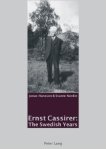 Ernst Cassirer was professor in Göteborg from 1935 to 1941. This episode of his life is little known, even though the Swedish years were very important. During that time of political turmoil he wrote several books and most of the papers that are now being published posthumously.
 Character and Culture by Irving Babbitt is the latest volume in the Library of Conservative Thought. Babbitt was the leader of the twentieth-century intellectual and cultural movement called American Humanism or the New Humanism. More than half a century after his death his intellectual staying power remains undiminished. The qualities that marked Irving Babbitt as a thinker and cultural critic of the first rank are richly represented in Character and Culture. First published togetherin 1940 (under the misleading title Spanish Character), these essays span his scholarly career and cover a wide range of subjects. The diverse topics discussed here – aesthetics, ethics, religion, politics, literature – are illuminated by the same unifying vision of human existence that informs and structures all of Babbitt’s writing.
 Peter Viereck, poet and historian, is one of the principle theoreticians of conservatism in modern American political thought. In this classic work, Viereck undertakes a penetrating and unorthodox analysis of that quintessential conservative, Prince Metternich, and offers evidence that cultural and political conservatism may perhaps be best adapted to sustain a free and reasonable society.
 This is the first full study in English of the German historicist tradition. Frederick C. Beiser surveys the major German thinkers on history from the middle of the eighteenth century until the early twentieth century, providing an introduction to each thinker and the main issues in interpreting and appraising his thought. The volume offers new interpretations of well-known philosophers such as Johann Gottfried Herder and Max Weber, and introduces others who are scarcely known at all, including J. A. Chladenius, Justus Möser, Heinrich Rickert, and Emil Lask. Beyond an exploration of the historical and intellectual context of each thinker, Beiser illuminates the sources and reasons for the movement of German historicism – one of the great revolutions in modern Western thought, and the source of our historical understanding of the human world.
 Olle Bengtsson