
Author: Jan Olof Bengtsson
Spirituality - Arts & Humanities - Europe
Haga: The Park

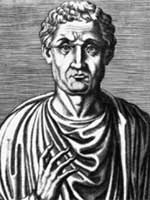
Boethius
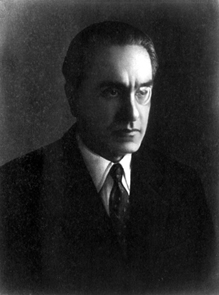
Julius Evola: The Yoga of Power
Tantra, Shakti, and the Sacred Law
Inner Traditions, 1992
Back cover:
Translated into English for the first time, this book will come as a surprise to those who think of India as a civilization characterized only by contemplation and the quest for nirvana. The author introduces two Hindu movements – Tantrism and Shaktism – both of which emphasize a path of action as well as mastery over secret energies latent in the body. Tracing the influence of these movements on the Hindu tradition from the fourth century onward, Evola focuses on the perilous practices of the Tantric school known as Vamachara – the “Way of the Left Hand” – which uses human passions and the power of Nature to conquer the world of the senses. During the current c ycle of dissolution and decadence, known in India as Kali Yuga, the spiritual aspirant can no longer dismiss the physical world as mere illusion but must grapple with – and ultimately transform – the powerful and often destructive forces with which we live. Evola draws from original texts to describe methods of self-mastery, including the awakening of the serpent power, initiatory sexual magic, and evoking the mantras of power.
T.S. Eliot Reads Burnt Norton and East Coker from Four Quartets
—
—
Julius Evola
Leonardo Coccorante: Capriccio of Classical Ruins with Figures

De ständigt meningsfulla ruinerna. Rom var ett imperium som förföll, präglat av deras arkitektoniska stil.
Harikesha Swami Vishnupada
Harikesha Swami was the first initiating guru among Bhaktivedanta Swami’s Western disciples that I came in contact with (in 1980). He relinquished his formal guru and sannyasi position in the late 1990s, but is still active, as a less traditional spiritual teacher and as a musician, and has several websites devoted to those activities. I found him to be often a forceful speaker, and a skilful expounder of the Vaishnava doctrines in his strict vyasasana teaching. He is known for emphasizing the relevance of the varnashrama system, even in the present and in the West, in his book The Varnasrama Manifesto for Social Sanity (1980?); and for the considerable risks he seems to have taken in teaching in the Soviet Union in the 1980s.
Italo Nunes-Vais: Dance of the Butterflies

Aldous Huxley, 1962 interview
1-2
 Olle Bengtsson