Norstedts, 1970
Baksida:
 I vår tid förkunnas en ny revolution: människan skall själsligt förvandlas. Hon skall bli fri icke blott i yttre mening, genom institutionella revolutioner, hon skall bli fri, förkunnas det, även i inre mening. Genom att befrias från normer, bud, auktoritära föreställningar skall hon bli i stånd till en harmonisk personlighetsutveckling, till ett “självförverkligande”, till en öppen, förtroendefull, mänsklig gemenskap på jämlikhetens grundval. Det är falskheten i denna förkunnelse och i dessa förhoppningar, som Tage Lindbom avslöjar i sina två senaste böcker, Sancho Panzas väderkvarnar (1962) och Otidsenliga betraktelser (1968).
Hans nu föreliggande bok Mellan himmel och jord är liksom de båda föregående ett debattinlägg av hög valör. Men denna gång lägger han icke tonvikten vid en kritik av människorikets falska frihets- och jämlikhetsförkunnelse, som endast visat sig leda till ett antagonistiskt kaos. Han går ett steg längre och har modet att lägga fram ett alternativ till den profana föreställningsvärlden, visa en väg, som under en högre makts ledning för till verklig sanning. I korta, laddade kapitel ställer han några väsentliga frågor: vem skall härska, Gud eller människan, vad är tro och vad är vetande, vad är auktoritet coh vad är frihet?
Vi står vid vägskälet, säger Tage Lindbom, och vi har att fritt träffa vårt val. Denna valfrihet är det stora, mänskliga privilegiet, som vi har att bruka och – missbruka.


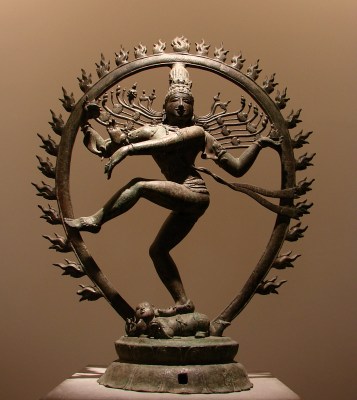
 The work of Pseudo-Dionysius the Areopagite stands at a cusp in the history of thought: it is at once Hellenic and Christian, classical and medieval, philosophical and theological. Unlike the predominantly theological or text-historical studies which constitute much of the scholarly literature on Dionysius, Theophany is completely philosophical in nature, placing Dionysius within the tradition of ancient Greek philosophy and emphasizing, in a positive light, his continuity with the non-Christian Neoplatonism of Plotinus and Proclus. Eric D. Perl offers clear expositions of the reasoning that underlies Neoplatonic philosophy and explains the argumentation that leads to and supports Neoplatonic doctrines. He includes extensive accounts of fundamental ideas in Plotinus and Proclus, as well as Dionysius himself, and provides an excellent philosophical defense of Neoplatonism in general.
 The Quest of the Overself shows Western readers how to achieve serenity of mind, control of thought and desire, and the power to use higher forces by means of simple exercises. These include breathing and visualization as well as mental control through meditation. These ideas, which the author gained by extensive travel in India, are as relevant to us today as they were when first published in 1937. Paul Brunton was a British philosopher, mystic and traveller. He left a successful journalistic career to live among yogis and holy men and studied a wide variety of Eastern and Western esoteric traditions. As he explains in the still fresh and fascinating The Quest of the Overself meditation and the inward quest are by no means exclusively for monks and hermits but also support those living everyday, active lives in the West.
 Olle Bengtsson