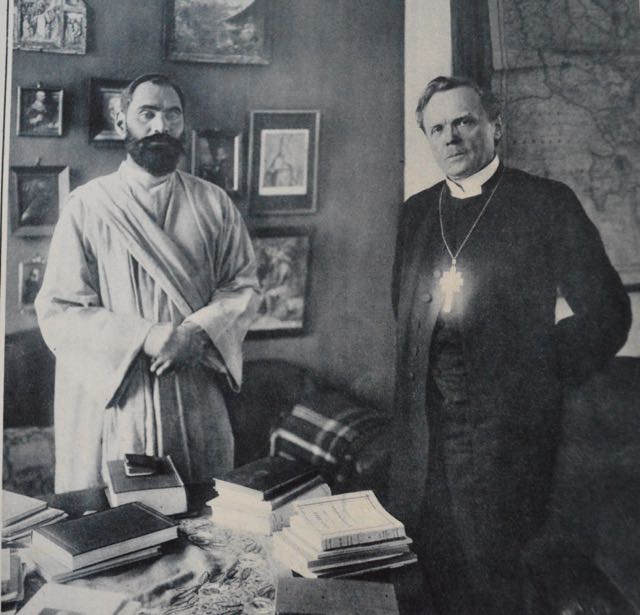
Sadhu Sundar Singh och Nathan Söderblom
Norstedts, 1981
Baksida:
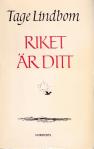 Människan lever som jordevarelse under dubbla villkor: hon besitter en odödlig själ och därför är hon en evighetsvarelse, men samtidigt är hon med händer och fötter bunden till det jordiska. Detta är utgångspunkten för Tage Lindboms nya bok. Hur skall vi kunna leva under dessa dubbla villkor? – Det är den fråga som boken vill besvara.
Vi möter samhället framför allt på tre plan: i familjen, i arbetslivet och som medborgare. Vad är familjelivets djupaste mening? Är arbetet en börda, ett nödvändigt ont eller en källa till glädje? Vem har makten på jorden, Skaparen eller människan, Gud eller folket?
Nutidsmänniskan inbillar sig gärna att hon är jordens härskare och att hon skall kunna förvandla världen i enlighet med sina drömmar och önskningar. Vetenskap och teknik, ideologier och jämlikhetssträvanden är därvid mäktiga vapen i hennes hand. Här sätter författaren in en skoningslös kritik. Bokens titel antyder det svar han vill ge: människan är ingen självhärskare utan en förvaltare under de gudomliga buden.
JOBs kommentar:
I stället för “Gud eller folket” kan man säga – som förtydligande, utan att avvika från Lindboms ståndpunkt – “Gud eller de revolutionära ledare som utövar makten i folkets namn”.
CETE, 1980
Baksida:
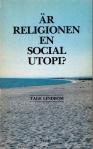 Fil. dr Tage Lindbom har, sedan han lämnat sin tjänst som chef för Arbetarrörelsens arkiv, i sina skrifter framförallt behandlat andliga och samhällskritiska ämnen. Han framstår som en av landets största och mest klarsynta filosofer. Han påvisar hur den kristna kyrkan löper faran av ett inre sönderfall genom teologins frivilliga underkastelse under existentialism och marxism och hur den sekulariserade mänskligheten utropar sig själv till ett herrefolk som liter till sina egna krafter i stället för den kraft som är av Gud.
Är religionen en social utopi? För den moderna människan blir det allt svårare att föreställa sig en verklighet utanför den tillvaro, som hon upplever med sina sinnesorgan. Därför stänger hon in sig i det jordiskt sinnliga livet och säger, att detta och endast detta är det verkliga. Därmed förnekar hon en högre gudomlig tillvaro. Det blir då så mycket viktigare att intala sig att detta jordeliv skall kunna bringas till fullkomlighet.
Denna åskådning har även gjort djupa inbrytningar i modern teologi: Gud finns inte “där uppe” utan “här nere” och det är i människans jordiska verksamhet, som Guds vilja fullbordas. Detta fullbordande blir då ej blott individuellt utan även socialt. Målet blir ej en återförening med den himmelske Fadern, målet blir förverkligandet av en social utopi.
1935
Plume, 2001 (1963) Amazon.com
Back Cover:
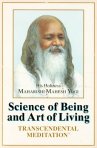 The Vedic knowledge of India has been the source of insight, inspiration, and enlightenment for mankind for countless generations. Maharishi Mahesh Yogi’s Science of Being and Art of Living is the modern expression of this ancient wisdom, presented with exceptional clarity, precision, and depth.
Here, Maharishi introduces the simple, natural, and effortless Transcendental Meditation technique, which is the “technology of consciousness” for directly experiencing the field of Being, the transcendental field of existence, the inner Self of everyone. Through the Transcendental Meditation technique any individual can easily harness the unlimited treasures of this field of Being – infinite happiness, energy, creativity, intelligence, and organizing power – bringing maximum success and fulfillment to daily life.
The experiences of fulfilling personal growth of more than six million people, along with the results of over 600 scientific research studies, show that the Transcendental Meditation program:
– Reduces stress and anxiety while increasing energy and vitality
– Improves health, lowers blood pressure, and promotes reversal of aging
– Increases memory, creativity, and intelligence
– Enriches and strengthens personal relationships
– Develops inner contentment, happiness, and fulfillment – the state of enlightenment
– Creates waves of peace and harmony in individual and collective consciousness – the basis of perpetual world peace
In this book, Maharishi unfolds his vision for bringing perfection to everyone’s life. The Transcendental Meditation program, he says, “will usher in a new era for a new humanity developed in all the values of life – physical, mental, material, and spiritual.”
Rider, 1970 (1939)
Back Cover:
From the Preface
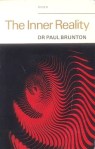 I do not desire to convince others, but simply to radiate whatsoever of truth I have found; then others can pick it up or not as they wish. They must approach me of their own free will and not because I wish to act as a missionary to them. I do not seek to convert, much less compel, but to show others what they, too, can find within themselves.
Frankly, I have not become conscious of possessing any mission to this world, but the only one I would care to undertake, if the gods were to grant me the ability, would be to make men aware of the value of their own soul. Moreover, this personal freedom is not without some peculiar value of its own. Because I am independent of all allegiances and because I obey no other authority than that of my own inward monitor, I can freely afford to set down truths which have either been selfishly hidden or foolishly distorted in the past.
Chapters:
Prefatory
What is God?
A Sane Religion
The Mystery of the Kingdom of Heaven
The Seven Beatitudes
Practical Help in Yoga
Psycho-spiritual Self-analysis
The Question of Asceticism
The Scripture of the Yogis: I. Renunciation
The Scripture of the Yogis: II. Revelation
The Scripture of the Yogis: III. Realization
Errors of the Spiritual Seeker
The Gospel According to St. John
The Mystery of Jesus
JOB’s Comment:
I have to repeat myself: It is difficult to recommend modern books on spirituality. None expresses my own views only. But most of course contain some of them. Brunton’s were among the first I read, in the 1970s. See also my earlier Brunton posts, in the Spirituality and References categories.
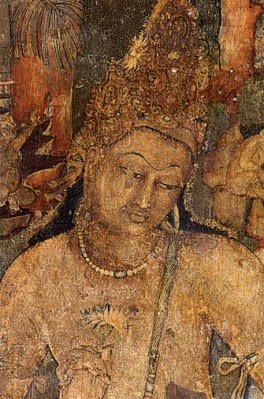
5th century, Ajanta caves


