Franklin Jones: The Loka of the Bright
I think Da Avabhasa was what he called himself at this time (although it may still have been Da Free John). See also the essay in which I explain what I find to be his significance.
Original video replaced with later reupping on other channel.
Individualitetsmedvetande och bildningsideal
Individualitetsmedvetandet är, som jag nämnt, ett av de typiska drag som länge ansågs känneteckna grekerna, i högre grad än den forntida orienten. Thukydides’ kända återgiving av Perikles’ begravningstal, hans s.k. ἐπιτάφιος λόγος, brukar betraktas som en klassisk locus där skillnaden i anda kan tydligt förnimmas. Individualitetsmedvetandet framstår här i dess sammanhang med Athens statsskick och hela kultur och tradition.
Athenaren är liksom andra hellener bunden vid stadsstaten. Men det är just genom dennas begränsning och karaktär som han kommit att äga en ny och annorlunda känsla för värdet och värdigheten i den personliga uniciteten – till skillnad mot vad som var förhållandet i den centralistisk-hierarkiska despotism som av grekerna själva, åtminstone alltsedan Herodotos, ansågs prägla perserriket och orienten i allmänhet. Med sin frihet och demokrati profilerar sig grekerna mot den främre orientens slutet kosmologiska politisk-religiösa ordning.
Detta individualitetsmedvetande var alltså ett faktum på Perikles’ tid. Redan hos Homeros finner vi naturligtvis ofta en blick för enskilda karaktärer och de i vår tids mening personliga särdragens betydelse för handlingar och skeenden. Så är fallet också i det attiska dramat. Det “förterminologiska” persontänkandet kan också i stor utsträckning sägas vara förhanden i vad som kan kallas det karaktäristiska, mer allmänna grekiska och romerska bildningstänkandet.
Platons och Aristoteles filosofiska och pedagogiska idéer, där beskrivningen av utbildningen är nära relaterad till deras helhetliga åskådningar, Platons fokus på filosofens egenskaper och Aristoteles’ utläggningar om karaktärens utveckling genom vanornas formande, om den sanna vänskapen som förutsättande denna kultivering o.s.v. – allt detta kretsade kring en verklighet som senare delvis, utöver den allmänhumanistiska terminologin, kom att beskrivas i personlighetens. Deras ideal motsvarade inte riktigt den i sin latinska form kända, av Terentius räddade sentensen från Menandros: homo sum, humani nil a me alienum puto (jag är människa och jag anser intet mänskligt vara mig främmande), som senare för många kommit att definiera en humanistisk hållning. En hel del mänskligt var för dem främmande: den formationskultur de beskriver präglas av urskillning, uppnåendet av moralisk karaktär är en process i vilken människans högre, ädlare, förnuftiga och andliga sida utvecklas och hennes lägre sidor avvecklas eller åtminstone behärskas.
Werner Jaegers klassiska verk om παιδεία fokuserar emellertid på den grekiska karaktärsdaningen och de allmänna grekiska humanistiska personlighetsidealen som produkter av den grekiska kulturens utveckling i dess helhet, alltifrån den arkaiska tiden. Fastän det konkreta fokus för idealens förverkligande är just den individuella mänskliga personens karaktär, ses kulminationen av detta förverkligande såväl som av dess artikulation under den klassiska perioden som oupplösligt förenat med stadsstatens sociala och allmänkulturella förutsättningar.
Under loppet av retorn Isokrates’ liv övergick den hellenska egenarten till historieromantik och program i vältaligheten. Stadsstaterna ersattes av hellenismens långt mer kosmopolitiska och individualistiska storriken. Idealen levde vidare, samtidigt som deras historiska förutsättningar förändrades. Under den hellenistiska eran blir individualitetsmedvetandet i allt högre grad till individualism. Termen person härrör från teatern, och i den hellenistiska erans dramatik, exemepelvis hos Menandros, har känslan för den unika individualiteten redan drag av denna individualism.
Theofrastos Karaktärer, ett verk från denna tid, försöker naturligtvis beskriva allmänna typer. Men vi lär oss lika mycket om författarens tid och miljö och dess människor som om dessa typer, och i jämförelse med filosofins spekulationer om den allmänna mänskliga naturen och om människans idé innebar detta verk, och andra liknande exempel, ett steg i riktning mot ett mer speciellt och partikulariserat människostudium. Menandros anses ha lånat åtskilligt i gestaltandet av sina konkreta dramatiska rollpersoner från just Theofrastos. Till skillnad från Platons och Aristoteles diskussioner framställdes i denna nya typ av karaktärsstudium varken ideal eller idéer, utan varnande exempel. Och den exklusiva, urskiljande, elitistiska och aristokratiska idealismen kompletterades gradvis med en allsidigare humanitet, som, utan att därför urskillningslöst acceptera dem, något som vore oförenligt med idealets kontinuitet, ändå ville uppfatta människans värdighet även med hennes brister och svagheter.
Den hellenistiska och romerska litteraturen bär rikhaltigt vittnesbörd om ett individualitetsmedvetande sprunget ur livet själv och den samhälleliga och kulturella verkligheten, ett medvetande som på olika sätt fortfarande växelverkar och samspelar med de allmänna, från det klassiska Grekland traderade och kontinuerligt tolkade och utlagda idealen. I skönlitteraturen kunde människostudiet självfallet ytterligare individualiseras. Här finns exempel på en större mångfald av formella och innehållsliga konventioner, men också på större frihet från och en bättre individuell tillägnelse av dem än vad vi under många århundraden skulle finna i den efterföljande kristna enhetskulturen.
Den hellenska bildningen övertogs av romarna som ideal. Ciceros humanitas var ett försök att vidareföra grekernas παιδεία. Men det innebar att det var ett försök att i romerskt sammahang uttrycka som ideal något som i Grekland i åtminstone högre grad kunnat bli en verklighet. Den allmänhellenistiska föreställningen om den av förnuftet behärskade och därmed såväl fria som harmoniskt utvecklade människan, med blicken riktad mot det offentliga livet, men hyllande filosofins primat, sammanfattades i föreställningen om humanitas, den grekisk-romerska kulturmänniskans ideal. Det var varken en definition eller en beskrivning av personligheten i vår moderna mening, utan ett ideal för dess utveckling: som sådant hade det naturligtvis en tydlig “klassicistisk” karaktär av allmänhet: det var inte bara den enes eller den andres ideal, knutet till hans egen individualitet, utan om – i slavsamhället knappast allas eller ens mångas – men åtminstone fleras.
Sådana ideal för personligheten och dess utveckling kan inte förbises i det historiska studiet av personbegreppet. De växelverkar ofta på väsentliga och medvetet reflekterade sätt med den personliga individualiteten på olika nivåer, från det rent mänskliga, i mer kroppslig mening, till det själsliga och andliga. Men ett ideal är inte riktigt samma sak som en platonsk idé. Människans bildningsideal innehåller annat än den människans idé som vi ser som den platonska och som står i ett visst förhållande till sinnevärldens individuella människor. Det innehåller också annat än den själens idé, som hos Filon står i ett visst förhållande till de individuella själarna. I spänningsfältet mellan idé, människa, själ och ideal utspelar sig mycket av det som är av betydelse för personbegreppet.
Men man måste konstatera att vi redan begränsats till den tillfälliga, förgängliga, rent humanistiska nivån på ett historiskt nytt sätt som kom att definiera västerlandet och som innebar ett anmärkningsvärt förytligande. Ur den verkliga filosofiska insiktens perspektiv, som inga moderna historiker tycks äga, är det en grov okunnighet och hopplös fåfänglighet, ett groteskt kvardröjande på de tidigaste och mest omogna av livets utvecklingsstadier, att endast, ja även att huvudsakligen pyssla med Människans, d.v.s. den förbiflimrande, alltid inom kort sjuknande och döende mänskliga psyko-fysiska apparatens kulturella och egenskapsmässiga förfining. Det är att i grunden missförstå verkligheten och kasta bort sitt liv. Och det är något hela civilisationer visat sig kunna vara inriktade på att befrämja.
Delphin Enjolras: Jeune femme lisant à côté de la fenêtre

Till frågan om det judiska inflytandet
Idag fann jag följande kommentar som en av anonymitetskulturens debattörer sent igår kväll postat efter mitt inlägg ‘Kommentarkultur’:
“Hej Jan Olof, tack för en intressant blogg. Du har inte lust att skriva lite om den organiserade judenhetens inflytande över skapandet av dagens situation? Alla vet ju att judarna spelade en avgörande roll i den ryska ‘revolutionen’ och i skapandet av den tyska kontrarevolutionen, men hur pass avgörande är egentligen deras insats i dagens situation? Är det judarna ensamma som ligger bakom det vi kallar NWO eller finns det andra grupperingar som är lika skyldiga? Det vore intressant med ett inlägg om dina åsikter kring den organiserade judenhetens roll i skapandet av dagens situation. Hur pass viktig är den judiska religionen vars centrala delar utgörs av att judarna i slutändan ska styra över ett världsrike av lydiga ‘gojer’ som underdånigt samlar in skatter och dyrbarheter till kungarna i Jerusalem? Påverkar judarnas religion de judiska organisationernas inställning till den nya världsordningen?”
Anonyma läsare med den här typen av frågor och uppfattninar har redan tidigare önskat utförligare uttalanden från mig om judiskt inflytande o.s.v., så jag tillmötesgår nu denne kommentator genom att publicera ett svar i form av detta inlägg.
—
Tack för vänliga ord om bloggen.
Dina första frågor har jag tagit upp i inläggen ‘Vad invandringsfrågan handlar om‘, ’Problemet med datalagringsdirektivet’ och ’Begreppet den nya världsordningen’, och delvis i diskussioner i kommentarfälten till andra inlägg. Jag kommer här inte upprepa vad jag där sagt. Dina sista frågor, rörande judendomens natur som sådan och dess mer allmänna inflytande, har jag dock i bloggen bara tangerat i dessa inlägg.
Det är stora frågor. Jag finner det inte bara svårt att veta var man ska börja i analysen av dem, utan känner också att jag på många punkter inte har en tillräckligt klar uppfattning för att en sådan analys från min sida skall vara meningsfull. Men jag ska försöka säga litet mer. Det underlättas av att du åtminstone i någon mån delar upp det hela i mindre, mer hanterbara delfrågor.
Judarna och judendomen har naturligtvis haft ett mycket stort inflytande på den västerländska civilisationen, alltifrån antiken, och både i sig själva och i kristendomens form. Jag har sedan 1970-talet huvudsakligen studerat och – med oklar framgång – försökt praktisera andligheten i den vedantistiska traditionens former, delvis i andra österländska traditioners, och, på det filosofiska planet, i de österländska relativt närstående formerna i den västerländska idealismen och esoterismen. Eftersom jag heller inte uppfostrades som kristen (jag kan knappt minnas en enda klasskamrat eller annan vän från barndomen som gjorde det), finns det mycket i såväl den traditionella judiska som den kristna religionen som jag inte förstår, trots ibland ganska grundligt studium senare i livet.
På ett allmänt plan kan jag se ett värdefullt inflytande i vad gäller vissa aspekter av Gudsuppfattningen, moralen, profetismen, mystiken i några former, visdomstraditionen i någon mån. Det judiska är, menar jag, ytterst eller i sin essens en anda och livshållning som dessa ting i förening med den historiska erfarenheten skapat, och som på olika sätt påverkat västerlandet. Jag brukar också betona det historiska bidraget till vad Eric Voegelin beskriver som den process av ”differentiering” som alltifrån början kom att definiera västerlandet, en process som också beskrivits av andra historiker i andra aspekter och termer.
Men jag har också problem med det större, delvis av främreorientaliskt mytologiskt stoff uppbyggda större världsåskådningsmässiga sammanhang av vilket dessa ting är en del, i stor utsträckning även sådant det kvarstår utan fundamentalistiska, bokstavliga tolkningar. Liksom även med den immanentistiska eskatologin, sådan den delvis föregripits i profetismen och klarast kommer till uttryck i apikalyptikens visioner, och inte bara den oklara frågan om judarnas förhållande till goyim (som i de senare bibelböckerna kommit att åsyfta endast de andra folken, ”the nations”, som det heter i engelska bibelöversättningar) i den messianska tidsåldern, som du tar upp.
Flera sådana mer specifika element, även inkluderande exempelvis pentateukens beskrivningar av och lagar rörande den blodiga, köttiga offerkulten, den rituella slakten, omskärelsen, och den allmänna våldsamheten och grymheten i den åtminstone exoteriskt förstådda gammaltestamentliga Gudens fortsatta ingripanden och viljeyttringar, slog mig, parallellt med intrycken av det värdefulla, som märkliga och problematiska när jag först började läsa Bibeln på sjuttiotalet.
Trots de andra, högre sidorna vilkas existens och jag alltså naturligtvis erkänner och bejakar tror jag därför inte i någon vanlig mening på judendomen som specifik religion i de ortodoxa former i vilka den historiskt förelegat. Men att säga detta är samtidigt en förenkling. För det första är judendomen överhuvudtaget inte eller åtminstone inte enbart en religion i den moderna klassifikationens mening. Den är mer än en religion. Och det skapar en del komplikationer för den helhetliga bedömningen. Man måste skilja mellan mycket olika element i det fenomen som är judendomen, och, som jag ser det, även bedöma dem på helt olika sätt.
De positiva bidragen har som sagt blivit en del av västerlandet utan att detta inneburit ett accepterande av judendomen som helhet. Men här inställer sig oerhörda, djupa frågor om det distinkta i det judiska i förhållande till andra kulturer och traditioner som det helt enkelt är omöjligt att gå in på här.
Även kristendomen framstod dock för mig, trots de sanningar jag självklart även där bejakar (jag har åtminstone försökt studera kristendomen på djupet och ta till mig och tillämpa dess sanningar, och även skrivit med viss utförlighet om den och dess historiska betydelse för västerlandet), redan under samma tidiga period som något begränsat i jämförelse med de utblickar och perspektiv som redan blivit tillgängliga för mig. Att inte tro på alla de mer specifika lärorna i judendomen eller kristendomen sådana de historiskt förelegat är ju nu visserligen knappast något märkvärdigt eller ovanligt. Men notera – i ljuset av de nämnda andra perspektiven – att jag inte är ateist eller ens agnostiker.
Att både den judiska och den kristna eskatologin i dominerande tolkningar av flera (inte alla) skäl är problematisk förefaller mig uppenbart, liksom, och i än högre grad, att den haft ett problematiskt inflytande inte minst genom att den kunnat tolkas i förening och växelverkan med moderna ideologiska och historiefilosofiska föreställningar. Fakta rörande dessa förhållanden är tämligen väl kända bland historiker; endast tolkningarna och värderingarna skiljer sig. Även en neokonservatismen närstående judisk författare och debattör som David Horowitz har identifierat det politiskt och socialt problematiska i åtminstone en utbredd typ av förståelse av den judiska eskatologin i kapitlet ’The Religious Roots of Radicalism’ i The Politics of Bad Faith: The Radical Assault on America’s Future. Senare åberopade Barack Obama signifikativt nog i sitt tal till AIPAC samma år som han valdes till president den med denna förståelse förenade uppfattningen om tikkun olam, judarnas historiska uppgift att “reparera världen” – “fixa” världen som de ibland brukar säga – och på så sätt etablera eller åtminstone i någon mån bidra till att etablers det messianska riket. Till och med den ledande judiske neokonservative Irving Kristol ägde dessa insikter om de problematiska inslagen i eskatologin. Jag säger inte att insikterna i något av dessa fall medförde tillräckliga praktisk-politiska ställningstaganden, även om Horowitz på senare tid börjat ompröva sin syn på den amerikanska utrikespolitiken. Men insikterna i sig och ställningstagandena på det ideologiska planet var riktiga, så långt de stäckte sig.
Denna typ av analyser ligger också i hög grad linje med den analys av gnosticismen som presterades av Voegelin och som jag ägnat mig en del åt. Själv skulle jag dock vilja lägga tonvikten lika mycket på vad som kan urskiljas som den ursprungliga eskatologin i sig som på dess olika tolkningar. Och det handlar då inte bara om den judiska utan också om den med denna sammanhängande och i vissa huvuddrag gemensamma kristna. Till och med Voegelin pekade på problematiska eskatologiska element även hos Paulus, och fick för detta kritik från kristet håll. Jag har alltså ofta skrivit om det positiva judiska och kristna bidraget, där vissa betydelsefulla dimensioner tillkommer i det senare men samtidigt bygger vidare på det judiska; inte minst har jag gjort det i samband med personalismen och dess historia eller förhistoria alltifrån antiken.
Och när jag idag tänker tillbaka på den miljö jag formades av, är det slående hur stark den judiska närvaron var. Hur många judiska författare som lästes av alla, inte minst skönlitterära. De judiska vänner (för att inte tala om väninnor) som fanns exempelvis i alla skolor jag gick i. Den liknande situationen i min familj i tidigare generationer. Och så vidare.
Genom allt detta, och inte minst litteraturen, fick jag tidigt en ganska klar bild av olika sidor av judendomen. Isaac Bashevis Singer var en favoritförfattare. I hans romaner och framför allt noveller, som jag läste redan innan han tilldelades Nobelpriset 1978, levandegjordes på fascinerande stätt en distinkt traditionalistisk kulturell egenart, om än i historiska, huvudsakligen östjudiska former (även när han behandlade dem som transponerade till New York) som skilde sig radikalt inte bara från de samtida, ofta helt sekulära svenska judars jag kände utan också i allmänhet från de västjudars av den äldre moderna typen hos vilka mina sympatier ofta ligger. Det var en egenart med såväl charmfulla som för mig obegripliga inslag. Judar var, hävdade Singer, intresserade av tre saker: Gud, sex och revolution. Hans egen Gud var dock inte Gamla Testamentets, utan Spinozas. Sex förekom utan tvekan i många av hans böcker, liksom även revolutionärer – sida vid sida med de konservativa och ortodoxa. Singer var en ytterst traditionell berättare. I de flesta specifikt litterära avseenden var hans eget författarskap – och till synes hela den litterära delen av hans i övriga avseenden mycket distinkta östeuropeiska judiska värld, vars författare ofta figurerade i hans böcker – ej skild från den icke-judiska. Den litterära traditionen framstod hos honom som gemensam. När han kom till Stockholm gjorde han mig inte besviken: talet på Nobelfesten var bland annat en satirisk kritik av den extrema litterära modernismen (symboliserad av Finnegans Wake), framställd i form av en uppräkning av fördelarna med att skriva barnlitteratur, något han själv ibland gjorde. “There are many good reasons for writing books for children, maybe a hundred”, började han. “But I will give you only ten of them.” Det var mycket underhållande. Singer hade också den sympatiska egenskapen att avvika från den gammaltestamentliga “blodigheten” genom att vara vegetarian, och förklarade betydelsen av detta väl.
Det kan inte finnas någon tvekan om de bidrag judar gjort inom vetenskapen (framför allt humanvetenskapen, där jag är mest förtrogen med dem) och kulturen i allmänhet, bidrag som går utöver och ibland också är skilda från judendomen och det specifika från den härrörande inflytandet. Men kluvenheten i min uppfattning om judendomen som sådan har bestått sedan min tidigaste kontakt med den. Det finns sådant jag utan problem kan identifiera mig med, men också annat där jag inte kan det.
I de inlägg jag nämnde pekar jag på det politiska inflytande vissa judiska organisationer – delar av vad du kallar den organiserade judenheten – idag utövar. Men när det gäller andra delar av det judiska inflytandet kommer vi till de områden där jag antingen inte har en lika klar uppfattning eller där jag har en motsatt bedömning.
Jag delar alltså, som framgick i ett av inläggen, Kent Ekeroths analys i Judisk Krönika av svenska judars liberalism och motiven för den, och denna analys’ giltighet är dessutom naturligtvis möjlig att utsträcka i både tid och rum. Ekeroth tror mig veterligen inte på den judiska religionen, och därmed knappast på sionismen i någon specifikt religiös mening.
Detsamma gäller såvitt jag förstår icke-judar i SD som Björn Söder, som jag sett anklagas för att vara “sionister”. Vad de försvarar är Israel som demokrati i Mellanöstern, ungefär på det sätt Tingsten gjorde det. Lars Gustafsson ansåg en gång detta vara en ytlig uppfattning (”ett nytt Danmark”), men det var när han själv just hade konverterat till judendomen och flyttat till USA. Om ”djup” här måste innebära att man accepterar sionismen i en distinkt religiös, av fundamentalistiskt tolkad judendom definierad eskatologisk mening, blir naturligtvis försvaret för Israel något annat. Den ytlighet Gustafsson kritiserade börjar då kännas önskvärd – ett försvar för Israel av samma typ som annan modern sekulär nationalism, jämförbar med andra länders, frikopplad från judendomen, contra den latenta medeltida form av teokrati som tycks dölja sig djupt – eller inte ens alltid särskilt djupt – inne i Israel och som, varje gång den blir synlig, får den ständigt utbasunerade skillnaden gentemot Iran att minska drastiskt.
Den judiska kulturella identiteten är naturligtvis oskiljaktig från den speciella religionen. Men denna religion, inklusive dess eskatologi, kan i viss, ja stor utsträckning förstås på alternativa, mer subtila och samtidigt mer sanna sätt, såsom skedde i den reformjudendom jag, i linje med mitt mer allmänna försvar för aspekter av 1800-talet, i vissa avseenden känner sympati för och som på sitt eget sätt betonade just det historiska och kulturella arvet.
Både Ekeroths analys och dina exempel med ryska revolutionen och vad du kallar ”skapandet” av den tyska kontrarevolutionen visar hur det judiska intresset oftast uttrycker sig genom ett engagemang för ideologier som i sina teoretiska anspråk sträcker sig långt utöver detta intresse. Och just detta är alltså den huvudsakliga orsaken till min oklarhet på detta område. Såvitt jag kunnat se tenderar många kritiker av judiskt inflytande att reducera detta teoretiska innehåll till intresset på ett sätt som lätt blir vilseledande. Det är inte en tillräcklig förklaring av den ryska revolutionen att anföra detta intresse och den stora andelen judar som medverkade i den. Den förklaras också bland annat av marxismen och kommunismen som rent ideologiska fenomen. Dessa äger ett specifikt teoretiskt innehåll som man också måste ta hänsyn till, och som, oavsett det judiska intresset, motiverade många icke-judar, dels i sig, dels i förening med deras egna, andra intressen. Naturligtvis var också många judar helt enkelt övertygade om detta innehålls sanning, alldeles oavsett graden av medvetenhet om det egna intresset som drivkraft.
Idéer är i sig avgörande historiska krafter. Idéer har konsekvenser, som Richard Weaver framhöll. Detta gäller också i nuet, om den fortfarande av vissa omfattade marxismen, om den radikala liberalismen, och om alla andra idéströmningar och fenomen som kritiker av det judiska inflytandet anser att judar ligger bakom och som de också vill förstå och förklara huvudsakligen i termer av det judiska intresset. Förvisso inmänger sig på det sätt jag antytt en del distinkt judiskt idéinnehåll i dessa strömningar, ibland mer men ibland också mindre omtolkat, förvandlat, anpassat. Men bortom detta finns alltså även ett annat, kognitivt innehåll i dessa av kritikerna framlyfta strömningar, ett innehåll som i vissa fall tidigare var i sak historiskt betydande och som inte bara kan ignoreras utan måste bedömas i sig.
Naturligtvis har det inte i allmänhet ignorerats. Det har i hög grad, som sådant, gjort dessa strömningar dominerande i vår kultur. Självklart har fler fokuserat på detta innehåll än på det judiska intresset. Även kritikerna har ägnat det grundligt studium: felaktigheter har avslöjats, delsanningar bejakats och upptagits. Min poäng här är bara att det ignoreras på ett i vissa avseenden problematiskt sätt av kritiker som vill förstå dessa strömningar i termer av det judiska inflytandet. Att det judiska intresset vanligen förbisetts gör inte den motsatta ytterligheten mindre ensidig när man, som du, söker historiska förklaringar.
Detta är åtminstone mitt intryck av exempelvis Hervé Ryssen, känd bland annat som medarbetare i den franska nationella högerns tidskrift Rivarol, och hans bok Les espérances planétariennes; av E. Michael Jones, utgivare av Culture Wars, och hans The Jewish Revolutionary Spirit and Its Impact on World History; av den bland nationalister internationellt verksamme amerikanske politikern David Duke och hans till många språk, inklusive svenska, översatta bok Jewish Supremacism; och av den idag kanske mest framträdande av alla kritiker av det judiska inflytandet, Kevin MacDonald, numera redaktör för både The Occidental Observer och The Occidental Quarterly och en forskare som dessutom förstår det judiska intresset i biologiska termer på ett sätt som går långt utöver Ekeroths beskrivning och som jag inte tillräckligt kan bedöma; jag lägger in en intervju med honom i slutet av det här inlägget så att läsaren själv kan ta ställning till hans egna ord.
Vad MacDonald dock – främst i sin mest kända bok, The Culture of Critique – påvisar, liksom de andra nämnda författarna, är det av ett visst intresse bestämda judiska inflytandets existens. Det har ju också påvisats av en lång rad judiska författare. Och detta intresse och många av dess uttryck och konsekvenser är ju knappast i sig särskilt kontroversiellt.
Oklarheterna gäller i stället framför allt omfattningen av detta specifika judiska inflytande. Det är här jag ofta finner att mer bestämda ställningstaganden är svåra. Kritikerna presenterar ju uppgifter och tolkningar inom många områden – inom de flesta av dem sedan århundraden och i några fall sedan årtusenden, det vill säga redan före den judiska emancipation som möjliggjorde judisk verksamhet på nya områden men också gjorde att de ortodoxa rabbinerna i hög grad förlorade sin teokratiska makt och kontroll.
Bland dessa områden finner vi inte bara den radikala politiken i inskränkt mening, utan även och i lika hög grad ekonomin, de internationella bankerna, media, underhållningsindustrin, Hollywood, förlagsbranschen, den moderna och samtida konsten, frimurarna, den internationella brottsligheten, den ryska maffian och delvis den amerikanska, droghandeln, den vita slavhandeln och trafficking i allmänhet, pornografin – allt områden som säkert avses i dina frågor. En mer generell frågeställning som den rörande ”hur pass avgörande [den organiserade judenhetens] insats i dagens situation” är, blir på grund av oklarheterna på denna stora mängd områden, och det omfattande begreppet “dagens situation”, för mig svårbesvarad.
Men en sak är uppenbar: de judar som är involverade i skadlig verksamhet på de här områdena är naturligtvis inga judar i någon rimlig religiös mening; de är ju långt värre syndare och brottslingar än de guldkalvs- och avgudadyrkande israeliter som GT handlar om och definierar den judiska religionen genom att fördöma. De representerar bara vanliga lägre mänskliga egenskaper, allt det sämsta hos alla de andra nationer som judendomen menade att de skulle skilja sig från som ett heligt folk. Men hur många varnande profeter uppstår idag bland dem? De står väl så att säga som vanligt under sin Guds, JHWH/El:s, dom. Kan de frälsas undan Gehinnom? Vad blir följden för folket som helhet och för staten Israel? Liksom de kristna har de institutionaliserat vad de menar vara en regelbundet återkommande förlåtelse från Gud, i förlitande på vilken de omedelbart efter att ha mottagit den kan återgå till sina oförändrade liv. Men detta tillhör naturligtvis de märkligaste inslagen i båda dessa religioner: nådens verklighet förvandlas till bedrägligt självterapeutiska symbolhandlingar på ytan av ett hav av karma. Här är det ju uppenbart att ingendera äger någon högre eller djupare insikt.
Det var begripligt att judar önskade bli som andra folk och ha en egen nationalstat, liksom de i biblisk tid krävde en kung som andra folk. Men det tingstenska Israel finns i verkligheten inte. Vad som tycks dominera, i en djupt problematisk växelverkan, är fundamentalismen å ena sidan och det materialistiska, gudlösa, profanerande. Kontrasten mellan varje autentisk presentation av judendomens läror och dagens extremliberala judars förehavanden är skärande och tragisk. Vad jag skulle vilja se som den sanna eller åtminstone goda judendomen har hamnat i kläm. Ja, den är idag globalt hotad av fundamentalistisk extremism å ena sidan och den typ av världslig ekonomisk och politisk makt och kulturell dekadens som är just det som judar förväntades inte ägna sig åt. Förvisso har det varit möjligt i Israel att odla den goda sidan av judendomen, den rika traditionen av visdom och fromhet och den distinkta, sant monoteistiska, moraliska, rättfärdighets- och helighetsorienterade anda som jag beskrivit i termer av det positiva inflytandet. Inte minst reformjudar har kunnat frigöra detta från de problematiska ortodoxt-literalistiska sidor som inkluderar de hemskheter som utan tvekan är en del av Bibeln och Talmud och som pekats på av bland andra Israel Shahak. Detta har kunnat förenas med de moderna politiska, sociala och kulturella formerna. Men i än högre grad tycks Israel hittills tyvärr, i Israel och runtom i världen, ha befrämjat krafter som hotar det som kan urskiljas som det värdefulla i det judiska arvet.
Men som sagt, omfattningen av det problematiska inflytandet, på respektive område, är för mig ofta svårt att bedöma, och risken är stor att man hamnar i en orättvis kollektiv skuldbeläggning och allmänna falska anklagelser grundade enbart på tillhörighet till det judiska folket. En annan av de frågor du ställer – ”Är det judarna ensamma som ligger bakom det vi kallar NWO”? – har jag dock i det sista av de ovan nämnda tidigare inläggen ansett mig kunna besvara med viss entydighet. Judarna ligger inte ensamma bakom det som under större delen av 1900-talet av ledande världspolitiska aktörer och ideologer kallades “the new world order”. Naturligtvis är det orättvist att generalisera om judarna på det sätt som den grammatiska bestämda formen implicerar i denna och annan kritik. Vad jag menar att jag visade är att det inte förhåller sig så att – för att uttrycka det sakligt och logiskt riktigt – judar, i obestämd form, ligger bakom detta. Även de mest långtgående judekritikerna (eller vad vi ska kalla dem), som exempelvis Revilo P. Oliver, brukar i förtvivlan tvingas konstatera att förirrade men dominerande medlemmar av deras eget folk är lika skyldiga till sådant som de anklagar judar för.
Klart är under alla omständigheter att eftersom det kritikerna framhåller som de ideologiska uttrycken för intresset i sig kan, som kognitiv struktur, skiljas från intresset, det naturligtvis också är möjligt för judar att förkasta dessa uttryck som i sig osanna och/eller olämpliga former för intresset. Detta finns det många exempel på.
Och inte bara intressets manifestationsformer och instrument, utan själva intresset i sig kan omprövas som missuppfattat, även om jag här inte vill påstå något om hur vanligt detta är eller i vilken utsträckning det kan förväntas i framtiden. Ekeroth framlyfter exemepelvis hur de “extremliberala” svenska judarnas politik är kontraproduktiv, går emot intresset. Sådana judar finns givetvis också i övriga Europa och USA, även om Ekeroth har rätt i att fler där vaknat upp till den förändrade innebörd och effekt de gamla rutinmässiga ställningstagandena ställningstagandena idag fått. Även Horowitz har i Radical Son givit ett självbiografiskt vittnesbörd om denna omprövningsprocess i åtminstone några aspekter, fastän han från mitt perspektiv inte går tillräckligt långt.
Paleokonservativa judar som Paul Gottfried har överhuvudtaget aldrig uttryckt något judiskt intresse på de här diskuterade sätten, och förstår inte ens det judiska intresset så som de förutsätter. Sådana judar har aldrig behövt uppvakna och ompröva någonting. Men självfallet är de medvetna om att de tillhör en minoritet.
Inte minst i Israel (och mer där än i USA) finns i alla fall ett stort judiskt åsiktsspektrum representerat, vilket bekräftar åtminstone ett värde i den moderna västerländska demokratin, hur mycket detta än tycks hotas inom samma demokrati och hur speciellt Israel i denna demokratis sammanhang än är på grund av dess dominerande, egenartade religion.
Mitt eget förhållningssätt på det här området är enkelt och för mig självklart. Jag stöder judar som delar mina ståndpunkter (om exempelvis Europa eller västerlandet, dess kultur, dess identitet, dess folk, dess frihet, och gärna också judendomen och Israel), och kritiserar sådana som inte gör det, eller snarare, i praktiken, sådana som motarbetar det jag genom dessa ståndpunkter försvarar. Och jag gör detta därför att jag tror att dessa ståndpunkter är både riktiga i sig och relevanta för samtliga berörda parter.
Intervju med MacDonald, 1-6:
Idealism as Alternative Modernity, 1
I plan to post my presentation at the Empire of Idealism conference in Prato, Italy, last year.
When I submitted the following abstract, I didn’t know the presenters had only twenty minutes at their disposal:
“In this presentation I will develop further the general exploration and assessment of modern idealism in my paper at the International Conference on Anglo-American Idealism at Pyrgos, Greece in 2003 and my paper at the Idealism Today conference at Oxford in 2005. The former pointed to some problems with the modern cultural dynamic underlying idealistic philosophy, while the latter was a defence of the needed truths of idealism properly conceived. Now I will deepen the analysis of the relation between the problematic cultural dynamic and the needed truths. In order to do this, I will go back to and discuss some aspects of the German sources of the late nineteenth- and early twentieth-century British empire of idealism, some significant differences between German and British (or Anglo-American) idealism (to some extent idealism in other countries will also be mentioned), and the related differences between the ways in which German and British idealism were criticized and rejected in the course of the twentieth century. I will argue that if a firm grasp of the problems with what I call the ‘pantheistic revolution’ can be achieved, a grasp that makes possible due discernment and selectivity in the reappropriation and continuation of idealistic thought, idealism, far from being a phenomenon of merely historical interest, can be conceived and reformulated as the most important current of modern thought, with a message of lasting and indeed increased relevance. I will restate the claim I have made in other publications and presentations – but only briefly in the mentioned papers – that in particular in the form of so-called ‘personal idealism’, idealism can even be seen to represent central elements of a needed alternative conception of modernity itself. But in line with the broader focus of the Greece and Oxford papers, I will also try to determine to what extent or in what respects that claim can be made for idealism in general, including so-called ‘absolute idealism’.”
It was, needless to say, impossible to do what I thus intended in twenty minutes. Although the abstract was printed in the programme, I could do no more than indicate in the broadest outline what I mean by idealism as alternative modernity. Which, in itself, was of course fine: at some conferences, merely saying something general about ourselves and signalling our present scholarly projects and interests without introducing the full, detailed and complex arguments, and simply being present for each other and available for questions, discussions, and other exchange, is quite sufficiently meaningful.
Instead of doing what I described in the abstract, I made a more personal presentation with only some rather informal and only very general remarks on the subject. For this reason, I also did not send the paper to the organizers when they later contacted the presenters about publication (there were other good presentations though, so I very much hope their work with the publication is going well). Instead, I will, shortly, publish it here in two parts.
The Marcus Aurelius Arch, Tripoli

Franklin Jones: The Knee of Listening
The Early Life and Radical Spiritual Teachings of Franklin Jones
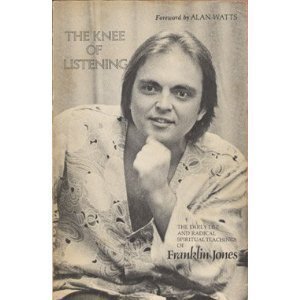
The Dawn Horse Press, 1972 (second printing, 1973)
Foreword by Alan Watts
From the rear cover and the inside of rear cover:
The Knee of Listening contains Franklin’s essential wisdom regarding the ordinary dilemma and search which nearly all human beings are living. He teaches that seeking by any means, even traditional spiritual, philosophic, religious and yogic means, is an inappropriate and fruitless approach to Truth. Truth is not realized as a result of any action. Truth is always already the case. He says: “All seeking is unnecessary. Only understand your own search. Bodies and worlds are only full. All power is at the Heart. Joyous Light surrounds your head. Truth is consciousness itself. The one who was to come is always already here.”
Hidden in The Knee of Listening, like a symbol in a childbook illustration, is an image of That which I have come to show and teach to those who will resort to me.
Franklin Jones
Franklin Jones, known to his devotees as Bubba Free John, is one of those rare beings who descend into the material and human planes of existence already conscious of spiritual illumination, and with the destiny of rapid evolution for the sake of the spiritual service of mankind. In his own words, he is a “man of understanding”. He has described his own human spiritual adventure in The Knee of Listening. He has said that his early life was a manifestation of the lesson he has come to teach mankind about the fruitlessness of seeking in any form. He says that the years of trial were a means of transforming the psycho-physical functions he is animating, so they could be an instrument for the conscious communication of Truth: “The man of understanding is the Truth of mankind. He is not merely the evolutionary goal and fulfillment of man. He is already Truth, prior to man. He is Truth alive, drawing men into the prior Truth and real functions that are their nature in Reality.”
“It is obvious, from all sorts of subtle details, that he knows what IT’s all about…a rare being.”
“What he says, and says very well, is something that I have been trying to express for thirty-five years, but which most people seem quite reluctant to understand. He has simply realized that he himself as he is…is a perfect and authentic manifestation of eternal energy of the universe, and thus is no longer disposed to be in conflict with himself.”
Alan Watts [not from the his foreword]
Dear Franklin,
Chiti Shakti, the Kundalini, which brings about Siddha Yoga, is activated in you. The Inner Self which is the secret of Vedanta, the basis of religion, the realization of which is the ultimate object of human life, is awakened in you.
Swami Muktananda
A great teacher with a dynamic ability to awaken in his listeners something of the Divine Reality in which he is grounded, with which he is identified and which in fact he is. He is a man of both the East and the West; perhaps in him they merge and are organized as the One that he is.
Israel Regardie
JOB’s Comment:
Jones’s first and still best known book.
Pompeo Batoni: Charles Compton
7th Earl of Northampton

Biografins teori, 1
Det följande är första delen av en opublicerad uppsats från omkring 1998. Den avspeglar delvis forskningen och debatten vid denna tid, men är långtifrån begränsad till dessa. Ytterligare tre delar följer. På Karin Johannissons vänliga inrådan har jag något förenklat språket.
—
Frågan om biografins vetenskapliga värde som historiografisk genre sammanhänger oupplösligen med och kan inte besvaras eller närmare utredas utan beaktande av distinkta teoretiska frågeställningar. Det beror naturligtvis inte på att enklare biografiska fakta som sådana skulle vara vetenskapligt kontroversiella. Att biografin på detta område länge varit omstridd beror istället på ifrågasättandet av dess relativa betydelse inom historievetenskapen som helhet, ett ifrågasättande som i sin tur sammanhänger med frågan om den historiska individens relativa betydelse i historien. Den renässans som vi sedan en tid kan iakttaga för den typ av seriös biografi som kan göra anspråk på vetenskaplig relevans [1] har delvis att göra med en förändring av den historieteoretiska diskussionen, om än stundom också med helt olika, ja motsatta riktningar i dess senaste utveckling. [2]
De filosofiska perspektiv som ytterst avgör vår uppfattning om biografins – och mer allmänt den personhistoriska forskningens – vetenskapliga ställning har att göra med frågorna om det historiska subjektets väsen, om historiens drivkrafter, om förhållandet mellan subjekt och struktur, och naturligtvis om den vetenskapliga kunskapens natur i allmänhet, inte minst med hänsyn till problemet med det enskilda och det allmänna och deras inbördes relation. Den gamla och omfattande filosofiska debatten om dessa frågor kan här självfallet endast tangeras; huvudsakligen anknyter jag till den aktuella debatten om biografin i den utsträckning som frågor av detta slag där figurerar. Av distinkta historiska orsaker, som jag också skall diskutera, är det emellertid långtifrån alltid som de gör det. Den i vid mening postmoderna biografidebatten präglas i hög grad, och delvis av rent programmatiska skäl, av teorins frånvaro. [3]
Emellertid är det viktigt att redan från början ha klart för sig inte bara att dessa frågor är avgörande, utan också att de i den filosofiska debatten framstår som oavgjorda, även, och inte minst, om vi avgränsar debatten till den sedan några år pågående. Det finns, bland de som fortfarande eller ånyo inser deras vikt, helt enkelt ingen konsensus, inga bindande slutsatser åt vare sig det ena eller andra hållet. Stundom leder just ett sådant tillstånd till att diskussionen, själva frågornas ställande, upphör eller åtminstone avtar – varken det nypositivistiska minimerandet av själva utrymmet för meningsfullt frågeställande eller marxismens och strukturalismens svar har ersatts av några andra horisonter än postmodernismens ateoretiska ironism och relativism, som delvis implicerar eller är ett uttryck för en uppfattning om slutsatsernas omöjlighet. Mot denna tendens kunde hävdas att oavgjordheten snarare borde inspirera till ett förnyat, vidare och djupare frågande under mobilisering av större, outnyttjade, bortglömda eller oförstådda filosofiska resurser – dock givetvis utan att den moderna historiografins tidigare, viktiga och bestående insikter förloras ur sikte.
Om biografins renässans i vissa läger sammanhänger med ett nytt accepterande av subjektet och individen i historien, föregicks denna renässans omedelbart av det historiska subjektets försvinnande – åtminstone som självständigt tänkande och med medveten avsiktlighet handlande – inom främst New Criticism-rörelsen, strukturalismen (inklusive den strukturalistiska marxismen) och poststrukturalismen. Redan dessförinnan hade emellertid uppskattningen av det individuella historiska subjektets betydelse i hög grad, om än på olika sätt och av olika orsaker, försvunnit: inom den äldre positivismen med dess miljöteori, inom historiematerialismens huvudströmningar, i Lamprechts typ av kulturhistoria och Webers typ av socialhistoria, i den historieskrivning som inspirerats av den logiska empirismens deduktivt-nomologiska förklaringsmodell, i kunskapssociologin, och i den riktning som representerades av Annales-skolan.
Begreppet ”struktur” används naturligtvis i historieskrivningen också i en mer allmän, mindre exakt, och annorlunda mening än i den riktning som benämns strukturalism. Mot det individuella subjektet, och i växelverkan med detta, står i historien överindividuella krafter och faktorer, bland vilka återfinns inte bara relativt fixa och statiska strukturer, vissa temporärt begränsade och föränderliga, andra mer tidlösa, utan också exempelvis processer som kan förstås i opersonliga termer. Alf W. Johansson ser sig föranledd att i sin artikel ’Det biografiska i historien’ [4] exemplifiera med historiska fenomen som icke kan förstås endast i termer av historiska individer, hur framstående de än varit. Inte bara det moderna samhällets ”organisationer, byråkratier, partier, offentlighet etc.” (strukturer) utan även fenomen som ”industrialisering, byråkratisering, sekularisering, urbanisering etc.” (processer) måste för att förstås betraktas också oberoende av de individuellt-subjektiva historiska aktörerna. Strukturer i denna mer anspråkslösa mening, i förening med överindividuella processer (och även idéer, idékonstellationer, idéströmningar och idéförändringar måste naturligtvis behandlas i överindividuella termer), kan emellertid dialektiskt förenas med en teoretisk fokusering av individen av sådant slag som gör det biografiska angreppssättet inte bara legitimt utan nödvändigt. [5]
I strukturalismen däremot betyder struktur något annat och långt mer precist. Genom extrapoleringen av den saussureanska lingvistikens kategorier till det ena efter det andra av historiens och kulturens områden tenderade strukturalisterna med tiden att upphäva inte bara subjektets roll och dialektiken mellan subjekt och struktur, utan också de historiska processerna, i deras förhållande till strukturerna, som teoretiskt begripliga och förklarbara. Allt detta innebar, bortom de partiella sanningarna, en rad filosofiska svårigheter som jag här inte närmar kan gå in på, och det är inte förvånande att riktningens kulmination visade sig som en självupplösning, som dock snabbt ställde oss inför dess endast skenbara diametrala motsats, poststrukturalismens och postmodernismens subjektslösa subjektivism. De teoretiska problemen i båda dessa riktningar, såväl som deras antihumanistiska implikationer, har uppvisats också från vitt skilda teoretiska utgångspunkter (frankfurterianska, sartreanska, kristna, nyidealistiska, straussianska). [6] Likafullt förblir den ateoretiska, i vid mening postmoderna agendan ofta dominerande, även i debatten om biografin. [7]
Motvikter mot dessa strömningar, motvikter som på olika sätt fokuserat mer på den historiska individen, har visserligen funnits, men de har antingen varit relativt svaga och övergående, eller själva bidragit till subjektsupplösningen genom det sätt på vilket de närmare förstått subjektet. Hermeneutiken i allmänhet har ibland ansetts idiografisk, men dess intresse för den intersubjektiva förståelsen av den historiska individen som sådan hör till ett äldre skede av dess utveckling, från Schleiermacher till Dilthey. Traditionen från dem lever förvisso och förnyas fortfarande, men de dominerande hermeneutiska tänkarna under 1900-talet har i enlighet med subjektskritken övergivit den. [8] Den mer renodlade existentialismens allmänna inflytande var stort, men med ett viktigt undantag som jag skall återkomma till – dess bidrag till marxismens omformning – nådde det knappast historieskrivningen och dess teori. Den subjektsorienterade riktning som under en stor del av 1900-talet fått det största genomslaget i den humanistiska och historiska forskningen har kanske varit psykoanalysen. Även den har ju på olika sätt upptagits i och förenats med andra teoretiska riktningar: inte minst det faktum att till dessa hör inte bara marxismen, utan även strukturalismen, visar att när andra riktningar helt enkelt övergivit subjektet och istället fokuserat på strukturer av skilda slag, har psykoanalysen i själva sin omdefinierande fokusering på subjektet, oavsett dess ursprungliga intentioner, bidragit till dettas upplösning. [9]
Rörelsen bort från strukturalismen har emellertid varit snabb, och även postmodernismen (i vid mening) befinner sig på reträtt. Positivt kvarstår – detta var dock också ett programmatiskt syfte – den brokiga mångfald av mer eller mindre legitima kampanjer, multikulturalismens, feminismens, postkolonialismens, identitetens, den icke-vita etnicitetens och rasens, homo-, bi- och transsexualitetens o.s.v., som idag ofta dominerar även biografidebatten. [10] I ett större samhälleligt perspektiv står vi här inför ett antal paradoxer och problem. I verkligheten tycks en ny konformism utbreda sig sedan många av de tidigare kritisk-teoretiska instrumenten uppgivits. Vad som riskerar att bli blott en pseudopluralismens fasad kan knappast dölja hur vad von Wright kallar ”teknosystemets” automatik idag framstår som obönhörligare än någonsin. Traditionalistiska reaktioner inte bara inom den egna utan framför allt inom andra kulturer är knappast ägnade att förvåna, om vi tenderar att rasera det i vår egen kultur som verkligen skulle kunna förena oss med andra i en kvalificerad enhet i mångfald, och istället globaliserar vår teknokratiska masskultur, ledsagad blott av pseudopluralismens fraser. [11] Det moderna västerländska subjektet rymmer förvisso i några av sina dominerande eller huvudsakliga former åtskilliga problem, men dess upplösning har knappast löst dem. Extremismen förefaller vara vår egen i lika hög grad som de framprovocerade reaktionernas. Kanske måste man till och med fråga sig vilka framtida liv som verkligen blir intressanta att teckna om den tunna pluralism som idag entusiasmerar de postmoderna biograferna viker för en global masskapitalistisk uniformism.
Utöver utredandet av de kvarstående postmoderna paradoxer som blir särskilt påfallande just i biografidebatten med dess ”biografi efter subjektet” [12] befinner vi oss, i den i vid mening postmoderna biografidebatten, långt bortom de problemområden som upptagit såväl det individuella subjektets försvarare som dess motståndare under de senaste tvåhundra åren. I den dominerande samtida kulturen är det inte i första hand biografin i allmänhet, utan självbiografin, författad av samtida, på olika sätt situerade sociala subjekt, företrädesvis sådana som inte är vita heterosexuella västerländska män, som av skäl som bara kan förstås i ett större historiskt-analytiskt perspektiv prioriteras som demokratisk och på det förment oundvikliga sättet ironisk och fragmentarisk. [13]
—
[1] Uttrycken för denna renässans är naturligtvis inte i första hand teoridiskussionen, utan biografiernas eget ymniga flöde. Men utgivningen har också ibland en direkt programmatisk karaktär, som i Blackwells litteraturhistoriska serie Blackwell Critical Biographies. Denna serie förklaras ha till underliggande syfte ”to reestablish the notion that books are written by people who lived in particular times and places”. Denna insikt anses således inte vara någon självklarhet.
[2] Redan 1958 sökte dock amerikanen John A. Garraty i ett ambitiöst verk, The Nature of Biography, fastare etablera biografin som del av historievetenskapen; här återfinns såväl typologiska som historiska översikter. Andra äldre verk från 1900-talet är E. Platzhoff-Lejeune, Werk und Persönlichkeit: Zu einer Theorie der Biographie (1903); William R. Thayer, The Art of Biography (1920); James C. Johnston, Biography: The Literature of Personality (1927); André Maurois, Aspects de la biographie (1928); Jan Romein, Die Biographie: Einführung in ihre Geschichte und ihre Problematik (1948); C. D. Bowen, The Writing of Biography (1950); Paul M. Kendall, The Art of Biography (1965); och från 1800-talet D. Jenisch, Theorie der Lebensbeschreibung (1802); James F. Stanfield, An Essay on the Study and Composition of Biography (1813); Edwin P. Hood, The Uses of Biography: Romantic, Philosophic, and Didactic (1852).
[3] Jag skall återkomma till denna sistnämnda debatt; bidrag som ej eller ej huvudsakligen är i denna vida mening postmoderna är Grete Klingenstein, Hg., Biographie und Geschichtswissenschaft. Aufsätze zur Theorie und Praxis biographischer Arbeit (Wiener Beiträge zur Geschichte der Neuzeit 6) (1979); Marc Pachter, ed., Telling Lives (1979); D. Madelénat, La biographie (1984); Leon Edel, Writing Lives: Principia Biographica (1985) (av samme författare förelåg redan 1957 Literary Biography); Samuel H. Baron & Carl Pletsch, eds, Introspection in Biography: The Biographer’s Quest for Self-Awareness (1985); Jeffrey Meyers, ed., The Craft of Literary Biography (1985); Michael Shortland & Richard Yeo, eds, Telling Lives in Science (1996); Catherine E. Parke, Biography: Writing Lives (1996); och Paula R. Backscheider, Reflections on Biography (1999). Parkes bok är huvudsakligen en historik över biografin alltifrån antiken, men rymmer liksom tidigare historiker som exempelvis Jan Romeins (se not 3) och Helmut Scheuers Biographie: Studien zur Funktion und zum Wandel einer literarischen Gattung vom 18. Jahrhundert bis zur Gegenwart (1979) naturligtvis också teoretiska kommentarer och reflexioner. Tidskriften Current Sociology ägnar ett temanummer (vol. 43, nr 2-3, 1995) åt biografisk forskning.
[4] Arbetarhistoria, 3-4, 1986 (personhistoriskt temanummer).
[5] Olika aspekter av detta diskuteras i Michael Bosch, Hg., Persönlichkeit und Struktur in der Geschichte. Historische Bestandsaufnahme und didaktische Implikationen (1977).
[6] Vad beträffar postmodernismen, i vid mening, återfinns utförligare formuleringar av några av mina huvudinvändningar i min uppsats ”Richard Rortys filosofihistoriska program: Fysikalism och romantik i den amerikanska postmodernismen”, Ugglan (Lund Studies in the History of Science and Ideas) 11, 1998, där jag även hänvisar till representanter för de olika ståndpunkter från vilka kritik framförs.
[7] Det inte minst märkliga med den teoretiska extremism som inte sällan representerades av dessa riktningar var att deras ledande företrädare som historiska auktoriteter i högsta grad själva var historiskt betydelsefulla individer och agenter och att de av utbildningsexplosionens generationer mer än någonsin själva blev föremål för en ofta okritisk och epigonisk auktoritets- och personkult över hela västvärlden. Biografier om dem som just sådana kommer heller inte saknas.
[8] Michael Ermarth, ‘Transformation of Hermeneutics: 19th Century Ancients and 20th Century Moderns’, The Monist, vol. 64, nr 2, 1981.
[9] Den psykoanalytiska förklaringen och förståelsen (undermedveten motivation o.s.v.) i biografin kritiseras av filosofen Frank Cioffi i det inledande samtalet med honom i David Ellis, ed., Imitating Art: Essays in Biography (1993); ”psykobiografin” är dock naturligtvis ett vidare begrepp, inte nödvändigtvis bundet till just freudianismen; jfr Alan C. Elms, Uncovering Lives: The Uneasy Alliance of Biography and Psychology (1994); ”psykologism” är ju också en av anklagelsepunkterna mot 1800-talshermeneutikens tradition. Moderna biografers förhållningssätt till psykoanalysen, och psykologin i allmänhet, behandlas även av Scheuer, 166-77.
[10] Exempelvis Mary Rhiel & David Suchoff, eds, The Seductions of Biography (1996).
[11] Ziauddin Sardar, Postmodernism and the Other: The New Imperialism of Western Culture (1998).
[12] William H. Epstein, Contesting the Subject: Essays in the Postmodern Theory and Practice of Biography and Biographical Criticism (1991). Man får en känsla av att just på denna punkt kontinuiteten mellan postmodernismens och den radikala modernismens tematik är mer uppenbar än annorstädes.
[13] Kathleen Ashley, Leigh Gilmore, Gerald Peters, eds, Autobiography and Postmodernism (1994); Tigerstedt, Roos & Vilkko, utg., Självbiografi, kultur, liv (1992).
 Olle Bengtsson