Toward the Revival of Higher Education
Yale University Press, 2001 Amazon.com
Book Description:
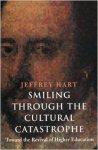 Although the essential books of Western civilization are no longer central in our courses or in our thoughts, they retain their ability to energize us intellectually, says Jeffrey Hart in this powerful book. He now presents a guide to some of these literary works, tracing the main currents of Western culture for all who wish to unerstand the roots of their civilization and the basis for its achievements.
Hart focuses on the productive tension between the classical and biblical strains in our civilization – between a life based on cognition and one based on faith and piety. He begins with the Iliad and Exodus, linking Achilles and Moses as Bronze Age heroic figures. Closely analyzing texts and illumiating them in unexpected ways, he moves on to Socrates and Jesus, who “internatlized the heroic”, continues with Paul and Augustine and their Christian synthesis, addresses Dante, Shakespeare (Hamlet), Molière, and Voltaire, and concludes with the novel as represented by Crime and Punishment and The Great Gatsby. Hart maintains that the dialectical tensions suggested by this survey account for the restlessness and singular achievements of the West and that the essential books can provide the substance and energy currently missed by both students and educated readers.
Blurbs:
“Jeffrey Hart’s book does exactly what his title suggests. It permits us to smile through catastrophe, by reminding us of the insights and buoyancy which are our proud and redemptive patrimony.” William F. Buckley, Jr
“A practiced interpreter of the classics, literary and philosophical, Jeffrey Hart has set down in short compass some of the clear-cut ideas and images that teaching the great books has awakened in his mind. The result is both an original kind of aid to studets and a source of pleasure and reflection to the mature reader.” Jacques Barzun
“In this book Jeffrey Hart locates the energies that have produced Western civilization in the apparently opposed forces of the search for knowing (Athens) and the desire for holiness (Jerusalem) and studies the fabric woven in these strands from the Iliad and the Odyssey to the modern novel. Along the way there are many shocks of recognition, as he brings fresh views to texts we all know or think we know.” Robert Hollander, Princeton University
“This excellent book has the same ambitiousness of scope as Harold Bloom’s The Western Canon, the same passionate concern for and love of literature, and the same ability to illuminate familiar works with flashes of brilliant insight. Hart’s broad perspective on Western literature gives his book a richness and depth seldom seen in literary criticism these days.” Paul Cantor, University of Virginia
About the Author:
Jeffrey Hart is professor of English emeritus at Dartmouth College. The author of many books, he is also senior editor for the National Review.

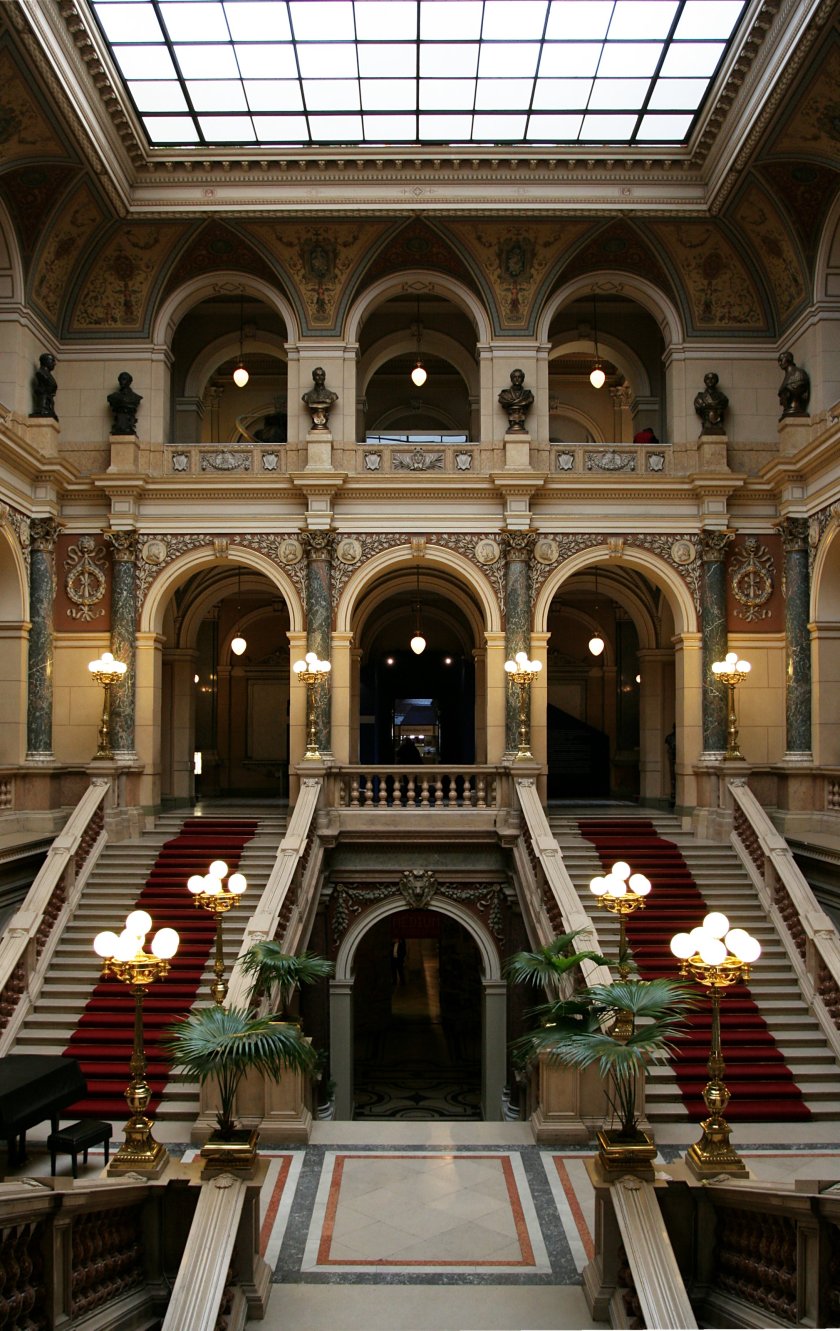
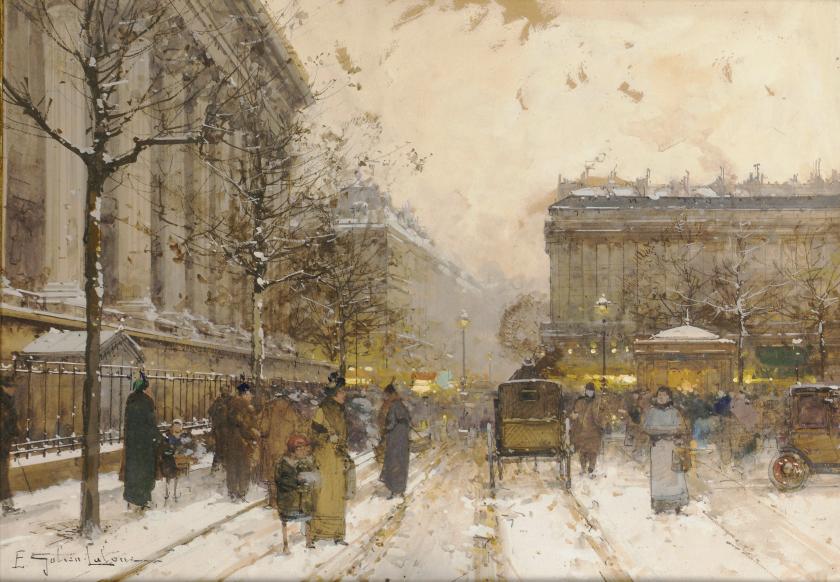

 Son nom évoque la norme bourgeoise de l’appartement parisien si prisé des agents immobiliers. Mais l’oeuvre d’Haussmann est autrement plus vaste. Durant dix-sept années d’un gigantesque chantier, le préfet de la Seine a fait de Paris la capitale la plus moderne de son temps, traçant la perspective des avenues, aménageant les espaces verts, organisant la distribution de l’eau et du gaz, créant les égouts. Rien, pourtant, ne semblait prédestiner ce petit-fils d’immigrés allemands et luthériens, engagé dans une morne carrière administrative, à se lancer dans pareille entreprise. Rien, sinon son exceptionnelle puissance de travail, sa curiosité très moderne pour l’industrie, et… la rencontre inespérée de Louis Napoléon Bonaparte un beau matin de janvier 1849. De ce jour Haussmann saura être la parfaite incarnation du mythe bien français de l’homme providentiel accouché par l’Histoire. Et rarement l’histoire de la France aura été plus magistrale que sous le Second Empire. Symbole de ce régime tant décrié et qui fut cependant le premier à prendre acte de l’importance de l’économie, Haussmann fut aussi un viveur, amateur de bons vins et de jeunes femmes, organisant les plus fastueuses des fêtes impériales. Si l’homme est controversé, son oeuvre nous parle toujours. “Les hommes ne sont grands, disait Napoléon, que par les monuments qu’ils nous laissent.” Haussmann nous a légué le visage actuel de Paris, qui peut encore prétendre au titre de plus belle ville du monde.
 Olle Bengtsson