
Category: Idealism
Idealism and the Renewal of Humanistic Philosophy, 1
In several publications and conference presentations I have tried to point to the historical connection of modern idealism with the dominant, radical strand in what is today often called the esoteric tradition of the West, which accounts for some of the distinctive features of this idealism as a worldview in the broad perspective of intellectual history.
I have, in very modest format, sought to indicate how it contributes especially to our understanding of some of what can be seen as problematic aspects primarily of so-called absolute idealism in its main versions. Pointing, with reference to the analyses of a number of well-known historians and philosophers, to a deep cultural dynamic in the modern West, comprising both rationalism and romanticism and decisively albeit often covertly inspired by the esoteric tradition, a dynamic which I have described as a “pantheistic revolution”, I have suggested that there is a need for a counterbalancing reconnection, in certain respects, of the partial truths of modern idealism to certain elements, distinctions, and priorities, not least the ethical ones, of the “traditional”, classical (or classicist) and Christian worldview synthesis, without the Christian element entailing any commitment with regard to the dogma or indeed much of the general worldview of exoteric orthodoxy, of which it is rather idealism, broadly conceived, that is the corrective. We need, I have felt, to go deeper than the currently common analyses of the Enlightenment Project, and I have thought that the notion of the pantheistic revolution might serve that need.
Without any moorings in the insights of such traditionalism, it has seemed to me, idealism, as a part and an expression exclusively of the dynamic of the pantheistic revolution, has often indirectly contributed to or become part of some problematic cultural and political manifestations of this revolution in the nineteenth and twentieth centuries.
I have also briefly pointed to the distinctive features of British and American nineteenth-century idealism which are due to its specific moral and cultural contexts, and which made possible more promising developments. In particular, I have stressed what could be argued is the importance of the alternative form of idealism, prominent not least in Britain and America, the personal idealism of Andrew Seth Pringle-Pattison and Borden Parker Bowne, which is in some respects more closely related to these cultural characteristics, although they too draw on the shared continental European legacy of German idealism. Through its focus on the category of the person, this form of idealism – which, incidentally, is also that of the earlier Swedish school of personal idealism – avoids some of the problems of the standard absolute idealist nexus of epistemology and metaphysics, and for this reason dovetails more readily with the non-pantheist truths that I have had in mind.
The reasons why some criticism of what could be called impersonalistic idealism is needed I have stated elsewhere, and they will not be my main focus now. Here, I want rather to point to some of what I consider to be true in modern idealism in general, including absolute idealism. Since it seems to me that this must be disentangled from the pantheistic revolution, the present defence of idealism differs from the standard neo-idealist or semi-idealist defences of a Croce, a Collingwood or an Oakeshott, which, despite their own form of traditionalism, seem to me still in too many respects to be parts of that revolution, and to share some of its pervasive characteristics.
What is true in idealism in general must be defended since, when the problematization that seems necessary to me has been carried out and the needed modifications accepted, it is still as far as I can see by far the most important current of modern thought, and yet still so poorly understood in contemporary philosophy.
Not only would a simple, unhistorical traditionalist return miss its valuable contributions; tradition itself can hardly be wholly unhistorical and static; elements of creativity are not only always needed for its vitality and flourishing, but part of its essence, properly understood. This general truth is applicable to philosophy in the sense that some of the new insights of modern idealism into the nature of subjectivity, reason, and history are not only in tension with but also to a considerable extent synthesizable with some general truths of the pre-pantheistic tradition, in a way that is not always perceived by the leading representatives today of more rigorous traditional thought in this sense, or indeed by an attenuated twentieth-century idealist like Oakeshott in his own definition of a living, historical tradition. The creative traditionalism I feel should be defended is different from Oakeshott’s, and indeed Gadamer’s, and not only in that it is the one which allows me to integrate the partial truths of their thought. Again, it is especially idealism as represented by its personalist version which is thus synthesizable.
What I will have to say here about the truths of idealism, on a very general level which I hope is nevertheless sufficient for my limited purpose, will, however, be in terms of, in the context of, and as a contribution to the renewal of what could conveniently be called humanistic philosophy. For this designation to be convenient, however, it will have to be defined, and I will next try to provide such a definition to the extent that it is needed.
Plato
Idealism as Alternative Modernity, 1
I plan to post my presentation at the Empire of Idealism conference in Prato, Italy, last year.
When I submitted the following abstract, I didn’t know the presenters had only twenty minutes at their disposal:
“In this presentation I will develop further the general exploration and assessment of modern idealism in my paper at the International Conference on Anglo-American Idealism at Pyrgos, Greece in 2003 and my paper at the Idealism Today conference at Oxford in 2005. The former pointed to some problems with the modern cultural dynamic underlying idealistic philosophy, while the latter was a defence of the needed truths of idealism properly conceived. Now I will deepen the analysis of the relation between the problematic cultural dynamic and the needed truths. In order to do this, I will go back to and discuss some aspects of the German sources of the late nineteenth- and early twentieth-century British empire of idealism, some significant differences between German and British (or Anglo-American) idealism (to some extent idealism in other countries will also be mentioned), and the related differences between the ways in which German and British idealism were criticized and rejected in the course of the twentieth century. I will argue that if a firm grasp of the problems with what I call the ‘pantheistic revolution’ can be achieved, a grasp that makes possible due discernment and selectivity in the reappropriation and continuation of idealistic thought, idealism, far from being a phenomenon of merely historical interest, can be conceived and reformulated as the most important current of modern thought, with a message of lasting and indeed increased relevance. I will restate the claim I have made in other publications and presentations – but only briefly in the mentioned papers – that in particular in the form of so-called ‘personal idealism’, idealism can even be seen to represent central elements of a needed alternative conception of modernity itself. But in line with the broader focus of the Greece and Oxford papers, I will also try to determine to what extent or in what respects that claim can be made for idealism in general, including so-called ‘absolute idealism’.”
It was, needless to say, impossible to do what I thus intended in twenty minutes. Although the abstract was printed in the programme, I could do no more than indicate in the broadest outline what I mean by idealism as alternative modernity. Which, in itself, was of course fine: at some conferences, merely saying something general about ourselves and signalling our present scholarly projects and interests without introducing the full, detailed and complex arguments, and simply being present for each other and available for questions, discussions, and other exchange, is quite sufficiently meaningful.
Instead of doing what I described in the abstract, I made a more personal presentation with only some rather informal and only very general remarks on the subject. For this reason, I also did not send the paper to the organizers when they later contacted the presenters about publication (there were other good presentations though, so I very much hope their work with the publication is going well). Instead, I will, shortly, publish it here in two parts.
Alf Ahlberg
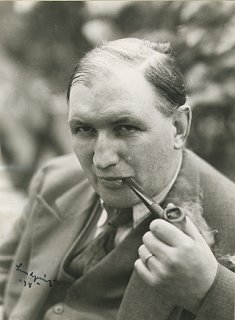
Alf Ahlberg (1892-1979) är mest känd för sin gärning som historiskt djupt förankrad, frihetligt demokratisk folkbildare vid Brunnsviks folkhögskola. Och för det framgångsrika, i stor utsträckning essäistiska författarskap i vilket han förmedlade sin åskådning och sina värderingar till en bred läsande allmänhet, sitt vältaliga försvar i många olika sammanhang för det klassiska bildningsarvet och humanismen i viss relativt noga bestämd mening, sitt distinkta urskiljande av denna humanisms historiska linje i västerlandet, sina introduktioner till filosofins historia och enskilda filosofer, sin kritik av den moderna totalitarismen, sin inte minst psykologiska analys av den moderna propagandan och dess effekter, och i någon mån kanske också sina många översättningar.
Men Ahlbergs något “smalare” filosofiska verk från hans tidiga period i Lund – där han var Hans Larssons favoritstudent – förtjänar i lika hög grad uppmärksamhet. Ahlberg ger i dem en tydlig och karaktäristisk, av traditionen från Geijer och Boström direkt och explicit influerad personlighetsfilosofisk turnyr av Windelbands och Rickerts samtida värdefilosofiska nykantianism (den s.k. Badenskolans), som i flera avseenden är av bestående värde och intresse. Det är de ståndpunkter han här artikulerade som ligger till grund för hans senare, bättre kända författarskap och allmänna kulturella gärning, och för den som är förtrogen med dessa ståndpunkter är de där ofta lätt igenkännbara. Inte minst genom Ahlberg kom den svenska personlighetsfilosofin på detta sätt att i viss utsträckning forma en central bildningslinje också i nittonhundratalets svenska kultur.
Liksom på sitt sätt John Landquist och tidigare Vitalis Norström förnyade och varierade Ahlberg den personlighetsfilosofiska traditionen. Visserligen förlorades några centrala dimensioner av denna, men den distinkta åskådnings- och värdemässiga profilen måste ändå hos alla dessa, och inte minst Ahlberg, i stor utsträckning sägas ha bevarats och vidareförts inom den delvis nya epistemologiska och metafysiska ramen.
Filosofiskt är det möjligt att gå djupare, och för att göra det måste man snarare gå tillbaka till eller i alla fall gå via den mer konsekventa och fullgångna typ av filosofisk idealism som senboströmianerna och andra vid samma tid fortfarande åtminstone försökte försvara. Idag kan vi, insisterar jag, lättare än dessa se de vida perspektiv denna typ av filosofi öppnar – inte bara genom tydligare historiska linjer bakåt i den västerländska filosofihistorien, utan också genom ny tillgång till komparativa studier och fördjupad introduktion inte minst av den vedantistiska traditionen.
Även omfattande ny forskning om artonhundratalsidealismen – och inte bara den tidiga tyska – har bidragit till en långt bättre kännedom om vad som länge lättvindigt avfärdades med hjälp av enkla karikatyrer, och filosofer har åter försvarat, nyformulerat och vidareutvecklat idealismens ståndpunkter. Allt detta underlättar förståelsen, historiskt och filosofiskt, av vad det i själva verket handlade om.
Denna idealism var, i dess svenska variant, den tradition i vilken Ahlberg formades. Den nödvändighet av personlighetsfilosofins nykantianska och övriga modifikationer som han med Landquist och Norström var övertygad om framstår idag i flera centrala avseenden som mindre självklar. Ändå har vi också hos Ahlberg på många punkter att göra med insikter som några av de bästa filosoferna idag, efter de olika pragmatiska, analytiska, fenomenologiska, existentialistiska, kritisk-teoretiska, strukturalistiska och i vid mening postmodernistiska och postmarxistiska riktningarnas långa dominans och därmed den beklagliga historiska diskontinuiteten, ibland förefaller s.a.s. kämpa onödigt hårt för att återfinna, återupptäcka, nyformulera. Ahlberg inte bara kvarhåller insikter från den äldre traditionen, utan omformar också de distinkta bidragen från sin egen tids främst tyska tänkande på ett sätt som åtminstone delvis böjer dem till harmoni med dessa insikter, ja möjliggör nya distinkta, i sig värdefulla uttryck för dem.
Jag har tidigare här i bloggen postat kortare texter om svenska personlighetsidealister hämtade från första upplagan av det av Ahlberg redigerade Filosofiskt lexikon (1925).
New Article
 My ‘Second Reply to Phillip Ferreira’ is now available in the new issue of the philosophical journal The Pluralist. It is a reply to Ferreira’s article ‘On the Imperviousness of Persons: A Reply to Jan Olof Bengtsson’ in the same issue, which, in turn, is a reply to my ‘Reply to Phillip Ferreira’ in the issue of The Pluralist devoted to my book The Worldview of Personalism, a reply to Ferreira’s essay on the book, ‘Absolute and Personal Idealism’, in that issue. In other words, this is a long and ongoing discussion. Shorter versions of both of Ferreira’s articles have also been presented as papers at conferences which I too have attended and where I have commented briefly on them.
New Article
My article ‘The Challenge of Impersonalism: A Reformulation’ is now available in Appraisal, the journal of the Society for Post-Critical and Personalist Studies.
The society “aims to promote interest in, and further application of, the work of Michael Polanyi and similar thinkers”.
The journal is edited by Richard Allen, who is best known for After Liberalism: The Political Thought of F. A. Hayek and Michael Polanyi (1998), a formidable critical study of liberalism, but is also the author of Transcendence and Immanence in the Philosophy of Michael Polanyi and Christian Theism, The Structure of Value, and, most recently, The Necessity of God, a restatement of the ontological argument. Allen is also the organizer of SPCPS’s excellent annual conference at the University of Nottingham.
Carl Yngve Sahlin
 Sahlin, Carl Yngve, svensk filosof, f. 1824, fil. dr i Uppsala 1851, docent 1853 därstädes, 1862 prof. i teor. filosofi i Lund och följande år i praktisk filosofi i Uppsala (efter Boström). Sistnämnda professur innehade S. till 1894; död 1917. S. är lärjunge av Boström, men har i en mångfald avhandlingar, huvudsakligen berörande etik, rätts- och samhällsfilosofi, sökt att självständigt och kritiskt utforma dennes läror. Därvid har han stått i en intim kontakt med och mottagit intryck från modern tysk filosofi, särskilt nykantianismen. S. torde mer än någon annan svensk tänkare ha bidragit till boströmianismens utveckling och modifikation och har utövat ett ofantligt inflytande på svensk filosofi. Norström, Burman, Liljeqvist, m. fl. ha varit hans lärjungar. Hans skrifter utgöras till största delen av en serie avhandlingar, publicerade i Uppsala universitets årsskrift. Bland dessa märkas: Om villkoren för möjligheten av praktisk filosofi (1855), Om grundformerna i etiken (1869), Om ministrarna i den konstitutionella monarkien (1877), Om grundformerna i logiken (1884), Om personlig storhet (1884), Om brytningspunkten i vår tids filosofi (1888), Om världens relativitet (1889). Även i serien ‘Smärre skrifter utgivna av Boströmsförbundet’ har S. medverkat med arbeten, såsom Om Christopher Jacob Boström (1909), Överensstämmer Platons sedelära med kristendomens? (1910).
Alf Ahlberg, Filosofiskt lexikon (1925)
Frithjof Schuon
Samuel Grubbe
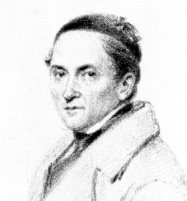
Grubbe, Samuel, svensk filosof, f. 1786 i Seglora, Älvsborgs län, stud. i Uppsala 1802, fil. mag. därstädes 1806, samma år docent i teor. filosofi. Professor i Uppsala i logik och metafysik 1813 (såsom Höijers efterträdare) och 1827 i etik och politik (efter Bibergs död). 1840-42 chef för ecklesiastikdepartementet, från 1844 till sin död 1853 emeritus.
G:s filosofi är ett viktigt led i den svenska personlighetsfilosofi, som nådde sin höjdpunkt med Boström. Ursprungligen anhängare av den schellingska panteismen, närmade han sig alltmer, särskilt under inflytande av Jacobi, ett teistiskt betraktelsesätt. Med Kant delar han den åsikten, att den moraliska förpliktelsens helighet fordrar ett gudomligt väsen, som röjer sin närvaro i människans sedliga vilja. Men i likhet med Biberg bringar han sedligheten i ett långt intimare förhållande till religionen än Kant. Gud måste tänkas som person, och G. söker visa, att denna hans egenskap av personlighet icke står i strid med hans oändlighet. Då det gudomliga urväsendet av det sedliga medvetandet måste fattas som moralisk intelligens, så innebär detta, att det tänkes som självmedvetande, “ty självmedvetandet är just det, som utgör den allmänna grundkaraktären av en intelligens, och alla de speciella yttringar av medvetande, vilka i en intelligens möjligtvis kunna förekomma, vila ytterst på det rena självmedvetandet såsom sin gemensamma grundval.” Men detta självmedvetande får icke fattas i analogi med det mänskliga. Det kan icke falla i tidens form och icke utveckla sig i motsats till de yttre objekten, då det ju skulle vara begränsat. “Det allmänna begreppet om ett självmedvetande innebär intet annat än begreppet om ett varande för sig själv, eller, som vi även kunna kalla det, en affirmation av sig själv. Detta innebär väl en duplicitet, men icke en sådan, som innehåller en följd av tidsmoment, emedan det just hör till dess väsen, att det skådande och det åskådade skola vara till på en och samma gång. Vi erhålla således idéen om ett absolut självmedvetande, eller en absolut självåskådning eller självaffirmation, om vi från det i vår inre erfarenhet givna begreppet om det rena självmedvetandet, som utgör den allmänna grundvalen för hela vårt medvetande, avsöndra såväl begreppet om en existens i tiden och en utveckling genom på varandra följande tidsmoment som begrepet om dess subjektivitet eller dess motsättning mot yttre objekt. Vi få då ett icke mer ändligt och subjektivt utan oändligt och absolut självmedvetande.” F. ö. medger G., att vi icke i egentlig mening kunna fatta det absoluta väsendet och att “alla dessa begrepp om dess så kallade egenskaper blott äro bildade efter en ganska ofullkomlig analogi med den ändliga intelligensens egenskaper”. “Vi kunna i avseende på begreppet om urväsendet som urrealitet väl inse, att vi nödvändigt därifrån måste avsöndra begreppet om en existens i tiden och rummet. Men vi måste tillika erkänna, att ett sådant evigt varande är för oss ofattligt och obegripligt, emedan all existens, vilken vi genom erfarenheten känna, av oss uppfattas såsom varande antingen både i rummet och i tiden eller åtminstone såsom varande i tiden. Ävenså kunna vi väl inse, att, såvida det absoluta urväsendet skall utgöra grunden till den i vårt medvetande givna idén om det sedliga och goda, så måste det fattas som en helig gudomlig vilja och således icke som en blind och medvetslös urkraft, utan som ett levande intelligent väsende, ävensom vi kunna inse, att såvida denna intelligens skall vara oändlig och absolut, så måste dess hela medvetande tänkas såsom en enda evig akt av självåskådning, utan all åtskillnad av medvetandets särskilda funktioner och utan all succession av särskilda moment. Men huru nödvändigt detta begrepp är för oss, måste vi tillika erkänna, att det innehåller något för oss obegripligt och outforskligt, emedan varje intelligens, som vi egentligen eller genom vår erfarenhet känna, visar sig för oss såsom ett i tiden varande väsende, vars medvetande utvecklar sig genom särskilda funktioner av förstånd, vilja o.s.v. och i särskilda i tiden på varandra följande moment.” Av det absolutas tidlöshet drar G. den slutsatsen, att det relativa och ändliga, vars grund det är, icke kan tänkas ha uppkommit genom någon akt i tiden, alltså icke genom någon skapelse. De ändliga intelligenserna måste därför fattas som eviga idéer i Gud. Att de ändliga intelligenserna uppfatta sig själva såsom fallande inom rummets och tidens former, beror på ett med deras ändlighet förknippat, begränsat föreställningssätt. G. upptar och tillgodogör sig sålunda Kants lära om rum och tid såsom aprioriska kunskapsformer, som tillkomma fenomenet men icke tinget i sig. Därav följer även, att vi icke äro berättigade att tillägga den sinnliga verkligheten i rum och tid någon objektiv existens oberoende av vårt medvetande. Den sinnliga verkligheten är i själva verket blott ett fenomen av den osinnliga, beroende på vår kunskapsförmågas begränsning – en lära, som senare ytterligare utformades av Boström. Människans uppgift som sedligt viljande och handlande är att i sinnevärlden förverkliga sitt väsen såsom evig idé i Gud. “Människan bör betrakta sig i hela sitt praktiska liv, i alla funktioner av vilja och i all av dem föranledd yttre verksamhet endast såsom ett organ, ett redskap för den heliga, gudomliga viljans utförande.” Detta är sedelärans högsta princip. Denna innebär full autonomi, ty människan står icke i något yttre förhållande till Gud utan är immanent i honom.
I sin samhällslära vänder sig G. mot naturrättens uppfattning av samhället såsom en institution för att trygga den allmänna rättssäkerheten. Detta är blott dess negativa uppgift, medan dess positiva ligger i attt vara en sedlig makt till främjande av folkens uppfostran och utveckling.
Som filosofisk stilist hör G. till de bästa, som den svenska filosofien har att uppvisa. Leopold yttrar om honom: “Då jag övergår från vissa av de arbeten, som man i våra dagar behagar kalla filosofi, till någon av Grubbes skrifter, förekommer det mig, som hade jag från en sumpig nejd, omgiven av dimma och lyktgubbar, kommit upp på en höjd, där jag andas fritt och klart ser föremålen.” Bland av honom själv utgivna skrifter må nämnas: Om förhållandet mellan religion och moralitet (1812), Översikt av filosofiens närvarande tillstånd (1821), Filosofisk rätts- och samhällslära (1839). En stor del av hans efterlämnade föreläsningsmanuskript ha utgivits av A. Nyblaeus och R. Geijer. Dessa omfatta Fenomenologi, Ontologi, Sedelära samt Den praktiska filosofiens historia.
Alf Ahlberg, Filosofiskt lexikon (1925)
 Olle Bengtsson