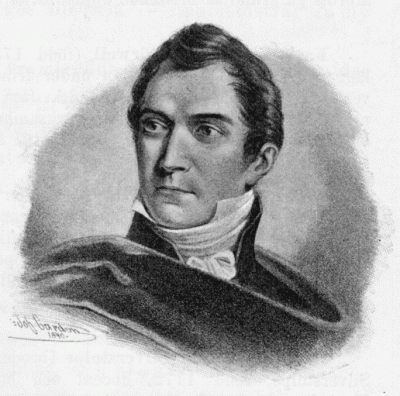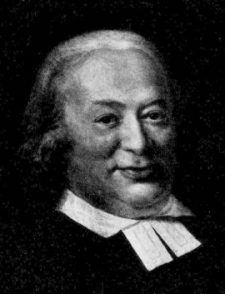
Cusanus

Nicolaus Cusanus är en av centralgestalterna i Ernst Cassirers verk om renässansen, Individuum und Kosmos in der Philosophie der Renaissance från 1927. [Om Cassirers betydelse för bilden av renässansen, se William Kerrigan och Gordon Braden, The Idea of the Renaissance (1989).] För Cusanus individualitetsuppfattning hänvisar jag här till detta verk, för att istället koncentrera mig på Cusanus’ subjektivitetstematik, som, självfallet centralt också för Cassirer, väl dock uppmärksammats i högre grad av senare filosofihistoriker.

Den förefaller också mer originell och historiskt betydelsefull. Dupré anser helt enkelt att Cusanus med renässansens övriga nyplatoniker kvardröjer i vad jag kallat den äldre generalismen, som han dock något förenklat identifierar med den nyplatonska traditionen. [Passage to Modernity (1993), 39.] Detta motsvarar också vad jag minns från övriga framställningar. Men som vi sett finns redan tidigare, redan i  nyplatonismen, den moderna subjektivitetstematiken i några avseenden föregripen, och i och genom dem dessutom ibland en subtil övergång till en ny individualitetsförståelse, även om subjektivitetstematiken förblir överordnad individualitetstematiken.

Med vissa karakäristiska förändringar och modifikationer tar Cusanus på vad som sägs vara ett självständigt sätt upp denna subjektivitetstematik, och bildar därmed en av övergångarna till det moderna utvecklandet av den antika ansatsen. Väsentliga verk som uppmärksammar denna tematik är Werner Beierwaltes’ Visio absoluta: Reflexion als Grundzug des göttlichen Prinzips bei Nicolaus Cusanus (1978), Visio facialis – Sehen ins Angesicht: Zur Coincidenz des endlichen und unendlichen Blicks bei Cusanus (1988), och Rudolf Haubsts Das Schau Gottes nach Nikolaus von Kues (1989). Åtskilligt av det centrala i detta ämne avhandlas emellertid redan i Walter Schulz’ korta diskussion om Cusanus i Der Gott der neuzeitlichen Metaphysik (1957), som den följande framställningen huvudsakligen utgår från eftersom den förefaller tillräcklig för mina syften.

Schulz beskriver hur hos Cusanus återkommer samma Gudsbegrepp som hos Eckhart, den rena, ickesubstantiella, transontiska subjektivitet som så mycket betydelse fästs vid. Cusanus åberopar samma passage i De Anima rörande seendet och det sedda som Eckhart: såsom seendet förhåller sig till det sedda, så förhåller sig Gud till det varande. Dessutom upptar han en etymologisk spekulation rörande ordet θεός: det skulle komma av θεωρέω, att se på, att vya. Aristotelespassagen används därför av Cusanus inte längre blott som en analogi: Gud definieras nu direkt som visio eller videre – närmare bestämt som treenigheten av den seende, det sedda, och själva seendet, där dessa tre i en ursprunglig enhet, frambringande seendets helhetliga självsatta process, definieras endast genom varandra, på samma sätt som de relationella personerna i treenigheten.

“Skapelsen” är i själva verket denna process av seende såsom bildande, såsom framblickande av det varande som det sedda, av det sedda som bilder genom den seendet själv tillhöriga varaframbringande kraften (vis entificativa). Detta sker inte i enlighet med platonska idéer i Gud, utan genom en för oss obegriplig “explikation” av det synliga och sedda ur det i Gud som den ende enhetlige och seende urbildaren “implicita” osynliga. Varandet är den synligvordne osynlige urbildaren som, i processen av bildande, synligvardande övergår från övervara till vara. Den så explicerade, ömsesidigt beroende dualiteten mellan det seende och det sedda sammanhålles emellertid till en lika nödvändig enhet av den helhetliga process som är seendet, och som i lika hög grad som det ickevarande seende och det varandevordna sedda är Gud. [Der Gott der Neuzeitlichen Metaphysik, 15 ff.]

Vi ser här hur det nya på Gud tillämpade subjektivitetstänkandet leder till en uppfattning av Gud och världen som en nödvändig åtskillnad-i-enhet. Och vad vi därmed bevittnar är hur den nya subjektivitetsförståelsen frambringar ett slags monism eller panteism av nytt filosofiskt slag som inte kunde uppkomma innan denna förståelse utvecklats. Detta är kanske av stor historisk betydelse. De blir inom ramen för den här skisserade subjektivitetsförståelsen nödvändiga på ett sätt som och av skäl som inte tidigare varit aktuella.

Det innebär att också teismen omformas. Även tidigare hade naturligtvis platonsk-idealistiska kristna och även judar (Filon) tänkt Gud som helheten – och inte endast som den som genom en suverän viljeakt frambringar världen som principiellt åtskild och mot-satt – utan att man för den skull uppgav den teistiska uppfattningen om Gud som person. Den filosofiska och den exobibliska åskådningen hölls samman på sätt som icke i sig filosofiskt förklarades eller utlades. Med den cusanska ståndpunkten måste man på annat sätt och av annat skäl tänka Gud som i viss mening ett med världen. Men även med denna ståndpunkt var det – och redan hos Cusanus själv – möjligt att förena en variant av den personliga Gudsuppfattningen, en modifierad teism. Den nya subjektivitetsförståelsen häntydde ju i ett avseende i hög grad på just personskap – ett förhållande som tog form som ett paradoxalt inslag redan i Eckharts monism.

Men den bibliskt-bokstavliga teismen med dess genom skapelseläran förstådda lära om Guds och världens ontodualistiska förhållande var oförenlig med denna subjektsförståelse tillämpad på Gud, d.v.s. sådan den formulerades av Cusanus. Vad som kanske skulle kunna kallas en ny panvisionism eller visiomonism (i vilken det visioontologiska momentet är sekundärt och icke upphäver helhetens karaktär av “akt” snarare än entitet) blev här en ofrånkomlig filosofisk följd. Men just på grund av det mer eller mindre nyförstådda subjektivitetsmomentet lät sig också denna nya ståndpunkt, på annat och nytt sätt, beskrivas som teistisk.

Åtminstone sådant Cusanus förstår detta moment tycke emellertid en av den klassiska västerländska teologiska teismens mest fundamentala punkter uppges, nämligen Guds transcendens i betydelsen den helt självständiga och självtillräckliga, av världen och dess processer oberoende varon. Vi befinner oss därmed vid början av den stora, karaktäristiska tyska linjen i mystikens och esoidealismens tradition.

Denna transcendens uppgives redan med varakategorin, eller åtminstone med varakategorins primat. Gud som transontologisk och ontogenetisk visio eller videre, som intellectus, som θεωρέειν, måste definitionsmässigt vara både subjekt och objekt, måste vara både videns och visum. Objektet är världen, världen är det Guds essens som subjekt-objektivitet nödvändigt tillhöriga objektet, utgöra en del av den enhetliga process som sammanhåller subjektet och objektet och är helheten, videre.

Cusanus ståndpunkt har också en kunskapsteoretisk innebörd. “Människan” är en av urbilden bildad bild av urbilden själv, och i denna mening förvisso Guds avbild. Men hon skiljer sig från andra bilder genom att själv vara icke blott det bildade sedda, bildad bild, utan även – därvid icke upphävande ställningen som bild – bildande seende. Däri består här den verkliga Gudslikheten. Men hennes bildande kraft är inte Guds vis entificativa, förmågan att urbilda bilder, d.v.s. ontogenetiskt-primärt framblicka dem. “Människans” bildande kraft är istället en vis assimilativa, förmågan att jämförande bilda sekundära bilder – begreppsliga, matematiska – av de primära bildernas icke omedelbart uppenbara sammanhang, förhållanden, ordning. [Ibid. 18 f.] Det varande tenderar hos Cusanus att beskrivas som det blott i akten av dess förnimmande som det förnumna inbegripna och endast så existerande. Varakategorin uppges således icke som beskrivning av detta existensmodus, det förnumna är som sådant varandevordet.

Hos Cusanus kvarhålles också en tydlig distinktion mellan människans seende och bildande å ena sidan och Guds å den andra. “Människan” är alltså inte bara bild och sedd, utan också själv bildande och seende. I den enhet som är Gud, videre, finns inte bara en självsatt mångfald bestående av ett seende subjekt och en mångfald sedda objekt, utan också en mångfald av seende subjekt. Men dessa står inte på samma nivå. “Människan” frambringar inte vare sig sig själv som seende eller bilder som varande. Men hon är bildande och seende som bild och sedd, d.v.s. hon är t. o. m. som seende blott varande som sedd. Som seende ser hon nu också sig själv som del av den större helheten av seende, och därmed både ser hon själv Gud och ser hon sig själv som sedd av Gud. Och därmed ser hon också sig själv som seende Gud och Gud som sedd av sig själv (“människan”). Och hon frågar: är ditt seende av mig detsamma som det att du är sedd av mig? Mångfalden av seende subjekt visar sig som i det förenhetligade seendet förenade genom en nödvändig reciprocitet: att se är också att ses, videri, och det gäller inte bara människan som sedd av Gud, utan också Gud som sedd av människan. När Gud ser mig, är det därför att jag ser Gud, och vice versa; när Gud inte ser mig, är det därför att jag inte ser Gud, och vice versa.

Samtidigt säger Cusanus att “människan” bara kan se gud som själva seendet. När han talar om att se Gud, gör han det endast i formen av en bild, bilden av en bild av en person (på ett porträtt), som förefaller titta på oss när vi tittar på den. I själva verket kan hon aldrig se Gud som objekt. Cusanus skiljer mellan olika subjekt, men hur dessa förnimmer varandra förblir oklart i Schulz framställning. De skiljer sig endast i krafterna, och det underordnade subjektet förnimmer det överordnade endast genom att förstå sig som del av den större helhet som är själva subjektivitetens princip. Det skulle, tycks det, därför inte vara orimligt att säga att Cusanus snarast räknar med två skilda nivåer av en och samma subjektivitet. I dessa svårigheter ser vi hursomhelst hur den nya subjektivitetsförståelsen, samtidigt som den inte kan vara en impersonalism utan tvärtom föregriper aspekter av den explicit personalistiska moderna idealistiska subjektsfilosofin, dock ännu är långtifrån denna mer fullständigt utvecklade personalism.

Frågan om subjektskategorins förhållande till personkategorin skulle ännu länge förbli oklar. En filosofi som endast laborerar med den rena, formella, i sig “tomma” subjektiviteten kan väl emellertid vara en personalism av reciprocitetstyp. För den rena subjektiviteten, även om den på något sätt kan tänkas som uppdelad i flera självständiga subjektiva enheter (och det kan den förvisso uppenbarligen både hos Cusanus och Descartes och Kant, även om det väl i ingetdera fallet närmare förklaras hur det går till), kan endast förnimma det ickesubjektiva, det objektiva som motsatt det subjektiva. En subjektiv enhet som är rent formell och tom kan inte förnimma ett annan sådan som sådan.

I den mån denna typ av filosofi ändå vill vara en personalism i betydelsen tilläggande personskapet en självständig innehållslig unicitet, eller rentav i reciprocitetsbetydelse (och det vill den uppenbarligen redan i viss mån, avant la lettre, hos Cusanus), nödgas den därför tänka något utöver den rena subjektiviteten som konstituerande respektive subjektivitetsenhet som förnummen, eftersom endast detta andra kan av andra subjekt förnimmas. Den måste med andra ord för ernående av den personalitet som allena kan inträda i reciprocitetsförhållandets nödvändiga ömseförnummenhet, som allena tillåter den ena subjektiva enheten att bli till, inte ett objekt i vanlig mening, men ett förnummet subjekt för den andra, till den rena subjektiviteten hos respektive enhet lägga bestämningar av innehållsligt, icke-subjektivt eller i den angivna meningen subjektivt slag. Men samtidigt måste för Cusanus’ och liknande ståndpunkter dessa bestämningar endast föreligga som förnummenheter, d.v.s. i sak medvetandeinnehåll, för subjekten.

Fastän åtskillnaden i vad gäller krafter är klar, förblir Gud för Cusanus alltså lika nödvändigt förbunden med “människan” som “människan” med Gud – genom seendets eget väsen, det seende som är helheten, Gud själv som helhet. Schulz kommenterar: “Gott wird in die Bewegung des Menschen einbezogen, aber…er wird in dieser Bewegung nicht aufgehoben, sondern bleibt deren unaufhebbarer Wesensgrund.” [Ibid. 19 f.] Cusanus ståndpunkt är, kunde man också säga, både ett slags teism och ett slags panteism, eller en ståndpunkt som endast låter sig beskrivas som en nödvändig förening av detta slags teism och detta slags panteism. [Den här viktigaste skriften av Cusanus är De visione Dei, vars titel utrycker både genitivus subiectivus och genitivus obiectivus.] Schulz vill framhålla hur Cusanus med sin subjektivitetsfilosofi – med dess nya sanningar såväl som med dess svårigheter – föregriper det väsentliga i hela den nya tidens metafysisk-filosofiska tematik.

Cusanus utvecklar också läran om verkligheten som harmoniskt system genom sina utläggningar om coincidentia oppositorum i det oändliga väsendet och om helheten som ett system av enhet i åtskillnad eller mångfald, liksom i sin lära att varje individuellt ting (endast sådana existerar nu) på sitt eget unika sätt avspeglar helheten. Detta gäller även människan såsom mikrokosmos. Och denna unicitetsförståelse, denna uppfattning av en pluralitet av unika enheter, ger alltså i förening med subjektivitetsförståelsen upphov till centrala frågor. Vad skiljer de subjektiva individuella enheterna från varandra? Om subjektiviteten alltid är ickesubstantiell och ickevarande, tycks det endast kunna vara det förnumna/avspeglade eller perspektivet, syn-punkten. Uniciteten kan i båda fallen endast uppnås genom ett utifrån kommande innehåll, inte ett subjektet självt tillkommande, med subjektet självt som subjektivt väsen givet.

Men om “människan” som individuellt subjekt samtidigt är en bildad avbild, har hon då inte även som subjekt förlänats varastatus? I så fall kanske det även är något till vart och ett åtskilt substantiellt subjekt självt hörande egenskapsmässigt särdrag som förlänar det unicitet? Och vari består Guds unicitet? Gud kan knappast tänkas förläna sig själv som rent subjekt varastatus som bild, fastän de explicerade bilderna sägs rymmas implicit i Gud som urbild och urbildare och fastän han som rent subjekt äger själva den varaskapande kraften. Här måste finnas ursprungliga bestämningar, och Guds unicitet borde i detta system bara kunna vara helhetens.

Men Cusanus vill inte förstå helheten som totalitetens konkreta bestämdhet, d.v.s. Gud som ej blott subjekt utan också objekt/bild/varande, och de bildade subjekten (alternativt den lägre subjektivitetsnivån), och den förenande helhetliga processen av seende. Den gudda oändliga helheten, av Cusanus benämnd maximum absolutum, sägs, trots att även den måste sägas vara individuell och unik, inte äga konkreta bestämningar. Dessa hör i stället endast till universum, utvecklingen av den gudda enheten, maximum concretum. Det kan därför förefalla som som Guds unicitet skulle bestå i att endast Gud som subjekt äger det totala perspektivet, d.v.s. uniciteten måste, återigen, bero endast av förnummenheterna.

Hur kan maximum absolutum vara något annat än maximum concretum? Hur gör Guds rena subjektivitet att maximum absolutum, förstått som den oändliga helheten, saknar bestämningar? Det går inte att förstå. Eftersom maximum concretum utgör Guds rena subjektivitets förnummenheter, måste ju totaliteten äga åtminstone just dessa som bestämningar, om än förnumna på ett annat sätt av Gud än av den lägre nivåns subjekt (“människan”).

Men en ny spekulativ sammansmältning av teistiska och panteistiska temata har Cusanus likafullt åstadkommit, som, med Drews ord, vid medeltidens slut utgör en symmetrisk motpol till Scotus Eriugenas motsvarande syntes vid dess början. [Die deutsche Spekulation seit Kant mit besonderer Rücksicht auf das Wesen des Absoluten und die Persönlichkeit Gottes (2:a uppl. 1895), I, 36.]

Idealism under medeltiden

Pseudo-Dionysios var av stor betydelse för den platonismens fortlevnad i dess mest esoteriska form under medeltiden, och genom distinktionen mellan apofaticism och katafaticism som är viktig både för den mer allmänna idealismtematiken här och i viss mån, som jag framhållit på annat håll, för personalismen. Ett nyare verk med filosofisk tonvikt är här Eric D. Perls Theophany: The Neoplatonic Philosophy of Dionysius the Areopagite från 2007.

Ytterligare en tänkare som representerar en från den teologiska ortodoxin i hög grad självständig form av idealism är Scotus Eriugena. Det finns ett grundligt arbete av Dermot Moran, The Philosophy of John Scottus Eriugena: A Study of Idealism in the Middle Ages från 1989, som inte bara såvitt jag förstår mer exakt än tidigare går igenom hans förbindelser med den klassiska idealismen, utan även och framför allt visar hur han föregriper den moderna subjektstematiken och även andra aspekter av den mer specifikt moderna idealismen på ett sätt som är relevant även för en del av det jag tog upp i samband med mysticismen.

Vi har betonat idealismens fortlevnad, men också hur den förändrades i den syntes med de bibliska lärorna som kom att bli den kristna teologin (i den judiska fortsatte denna utveckling i mindre utsträckning, eftersom man i den framväxande rabbinska och talmudistiska huvudriktningen snart vände sig mot den filonska, alexandrinska syntes och allmänna hellenisering som under den första delen av den romerska kejsartiden var på god väg att universalisera även judendomen.

Mycket viktig är förstås under medeltiden också idealismens fortsättning i alla dess huvudformer inom islam, där förutsättningarna för dess kontinuitet länge var betydligt bättre än i västerlandet. Detsamma gäller om mystikens utveckling.

Daniel Boëthius

BoëthiusBoëthius, Daniel, svensk filosof, f. 1751 i Västerås, student 1765 i Uppsala och 1773 fil. magister därstädes, 1775 docent i teor. filosofi och från 1783 till sin död 1810 professor i praktisk filosofi.
B. omfattade ursprungligen Lockes filosofi men blev efter bekantskapen med Kants kritiska arbeten dennes ivrige anhängare. Någon slavisk eftersägare var han likväl ej utan sökte – delvis under inflytande från Fichte – utbilda kantianismen i självständig riktning. Sin största betydelse äger han därigenom, att han först gjort Kants läror bekanta i Sverige och därmed verksamt influerat främst på Höijer men även på Grubbe och Biberg. I likhet med dessa bör han alltså räknas till dem, som utbildat den svenska personlighetsfilosofien.

B:s egna undersökningar äro huvudsakligen riktade på den praktiska filosofiens grundproblem. Även här utgick han från Kant men sökte i likhet med Fichte bringa den praktiska filosofien i närmare gemenskap med den teoretiska än Kant. Medan för Kant religionen är helt och hållet grundad på sedligheten, söker B. påvisa, att det tvärtom är denna, som måste grundas på religionen, i det att den sedliga viljan måste tänkas som det gudomligas inneboende i människan. I dessa tankegångar framträder han som föregångare till Biberg, Grubbe och Boström.

Bland B:s utgivna skrifter märkas: Utkast till föreläsningar i den naturliga sedeläran (1782), Om den filosofiska undervisningens ordnande (1794), Om moralitetens grund (en replik till Leopold med anledning av dennes kritik av den kantska etiken), Anvisning till sedeläran såsom vetenskap (1807).

B. översatte även Kants ‘Grundlegung zur Metaphysik der Sitten’ till svenska.

Alf Ahlberg i Filosofiskt lexikon (1925)

Richard M. Weaver: Visions of Order

The Cultural Crisis of Our Time

ISI Books, 1995 (1964)     Amazon.com

Book Description:

This classic work by the author of Ideas Have Consequences boldly examines the intellectual roots of our current cultural crisis.
JOB’s Comment:
The too exclusive focus on Ideas Have Consequences does not, in my view, do full justice to this conservative and classical idealist thinker. There is a significant development in his work, both with regard to his general philosophy and his view of rhetoric, and the resulting revised positions can be clearly seen in Visions of Order. In some respects, this book can be defended as containing deepened and more nuanced insight. Platonism has been supplemented and modified by an element of historicism.

Charles Taliaferro: Consciousness and the Mind of God

Cambridge University Press, 2005 (1994)     Amazon.com

Book Description:

Contemporary materialist accounts of consciousness and subjectivity challenge how we think of ourselves and of ultimate reality. This book defends a nonmaterialistic view of persons and subjectivity and the intelligibility of thinking of God as a nonphysical, spiritual reality. It endeavors to articulate in a related way the integral relationship between ourselves and our material bodies and between God and the cosmos. Different versions of materialism are assessed, as are alternative, post-dualist concepts of God.
Book Description 2:
A book which introduces readers to substantive terrain in both the philosophy of mind and the philosophy of religion in a clear, not overtly-technical, fashion. It defends with great sophistication the intelligibility of thinking about God as a non-physical and spiritual reality, and challenges popular post-dualist theology.

Front Flap of First Edition:

Consciousness and the Mind of God is especially concerned with the central metaphysical claims about the nature of persons and the implications of these claims for the philosophy of God. Charles Tagliaferro shows that in the contemporary climate there is a widespread view that the insights gained from a philosophy of human persons lead either to a total abandonment of traditional theistic claims about God or to a radical revision of theistic claims about how God relates to the world. Thus, the preponderance of physicalism has led a wide range of philosophers and theologians to reconsider the traditional conception of God as a nonphysical person or person-like reality, ideas about the afterlife, and the Christian doctrine of the incarnation. Some have taken the plausibility of physicalism to be a sufficient ground for embracing philosophical atheism, and thereby rejecting wholesale the fundamental claims of Christianity, Judaism, and Islam. Others have taken the success of a physicalist philosophy to justify treating religion along noncognitive lines. Taliaferro critically examines these oiptions, and defends a nonphysicalist understanding of the God-world relation. He maintains that, while persons are not identical with their bodies, and God is not identical with the cosmos, it remains the case that persons and bodies, God and the cosmos, “exist in a profoundly integral union”. His notions of “integrative dualism” and “integrative theism” seek to avoid some of the extremes of Cartesian and Platonic dualism.

Blurbs on Back Cover of First Edition:

“Charles Taliaferro’s comprehensive treatise, Consciousness and the Mind of God, is baseed upon a sophisticated critique of materialism, particularly in its most developed contemporary forms. That critique would be of use to students of metaphysics and of contemporary philosophy, whatever their interests in theism might be. The author’s positive views on the subject are suggestive and original, making it clear that a devastating critic may also be a highly constructive thinker. This is a significant philosophical work.” – Roderick M. Chisholm, Professor of Philosophy, Brown University

“Taliaferro’s project to examine the significance of recent philosophy of mind for philosophical theism is ‘an idea whose time has come’. His own positions, integrative dualism and integrative theism, are sensitive, intelligent, well-argued attempts to move dialectically beyond the thesis-antithesis that has characterised the debate between materialists, on the one hand, and dualists and/or theists, on the other hand, for the last half-century.” – Richard E. Creel, Professor of Philosophy and Religion, Ithaca College, New York

“Taking on one of the most liberally used and abused theological terms of contemporary theological discourse – dualism – Taliaferro argues cogently for a more precise understanding, one which can alleviate the curent disenchantment with dualism. His alternative to materialist naturalism focuses and defends what others have dismissed as ‘the blurry folk notion of ourselves’ as spirit and matter. Writing for the educated nonexpert, Taliaferro disputes contemporary arguments that a nonphysical personal God is incoherent. He developes and elucidates and ‘integrative theistic philosophy which avoids the atomism, cosmic-denigration, ad isolationism often associated with traditional theism’. This clear-headed and thoughtfully argued book goes to the heart of current issues in philosophical theology.” – Margaret R. Miles, Bussey Professor of Theology, Harvard University

Reviews:

“This work should attract wide attention. Its extensive learning and careful formulations of arguments advances a position often not taken seriously enough, plus it offers ways to save the central dogmas of Christian incarnation and supports a new way of understanding the Trinity. Highly recommended.” – The Reader’s Review

“He has lucidly and thoroughly explored the issues within the mind/body-God/world analogy. For anyone wishing to investigate the analogy and needing a strong, obvious case for it, this is an excellent book.” – Choice

“…a delight to read…clear, elegant, and compelling…this is a vitally important book.” – The Expository Times

“At present, leadership in the philosophy of mind is largely, if not exclusively, in the hands of naturalists and materialists. There is need and, I believe, also a genuine opportunity for serious, constructive work by Christian philosophers in this vital field of philosophyu. An excellent (and extremely readable) book on the subject is Charles Taliaferro’s Consciousness and the Mind of God.” – William Hasker, Books and Culture

“…an interesting and significant contribution to philosophical anthropology, philosophical theology and Christian apologetics….a first-rate piece of work. It is clearly argued, succinctly written, takes full measure of recent discussions of the topics raised and considers important counter-arguments to the positions taken…both engaging and accessible to anyone who thinks about human nature and God.” – Christian Scholar’s Review

“On balance, this is a highly suggestive book discussing some of the most challenging questions put to the Christian understanding of personhood and the doctrine of God in today’s world.” – Arthur Vogel, Anglican Theological Review

“What we have here, then, is a serious constructive project in philosophical theology. It is carried through with energy, care, and precision; it shows acquaintance with the best recent work in philosophy of mind (and its close materialist cousin, cognitive science), and in philosophical theology; and it is marked throughout by a care for and attention ro the strictly philosophical (principally ontological and metaphysical) import of traditional Christian claims about the matters with which it deals. These are considerable virtues. Taliaferro’s work provides more evidence that the most interesting work in philosophical theology today is being done by those with philosophical rather than theological training…this is a very important book that deserves close and careful reading by philosophers and theologians and that ought to provoke much discussion.” – Paul Griffiths, Journal of Religion

“…demonstrates remarkable boldness…The scope of this book is staggering….this is a well-written and engaging book. Taliaferro has a good grasp of the literature and is engaging the right opponents. He also keeps the reader interested with a brisk pace and frequent subject changes.” – Thomas D. Senor, Canadian Philosophical Review

“His goal is twofold: First, to catalogue the arguments of the various proponents of such scientific materialism…I would say that Taliaferro admirably achieves his first goal. I do not know of any similar catalogue of the various contemporary arguments of scientific materialism.” – Commonweal

About the Author (from Wikipedia):

Charles Taliaferro is an American Philosopher specializing in Theology and Philosophy of Religion. He is a Professor of Philosophy at St. Olaf College, a Senior Research Fellow at the Institute for Faithful Research. and a member of the Royal Institute of Philosophy. He is the author or co-author, editor or co-editor of fifteen books, most recently The Image in Mind: Theism, Naturalism and the Imagination (Continuum), co-authored with the American artist Jil Evans.

JOB’s Comment:

Some terminological confusion, but an important book. The author and I once planned to meet in Philadelphia but some obstacle appeared. It was an APA conference of the size and kind where it was quite possible for both to be present and yet not meet. I hope there will be some other opportunity in the future.

The Meaning of Materialism

Keith Ward on Materialism, 14     1  2  3  4  5  6  7  8  9  10  11  12  13

Having dismissed the theoretical arguments for materialism, Ward turns to what he is inclined to see as its real causes and underlying motivation, “the raw nerve and the emotional powerhouse of materialism”: What really drives much materialist philosophy is rage at the injustice and indifference of the universe. Things happen to people by chance; the innocent suffer and the evil flourish. There is too much suffering and pain in the universe for it to be designed by any half-way benevolent being. Better, then, to postulate unconscious laws operating without benevolent purpose, than to think of there being a great intelligence that has intentionally planned such pain and pointlessness.”

Theory remains, however, also when Ward focuses on the materialists argument from evil and suffering against the “great intelligence”, rather than on the question of the existence of matter as conceived by classical materialism. This is partly because materialism for Ward means primarily the rejection of the position that reality is ultimately spiritual, even though that position may also accept that there is some such a thing as matter as conceived by classical materialism. This is Ward’s broad category of idealism: any position that accepts the ultimacy of spirit is idealism, regardless of whether or not it accepts non-ultimate classical-materialist matter, i.e. their matter without their materialism (difficult as that may be).

I would prefer to define idealism more narrowly, as excluding also non-materialist, non-ultimate, classical-materialist matter. A distinction should be made between on the one hand materialism, the affirmation of classical materialist matter and the concomitant rejection of ultimate spiritual reality or even any spiritual reality, and on the other what could perhaps be called “matterism”, the mere affirmation of classical-materialist matter as such or indeed of any matter which shares at least some of the characteristics of classical-materialist matter, regardless of the position with regard to ultimate spirituality.

Of course, “matterism” is not a very felicitous term. First of all, it seems to signify precisely the same thing as “materialism”. But what I intend it to mean is simply the affirmation of the existence of matter in any form that is incompatible with the kind of idealism I think might be defended – which, I add, does not include classical idealist conceptions of matter, which are quite different from the classical materialist one. It would be better to speak of this not as an “ism”, and instead only of materialism as an “ism” that takes such affirmation so far as to assert such matter as the ultimately and perhaps exclusively real.

But it is inconvenient to have to repeat “the affirmation of the existence of matter in any form that is incompatible with the kind of idealism I think might be defended” each time this is referred to. A separate term signifying this is needed in order to avoid it, as well as avoiding the loose usage of “materialism” about any affirmation of the reality of matter regardless of the larger philosophical context. And it is impossible to take consistently the position that all “isms” are extreme exaggerations: “ism”-words must be used for all kinds of positions that are not of this kind at all. Thus matterism in itself is not an extreme and unusual position like materialism. It is compatible with Ward’s broadly defined idealism, which is not extreme either. Idealism more narrowly defined may be less common and is certainly viewed as extreme by many who have not studied it deeply yet are certainly not materialists. But positions that from some perspectives appear extreme cannot of course for that reason be rejected in philosophy. This holds for materialism too. Its extremism and unusualness in the perspective of the history of philosophy as well as contemporary philosophy which Ward has discussed is not, as Ward is of course aware, in itself a sufficient argument against it. For these reasons, “matterism” might perhaps be an admissible and useful term in discussions like this one. But other and better suggestions are welcome.

The argument against the “great intelligence”, remains, as I said, theoretical. But it is non-theoretical and based on the motives Ward is here beginning to describe and analyse inasmuch as it implies the affirmation of materialism in the sense of the position that what exists instead of that intelligence is matter. Even though the ultimate spiritual reality is rejected on the basis of experienced evil and suffering, this does not in itself imply that classical materialist matter takes it place in being made ultimate.

Thus something like classical-materialist matter is commonly brought in despite the weaknesses of the distinct arguments in favour of it as such. Perhaps the position resulting from the simultaneous rejection of ultimate spirituality and classical-materialist matter would still seem to resemble too much some other kind of idealism: the “unconscious laws” mentioned by Ward must be the laws of classical-materialist matter. But in view of the theoretical difficulties of such materialism, this affirmation cannot be accounted for except by the emotional factors involved, alongside the theoretical argument from evil, in the rejection of ultimate spirituality.

“These are entirely serious points”, Ward notes. “If the universe is morally unjust and indifferent to suffering, that counts strongly against the existence of a just and compassionate God. But perhaps part of the trouble is that we think of a cosmic mind as able and wanting to avoid all suffering, and as immediately and directly rewarding the good and punishing the wicked. For a moment, set such an overtly religious but basically naïve picture to one side, and think just of a consciousness that conceives all possibilities and generates a universe directed to evolving other intelligent information-processing intelligences.”

As we have already seen, Ward thinks in terms of Christian or Biblical creation, and we have also seen that although he certainly rejects “matterism” as the affirmation of classical-materialist matter, he accepts as congruent with his broader idealism (i.e., in his case, the affirmation of God as ultimate spirituality) some other form of matter more congruent with contemporary physics. Although it is unclear what that matter is, not least as Ward himself in fact, as I have pointed out, adduces arguments which would seem to be in favour of the rejection of any and all matterism, it is necessary to stress that matterism should be defined as including also the affirmation of modified, contemporary versions of matter which still, if this is possible, retain some of the metaphysical characteristics of classical-materialist matter that are relevant here.

Because of his acceptance of such non-ultimate and modified matter, Ward speaks of a generation and evolution of “other intelligent information-processing intelligences”, which involves and presupposes that alternative matter. This is a very different idealist position from the one I think could be defended. The broader idealism is somewhat hampered by the religious image-thinking of exoteric Biblical creation-theology, notwithstanding the expression of the latter in terms of evolution.

But what we are concerned with here is the analysis of materialism, and although the difference has to be pointed out for the sake of clarity, it is less important than the specific arguments Ward presents for the purposes of that particular analysis, arguments which are of importance for idealism in general, including the one I would try to defend. My point about materialism and matterism, or the proper meaning of materialism, is a minor one in this connection.

Ward is moving on here to the important analysis of what “really drives” materialism as the affirmation of matter, classical-materialist or modified, as ultimate or even exclusive. And this turns out to be the theoretical arguments for the rejection of spirit or God as ultimate that are not the specific theoretical arguments for materialism themselves, and that, as Ward will show and signals by his use of the words “raw nerve”, “emotional powerhouse”, and “rage”, are almost always combined with the motives that, without theory, reach for materialism as a replacement.

Claes G. Ryn: Democracy and the Ethical Life

A Philosophy of Politics and Community

The Catholic University of America Press, 1990 (1978)     Amazon.com

Back Cover:

RynThis study of democracy goes to the heart of ethics and politics. Strongly argued and lucidly written, the book makes a crucial distinction between two forms of democracy. The author defends constitutional democracy as potentially supportive of the ethical life, while he criticizes the plebiscitary form of democracy as undermining man’s moral nature. The book includes an extensive interpretation and refutation of the ideas of Jean-Jacques Rousseau and offers a new perspective on the American Constitution and the relationship between moral community and self-interest. This edition includes an important new section on the common good and the state of Western democracy.

“One of the more important studies in critical thought to be published in recent decades…Claes Ryn, like Alexis de Tocqueville, understands the American social edifice better than do those reared within it.” – Russell Kirk in The Review of Metaphysics

“One of the best books on the terrain where politics and morality precariously overlap, recommended vigorously to all who are concerned with the loss of political morality. Combines scholarly research with an ornery independent mind.” – Peter Viereck

Front Flap of the Cover of the First Edition (Louisiana State University Press, 1978):

RynThis lucid synthesis of classical Greek, Judaeo-Christian, and modern ideas poses a challenge to positivism and moral relativism in modern sociopolitical thought. The true science of social life, Claes Ryn contends, is based on a humanistic and philosophical grasp of the moral nature of man.

Viewing democracy in the light of such an understanding of human nature and politics – an understanding gained in part through an extensive interpretation and refutation of Rousseau’s view of man and politics – Ryn develops here the idea that constitutional democracy is potentially supportive of ethical ends, whereas plebiscitarian democracy undermines the pursuit of such ends by basing public policy on the momentary majority.

Ryn presents an interpretation of human nature, stressing the tension within man between higher and lower potentialities and explaining “ethical conscience” as a check on spontaneous responses. Constitutionalism in its highest dimensions, he argues, is the political counterpart of moral self-discipline. Constitutional provisions must be used to ally the self-interest of man with the moral ends of society.

In this defence of constitutional restraints on the majority, Democracy and the Ethical Life offers not only a subtle and penetrating theory of democracy but also a philosophy of man.

JOB’s Comment:

Readers of this blog will be familiar with Ryn from a number of posts in the category Value-Centered Historicism. Here I wish to draw the reader’s attention to the briefly formulated supplementation with regard to the definitions of and distinction between constitutionalism and plebiscitarianism in view of the case of corruption of formally constitutional government, which I provide in my Swedish post Till frågan om populismen and elsewhere in this blog. These additional considerations do not involve any rejection of Ryn’s position but only a kind of extended application.

Kognitivism, realism, idealism, 4

Kognitivism, realism, idealism, 1

Kognitivism, realism, idealism, 2

Kognitivism, realism, idealism, 3

Motivet bakom Cupitts icke-realism är utöver hans accepterande av strukturalismens, perspektivismens och postmodernismens allmänna ståndpunkter också hans kritik mot den traditionella religionens världsbild, väsen och funktion, i synnerhet kristendomens. Delvis kritiserar alltså också idealismen detta. Men vad Cupitt i mycket gör är att filosofera om religionen som fenomen i vidare mening, inte att filosofera om de frågor som religionen såväl som den traditionella filosofin gemensamt väcker och roterar kring.

Det ligger i postmodernismens väsen att förneka tidlösa frågor. I stället blir dess religionsfilosofi, som vi redan antytt (den är naturligtvis inte ensam om detta) en filosofisk religionsfenomenologi som behandlar långt mer än, och snarare helt andra saker än, de klassiska frågorna, såsom realismfrågan. Det är därför viktigt att framhålla att den kritik jag här framför gäller Cupitts icke-realism, och att det sannolikt delvis torde vara möjligt att uppskatta exempelvis hans narratologiska insikter oberoende av denna position.

Cupitts kritik av uppenbarelsereligionernas absoluta, fundamentalistiska och exklusivistisk-monopolistiska anspråk (“heavy, crude, gloomy and terroristic…barbarous…frightful excesses of power and guilt, cruelty and sentimentality” [Runzo, 54.]) träffar självfallet inte den överkonfessionella religionsfilosofin i äldre mening som ju själv utmärks just av att den vänder sig mot allt detta. Poängen är att denna i den tradition jag skulle vilja försvara, vad vi än mån anse om betydelsen av uppenbarelsereligionernas konkret-institutionella sammanhang för det religiösa livet, rent åskådningsmässigt de facto förmådde rädda religionernas realistiska essens samtidigt som den övervann deras dogmatisk-konfessionalistisk-institutionella begränsningar. Och det är om dessa rent åskådningsmässiga frågor diskussionen i Runzos bok handlar.

Men här finner vi alltså hos Cupitt samma svaghet som hos Hick. Han framstår helt enkelt som omedveten om denna religionsfilosofis existens. Liksom det för Hick – efter att idealismen alltså som vanligt överhoppats, med en enda mening – endast finns traditionell uppenbarelsereligion å ena sidan och kritisk realism å den andra, finns det för Cupitt bara traditionell uppenbarelsereligion å ena sidan och icke-realism å den andra.

Visserligen säger han, med en pejorativ formulering, att filosofin inför kriticismen “fought a determined rear-guard action in favour of necessary truth”, [Ibid. 45.] men vad han syftar på är delvis oklart. Kant och Hegel nämns, men längre fram figurerar “German Idealist philosophy” och Hegel också som exempel på de strömningar som format de senaste tvåhundra årens helt dominerande “fully secularised and incarnational vision of things”. [Ibid. 50.] Detta är inte motsägelsefullt såtillvida som den nödvändiga sanning Hegel försvarade förvisso kan sägas vara helt sekulariserad och “inkarnationell”, det vill kort sagt säga långtgående panteistisk, men det är motsägelsefullt såtillvida som det senare citatet tyder på att den enligt Cupitt inte enbart var vad denne (med ytterligare inkonsekvent kvardröjande positivism) uppfattar som en “rear-guard action”.

Det väsentliga här är emellertid att Cupitt helt förbiser den i alla västländer förekommande och ibland dominerande idealism som var både kritisk och realistisk i vad gäller frågan om den transcendenta verkligheten. Att som Cupitt om den tyska idealismen generellt säga att den i likhet med övriga samtida strömningar hyste “a desire to escape from the legacy of Plato” och att den t. o. m. var “naturalistic” o.s.v., [Ibid.] är filosofihistoriskt helt enkelt felaktigt.

Men Cupitts religionskritik går utöver den som också framförs av den överkonfessionella, kritiska idealistiska filosofin, och riktar sig mot den realistiska essens som denna idealism i likhet med den traditionella religionen försvarar. Cupitts närmast programmatiska fladdrande i tidsandan – vad som annars skulle kunna beskrivas som det epigoniska och opportunistiska accepterandet av postmodernismen – hävdas vara just postmodernismens eget ideal: filosofen måste vara “an interpreter of the times”. [Ibid. 51.] Cupitt säger sig fullgöra denna uppgift i en “undogmatic and post-authoritarian spirit”: [Ibid. 52.] “I am not telling you how things are absolutely, but only offering you an interpretation of the way they seem, just now”. [Ibid.]

Inte minst här blir väl emellertid den sofistiska självupplösningen av Cupitts ståndpunkt uppenbar. Postmodernismens kritik träffar förvisso delvis den moderna rationalismen och positivismen. Men Cupitts icke-realism “faller”, s.a.s., tillsammans med den övriga postmodernismens – och dess föregångares – misslyckande i dekonstruktionsförsöken också av all idealism, metafysik, transcendens och andlighet, vad som här tar form som attacken mot “logocentrismen”, som i Derridas delvis avsiktligt subversiva föreställningsvärld också rymmer allt detta, utöver teknokratins instrumentellt-exploaterande rationalism.

Cupitt och postmodernismen “faller” dessutom tillsammans med all ren skepticism och relativism. Den filosofiska kritiken mot den s.a.s. totala skepticismen och relativismen är välkänd, men dessa återkommer ständigt i nya förklädnader, och med viss nödvändighet, genom hela filosofihistorien utan att till sitt väsen förändras. Det är därför också åter nödvändigt att granska dem, när de nu dyker upp i den cupittska icke-realistiska religionsfilosofins form. Cupitt presenterar en för en religionsfilosof ovanligt enkel version utan några som helst referenser till vare sig äldre eller samtida filosofisk diskussion om de här oundvikligen involverade problemen.

Timothy Sprigge: The Vindication of Absolute Idealism

Edinburgh University Press, 1984     Amazon.com

Book Description:

SpriggeWhen Timothy Sprigge’s The Vindication of Absolute Idealism appeared in 1983 it ran very much against the grain of the dominant linguistic and analytic traditions of philosophy in Britain. The very title of this work was a challenge to those who believed that Absolute Idealism fell with the critiques of Bertrand Russell and G. E. Moore at the beginning of the 20th century. Sprigge, however, saw himself as providing an underrepresented position in the philosophical spectrum rather than as advocating an abandoned view. For him, idealism did not fall at any determinate point in the history of philosophy. The truth of any philosophical thesis cannot depend on what happens to be currently fashionable, but rather must stand on the soundness of philosophical argument. To this end, The Vindication of Absolute Idealism is a bold statement of his conclusions, a synthesis of panpsychism and absolute idealism, which he contends is the most satisfactory solution to the question of the nature of consciousness and the mind-body problem. Sprigge’s view of consciousness remains a challenge to mainstream physicalism and a viable option that addresses pressing contemporary concerns not only in metaphysics and philosophy of mind but also in environmental ethics and animal rights.
“The philosophical community is indebted to T. L. S. Sprigge for single-handedly keeping alive the great tradition of absolute idealism. Although his courageous ‘I Did It My Way’ approach to philosophy has won few converts, it has succeeded in stimulating fruitful discussion, as is amply attested to in this volume.” Richard M. Gale, Department of Philosophy, University of Pittsburgh
About the Author:
Timothy L. S. Sprigge (1932-2007) was Regius Professor of Logic and Metaphysics in the University of Edinburgh and Fellow of the Royal Society of Edinburgh. In addition to his magnum opus, The Vindication of Absolute Idealism (1983), his books include: Facts, Words and Beliefs (1970), Santayana: An Examination of His Philosophy (1974), Theories of Existence (1984), The Rational Foundation of Ethics (1988), James and Bradley: American Truth and British Reality (1993) and The God of Metaphysics (2006).
JOB’s Comment:
I first met this doyen of British idealism when I was kindly invited to stay with him and his wife during a visit to Edinburgh in the 1990s. We had long discussions, in which we agreed on absolute idealism in general, but differed to some extent with regard to issues related to some historical subdivisions of such idealism, the ethics of idealism, and the philosophy of history (see my article ’Idealism Revisited’ in Bradley Studies, 8:2, 2002). As is natural to idealists, he showed some interest in Vedanta and comparative philosophy. We later met at several conferences.