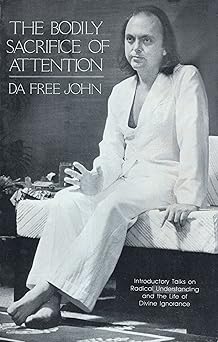
Introductory Talks on Radical Understanding and the Life of Divine Ignorance
The Dawn Horse Press, 1981
Publisher’s Description:
The usual man or woman thinks that Enlightenment is the having of a vision. Enlightenment is the most subtle, or tacit, unspeakable understanding. It is the Bodhicitta, the ultimate Realization of Being, the ultimate Wisdom. On its basis, all kinds of radiant transformation may develop, but the Realization itself is so fundamental, so tacit, so simple, so direct, so obvious, so transcendental, that it is not identified with any phenomenon of experience or knowledge. The means of the transmission of this Realization is an awakened individual, the Spiritual Master, but the Realization is most tacit, perfect, simple, direct, and obvious. When you come to the point of acknowledging the Divine Identity and Condition of manifest existence, then you are Enlightened.
JOB’s Comment:
As I have pointed out before, the titles of Jones’s books are not always – indeed not even normally – easily comprehensible without at least some familiarity with his teachings.
PhilosophiCat är en amerikansk aktivist som blev känd i samband med den på problematiskt sätt radikaliserade althögerrörelsen för omkring 10 år sedan. Dock tillhörde hon väl knappast de mer extrema, och sedan dess tycks hon ha fokuserat på mer disciplinerad framställning och diskussion av traditionalistisk-perennialistiska ståndpunkter i främst Evolas form.
Nu beskriver hon sin YouTube-kanal så här: “Exploring philosophy and spirituality from a perennialist perspective. Home of the 40-episode series on Julius Evola’s Revolt Against the Modern World. Occasionally my cat chimes in, too.” Neema Parvini gjorde för fyra år sedan en intervju med henne, som bl.a. behandlar denna Evolaserie.
Såvitt jag kan se återfinns på kanalen dock bara 13 delar; jag länkar till dem nedan. Men det är inte illa – det är ett mycket ambitiöst projekt; de återstående 27 har tydligen ännu inte producerats. Jag får återkomma med dem när de är tillgängliga. De avsnitt jag nu hittar gjordes för 5-6 år sedan. Det första, en introduktion, har nyligen omarbetats, och den nya versionen presenteras som “the Extended Director’s Cut version of the original, with an additional 10 minutes of new content, more polished editing, and includes narration audio-dubbed in 12 languages and captions in 30 languages”. Vi får bl.a. se och höra en AI-inkarnation av Evola. På Facebook signalerar hon att även de följande avsnitten kommer bearbetas på motsvarande sätt.
Så här beskriver hon serien:
“Our aim with this series is much the same as Evola’s aim in writing the book: we wish to lay down a testimony in order to preserve this ancient wisdom for future generations. We remain connected to the World of Tradition by only the most fragile, frayed thread and it is imperative to preserve as much of it as possible as we move through this dark age of history. In this episode, we explore the foreword of the book, covering some concepts that will be essential to understand before moving ahead in our journey to understand what it means to revolt against the modern world. While it is not necessary to read the book in order to enjoy this series, we do highly recommend it, as it is a great book! ‘Revolt Against the Modern World’ can be found as a free pdf in various places online, or can be purchased from most major booksellers. This series is intended to be both an introduction for those new to Evola and as a companion to the book.”
Althögerns överdrivet romantisk-dramatiska estetik präglar fortfarande serien (visuellt såväl som ifråga om den ständiga musiken i bakgrunden), men när man märker hur utomordentligt väl och initierat PhilosophiCat formulerar sig är det faktiskt lätt att fokusera enbart på det.
Utöver denna oavslutade serie finns också en lång rad andra videos om Evola och perennialism på kanalen. PhilosophiCat har också en substack, som tyvärr, liksom alla sådana, är tekniskt primitiv och därför svåröverskådlig. Hon har också många följare på X. Bland traditionalisterna måste hon entydigt räknas till hårdingarna, om vilket mycket finns att säga. Men det gäller ju också Evola själv, och YouTube-serien vittnar i alla fall om mycket grundligt studium av honom.
Viktige indologen vid Collège de France hos vilken Babbitt studerade sanskrit och pali och som skrev det utlåtande om avhandlingsversionen av Guénons senare första bok Introduction générale à l’étude des doctrines hindoues på basis av vilket den underkändes av Sorbonnes doyen.
Man noterar att engelska dr Wiki ger vad som troligen är en något missvisande bild av Lévis uppfattning av Guénon. Avsnittet ‘Opinions’ lyder – språkligt något osammanhängande – i dess helhet: “He was also an early opponent of the traditionalist author René Guénon, citing the latter’s uncritical belief in a ‘Perennial philosophy’, that a primal truth revealed directly to primitive humanity, based on an extreme reductionist view of Hinduism, which was the subject of Guénon’s first book…Introduction générale à l’étude des doctrines hindoues. That was a thesis delivered to Lévi at the Sorbonne and rejected.”
Påståendet att avhandlingen framlades för Lévi vid Sorbonne är väl rimligen felaktigt, eftersom Lévi bara skrev ett utlåtande; men å andra sidan var han också verksam vid till Sorbonne kopplade École pratique des hautes études. Underkännandet av den förste hårdtraditionalistens avhandling är hursomhelst fullt begripligt; utöver dess rent traditionalistiska framställning är den också ett kompromisslöst angrepp på, ja helt enkelt ett totalt avfärdande av den moderna religionsvetenskapen. Franska dr Wiki skriver emellertid till skillnad från engelska att Lévi “rédige un rapport mitigé, teinté à la fois d’estime et de prudence, sur la thèse de doctorat”. Jämför här min diskussion av Mark Sedgwicks kommentarer om Lévis uppfattning av avhandlingen. Prof. Grok sammanfattar – med hänvisning bl.a. till mitt inlägg, hon kan ju inte själv läsa Sedgwicks bok – Lévis kritik på följande sätt:
– Guénon’s selective exclusion of elements that did not align with his preconceived notions of Hinduism.
– A reductionist approach that boiled down the tradition to Vedanta alone (‘everything is in the Vedanta’).
– Insufficient attention to historical context and criticism.
– An uncritical acceptance of a ‘perennial philosophy,’ involving a mystical transmission of primal truths from ancient times, which Lévi saw as overly simplistic and ahistorical.
Den andra punkten rörande vedanta tycker jag ser litet märklig ut, om nu avhandlingen överensstämmer med boken på den punkten. Det är en sak att allt i en mening ryms i vedanta (mycket – ifråga om den på den vediska traditionen byggande hinduismen – ligger väl redan i själva termen vedanta), men alla darshans och några andra större riktningar behandlas i varsitt kapitel, på ett sätt som gör att det knappast kan sägas vara fråga om någon nedkokning.
Academics tend to look on ‘esoteric’, ‘occult’ or ‘magical’ beliefs with contempt, but are usually ignorant about the religious and philosophical traditions to which these terms refer, or their relevance to intellectual history. Wouter Hanegraaff tells the neglected story of how intellectuals since the Renaissance have tried to come to terms with a cluster of ‘pagan’ ideas from late antiquity that challenged the foundations of biblical religion and Greek rationality. Expelled from the academy on the basis of Protestant and Enlightenment polemics, these traditions have come to be perceived as the Other by which academics define their identity to the present day. Hanegraaff grounds his discussion in a meticulous study of primary and secondary sources, taking the reader on an exciting intellectual voyage from the fifteenth century to the present day and asking what implications the forgotten history of exclusion has for established textbook narratives of religion, philosophy and science.
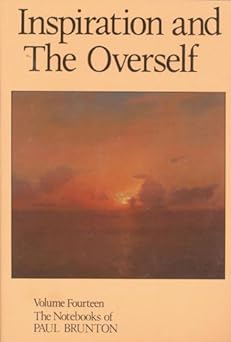
“There are swift elusive moments that every real artist knows, and every deep lover experiences, when the faculty of concentration unites with the emotion of joy, and creates an indescribable sense of balanced being. Such moments are of a mystical character.”
“If one learns to cultivate these brief intuitive momets aright, there can develop ou t of them in time mystical moods of much longer duration and much deeper intensity. Still later, there could come to maturity the ripe fruit of all these moods – an ecstatic experience wherein grace descends with life-changing results.”
– Paul Brunton
Nearly everyone has brief moments of exalting contact with his or her own divine Soul: this book shows how to make the most of those moments; how to recognize, develop, test, and follow through on intuitions; how to contact the source of inspiration and make its vitalizing power a continuous presence.
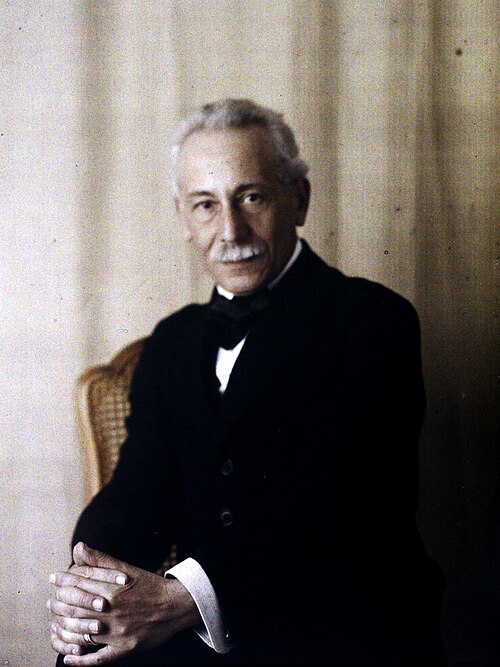
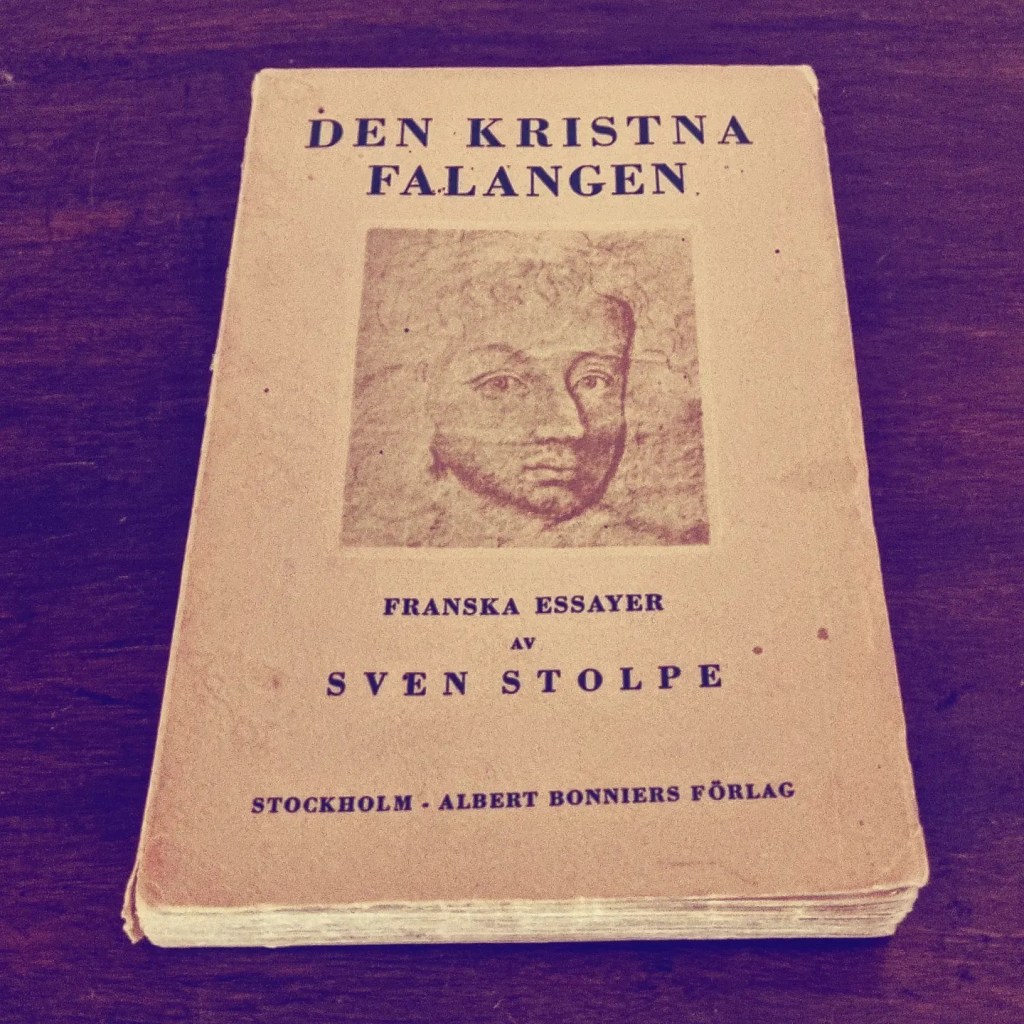
Ernest Psichari, Jacques Rivière, Jacques d’Arnoux, Henri Massis, Charles du Bos, François Mauriac.
Hur djupt man absorberades i detta under första hälften av 80-talet. Hur man lät sig helt översköljas och täckas av europeiskheter för att komma bort från den historiskt, kulturellt och socialt dåliga integrationen av de nyare introduktionerna av de österländska andliga traditionerna, även och inte minst när de antog alltför mycket av amerikanska pop-estetiska och pop-psykologiska former. Till den grad att man periodvis helt kunde glömma att vad man i denna absorption sökte ändå också var de rätta formerna för denna integration, för föreningen med det som var förenbart i den europeiska och egentliga västerländska kulturen.
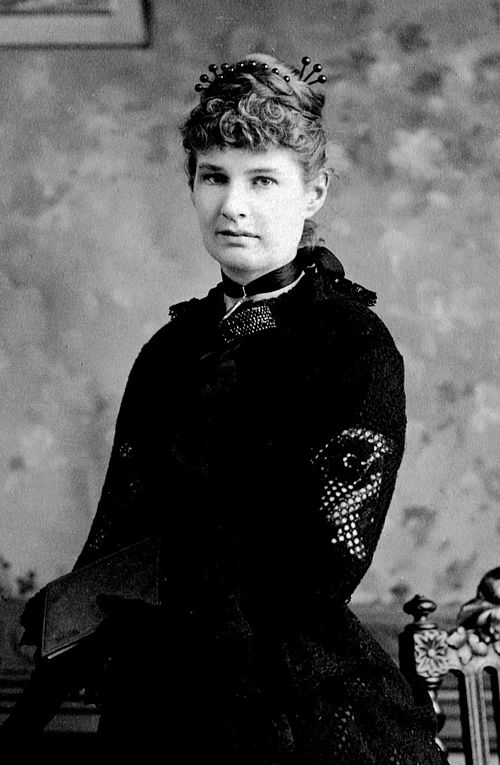
Ännu en märklig engelsk teosof och kvinnosaksaktivist, även kämpande mot vivisektion och för vegetarianism.
För det senare syftet grundade hon the Food Reform Society 1881, samma år som hennes franska avhandling L’Alimentation végétale de l’homme utgavs i engelsk översättning under titeln The Perfect Way in Diet. Hon levde ett kort liv och hann utöver denna publicera endast ett fåtal böcker innan hon gick bort 1888.
En av dem var The Keys of the Creeds (1875), skriven tillsammans med hennes medarbetare Edward Maitland, i egen rätt en inflytelserik esoteriker som året efter hennes bortgång också publicerade en samling av hennes texter, Clothed with the Sun, och senare även hennes biografi, Anna Kingsford: Her Life, Letters, Diary and Work (1896).
Senare utgavs The Perfect Way or The Finding of Christ (1909), Addresses and Essays on Vegetarianism (1912), och The Credo of Christendom and Other Addresses and Essays on Esoteric Christianity (1916), samtliga med Maitland som medförfattare.
Vordna kritiska mot Blavatskys utsvävningar lämnade Kingsford och Maitland Teosofiska samfundet – även om de vidmakthöll viss kontakt med henne och Matiland fortsatt fick stöd av bl.a. Olcott – och grundade i stället 1884 The Hermetic Society i London.


 Olle Bengtsson