MONDAY, August 3
–
OPENING KEYNOTE ADDRESSES, 7:00 PM (CAS B12)
Knowledge and the Person
Wecome and Conference Information:
Randall Auxier, Southern Illinois University Carbondale (USA)
Chair and Introductions:
James Beauregard, Rivier University (Nashua, NH, USA)
“Apprehending the Person: Two Approaches”
Grzgorz Hołub, Pontifical University of John Paul II (Krakow, Poland)
“The Comprehensive Experience (Experiencia Integral): A New Proposal on the Beginning of Knowledge”
Juan Manuel Burgos, Universidad CEU San Pablo (Madrid, Spain)
–
TUESDAY, August 4
–
SESSION 1, 9:00-10:30
1A (Room B23): The Concept of the Person
Chair, Richard C. Prust, St. Andrews Presbyterian College
“Love, Identification and Equality: Rational Problems in Harry Frankfurt’s Concept of Person”
Jorge Martin Montoya, University of Navarra (Pamplona, Spain)
“Persons, Animals, and Clinical Normality”
William Jaworski, Fordham University (New York, NY, USA)
Commentator: Eleanor Wittrup, University of the Pacific (Stockton, CA, USA)
1B (Room B24): Person, Mind, Brain
Chair, Grzgorz Hołub, Pontifical University of John Paul II
“Neuroethics and Impersonalism: Value Revelation in Subjective Disclosure”
Denis Larrivee, International Association of Catholic Bioethicists (Ottawa, ON, Canada)
“Why Cognitivist Accounts of Personhood Fall Short”
Nils-Frederic Wagner, University of Ottawa (ON, Canada)
Commentator: Ralph Ellis, Clark Atlanta University (Atlanta, GA, USA)
1C (Room STH325): Moral Personhood
Chair, Randall Auxier, Southern Illinois University Carbondale
“Moral Personhood”
Sari Kisilevsky, City University of New York, Queens College (USA)
“The Linguistic Bounds of Personhood”
Ray E. Jennings, Simon Fraser University (Vancouver, BC, Canada), David McIntyre, Simon Fraser University (Vancouver, BC, Canada)
Commentator: Genevieve Wallace, Sacramento State University (CA, USA)
SESSION 2, 10:40-12:10
2A (Room B23): Personal Identity
Chair, Richard C. Prust, St. Andrews Presbyterian College
“Agency, Personhood, and Personal Identity”
Benjamin Yelle, Mt. Holyoke College (South Hadley, MA, USA)
“Pratical Concerns and Numerical Identity”
Maxwell Suffis, Rice University (Houston, TX, USA)
Commentator: Ben Abelson, City University of New York, Graduate Center (USA)
2B (Room B24): Ontological Dignity and Virtuous Knowing
Chair, Randall Auxier, Southern Illinois University Carbondale
“Wang Yangming on Personal Awareness as World-Awareness”
Joshua Hall, Emory University (Atlanta, GA, USA)
“A Process Ontology of Dignity”
John W. August III, Southern Illinois University Carbondale (USA)
Commentator: Robert C. Neville, Boston University (USA)
2C (Room STH325): The Self and the “I”
Chair, James McLachlan, Western Carolina University
“Imagining the Self: Lacan and Levinas on the Formation of the ‘I’”
Christopher Lucibella, University of Memphis (TN, USA)
“The Socio-historical Ordeal of Personhood: Remarks on Later Nietzsche and Freud”
Jeffrey M. Jackson, University of Houston, Dowtown (TX, USA)
Commentator: James McLachlan, Western Carolina University (Cullowhee, NC, USA)
PLENARY SESSION, 2:00-3:10 (CAS B12)
Chair: Richard C. Prust, St. Andrews Presbyterian College (Laurinberg, NC, USA)
“Teleology and Consciousness Theory”
Ralph D. Ellis, Clark Atlanta University (Atlanta, GA, USA)
3:10-3:40 Break
SESSION 3, 3:40-5:10
3A (Room B23): Psychological/Physical Continuity and Personhood
Chair, Jan Olof Bengtsson, Lund University
“Personal Identity in Alzheimer’s Disease: What Supports the Self When Memory Fails?”
Marie-Christine Nizzi, Harvard University (Cambridge, MA, USA)
Commentator: Michelle Maiese, Emmanuel College (Boston, MA, USA)
3B (Room B24): Higher Education, Race, and Societal Change
Chair, James Beauregard, Rivier University
“Dialectical Adherence to the Beloved Community: John G. Fee and the Founding of Berea College”
Eli Orner Kramer, Southern Illinois University Carbondale (USA)
“Pedagogical Personalism at Morehouse College from Benjamin E. Mays and Howard Thurman to Martin Luther King, Jr.”
Kipton Jensen, Morehouse College (Atlanta, GA, USA)
Commentator: Thomas O. Buford, Furman University (Greenville, SC, USA)
3C (Room STH325): Early 20th Century Personalism
Chair, Randall Auxier, Southern Illinois University Carbondale
“Phenomenological Resistance to Tyranny”
Jason M. Bell, Assumption College (Worcester, MA, USA)
“The Personalism of John MacMurray”
Fr. Bogumił Gacka, Cardinal Stefan Wyszyński University (Warsaw, Poland)
Commentator: John Hofbauer, Mount St. Mary’s College (Newburgh, NY, USA)
PLENARY SESSION, 5:30-7:15 (CAS B12)
Chair, Ralph D. Ellis, Clark Atlanta University (Atlanta, GA, USA)
“‘We Are Not Disposable’: People with Psycho-social Disorders and Social Justice”
Carol Moeller, Moravian College (Bethlehem, PA, USA)
“Dissociative Identity Disorder, Personhood, and Responsibility”
Michelle Maiese, Emmanuel College (Boston, MA, USA)
–
WEDNESDAY, August 5
–
SPECIAL SESSION, 9:00-11:30
4A (Room STH325): The Life and Work of Thomas O. Buford
Chair, Christopher Williams, University of Nevada
“Buford, Kohák, and a Renewed Understanding of the Personal Nature of Time”
John Scott Gray, Ferris State University (Big Rapids, MI, USA)
“Christianity and Intellectual Seriousness”
Mason Marshall, Pepperdine University (Malibu, CA, USA)
“Personalism and Global Bioethics”
James Beauregard, Rivier University (Nashua, NH, USA)
Commentator: Thomas O. Buford, Furman University (Greenville, SC, USA)
SPECIAL SESSIONS, 9:00-10:30
4B (Room B23): The Next Generation, Session Alpha
Chair, Fr. Bogumił Gacka, Cardinal Stefan Wyszyński University
“Eudaimonia, Catholicism, Sex, and the Person”
Madison Forbes, Bridgewater State University (Bridgewater, MA, USA)
“The Consolation of Philosophers: Recovering Dignity and the Self After Sexual Assault ”
Mackenzie Lefoster, Belmont University (Nashville, TN, USA)
Commentator: Grzgorz Hołub, Pontifical University of John Paul II (Krakow, Poland)
4C (Room B24): The Next Generation, Session Beta
Chair, William Jaworski, Fordham University
“Freedoms Undone: Domination by Agents and Structures in Pettit’s Republicanism”
Mariela Libedinsky, University of Toronto, St. George-Woodsworth College (ON, Canada)
“The Emergence of Personhood and its Importance in the Experience of the Sublime”
Leslie Micheal Murray, Southern Illinois University Carbondale (USA)
Commentator: Sofia Inês Albornoz Stein, Universidade do Vale do Rio dos Sinos (São Leopoldo, Brazil)
SESSION 5, 10:40-11:30
5A (Room B23): Howard Thurman’s Personalism
Chair, Thurman Todd Willison, Union Theological Seminary
“Reading Thurman as a Philosophical Personalist”
Kipton Jensen, Morehouse College
Commentator: Myron M. Jackson, Grand Valley State University (Allendale, MI, USA)
5B (Room B24): Is the Universe the Work of a Person?
Chair, Jan Olof Bengtsson, Lund University
“Persons, Theology, and Cosmology”
Gilbert Fulmer, Texas State University (San Marcos, TX, USA)
Commentator: Wesley J. Wildman, Boston University (USA)
SESSION 6, 11:40-12:30
6A (Room B23): Person and Emotion
Chair and Commentator, Ralph D. Ellis, Clark Atlanta University
“Emotion Makes the Person”
Eleanor Wittrup, University of the Pacific (Stockton, CA, USA)
6B (Room B24): Climate Change
Chair, Wesley J. Wildman, Boston University
“Personalism and Climate Change”
Thurman Todd Willison, Union Theological Seminary (New York, NY, USA)
Commentator: John W. August, III, Southern Illinois University Carbondale (USA)
6C (Room STH325): Personalism and Monotheism
Chair, Randall Auxier, Southern Illinois University Carbondale
“Personal Identity with and without Monotheism”
Richard C. Prust, St. Andrews Presbyterian College (Laurinberg, NC, USA)
Commentator: Kipton Jensen, Morehouse College (Atlanta, GA, USA)
AFTERNOON FREE
Optional group trip to Concord, MA (home of Emerson, Thoreau, Hawthorne’s Old Manse, Walden Pond, etc., site of the Battle of Concord).
–
THURSDAY, August 6
–
SESSION 7, 9:00-10:30
7A (Room B23): Self, Person, and Process
Chair, Richard C. Prust, St. Andrews Presbyterian College
“On the Mistaken Lexical Liberty of Conflating ‘Self’ and ‘Person’ in Philosophy”
Megan Roehll, University at Buffalo (NY, USA)
“Self and Person: Distinctions in Bergson”
Robert G. Fiedler, Southern Illinois University Carbondale (USA)
Commentator: Gilbert Fulmer, Texas State University (San Marcos, TX, USA)
7B (Room B24): Descartes and Locke
Chair, Ralph Ellis, Clark Atlanta University
“Persons and Passions: The Late Cartesian Account”
Mark C.R. Smith, Queens University (Kingston, ON, Canada)
“Mixed Modes and the Non-Existence of Lockean Persons”
Sam N. Johnson, University of Arkansas (Fayetteville, AR, USA)
Commentator: Laura J. Mueller, Luther College (Decorah, IA, USA)
7C (Room STH325): Hegel and Personhood
Chair, Phillip Ferreira, Kutztown University
“A Limit to the Market: Hegel and Personhood”
Victoria I. Burke, University of Guelph (ON, Canada)
“Holy Robot: Early German Idealism on Persons”
Rolf Ahlers, The Sage Colleges (Albany, NY, USA)
Commentator: Jan Olof Bengtsson, Lund University, Sweden
SESSION 8, 10:40-12:10
8A (Room B23): The Concept of Person
Chair, Jorge Martin Montoya, University of Navarra
“Salvaging a Concept of a ‘Person’”
Ben Abelson, City University of New York Graduate Center (USA)
“Looking into Objects, Dispositions and the Lockean Person-Making Properties”
Mihretu Guta, Durham University (Durham, England)
Commentator: Benjamin Yelle, Mt. Holyoke College (South Hadley, MA, USA)
8Bi (10:40-11:30) (Room B24): Law and Culture
Chair, Lawrence Nelson, Santa Clara University
“Roma-Integration: The Existential Tension Between Public Policy and the Person”
Philippe-Edner Marius, Legislative Fellow, Sate of New York (Albany, NY, USA)
Commentator: Jonas Norgaard Mortensen, think tank Cura
8Bii (11.30-12.10) (Room B24):
Chair, James Beauregard, Rivier University
“On Buford on Trust”
Nathan Riley, Independent Scholar (St. John’s, FL, USA)
Commentator: Thomas O. Buford, Furman University
8C (Room STH325): Schelling and Boehme
Chair, Randall Auxier, Southern Illinois University Carbondale
“Personhood in the Board Room: A Schellingian Account of Corporate Agency”
Myron M. Jackson, Grand Valley State University (Allendale, MI, USA)
“The Person and the Demon: Personality and the Possibility of Demonic Evil in Jacob Boehme”
James McLachlan, Western Carolina University (Cullowhee, NC, USA)
Commentator: Rolf Ahlers, The Sage Colleges (Albany, NY, USA)
PLENARY SESSION, 2:00-3:30 (CAS B12)
Chair: James McLachlan, Western Carolina University (Cullowhee, NC, USA)
“Further Considerations on Personalism and Idealism”
Jan Olof Bengtsson, Lund University (Sweden)
“Who Are the Real Impersonalists?”
Phillip Ferreira, Kutztown University (PA, USA)
SESSION 9, 3:40-5:10
9A (Room B23): The Metaphysics of Person
Chair, Ralph Ellis, Clark Atlanta University
“Personal Identity and the gumnos kókkos”
Thom Atkinson, University of Liverpool (England)
“Person and Incarnation”
Randall Johnson, Northern Illinois University (DeKalb, IL, USA)
Commentator: Matthew Donnelly, Southern Illinois University Carbondale (USA)
9B (Room B24): Law and Punishment
Chair, Joseph Harry, Slippery Rock University
“Returning to Redemption as a Theory for Justifying Punishment”
Brian J. Buckley, Santa Clara University (Santa Clara, CA, USA)
“An Ethical Perspective on Legal Personhood, Prenatal Humans, and Feticide Laws”
Lawrence Nelson, Santa Clara University (Santa Clara, CA, USA)
Commentator: Randall Auxier, Southern Illinois University Carbondale (USA)
9C (Room STH325): British Idealism
Chair, Jan Olof Bengtsson, Lund University
“No Free Lunch: Pringle-Pattison’s Ideas on Personhood, the Soul, and Personal Immortality”
Robert Devall, West Chester University (West Chester, PA, USA)
“Expression and Self-Knowledge”
Christopher Williams, University of Nevada (Reno, NV, USA)
Commentator: Phillip Ferreira, Kutztown University, PA, USA
CONFERENCE DINNER, 7:00 PM
Filippo’s Italian Ristorante, Boston’s North End
–
FRIDAY, August 7
–
SESSION 10, 9:00-10:30
10A (Room B23): Intention and the Person
Chair, John W. August III, Southern Illinois University Carbondale
“The Indexing Ego”
Matthew Z. Donnelly, Southern Illinois University Carbondale (USA)
Commentator: Mihretu Guta, Durham University (England)
10B (Room B24): Kant
Chair, Randall Auxier, Southern Illinois University Carbondale
“Imagination, Unfettered: Breaking the Sensuous Chains in Kant’s Critical Philosophy”
Laura J. Mueller, Luther College (Decorah, IA, USA), Randall E. Auxier, Southern Illinois University Carbondale (USA)
“Freedom and Value in Kant’s Practical Philosophy: the Core of Personhood”
Adriano Naves de Brito, Universidade do Vale do Rio dos Sinos (São Leopoldo, Brazil), Sofia Inês Albornoz Stein, Universidade do Vale do Rio dos Sinos (São Leopoldo, Brazil)
Commentator: Eli Orner Kramer, Southern Illinois University Carbondale (USA)
10C (Room STH 325): The Sign of the Person
Chair, Robert C. Neville, Boston University
“Quotational Characters: Subjectivity, Journalists, and the Persons Portrayed in News Journalism”
Joseph Harry, Slippery Rock University (Slippery Rock, PA, USA)
“Peirce on Person: Peirce’s Theory of Determination and Personality”
Cheongho Lee, Southern Illinois University Carbondale (USA)
Commentator: Christopher Williams, University of Nevada (Reno, NV, USA)
CLOSING PLENARY SESSION, 10:40-12:10 (CAS B12)
Chair: Jan Olof Bengtsson, Lund University (Sweden)
The Future of Persons and Personalism?
Randall Auxier, Southern Illinois University Carbondale (USA)
Robert C. Neville, Boston University (MA, USA)
13th International Conference on Persons
 Ralph Nader has fought for over fifty years on behalf of American citizens against the reckless influence of corporations and their government patrons on our society. Now he ramps up the fight and makes a persuasive case that Americans are not powerless. In Unstoppable, he explores the emerging political alignment of the Left and the Right against converging corporate-government tyranny.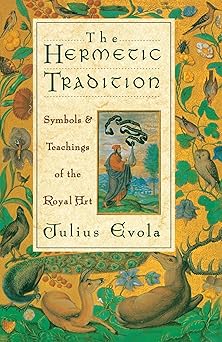
 Antirussische Vorbehalte haben in Deutschland eine lange Tradition und sind in zwei Weltkriegen verfestigt worden. Auch in der Ukraine-Krise lässt sich ihre Wirksamkeit beobachten. Tatsächlich ist aber nicht nur das Verhältnis zwischen Russland, dem Westen und der Ukraine vielschichtiger als es der Medien-Mainstream suggeriert, sondern auch die russische Geschichte seit dem Ende des Kalten Krieges. Es liegt im ureigenen Interesse der EU, Russland als Partner zu haben. Wer diese Chance vertut, riskiert, dass Europa im Machtkampf künftiger Großmächte zerrieben wird.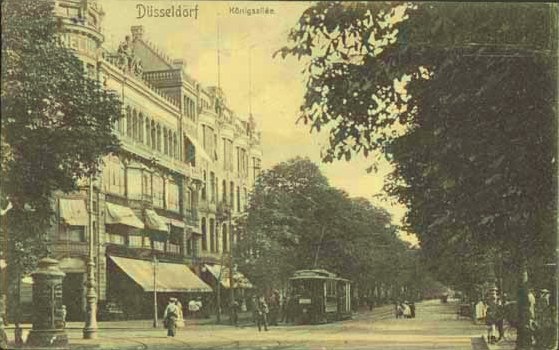
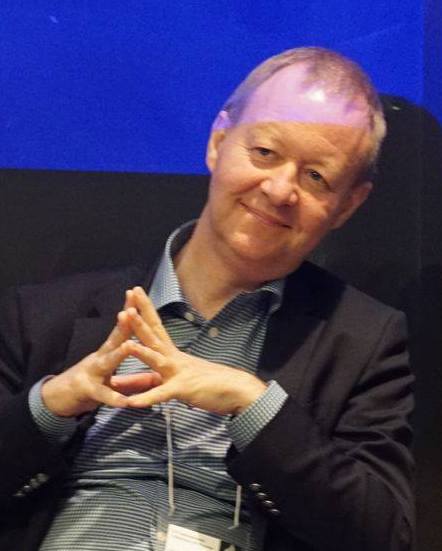
 Olle Bengtsson