Platonismen och det alltfort dominerande kristna inflytandet gör att den i de olika förnyelserna inom filosofin såväl som det övriga kulturklimatet framväxande individualismen under renässansen, som vi tittat på några uttryck för, ännu inte helt övervältrar i ren profanhumanism. Humanisterna bekämpar nominalisterna och vidareutvecklar den bibliska tanken om det skapande Ordet. Men de vänder sig också mot skolastiken i dess helhet med dess okänslighet för språket, livet och känslan. [Dupré, Passage to Modernity (1993), 102-12.] Ledande humanister som Valla, Agricola, Nizolius och Ramus kritiserar den aristoteliska logikens abstrakta konstruktioner och oförmåga att skänka kunskap om den konkreta verkligheten. Och vad som främst intresserade i den konkreta verkligheten var personlighetens utveckling och den kultiverade stilen.
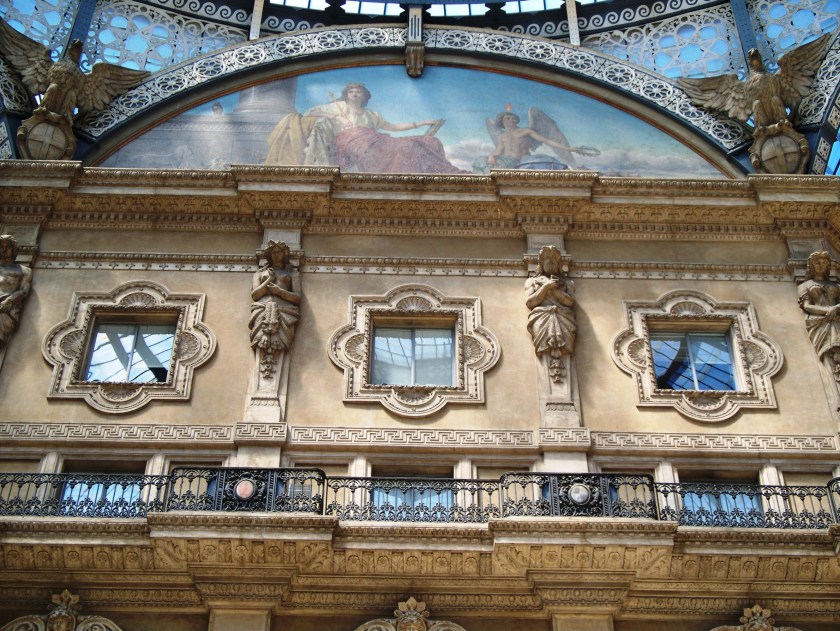
Giuseppe Mengoni: Galleria Vittorio Emanuele, Milano
Andreas Mölzer & Bernhard Tomaschitz: Europa – Traum und Albtraum
Vom Heiligen Reich zur Europäischen Union – Ein Kontinent geeint in seinen Gegensätzen
 “50 Jahre nach der Unterzeichnung der Römischen Verträge am 25. März 1957 legen der Europaabgeordnete Andreas Mölzer und sein Mitarbeiter Bernhard Tomaschitz eine grundlegende Betrachtung der Europäischen Union vor. Am Anfang des Buches analysiert Mölzer die “real existierende Europäischen Union” mit all ihren Fehlentwicklungen.
Im anschließenden, historischen Teil beleuchtet Tomaschitz, wie sehr die Idee, Europa zu vereinen, sei es auf kriegerischem, sei es auf friedlichem Wege, die Herrscher in ihren Bann zog. Im dritten Teil geht Tomaschitz näher auf die Fehlentwicklungen in der EU sowie auf die Gefahren für Europa, wie etwa den Bevölkerungsschwund ein und zeigt Auswege aus der Krise auf.
Abgerundet wird dieses Buch mit Essays von Andreas Mölzer über die kulturhistorische Substanz Europas.”
Maria Callas: Addio del passato
1953
Högre och lägre romantik, 1
“Romantiken” är ett amorft och mångtydigt begrepp. Det är överdrivet att, som såvitt jag minns Arthur Lovejoy gjorde, av detta skäl betvivla dess användbarhet överhuvudtaget. Men utan tvekan kräver det för att bli meningsfullt för historiskt-analytiska syften definitionsmässiga preciseringar medels centrala distinktioner. Och den mest grundläggande av dessa är såvitt jag kan se den som Leander i sin bok Nya synpunkter på romantiken (1944) (nyutgåva med titeln Romantik och moral 1980, med inledning av Ryn, ny efterskrift av Leander, och selektiv Leander-bibliografi) beskrivit i termer av “högre” och “lägre” romantik.
Leander, som jag tidigare bara kort omnämnt, var son till professorn i semitiska språk i Göteborg, Pontus Leander, sägs under Ernst Cassirers tid vid Göteborgs högskola, som nyligen behandlats av Jonas Hansson och Svante Nordin i Ernst Cassirer: The Swedish Years (2006), ha varit dennes favoritelev, [Op. cit., 118, 210. Leander behandlas också i Nordins Från Hägerström till Hedenius (1984), och, kort, i Gunnar Aspelins artikel ‘Modern svensk filosofi, 1916-1946’ i Ord & Bild 1946.] även om han aldrig helt delade dennes positioner. Redan innan Cassirer kom till Göteborg hade Leander besökt honom i Oxford. [Ibid. 57-8.]
Leander beskriver i förordet till sin avhandling, Humanism and Naturalism: A Comparative Study of Ernest Seillière, Irving Babbitt and Paul Elmer More (1937), Cassirer som sin lärare, men avhandlingen skrevs inte direkt under denne; Hansson och Nordin tolkar formuleringarna i dess förord som att Cassirer blev involverad i avhandlingsarbetet först mot dess slut. Cassirer beskrev avhandlingen som en “tüchtige und vielversprechende Leistung”; Leander hade behärskat ett svårt material och med skarp blick identifierat problemet. [Op.cit. 213.]
Avhandlingen recenserades i USA av Lovejoy (“a learned and gedankenreich volume”), och hyllades ännu 1956 av Austin Warren som “the most philosophically able work” om “the New Humanism”. Trots att Leander i mycket ställt sig kritisk till Seillières filosofi inte bara hyllade Seillière själv avhandlingen i en utförlig recension i Journal des débats. Han översatte också själv avhandlingen till franska, varvid den ånyo på fördelaktigt sätt recenserades av Henri Peyre i Mercur de France. [Ryn, ‘Om Folke Leander’, förord till Romantik och moral.]
Varken Humanism and Naturalism eller Leanders senare verk använder emellertid i mer än begränsad utsträckning cassirerska begrepp och analyser, och de behandlar områden och tänkare som Cassirer inte i övrigt ägnat sig åt – förutom i samband med läsningen av Leanders avhandling: enligt Hansson och Nordin påverkade avhandlingen nämligen i viss mån två av Cassirers egna uppsatser, ‘Naturalistische und humanistische Begründung der Kulturphilosophie’ och ‘Kant und Rousseau’, som båda publicerades senare men först presenterades som föreläsningar i Göteborg vid tiden för Leanders färdigställande av avhandlingen. Cassirer hade i viss mån föranletts av denna att sätta sig in även i Seillière och de amerikanska nya humanisterna.
Uppsatserna kan enligt Hansson och Nordin visas till dels innehålla en “dialog” med Leanders avhandling. [Op. cit. 213-17.] Mot den kritiska inställning till såväl den moderna rationalismen som romantiken som Leander med Babbitt och More intagit, försvarar Cassirer i ‘Kant and Rousseau’ en annan tolkning av Rousseau som en “restorer of the rights of humanity” och försvarare av en “religion of freedom and conscience”, grundad på praktikens primat, [Ibid. 214-15.] och framhåller att Kant förstod honom på ett annat sätt än såväl romantikerna som samtiden.
I ‘Naturalistische und humanistische Begründung der Kulturphilosophie’, vars titel ju, som Hansson och Nordin påpekar, påminner om Leanders avhandlings, [Den påminner även om titeln på en senare uppsats av Leander.] vill Cassirer försvara den tyska klassicismen kring sekelskiftet 1800: “The term ‘humanistisch’, used out of the Renaissance context, is rare in Cassirer’s works, and on the first occasion in which he uses it in the essay he puts quotation marks around it…” Men en fullvärdig humanism finns likafullt under samma period som den romantik de kritiker förkastar som Leander behandlar och ansluter sig till. “For Cassirer it was in German ‘classicism’ around 1800 that a foundation for a philosophy of man, expressed in the idea of humanitas, was laid down”. [Ibid. 216.]
Begynnelsen till en kulturfilosofi – fortsätter Hansson och Nordin sitt referat av Cassirers uppsats – återfanns dock redan under sextonhundratalet. Vad Dilthey kallade “[das] natürliche System der Geisteswissenschaften” utvecklades via Spinozas monism, dess förnyelse under romantiken med dess fatalistiska och historisk-deterministiska kulturfilosofi, och dennas variation hos Hegel, till den franska positivismen, den naturalism som Babbitt behandlat i The Masters of Modern French Criticism, och Spengler. [Ibid.] Denna linje måste dock skiljas från den av “will to form” präglade humanistiska kulturfilosofi som “encompasses Leander’s ‘moral dualism’ but at the same time exceeds this narrow ethical definition of the self”, och som representeras av Kant, Humboldt, Goethe och andra. Den kritiska filosofin och klassicismen visade att “[t]here was…more to modern thought, and especially German thought, than romantic pantheism and naturalism”. [Ibid. 216-17.]
Cassirers två uppsatser kan enligt Hansson och Nordin på detta sätt läsas som “rebuttals of Leander’s wholesale dismissal in Humanism and Naturalism of the ‘modern spirit’”. [Ibid. 216] Nu är “wholesale dismissal” en överdriven formulering. Babbitt själv, som Leander i så hög grad ansluter sig till, betonade ofta att hans nya humanism var ett försvar just för den moderna andan; vad den handlade om var bara att utvidga denna andas vetenskapliga prioritering av erfarenheten till att också, och med samma rigör, omfatta den inre erfarenheten och göra den rättvisa.
Och som Hansson och Nordin nämner stod Leander heller inte på något sätt främmande för de historiska sanningar Cassirer i dessa uppsatser framlyfte: han skulle i Nya synpunkter på romantiken komma att kvalificera vad de menar var hans “harsh judgement on every modern current of thought”: “With explicit reference to Croce, but very likely also drawing inspiration from Cassirer, he here introduced a distinction between ‘higher’ and ‘lower’ romanticism. The ‘higher romanticism’, which covered what Cassirer termed ‘classicism’ and ‘humanism’, was now seen by Leander as an advance on the classicism of the seventeenth century, by virtue of its new sense of the eternal value of the individual self.” [Ibid. 217.]
Utan tvekan går Leander här utöver Babbitts humanism, och det är säkert riktigt att han i detta är påverkad av Cassirer. Men det är viktigt att notera hur han i försvaret för den högre romantiken kvarhåller en medvetenhet om romantiken i allmänhet, d.v.s. att själva romantiken formade också Cassirers klassicism, att Weimarklassicismen var av ett annat slag än inte bara den antika utan också renässansens och den franska under le grand siècle. Det är också av betydelse att Leander i identifikationen av den högre romantikens särdrag fokuserar på personlighetsbegreppet i linje med den svenska personlighetsfilosofin och med hänvisning till Geijer, inte bara till den in i det sista betydligt mer romantisk-panteistiske Goethe.
Leander vistades 1937 i USA, där han publicerade bl.a. den viktiga uppsatsen ‘The Materialistic and the Humanitic Interpretations of History’. [The American Review, Vol. IX, No. 3 (1937).] Hansson och Nordin menar att Leander i denna uppsats, som vänder sig mot den materialistiska historietolkningen och betonar vikten av den ideella faktorn, kom in på “the ’logic of the Geisteswissenschaften’”, just det ämne som Cassirer 1942 skulle behandla i Zur Logik der Kulturwissenschaften. [Op.cit. 218.]
Huvudresultatet av Amerikavistelsen var dock den 1939 publicerade boken The Philosophy of John Dewey: A Critical Study. Ryn beskriver hur den blev
“mycket väl mottagen i USA. Trots att den i mycket är kritisk mot Dewey, fick den höga lovord även bland dem som byggde på dennes filosofi. Så till exempel skrev den kände filosofiprofessorn Herbert W. Schneider en berömmande recension i The Journal of Philosophy. Boken innehöll ‘an exceptionally conscientious and subtle exposition of Dewey’s philosophy’. Och i ett brev till Leander tillade Schneider: ‘I sincerely admire your work and regard it as the best criticism of Dewey I know of’. Det tyngst vägande omdömet kom från Dewey själv. I ett utlåtande till Sverige-Amerikastiftelsen, från vilken Leander tilldelats ett stipendium för USA-vistelsen, gratulerade han stiftelsen till utväljandet av Leander. Dewey sade sig från sin långa erfarenhet av stipendieutdelningar inte känna till något fall där resultatet varit lika framgångsrikt. Han lovordade Leanders grundliga behärskning av sitt material och hans ‘marked powers of philosophical insight’. Leander hade visat sig vara ‘a man of unusual capacity’.” [‘Om Folke Leander’.]
Detta är anmärkningsvärt just av det skälet att Dewey-boken alltså i mycket är kritisk mot sitt föremål. Hela syftet med Amerikavistelsen var enligt Ryn att “ingående granska den idékrets i USA, som under trettiotalet tycktes erbjuda det främsta alternativet till Babbitt-More”. [Ibid.] Men samtidigt tog Leander fasta på aspekter av Deweys erfarenhetsbegrepp. Efter avhandlingen hade han också kommit att ta starka intryck av Croce, vilket ytterligare markerade skillnaden gentemot Cassirer.
Denna påverkan kunde synas peka i en annan riktning än den partiella överensstämmelsen ifråga om den tyska humanismen och klassicismen, såtillvida som Croce ju delvis är hegelian. Det förblir också ett faktum att den högreromantiska förståelsen av den personlighetskategori som Leander betonar starkare än Cassirer inte heller i hans senare rent filosofiska verk (Romantik och moral diskuterar huvudsakligen romantiken i poesin) äger samma filosofiska grund som de egentliga idealistiska personalisternas. Men användningen av Croce är samtidigt selektiv, och innebär på intet sätt ett anammande av hegelianismen som ett led i den ovan antydda rationalistisk-romantisk-panteistisk-naturalistiska linjen.
Och till Hanssons och Nordins framställning kan även läggas att med undantag för frånvaron av den distinkt personalistiska filosofiska förankringen det utan tvekan är just de essentiella momenten i den högre romantiken som ges en utvecklad, allsidig och fördjupad filosofisk beskrivning i Will, Imagination and Reason. I detta verk förenas den nya humanismen från Humanism and Naturalism med tillägnelsen av Croces idealism, samtidigt som Leander (och Ryn) delvis återvänder till Cassirer, och även tar upp det fichteska och schillerska begrepp om “will to form”, “Formtrieb”, som väl är det Cassirer använt i sin distinktion mellan vad han beskriver som den i naturalismen utmynnande linjen från 16- till 1800-talet å ena sidan och den tyska humanismen och klassicismen å den andra.
Samtidigt bekräftas fortfarande skillnaden mellan Leander och Cassirer såtillvida som den förre inte heller nu vill begränsa sig till den senares nykantianism. Till en början är det främst aspekter av Croces estetik som Leander tillägnar sig: i Erfarenhetsbegreppet från estetikens utgångspunkter (1941) integreras de i Leanders kontinuerligt frammognande kunskapsteori. [Denna svenskspråkiga framställning av Croce uppskattades enligt Ryns inledning till Romantik och moral av filosofen Ernesto Coseriu.] Hansson och Nordin menar att Cassirers dialog med Leander nu vidareutvecklas. Att Cassirer i Zur Logik der Kulturwissenschaften (1942) ägnar oproportionerligt utrymme åt polemik mot Croce beror enligt dem på Leanders bok. [Op. cit. 219.]
Under vårterminen 1944 gav Leander enligt Hansson och Nordin parallella kurser i Göteborg om Croces estetik och Cassirers kunskapsteori, och han färdigställde också Estetik och kunskapsteori: Croce, Cassirer, Dewey, som dock publicerades först sex år senare. Här har Leander också tillägnat sig Croces logik. Croce är den tänkare Leander sätter främst av de i titeln nämnda. Hansson och Nordin diskuterar med viss utförlighet den kritik av Cassirers Logik der Kulturwissenschaften, hans Philosophie der symbolischen Formen, hans språkfilosofi, hans allmänna nykantianism m.m. [Ibid. 219-24.] Även Leanders bidrag till Cassirer-volymen i The Library of Living Philosophers, The Philosophy of Ernst Cassirer (1949), tas upp.
I dessa verk har Leander nått ett långt stycke på vägen mot den mer definitiva och avrundade formuleringen av hans filosofi som vi återfinner i Will, Imagination and Reason. Genom Ryn har Leanders internationella anseende förnyats under de senaste årtiondena, inte minst därigenom att Will, Imagination and Reason, som, som jag nämnt, Ryn förklarar i förordet är resultatet av ett långvarigt samarbete med honom: den är därför i hög grad också Leanders eget verk, den definitiva, mogna slutprodukten i hans filosofiska livsverk.
Leander har i Estetik och kunskapsteori tillägnat sig andra och mer centralt hegeliansk-idealistiska aspekter av Croce. Med hjälp av denne har han avvunnit hegelianismen sanningar och insikter som är lösgörbara från det helhetliga systemet. Han visar hur de i stället är inte bara förenliga med humanismen och klassicismen i Cassirers mening, d.v.s. vad han mer exakt beskriver som den högre romantiken, utan också äger förmågan att ytterligare utveckla och filosofiskt precisera denna.
Här ska jag nu fokusera på betydelsen av Leanders centrala distinktion mellan högre och lägre romantik sådan han första gången framställer den, som sådan, i just dessa termer, i Nya synpunkter på romantiken, och med litterära i stället för filosofiska exempel. Och jag vill göra det med hänsyn i synnerhet till dess innebörd för och förhållande till den personalistiska idealismen i den svenska form som Leander själv i denna korta skrift i allmänna termer hänvisar till.
Att romantikanalysen i Humanism and Naturalism utgör en grund för framställningen i Nya synpunkter på romantiken, och att Erfarenhetsbegreppet från estetikens utgångspunkter, Estetik och kunskapsteori och Will, Imagination and Reason tillhandahåller det fullständiga filosofiska perspektiv i vilket Leanders förståelse av distinktionen mellan högre och lägre romantik ska betraktas, kommer dock framgå även om jag här inte behöver systematiskt diskutera dessa. Vissa hänvisningar till Babbitt och senare romantikforskning blir dock nödvändiga.
Själv vill jag förstå begreppen högre och lägre romantik i något vidare mening än Leander och i ett delvis annorlunda idéhistoriskt sammanhang. I sak växte min förståelse av vad som kan anses som filosofiska aspekter av den högre och lägre romantiken först fram utifrån min tillägnelse av den idealistiska formen av personalism, även om själva termerna är Leanders och jag började använda dem först sedan jag stiftat bekantskap med hans verk. Mitt perspektiv ifråga om begreppen är primärt bestämt av den svenska personlighetsfilosofins och motsvarande personalistisk-idealistiska tänkares kritik av aspekter av den tyska romantikens av alltför långtgående panteism präglade varianter av idealismen. Även Tage Lindboms djupgripande analys av modernitetens frambrytande floder av romantik och rationalism påverkade mig innan jag, genom Ryn, kom i kontakt med Leander och med Babbitts och Seillières analyser.
Allt detta motsvarar ju dock i hög grad Leanders förståelse, även om han i den korta bok i vilken han introducerar termerna inte explicit genomför analysen av begreppen i mer precisa filosofiska termer utan fokuserar på den prekonceptuella poetiska sensibiliteten och fantasin. Men utgångspunkten är alltså Seillière, Babbitt och Croce, inte den tidigare filosofiska personalistiska idealismen och dess mer specifika kritik av linjen från Spinoza till naturalismen. Leander sympatiserar alltså allmänt med denna idealistiska personalism i vissa allmänna, mer poetiskt formulerade uttryck, och avsevärda rent filosofiska överensstämmelser finns förvisso, men han tänker inte själv strikt inifrån dess egen filosofiska tradition.
Som framgått även här behandlar naturligtvis främst Cassirer även mitt idéhistoriska sammanhang. Men tonvikterna och slutsatserna är delvis annorlunda, och jag tror att frågeställningarna på i vissa avseenden annat sätt också måste dras tillbaka till antikens och medeltidens filosofi, närmare bestämt till den i vidare mening förstådda idealismens tidiga traditioner. Varken nykantianen Cassirer, nyhumanisten Babbitt, hegelianen Croce, eller, naturligtvis, pragmatikern Dewey tänker inifrån den idealistiska personalismens tradition. Som jag ser det behöver de samtliga kompletteras och modifieras i dess ljus. Vidare har jag försökt antyda ett komparativt (öst-väst) perspektiv i detta sammanhang, på ett sätt som jag tror kan tillföra vissa hos de tänkare Leander anknyter till frånvarande men på flera sätt betydelsefulla dimensioner. Dessa olika skillnader är också utgångspunkten för min delvis i tryck föreliggande dialog med Ryn alltifrån 80-talets mitt.
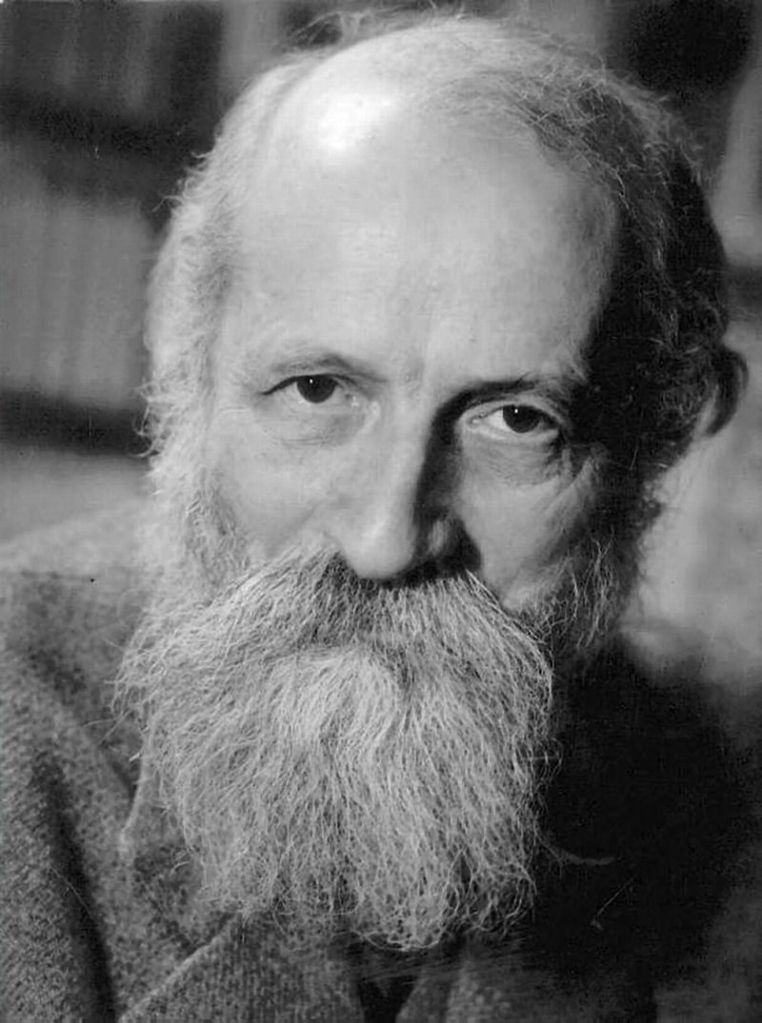
Martin Buber
Tauler
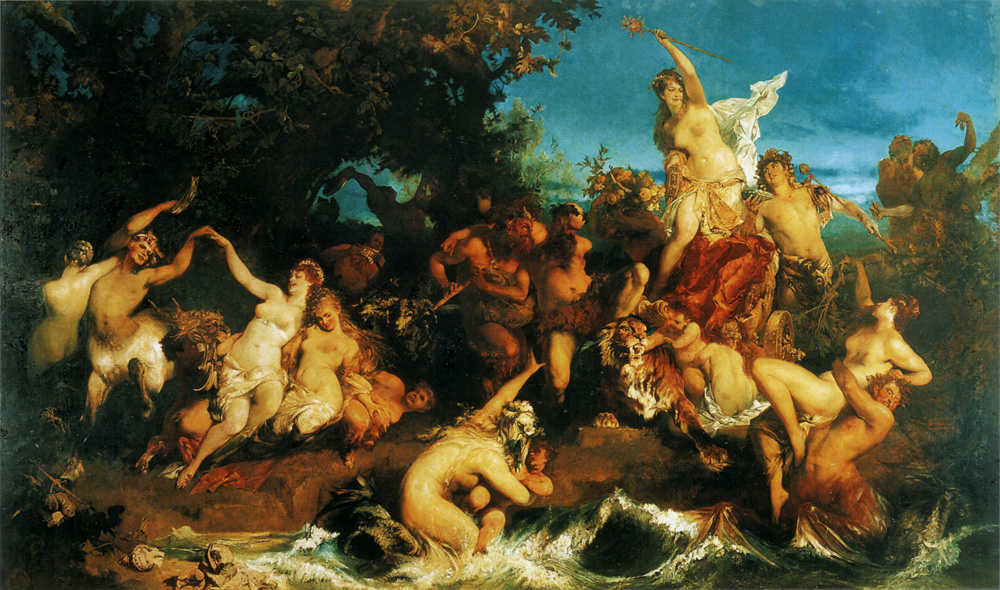
Hans Makart: Der Triumph der Ariadne
En modernitetens paradox
Inom filosofin återupprättades redan med renässansplatonikerna den av nominalismen förkastade innebörden av idéläran. Men också platonismens själsbegrepp framhävdes, också i dess individuella tappning, och förenades med renässansens nya betoning av den mänskliga personlighetens utvecklings- och perfektionsmöjligheter i sitt mer fria självskapande.
Vad vi här möter är de två huvudinriktningar av den klassiska bildningen, som oftast är svåra att åtskilja i den aktuella förståelsen under antiken, t.o.m. hos idealisterna: själens andliga uppvaknande och uppåtstigande, och den blotta Människans förnuftsmässiga, moraliska och estetiska utveckling och förfining och allmänna världsliga funktionsfullödighet enligt de ideal som sammanfattats under beteckningar som paideia och humanitas.
Inom den klassiska idealismen var dessa två aspekter närmare förbundna än i andra filosofiska skolor: det senare sågs som ett led i det förra. Och det är inte minst denna förening som renässansplatonikerna tar fasta på. Den mänskliga personens frihet och värdighet hävdas, men ännu står denna person inte i motsats till ett likgiltigt kosmos, som hon behärskar och ensam skänker mening och värde. Människan och själen är fortfarande delar i platonismens eller den kristna platonismens kosmiska ordning – varierad med allehanda nygamla, mer eller mindre panteistiska inslag – och de tidiga renässanshumanisterna förhåller sig till naturen i en “constructive dialectical tension”. [Louis Dupré, Passage to Modernity: An Essay in the Hermeneutics of Nature and Culture (1993 ), 50.] Det nya intresset för pythagorismens, orfismens, hermetismens läror förstärks också.
En testfråga blev för många förhållandet till den astrologi, vars generalistiska närvaro förvånade Burckhardt. Ficino slets mellan uppfattningen om den mystika relationen mellan den individuella själen och Gud, och kommunikationen mellan de kosmiska sfärerna som förenades i en enhetlig världssjäl: “How can the individual soul destined for personal salvation be part of a totality ruled by the world soul without ceasing to be an autonomous spiritual center?” [Ibid. 56.] Han sökte förena de två perspektiven, den mänskligt-själsliga individualiteten och friheten och den stjärnstyrda kosmiska ordningen, genom människans behärskning av just den astrologiska kunskapen, under det Pico tog avstånd från astrologin av moraliska skäl, som något som stred mot den självbestämmande, autonoma frihet som var oskiljaktig från människans andliga värdighet. [Ibid.]
Picos framställning av Guds tal till Adam om hans frihet att skapa sig själv är hela denna riktnings locus classicus. Cassirer vill visa hur den cartesianska subjektivitetsprincipen har förberetts av renässanshumanismen: människans värde och identitet följer inte längre av en utifrån tilldelad objektiv position som blott del i kosmos’ – samhället innefattande – helhet, utan bestäms inifrån av hennes egen kreativa, självbestämmande frihet. Och i denna subjektivitet ligger redan föreställningen om människans autonomi, i motsats till vad som kanske kan kallas den klassiska, under medeltiden endast högst ofullständigt modifierade, kosmonomin.
Men med detta subjektets sättande av sig själv i motsats till objektet sammanhänger också åter den komplicerade frågan om dess sättande av sig själv i motsats till substansen. Med Cassirers ord innebär renässanshumanismens nya syn att människans vara inte längre bestämmer hennes handlande, utan hennes handlande istället hennes vara. Kants tomma, formella subjekt anas. Men med denna subjektsuppfattning hotas den rikedom som den nya inifrånstyrda självbestämningen i Cassirers framställning potentiellt rymmer av en den mänskliga själens innehållsliga utarmning. Själens mer eller mindre slumrande inre dimensioner överskuggas av det tomma subjektets självvalda men heterogena fenomenella bestämningar på den psykofysiska Människoapparatens nivå.
Med dess konturers fullständiga skärpa möter vi här redan, tror jag, vad som kan betecknas som en modernitetens centrala paradox. Är den “mänskliga” identiteten en gång för alla given och omöjlig att förändra genom handlande? Eller är den inte given överhuvudtaget, och endast förvärvad genom handlandet? Om det sistnämnda är fallet, så måste den så framhandlade identiteten bestå i någonting annat än den från början givna. Varje själsidentitet i platonsk mening måste ha uppgivits till förmån för en rent mänsklig, fenomenell och temporär identitet: själspersonligheten till förmån för kroppspersonligheten och den med denna konstitutivt förenade mentala personligheten.
Från mitt perspektiv går det inte att invända mot Duprés uppfattning att den sistnämna, rent profanhumanistiska eller profanindividualistiska riktningen under loppet av den moderna utvecklingen utmynnat i en utarmning av den andliga identiteten. Men det paradoxala ligger i att moderniteten samtidigt frigjort sig från en rigid exterioristisk kosmonomi, från den kyrkliga ortodoxin med dess “förandligade” men likafullt inklusivt-kroppsliga identitetsuppfattning, och från den vanliga skolastiska uppfattningen av själen som blott aristotelisk form.
Bortser vi från de individuella själsuppfattningar jag framlyft, var den identitetsuppfattning som renässansen ställdes mot s.a.s. bristfällig även som själslig, oaktat dess givenhet och skapadhet. Det var i dess filosofisk-teologiska beskrivning inte riktigt fråga om den inre, själsliga, innehållsliga rikedom som Augustinus så levande beskrivit. Men mot denna uppfattning kom moderniteten i några av sina centrala strömningar att ställa en identitet som bestod endast i vad ett rent, tomt och formellt subjekt byggde upp av det på det fenomenella, empiriska, kroppsliga och materiellt-naturliga planet tillförda. Moderniteten hade frigjort sig från den ensidighet och ofullständighet som förvaltades i den medeltida ordningen, men dess profana rörelseriktning förtunnade den inre, andliga identiteten och tenderade att ersätta den med en yttre, kroppslig och psykisk (i vår moderna psykologiska mening).
Varianterna och graderna av åtskiljandet av subjekt och substans, såväl som graderna av teoretisk medvetenhet om detta, skiftar under hela den moderna utvecklingen, inom såväl som mellan de likaledes skiftande betydelserna av termerna. Men vi har redan mött tillräckligt många exempel på tendensen för att förstå att Heideggers uppfattning att den avgörande vändpunkten skulle inträffa först med Leibniz kunnat komma att anses oriktig. Alltför långt åt andra hållet skulle väl dock de flesta kanske tycka att Gerald J. Galgan går. I två böcker, The Logic of Modernity (1982) och God and Subjectivity (1990), har han velat visa att denna vändpunkt i själva verket inträffar redan med Anselm av Canterbury. Men vi har sett hur på annat håll förstadier pekas på hos Scotus Eriugena, och att de kan sägas finnas redan i nyplatonismen. Galgans framställning bekräftar också hur nära förbundna Guds och människans olika plan eller nivåer är i hela denna problematik och diskussion.
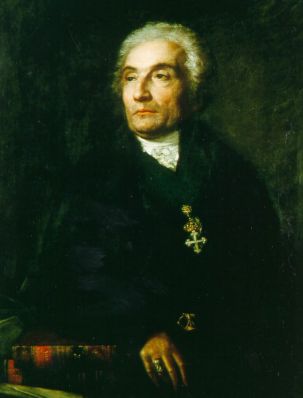
Joseph de Maistre
“Si les hommes comprenaient la Révolution aujourd’hui, elle finirait demain.”
 Olle Bengtsson