Category: History
Olof Heilo och Europa
Olof Heilo vid Centrum för Mellanösternstudier i Lund, som 2010 framlade en engelskspråkig doktorsavhandling i bysantinsk historia vid Wiens universitet, ‘Seeing Eye to Eye: Islamic Universalism in the Roman and Byzantine Worlds, 7th to 10th Centuries’, utgav förra året på Routledge en märklig, kort bok, Eastern Rome and the Rise of Islam: History and Prophecy, såvitt jag förstår med ungefär samma tema som avhandlingen. Det ringer varningsklockor av några olika slag när jag ser förlagets presentation och läser enstaka passager ur den och även ur avhandlingen, men jag ska inte säga för mycket innan jag tittat närmare på dem.
Istället ska jag här bemöta Heilos understreckare i SvD med rubriken ’Identitetskrisen är Europas arvedel’. Dess budskap och poäng är att ifrågasätta föreställningen om en enhetlig europeisk identitet. Det låter sig förvisso göras, på rent empirisk-historiska grunder. Men det sätt på vilket Heilo gör det, blandande å ena sidan självklarheter och å den andra grumligheter, gör att läsaren oundvikligen reflekterar över hans djupare avsikt, hans bakomliggande motiv. De framstår därvid som dels oklara och dels, i den mån de kan sägas inte vara oklara, problematiska.
Heilo börjar med att fastslå att ”Idén om Europa med gemensam och enhetlig historia, identitet och geografi…började uppstå först för ett par hundra år sedan”, och att ”De lösa konturerna gör att dagens Europa framstår ömsom som en fästning, ömsom som ett sandslott”. ”Bilden” av Europa som ”historisk och geografisk enhet” har det senaste året utmanats av ”flyktingkatastroferna i Medelhavet, den så kallade Islamiska statens frammarsch och Rysslands roll i Östeuropa”.
Det är svårt att se hur just dessa händelser utmanat en enhetsbild. De två första har väl, om något, stärkt dragen av enhetlighet genom den påtvingade kontrastupplevelsen, och den tredje har väl endast förnyat den mycket gamla diskussionen om på vilket sätt och kanske i vilken utsträckning Ryssland är en del av Europa.
Vad Heilo inbillar sig är denna ”utmaning” är enligt honom ”inte särskilt förvånande”, eftersom Europa ”aldrig varit vidare lätt att definiera”. Heilo finner det snarare ”förvånande att se med vilken självklarhet vi vant oss vid att betrakta den i grunden mycket fragila och delvis godtyckliga definition som Europa utgör”. Vilka är det Heilo talar om här? Vilka är ”vi”? Europa utgör enligt Heilo en ”definition”, som ”vi” betraktar med ”självklarhet”, trots att den (d.v.s. Europa) är fragil och delvis godtycklig. För att den typ av ifrågasättande eller kritik av ”definitionen” Europa som är Heilos syfte ska vara meningsfull borde man kunna kräva att den påvisar den faktiska existensen av den påstådda föreställningen och vilka det är som omfattar den (som framgått talar han även av ”idén”, ”bilden” av Europa, men identifikationen av Europa med en definition är också signifikativ: i hög grad handlar det här om frågan om själva definitionen, idén, bilden som sådan, inte enbart om frågan om dess eventuella korrespondens med en bortom idén liggande historisk verklighet). Såvitt jag kan se är antagandet av en ”självklar” idé, bild eller definition av ett Europa med enhetlig historia, identitet, geografi grundlöst. Var finns denna bild som Helo förvånas av?
Alla som med någon grad av seriositet diskuterat dessa frågor har såvitt jag vet framför allt framlyft deras mycket höga grad av komplexitet. Som Heilo alltså själv säger har Europa aldrig varit lätt att definiera – och det är just detta som mig veterligen alltid också präglat bilden av Europa. Heilo talar tvärsäkert om ”’Europa’ i vår mening”. Den enkla bilden är alltså hans egen? Vad som verkligen är förvånande är den självklarhet med vilken Heilo betraktar förefintligheten av denna enhetliga Europabild.
“1914, 1939 och 1989 års händelser” har, skriver Heilo, ”föranlett en gemensam levande minneskultur”. Det är oklart om han menar att detta är bra eller dåligt. Men det som intresserar honom är hursomhelst dessa händelsers “betydelse för formandet av ett enhetligt Europabegrepp”. Det är i alla fall vad han fokuserar på när han framhåller att 200-årsminnet av Napoleonkrigen och Wienkongressen inte uppmärksammats i Sverige i samma utsträckning som i den tyskspråkiga världen. Där har också, framhåller han, betonats hur en definition av “Europa” – inom citationstecken – i “vår” mening ”tog form först kring sekelskiftet 1800”. Om det inte vore för det enkla hjärnspöke som hela tiden dyker upp, den rena illusion som polemiseras mot, skulle Heilos behandling av detta ämne, den historiska identitetskonstruktionen och dess kronologi, kanske vara både väsentlig och värdefull. Att olika föreställningar om Europa förekommit före sekelskiftet 1800 förnekar han givetvis inte. Men menar han verkligen att den som då tog form var en enkel föreställning om Europa med ”gemensam och enhetlig historia, identitet och geografi”?
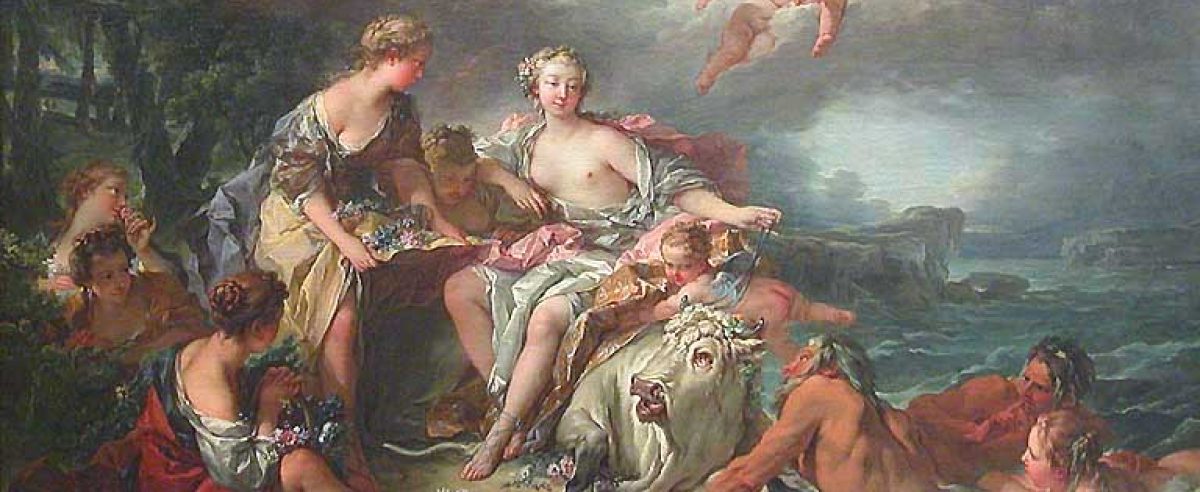
Heilo reflekterar över såväl termens som idéns antika ursprung. Men hjärnspöket kommer omedelbart tillbaka. Det ”möjliga” grekiska ursprunget till namnet Europa lyfts enligt Heilo ibland fram ”för att etablera känslan av en trygg och kompromisslös kontinuitet från antiken”. Vem gör det? När, var, hur? Framlyftandet erbjuder, påstår Heilo, en ”illusorisk säkerhet”. I själva verket, menar han, argumenterande medels vad han tycks uppfatta som nytt, djärvt, avslöjande sanningssägande, bör det faktum att ”den mytiska drottning Europa” mycket väl kan ”ha burit på reminiscencer av främreorientalisk mytbildning”, och att namnet kanske ”i detta sammanhang inget annat är än en grecisering av samma semitiska rot som än idag användes i arabiskan för att beteckna de nordafrikanska länderna väster om Levanten”, skapa osäkerhet, otrygghet rörande den europeiska identiteten. Så kan sannerligen endast ske hos Heilos hjärnspöke. Uppfattningen om Europas feniciska härkomst (innan hon blev drottning) var väl också antikens?
Nu är ju emellertid själva termens etymologi oklar, så Heilo vill inte förlita sig alltför mycket på en av flera möjliga tolkningar av den som huvudargument mot spöket. ”I alla händelser”, fortsätter han därför på säkrare mark, kvarstannande i antiken, ”är det viktigt att minnas det relativa perspektiv från vilket antikens greker betraktade Europa, Asien och Afrika”: ”Den Herodotos som skildrade kriget mot perserna härstammade från Mindre Asien, och den hellenistiska kultur som etablerade grekiskans ställning som kulturspråk från Medelhavet till Iran var först och främst levantinsk. Den tidiga kristendomen fattade fäste i samma urbana centrum där den helleniserade judendomen redan florerade: städer som Kartago (i dagens Tunisien), Alexandria (i dagens Egypten) och Antiokia (i dagens Turkiet).”
Heilo låter som om detta vore kontroversiellt, som funnes någon som förnekar och bestrider det. Det enda man vill sätta frågetecken inför är formuleringen om den ”levantinska” hellenistiska kulturen. Vad menar Heilo med det? Hellenistisk kultur fanns förvisso i Levanten, ja den fanns delvis hela vägen till Indien, efter att Alexander medfört den hellenska, d.v.s. helt enkelt grekiska, kultur som i och med denna och annan spridning och den oundvikliga blandningen blev till vad vi benämner med det ord Heilo uteslutande använder: hellenism och hellenistisk. Och det alldeles nybyggda romerska Karthago i vilken kristendomen spreds var väl knappast levantinskt, naturligtvis inte i det ursprungliga Karthagos mening, men inte ens i Alexandrias och Antiokias hellenistiska.
Hjärnspöket får åter komma till tals: ”När vi idag tenderar att betrakta hellenismen och kristendomen som konstituerande element i Europas identitet, och Medelhavet som något slags kulturgräns mot Asien och Afrika, förtränger vi alltså att Europa ur ett såväl hellenistiskt som kristet perspektiv faktiskt är att betrakta som en periferi till det förenande Medelhavet och inte tvärtom.” Vid det här laget börjar det bli mycket tydligt att det bara är sig själv, en del av sig själv, som Heilo talar om och till. Givetvis gäller det sagda om hellenismen och kristendomen. Att vi ”tenderar” (!) att betrakta dessa som konstituerande element i Europas identitet – de är ju centrala i den europeiska högkulturen, idé- och lärdomshistorien, konsten och arkitekturen, de stora europeiska språken – är förvisso riktigt, i två betydelser: det stämmer att vi gör det, och vi gör det med rätta. I detta ligger verkligen ingen otillbörlig förenkling.
Betraktar Heilo dem inte som konstituerande element? Motsätter han sig ”tendensen”? På vilket sätt råder en motsättning här till den historiska insikten om det ur hellenskt och kristet perspektiv förenande Medelhavet? Ingen ”förtränger” den senare. Menar Heilo, när han påstår att ”vi” gör det, att om vi inte gjorde det, skulle vi inte ”tendera” att betrakta hellenismen och kristendomen som konstituerande element i Europas identitet? Det är absurt. Tilläggas skall här att det ju inte bara är hellenismen utan i lika hög grad den tidigare hellenska kulturen som utgör ett sådant element. Även den återfanns ju på Mindre Asiens kust – men före Alexander knappast, trots de ständiga kontakterna och förvecklingarna med perserna, i någon större utsträckning eller i dess specifika egenart längre österut.
”Tendensen” att betrakta Medelhavet som en kulturgräns mot Asien och Afrika är däremot förvisso problematisk ur det historiska perspektiv Heilo diskuterar. Men återigen: är det någon som verkligen gör det? Om vissa idag på grund av flyktingkatastroferna i Medelhavet och Islamiska statens frammarsch tycker sig se en kulturgräns i nuet, är det ju knappast särskilt konstigt. Menar Heilo att majoriteten av flyktingar ”i Medelhavet” och Islamiska staten är bärare av senantikens hellenistiska och/eller kristna kultur? Det har så att säga ägt rum en del kulturella förändringar genom århundradena i vad Heilo här menar med Asien och Afrika.
Heilo fortsätter: ”Det kan förefalla lättare att förstå varför just islam kommit att framstå som ett väsensfrämmande eller rentav antitetiskt element till Europa”. Det vill säga, detta är lättare att förstå än varför ”vi”, enligt hjärnspöket, ”förtränger” att Europa, definierat på det sätt Heilo i samma mening förkastar och bejakar, ur den senantika hellenismens och kristendomens perspektiv är att betrakta som en periferi till det förenande Medelhavet och inte tvärtom. Onekligen är det svårt att förstå att någon skulle förtränga det. Ännu under förra århundradet var inte minst stora delar av Nordafrika länge i hög grad europeiska. Men det är lika svårt att se hur Heilo kan betrakta dagens åtminstone delvis fortfarande av den hellenska och hellenistiska kulturen såväl som kristendomen präglade, av Medelhavet avgränsade Europa som en periferi ur just dessa kulturers och denna religions perspektiv, i förhållande till Asien och Afrika i hans mening. Här skulle Heilo kunna synas förneka att det bland flyktingarna och hos Islamiska staten finns element som är väsensfrämmande eller rentav antitetiska till detta Europa.
Men som Heilo korrekt noterar var det ”ju de arabiska erövringarna på 600-talet som först avskilde Europa från den hellenistiska och kristna kulturen söder och öster om Medelhavet, för att följas av de Osmanska erövringarna på 1400-talet”. Just det. Här tillkom ett nytt element i Asien och Afrika, Medelhavet blev inte längre på samma sätt förenande, och idag, med den för den hellenistiska och kristna kulturen väsensfrämmande wahhabismens fundamentalistiska dominans, har situationen utan all tvekan ofta blivit antitetisk, eller långt mer antitetisk än den under åtminstone vissa historiska perioder och på vissa ställen varit. Det antitetiska här inte bara “förefaller” lättare att förstå, det är lättare att förstå. Men mot sitt envisa hjärnspöke vill Heilo hävda att vi genom att ”förtränga” vad han med åtminstone avsevärd rätt kallar den ”centrala utgångspunkten i östra Medelhavet” vidmakthåller ”illusionen om två perifera krafter – en europeisk och en islamisk – som aldrig möts”.
Till att börja med: två perifera krafter? Hjärnspökets enhetliga Europabild är alltså nu i sig bilden av en periferi? Och dess bild av islam är bilden av en annan periferi? Kring vad? Vilket är nu hjärnspökets centrum? Här kanske Heilo bara tänker eller skriver slarvigt; att döma av artikeln i övrigt är det så. Det är i och för sig illa nog, men det är inte tillräckligt för att här dröja vid. Allvarligare är det sätt på vilket Heilo, i sitt bekymmer över de egna hallucinationerna, sjunker ned till en ganska trivial historiepedagogik, som är förvånande både för forskaren och skribenten på kultursidan, och hur denna pedagogik relateras till dagens flyktingkatasatrofer och Islamiska staten: ”I islams långa historia har profetens städer Mekka och Medina spelat en rätt marginell roll: kalifatets första egentliga huvudstad var Damaskus, där den stora Umayyadmoskén ännu vittnar om hur snabbt erövrarna lade sig till med ett senantikt romerskt och kristet formspråk, och under senare århundraden skulle den sunnitiska världens kulturella centrum oscillera mellan Bagdad, Kairo och – efter den osmanska erövringen av Mellanöstern på 1500-talet – Konstantinopel, städer där det antika och kristna arvet var levande långt in i modern tid.”
Så är det förvisso. Vad är Heilo ute efter här? Kan det vara så banalt att han bara, som så många andra, vill mot en förenklad karikatyr av en problematisk europeisk identitet i nuet ställa en historisk idealbild av islam? I detta fall med särskilt stark tonvikt på de gemensamma, senantika komponenterna, så att islam så att säga framstår som mer europeiskt eller mer sant europeiskt än Europa? Jag ser dessvärre ingenting som talar mot denna tolkning. Sådant som vi européer på enligt Heilo problematiskt sätt “tenderar” att identifiera oss med, som “ett senantikt romerskt och kristet formspråk”, bidrar i islams fall till idealbilden.
”Dikotomin mellan orient och occident – där även den postkoloniala debatten alltsomoftast tenderar att köra fast – är med andra ord självuppfyllande”, fortsätter han. Om man bortser från den klumpiga formuleringen, är jag den förste att instämma i detta, ifråga om det för nuet förvisso inte helt oväsentliga historiska perspektivet såväl som analysen av samtliga här relevanta större, andliga såväl som materiella sammanhang. Men nu kastar sig Heilo tillbaka till det moderna Europas identitetskonstruktion, och hänvisar till Jürgen Osterhammels Die Entzauberung Asiens från 1998. I denna ”nytolkning av 1700-talets europeiska upptäcktsresor i Asien” tonades ”det ensidiga fokus på kolonialpolitik och imperialism” ned, och den ”vetgiriga öppenhet som inte enbart präglade den europeiska utblickan på världen under upplysningstiden utan även synen på Europa som sådant” lyfts i stället fram. Detta är utan tvekan viktigt. Men just denna vetgiriga öppenhet har också mycket länge påpekats som konstitutiv för den europeiska identiteten av många försvarare av den senare gentemot den karikatyrmässiga radikala kulturkritiken. Och inte bara som präglande 1700-talets uppräcktsresor och upplysningen, utan som lika konstitutiv såväl före som efter dem. Den fanns redan hos de förhellenistiska grekerna (Herodotos nämndes av Heilo själv), Alexander medförde Aristoteles’ lärjungar ända till Indien, och ett stort mått av ”öppen” kulturblandning kom senare att prägla det romerska kejsardömet till dess slut; den fanns vidare under renässansen, och den fanns inte minst under 18- och 1900-talen, då med det nya historietänkandet de reguljära historievetenskapliga discipliner som utforskade andra kulturer utvecklades.
Detta tycks Heilo emellertid inte hålla med om. Hans fokus på frågan om definitionen av Europa resulterar här i ett uppenbart bristfälligt historiskt grepp: “I takt med att Asien genomrestes av den tidigmoderna erans kartografer” blev det ”alltmer uppenbart att Europa inte kunde avgränsas österut på några egentliga geografiska grunder”. (Att Jerusalem var världens mittpunkt på ”senare kristna kartor där Europa framställdes som en ö skild från Asien” är ju knappast ägnat att förvåna.) Man ”vidhöll namnet av konvention, men frågan var det började och slutade lämnades öppen och emotsågs heller inte med någon större ängslighet”. Man vidhöll namnet av konvention? Svarade namnet således redan här, ja sedan den långa tid som krävs för att en konvention ska kunna etableras, mot ett begrepp definierat genom ängslig avgränsning österut på geografiska grunder, som angav var Europa började och slutade? Hur går det i så fall ihop med påståendet att ett sådant enhetligt begrepp, en sådan definition, en sådan bild och idé, ”började uppstå först för ett par hundra år sedan”? Den skulle ju, beklagligtvis, ha uppstått först efter det öppna och vetgiriga 1700-talet? Här framställer Heilo det i stället som om det är 1700-talet som bryter med en sådan föreställning.
Men bara för att omedelbart, i nästa mening, återgå till den tidigare, oförenliga beskrivningen: ”Hur började Europa framstå som en sluten fästning i denna förvirrande globala mångfald?” Är det någonting som är förvirrat här så är det Heilos resonemang. Denna förvirrande globala mångfald?! 1700-talets upptäcktsresande hade alltså upptäckt att Europa ”inte kunde avgränsas österut på några egentliga geografiska grunder”. Genom hela artikeln har Heilo etablerat och insisterat på att den hellenistiska och kristna kulturen var gemensam för det förenande Medelhavet och hade sitt centrum i Levanten, ja, att Islam blev en del av samma kultur. Det var detta som – och historiskt helt riktigt – gjorde spökbilden av det från Medelhavet och Levanten avskilda, enhetliga Europa illusorisk. Det vill säga gränsdragningen var oklar just därför att det inte var fråga om någon större mångfald, och än mindre någon förvirrande sådan, utan om en enhet, på sitt sätt lika stor som Heilos hjärnspökes: Heilo själv framställer det som en hellenistisk-kristen enhetskultur.
Vidare: varför smyger Heilo här in det trots denna enhetskulturs obestridligen stora utbredning (ännu under seleukiderna sträckte den sig ända till Indien och hade åtminstone viss fortverkan än längre österut) överdrivna, irrelevanta och missvisande ordet ”global”? Kanske bara naivt, eftersom det sedan länge blivit ett vanligt ord som alltför ofta används på ogenomtänkt sätt. Men kanske också därför att han omfattar eller vill signalera anslutning till dagens distinkta, globalistiska multikulturalistiska ideologi: genom hela artikeln (som illustreras av “en sliten EU-flagga” som “vajar på den grekiska kusten”) kopplar författaren sitt forskningsområde till aktuella politiska frågor och frågor med politiska konsekvenser, och även ordet “mångfald” har ju alltför ofta blivit en billig politisk propagandakliché. Men inte heller detta går ju då ihop med den frammanade historiska bilden av enhetskulturen. Budskapet i denna uppenbart som för nuet relevant framställda historiska tillbakablick är endast att hjärnspökets aktuella Europaidé är felaktig eftersom det inte finns något – eller tillräckligt mycket – specifikt europeiskt som kan avgränsas från Asien och Afrika, och att detta i sin tur beror på att dessa senare ägt (och man får nästan intrycket att Heilo menar att flyktingarna i allmänhet och Islamiska staten fortfarande äger) samma hellenistisk-kristna kultur.
Heilo återger Osterhammels uppfattning att en ”avgörande omsvängning” äger rum kring sekelskiftet 1800, då ”fokus bland franska revolutionens samtida tycks skifta från att öppet och nyfiket kartlägga världen till att spåra slutna linjära mönster i tiden”. Som exempel på detta nämns Hegel, med hänvisning till Albrecht Koschorkes Hegel und wir (2015). Linjära mönster i tiden känns kanske inte som den allra mest rättvisande beskrivningen av vad Hegel spårar, men det är begripligt vad som avses. Heilo fäller det måttlösa omdömet att Koschorkes sätt att ta sig an Hegels historiefilosofi och dess kontext är ”uttömmande på ett såväl historiskt som filosofiskt plan”. Ett sådant omdöme kan endast avges av en forskare som inte själv primärt ägnar sig åt denna epok och dess tänkare.
Men låt gå för beskrivningen att hos Hegel ”framstår det starka behovet att spåra en linjär utveckling från antikens greker till den preussiska byråkratstaten som ett försök att – i den märkliga blandning av revolution och reaktion som är så egen för Hegel och hans oroliga tid – ge den moderna människan en egen skapelseberättelse och eskatologi. Från Hegels preussiska horisont blir de förvirrande gränsområdena i söder och öster till ett slags exotiska inslag i ett ’Europa’ som i inre mening verkar inskränka sig till det protestantiska Nordeuropa (och företrädesvis dess filosofer).” Så tedde det sig onekligen i hög grad för Hegel. Men det fanns åtminstone en del goda historiska skäl för det. Saker och ting hade, som jag redan nämnt, förändrats under århundradena. Kulturens tyngdpunkt och centrum hade förskjutits. Denna kontext tycks Heilo helt ha missat, eller snarare, för att använda hans eget ord: förträngt.
Men framför allt blir det problematiskt att i detta sammanhang fokusera enbart på Hegel. Det ger ju helt enkelt inte en rättvisande bild av Hegels tid. Hegels var endast en variant av det nya historicistiska tänkandet. Lika kännetecknande var en växande ny förmåga att förstå just andra historiska epoker och mer eller mindre andra kulturer, ja att uppfatta bland annat just den typ av relativitet ifråga om historiska perspektiv som Heilo inskärper vikten av. Nya intellektuella resurser ställdes helt enkelt i den gamla europeiska öppna, vetgiriga utblickens tjänst. Men att Heilo ser hela denna nya, till att börja med primärt tyska historiska kultur som ett entydigt steg tillbaka bekräftas av hans av Eberhard Straubs Der Wiener Kongress. Das große Fest und die Neuordnung Europas (2014) förmedlade förståelse att ”De statsmän som möttes i Wien 1814-15 för att diskutera en nyordning efter franska revolutionen och Napoleonkrigen”, trots att deras förtjänster i jämförelse med segrarna i Versailles 1919 erkänns, i ”den ängslighet, med vilken de försökte bemöta den nya tidens liberala strömningar” visade ”på en allt snävare förståelse av de globala sammanhang som hade fört detta Europa till den punkt där det befann sig.”
Återigen är det, alltför svepande, fråga om ”globala” sammanhang. Förvirringen vidareutvecklas också till att omfatta den distinkt politiska dimensionen. Var det inte i verkligheten ”den nya tidens liberala strömningar”, de liberaler som var Metternichs motståndare, som alltifrån denna tid var mest angelägna att definitionsmässigt avgränsa Europa från orienten och lyfta fram den grekiska kulturen som Europas ursprung, och framför allt som ursprunget till dess politiska, filosofiska, vetenskapliga och allmänkulturella frihet och framsteg? (Det senare gjorde att det var den förhellenistiska grekiska kulturen som betonades, de frihetliga statsstaternas, inte den alexandrinska, med ofria persiska element uppblandade imperialistiska; den franska revolutionen byggde ju också specifikt på den romerska republiken, i motsats till kejsardömet.) Detta var ju ett genomgående drag i 1800-talets liberalism, och även en stor del av 1900-talets. Ofta var det en förenklad uppfattning, om än knappast så förenklad som Heilos banala hjärnspökes. Att analysen av västerlandets ”differentieringsprocess” måste invänta nödvändig justering, fördjupning och precisering hos en tänkare som Eric Voegelin (mycket återstår ännu, även hans analys har brister som delvis vederbörligen påtalats), innebar inte att 1800-talsliberalernas bild inte innehöll vissa väsentliga sanningar.
Heilo fortsätter: ”När det grekiska frihetskriget mot osmanerna bröt ut år 1821 saknade man riktlinjer för att förhålla sig till en konflikt som på en gång tycktes beröra det nya Europas historiska identitet och samtidigt låg bortom de geografiska råmärken som man hade utstakat.” Hur skulle denna konflikt kunna ligga bortom de av tiden efter franska revolutionen utstakade, som bröt med 1700-talets utblick som utan ängslan lämnade frågan om var Europa började och slutade öppen, och i stället började framställa Europa som en sluten fästning, genom en dikotomi mellan occident och orient? Det var ju tvärtom just det avgörande för de liberala romantikerna att Grekland låg inom råmärkena och osmanerna bortom dem. Det förhöll sig väl enbart och entydigt så att detta krig för dem berörde ”det nya Europas historiska identitet”? Det var väl just detta som förklarade och motiverade engagemanget? ”Grekland kom att förkroppsliga drömmen om en ny guldålder för de liberala krafterna”, skriver Heilo riktigt. Men därmed var det just dessa av Wienkongressen bemötta krafter som etablerade den nya, skarpare öst-väst dikotomin, avskiljandet gentemot och avståndstagandet från orienten och dess hopplösa ofrihet, dess despoti, dess statiska tröghet, dess oförbätterliga förtryckande religion och så vidare. Under Sovjetsystemets tid på 1900-talet kunde bilden av denna förtryckande orient projiceras på Stalins variant av kommunismen – trots att för kommunisterna i allmänhet, alltsedan Marx, och även för Stalin, den “trygga och kompomisslösa” kontinuiteten med samma Hellas var lika stark som för liberalerna.
Emellertid spelade frihetskriget, fortsätter Heilo, ”i praktiken det auktoritära Ryssland i händerna, något som England inte stillatigande kunde acceptera. Krimkriget 1853-56 och Balkankrisen 1875-78 förebådade redan den dominoartade serie av händelser som mellan åren 1908 och 1913 skulle bereda väg för den kommande katastrofen.” Formuleringen om händelserna från Krimkriget fram till den ”kommande katastrofen” är för kort för att inte bli oklar (i katastrofen var ju Ryssland och England allierade), men kopplingen av frihetskriget till Ryssland är väsentlig, och det är rätt av Heilo att ta upp frågan om Ryssland i en diskussion av det aktuella ämnet. Tyvärr är dock hans förståelse även här förvirrad. Vi kommer nu, menar han, till ”den tredje och kanske ömmaste punkten i hela Europabegreppet”. Den tredje? Vilka var de två första? Hellenismen och kristendomen? Av de skäl jag kort berört finns inte det minsta som är ”ömt” i dessa punkter. Till dem ska nu alltså läggas – Ryssland, och därmed oundgängligen något specifikt ryskt som gör det befogat att tala om en separat, tredje punkt? Det är förvisso riktigt att Ryssland bland annat är en del av Europa. Men som ”tredje punkt” i Heilos Europabegrepp blir den delen märklig.
“När den pågående krisen bröt ut i Ukraina 2014”, heter det, ”var det många som påpekade att detta var landet i Europas geografiska mitt. Vad de glömde var att hela definitionen av ett Europa som sträcker sig till Uralbergen faller tillbaka på Peter den stores geograf Vasilij Tatisjtjev, som med denna tolkning säkrade Rysslands position som en i ordets geografiska mening europeisk stormakt.” Jag håller med Heilo om att ekvationen inte går ihop, såtillvida som dessa personer var antiryska eller anti-Putin och ville inlemma Ukraina i EU som skydd mot Ryssland. Givetvis kan ingen säga att Ukraina är Europas mitt utan att räkna Ryssland till Europa.
Det intressanta, och antagligen signifikativa i ljuset av hela artikeln och hela dess starkt framhävda huvudargument, är att Heilo i själva verket tycks känna tvekan inför att räkna Ryssland till Europa, att godta Tatisjtjevs tolkning. Men om den inte redan gjort det sjunker artikeln vid denna punkt slutgiltigt ned i hopplös grötighet och ogenomträngligt dunkel. ”Under det sekel som följde – och långt innan England och Frankrike började etablera kolonier på Osmanska rikets territorium – skulle”, heter det, ”den ryska expansionen kring Svarta havet och mot östra Medelhavet, men även kring Kaspiska havet och mot Centralasien, komma att uttryckas i termer av ett slags europeisk reconquista gentemot Asiens turkfolk och muslimer.” Detta är för Heilo problematiskt inte minst därför att det, förutom att vara ”en tanke som föreföll ämnad att appellera till Östeuropas historiska erfarenheter från krigen mot Osmanska riket”, också ”skulle etablera en djupgående rädsla för hur långt Ryssland självt var redo att sträcka sin skyddsmakt över områdets ortodoxa kristna och slaver”. Heilos ämne är viktigt och intressant, och det är även hela hans forskningsinriktning. Därför skulle det kanske vara värt att försöka reda ut eller genomföra en välgrundad tolkning av vad han menar här. Men en trötthet inställer sig också. Man vill hoppas att Heilo återkommer om detta på en nivå av elementär klarhet, och även större utförlighet.
Exakt vilken är innebörden av det Heilo säger om Ryssland och dess historiska agerande efter det grekiska frihetskriget för frågan om Europas identitet? Det kan väl inte vara så att Ryssland fortfarandes står för en orientalisk despoti, som hotar såväl Östeuropa som Asiens turkfolk och muslimer? En sådan syn på orienten strider väl mot Heilos hela historiska förståelse? Ingenting sägs i alla fall om någon sådan despoti när det gäller turkfolken och muslimerna. Att Ryssland, och i än högre grad naturligtvis det gamla ryska imperiet, innefattar icke-europeiska komponentet även bortom sådana som islam tillförde vad Heilo menar var den levantinska hellenistisk-kristna enhetskulturen (judarna omnämns bara i föregående av Heilo), är uppenbart. Men Ryssland övertar ju samma hellenistisk-kristna civilisation som en gång osmanerna och tidigare även andra muslimer, och betonar starkare än något annat land sitt bysantinska arv. Med Heilos förståelse, enligt vilken islam ”långt in i modern tid” generellt är bärare av samma hellenistisk-kristna enhetskultur som övertogs under senantiken, krigade ju ryssarna och osmanerna endast inom ramen för denna enhet. Just Ryssland har ju också på grund av sin geografiska belägenhet, sin historia, sitt imperium, i högsta grad präglats av den icke-ängsliga oavgjordhet inför gränsdragningsfrågorna som Heilo är så angelägen att försvara.
”Liksom antikens människor definierade Europa utifrån det Medelhav som Churchill senare skulle beteckna som dess sårbara punkt”, skriver Heilo, ”har alltså även Europas moderna gräns mot Asien kommit att definieras utifrån en position som utgör ett smärtsamt ärr i dess nyare historia.” Det går inte att reda ut det här. Europas moderna gräns mot Asien? Mot Ryssland? Mot Turkiet? Även denna gräns har definierats utifrån en position som utgör ett smärtsamt ärr i Europas nyare historia, liksom antikens människor definierade Europa utifrån Medelhavet? Hellenismens enhetskulturella uppfattning av världen var ju för Heilo oproblematisk och korrekt, i motsats till det på nytt sätt självdefinierande moderna Europas identitet, som, byggande på felaktiga historiska linjer och “trygg och kompromisslös” kontinuitet, i verkligheten snarast innebär ett brott, och, som ömsom fästning, ömsom sandslott, är fragil, godtycklig, illusorisk, öm.
Heilos dramatiska slutsats saknar varje begriplig relation till någonting som sagts – eller åtminstone varje relation till någonting begripligt i det som sagts – i artikeln: ”Vill man vidmakthålla bilden av Europa som en kontinent i något slags andlig – om än inte geografisk eller geologisk – mening skulle man kanske kunna säga att även en abstrakt definition kommer att präglas av tektoniska spänningar som förr eller senare, i takt med att de förskjuts från sitt centrum, måste förorsaka en jordbävning.” Inget som helst av det Heilo tar upp visar på någon identitetskris som skulle vara Europas arvedel. Hans diskussion bidrar inte på något meningsfullt sätt till att belysa det viktiga ämnet.
Alexander and Porus
Charles-André van Loo

“The consciousness of what is Greek and what is alien, the interpretation of ‘philosophy’ and ‘wisdom’ and the attitude toward the Orient change fundamentally during the final part of classical antiquity. Another kind of receptivity takes the place of the curiosity and openness of the ἰστορειν. The external, but by no means merely accidental, event which opens up much vaster dimensions for the Western view of the Orient, and totally new possibilities for the relationship of East and West, is the appearance of the ‘world conqueror’ Alexander. This event overcomes more than external barriers, and represents more than merely a military conquest. The idea of a genuine cultural encounter between East and West, a synthesis as it were, a marriage of Orient and Occident, has been associated with Alexander’s conquests from the beginning, and we may assume that this was also a part of his own world-view.” Wilhelm Halbfass, India and Europe: An Essay in Understanding (1988), p. 7.
Armin Mohler & Karlheinz Weissmann: Die konservative Revolution in Deutschland, 1918-1932
Ein Handbuch
6., völlig überarbeitete und erweiterte Auflage
Ares Verlag, 2005
 Das in fünf Auflagen erschienene bio-bibliographische Handbuch Armin Mohlers ist längst ein Klassiker und unverzichtbares Hilfsmittel für jeden, der sich mit der Geschichte der rechten und konservativen geistesgeschichtlichen Strömungen während der Weimarer Republik beschäftigt.
Für die sechste Auflage wurde das Standardwerk von einem der profundesten Kennern der Materie, Karlheinz Weißmann, überarbeitet, in dessen Hände Mohler die Fortführung seines Werkes vor seinem Tod legte. Ohne den bisherigen Duktus des Buches zu ändern, hat Weißmann eine Fülle von neuen wissenschaftlichen Erkenntnissen in diese Neuauflage einfließen lassen.
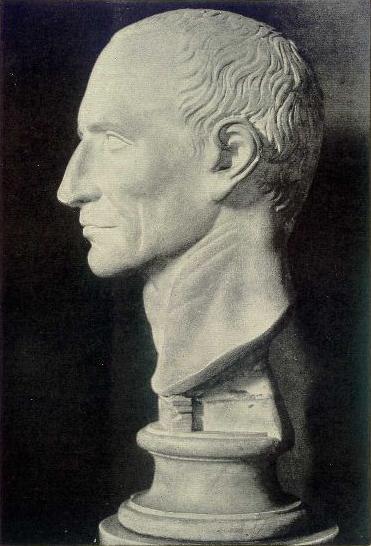
Julius Caesar
Marx

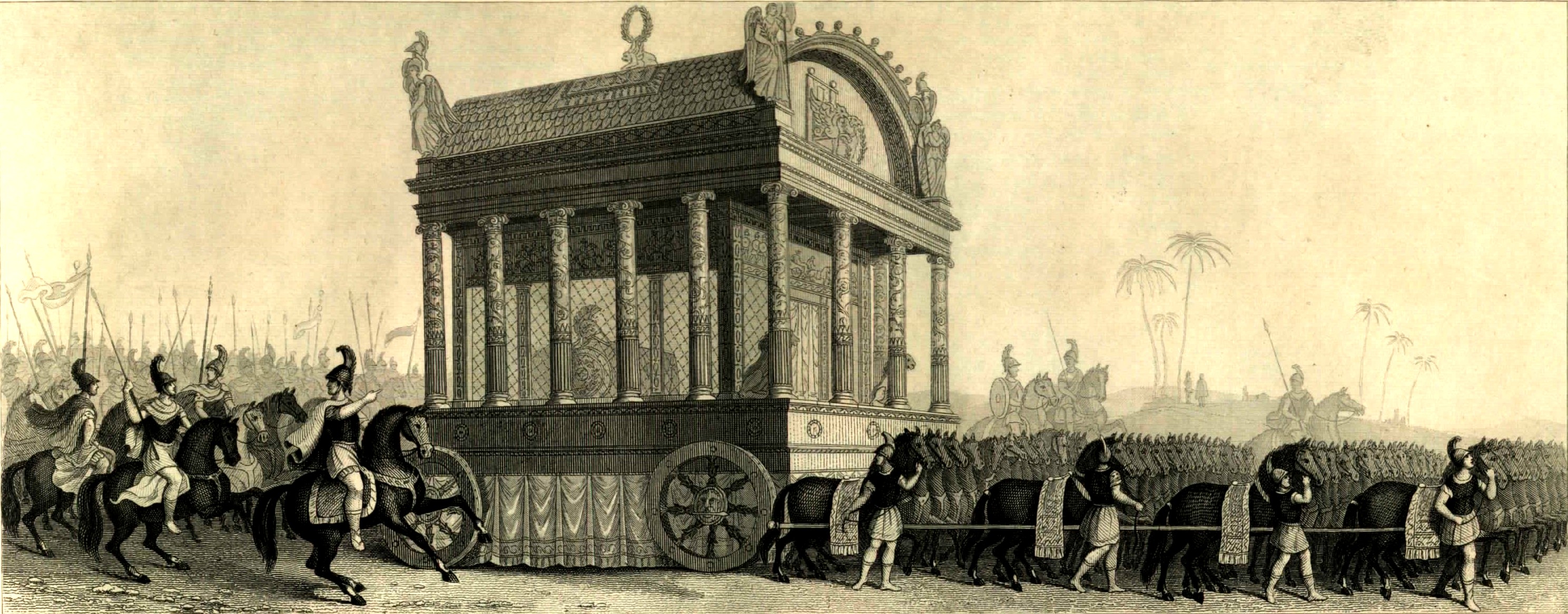
The Funeral Procession of Alexander the Great
Based on the description of Diodorus
Yuri Slezkine: The Jewish Century
Princeton University Press, 2006 (2004)
 Winner of the 2005 National Jewish Book Award, Ronald S. Lauder Award in Eastern European Studies, Jewish Book Council
Winner of the 2005 Wayne S. Vucinich Book Prize, American Association for the Advancement of Slavic Studies
Winner of the 2004 Award for Best Professional/Scholarly Book in Religion, Association of American Publishers
This masterwork of interpretative history begins with a bold declaration: The Modern Age is the Jewish Age – and we are all, to varying degrees, Jews.
The assertion is, of course, metaphorical. But it underscores Yuri Slezkine’s provocative thesis. Not only have Jews adapted better than many other groups to living in the modern world, they have become the premiere symbol and standard of modern life everywhere.
Slezkine argues that the Jews were, in effect, among the world’s first free agents. They traditionally belonged to a social and anthropological category known as “service nomads”, an outsider group specializing in the delivery of goods and services. Their role, Slezkine argues, was part of a broader division of human labor between what he calls Mercurians – entrepreneurial minorities – and Apollonians – food-producing majorities.
Since the dawning of the Modern Age, Mercurians have taken center stage. In fact, Slezkine argues, modernity is all about Apollonians becoming Mercurians – urban, mobile, literate, articulate, intellectually intricate, physically fastidious, and occupationally flexible. Since no group has been more adept at Mercurianism than the Jews, he contends, these exemplary ancients are now model moderns.
The book concentrates on the drama of the Russian Jews, including émigrés and their offspring in America, Palestine, and the Soviet Union. But Slezkine has as much to say about the many faces of modernity – nationalism, socialism, capitalism, and liberalism – as he does about Jewry. Marxism and Freudianism, for example, sprang largely from the Jewish predicament, Slezkine notes, and both Soviet Bolshevism and American liberalism were affected in fundamental ways by the Jewish exodus from the Pale of Settlement.
Rich in its insight, sweeping in its chronology, and fearless in its analysis, this sure-to-be-controversial work is an important contribution not only to Jewish and Russian history but to the history of Europe and America as well.
Table of Contents:
Preface
Acknowledgments
Introduction
1 Mercury’s Sandals: The Jews and Other Nomads
2 Swann’s Nose: The Jews and Other Moderns
3 Babel’s First Love: The Jews and the Russian Revolution
4 Hodl’s Choice: The Jews and Three Promised Lands
Notes
Index
Reviews:
“One of the most innovative and intellectually stimulating books in Jewish studies in years… [An] idiosyncratic, fascinating and at times marvelously infuriating study of the evolution of Jewish cultural and political sensibility in the 20th century… Nearly every page of Slezkine’s exegesis presents fascinating arguments or facts.” Publishers Weekly
“Jews are not unique, [Yuri Slezkine] maintains in his fascinating new study, and it is only European provincialism that makes them seem that way… Slezkine’s interpretation of Jewish history…is wonderfully antiparochial not only vis-à-vis the Jews but vis-à-vis America, which, he reminds us, not everyone saw as a promised land and which large portions of the huddled masses struggled to avoid.” Daniel Lazare, The Nation
“To come across a daring, original, sweeping work of history in this age of narrow specialization is not just a welcome event; it is almost a sensation.” Walter Laqueur, Los Angeles Times
“If Osama Bin Laden ever reads this book, he will be spinning in his cave.” Gene Sosin, The New Leader
“For Slezkine, Jews, urban, mobile, literate, flexible, have been role models of adaptability in a changing modern landscape.” Joel Yanofsky, National Post
“Brilliant… The Jewish Century is history on a majestic scale… [It] is fresh, compelling and frequently startling… The clarity of analysis is extraordinary, and the relatively simple conceptual tools Slezkine provides are unexpectedly powerful.” Noah Efron, Jerusalem Report
“This book is witty, sardonic and clever, written with zest and brilliant imagination and presents us with remarkable images of our recent past.” John Levi, Australian Jewish News
Yuri Slezkine’s The Jewish Century defies standard categorization, and this makes it a masterly work of history.” Marc Dollinger, Journal of American History
“[T]his is a brilliant book – it is extremely well written… Slezkine’s book joins a very small number of first-rate studies of the modernization of the ‘Jews’ seen through the lens of eastern rather than western history… Buy the book; read the book; use the book in Russian history and Jewish culture classes.” Sander L. Gilman, Slavic Review
“The Jewish Century revives, with intellectual sophistication and stylistic verve, an old perception of the Jew’s centrality to modernity.” Hillel Halkin, Commentary
“Reading Yuri Slezkine’s scholarly arguments…may make for difficult reading but it also provides intriguing ventures into highly original thinking.” Jewish Book World
“Yuri Slezkine’s work…is a serious scholarly study of East European Jewry in the modern age, but dressed up in an eccentric and nonconventional style… [An] immensely entertaining and diputatious book… It is a work which will simultaneously inform, irritate, and entertain any reader with an interest in Russian, the Soviet, or modern Jewish history.” John D. Klier, Russian Review
“This brilliant essay may significantly alter how we think about twentieth-century history… The part that the Jews played in Soviet Russia, or, perhaps better, the part that Soviet Russia played in the cultural imagination of the Jews, lies at the heart of the book.” Angus Walker, Central Europe
“Yuri Slezkine has written an extraordinary book with continual surprises. A landmark work.” Ronald Suny, University of Chicago
“I can think of few works that match the conceptual range, polemical sharpness, and sheer élan of The Jewish Century. An extraordinary book: analytically acute, lyrical, witty, and disturbing all at once.” Benjamin Nathans, author of Beyond the Pale: The Jewish Encounter with Late Imperial Russia
“Yuri Slezkine’s book is at the same time very personal and very erudite. A blend of political and cultural history at its best, it is a splendid work, beautifully written. A true accomplishment by a master historian.” Jan T. Gross, author of Neighbors
“Once every few decades, a book forces a reevaluation of basic assumptions in a field. Yuri Slezkine’s passionate and brilliant tour de force not only challenges received wisdom about Russian and Soviet Jews, but just as provocatively overturns the uniqueness that many ascribe to Jewish history altogether. The Jewish Century is a work sure to spark heated debate not only about the Jews, but also about what it means to be modern.” David Biale, editor, Cultures of the Jews: A New History
“The Jewish Century is an extraordinarily stimulating and ambitious piece of work that invites debate and controversy. Slezkine’s account is subtle, beautifully written, and very moving; it combines humor, irony, and understated passion.” Tim McDaniel, author of The Agony of the Russian Idea
“This is a strong, well-documented, passionately argued, original, and bold essay on history, or the ideology of history, in what I called ‘a Jewish century’ (see my Language in Time of Revolution). One wants to argue with the author on many pages of the manuscript, but it is such a powerful, sweeping statement that it must be left whole and intact, as a central position in future arguments on modernity, the twentieth century, and the history of the Jews.” Benjamin Harshav, Yale University
About the Author:
Stig Strömholm: Europa och rätten
Natur och Kultur, 1991
Vitterhetsakademiens skriftserie om Europa
Baksida:
 Vitterhetsakademiens skriftserie om Europa vill bidra med kunskap om bakgrunden till de integreringssträvanden och de nya konflikthot som präglar den senaste politiska utvecklingen i Europa. Akademien som företräder humanvetenskaperna i vid mening i vårt land vill med denna serie ställa sina ledamöters och andra ledande forskares kunskaper om Europas kultur, historiska utveckling, språkliga mångfald och samhälleliga struktur till allmänhetens förfogande. Akademiens roll är i sammanhanget just förmedlande. För skrifternas sakliga innehåll och värderingar svarar givetvis de enskilda författarna själva. Det är redaktionens strävan att serien i sin helhet på ett så allsidigt och tankeväckande sätt som möjligt skall bidra till belysningen av Sveriges nutida och framtida roll i ett Europa som är både traditionsrikt och statt i snabb omvandling.
Stig Strömholm förmedlar en överskådlig men inte alltför förenklad bild av rättsarvets roll som sammanhållande element i dagens Europa. I denna historiska framställning ses rätten och rättstänkandet som en väsentlig beståndsdel – kanske rent av den väsentligaste – i det samlade arv som ger Europa och västerlandet dess identitet.
Stig Strömholm, f. 1931, professor i civilrätt med internationell privaträtt vid Uppsala universitet, tillika universitetets rektor och Vitterhetsakademiens preses. Vid sidan av sin rika vetenskapliga produktion har han ett omfattande författarskap i form av skönlitterära verk och lärda essäer.
Carl Johan Ljungberg: Edmund Burke
SNS Förlag, 2008
Förlagets presentation:
 Den brittiske juristen, politikern och litteratören Edmund Burke (1729−1797) är känd som ”konservatismens fader” och som förespråkare för det gamla samhället och dess eliter. Han författade inflytelserika skrifter och höll känslostarka och uppmärksammade tal inom estetik och politisk idédebatt. Den franska revolutionen samt Irlands, de amerikanska koloniernas och Indiens situationer engagerade honom särskilt.
”Bevara genom att förändra”, skrev han, och gjorde stora insatser inom nya reform- och liberaliseringsfrågor, aktualiserade av tidens ekonomiska omvälvningar.
Recensioner:
“Den är ett nyansrikt och mångsidigt porträtt tecknat på ett enkelt och lättförståeligt sätt.” Jakob E:son Söderbaum, Tradition & Fason
“… tunn skrift som dock innehållsmässigt är bred och mycket användbar som kortreferens.” Gunnar Westling, BTJ
 Olle Bengtsson