Detta är en tidigare opublicerad uppsats skriven omkring 1998, som jag nu något putsat på. Den avspeglar delvis forskningen och debatten vid denna tid, men är ej begränsad till dessa. Karin Johannisson bidrog med vänliga förslag om språkets förenkling.
–
Frågan om biografins vetenskapliga värde som historiografisk genre sammanhänger oupplösligen med och kan inte besvaras eller närmare utredas utan beaktande av distinkta teoretiska frågeställningar. Det beror naturligtvis inte på att enklare biografiska fakta som sådana skulle vara vetenskapligt kontroversiella. Att biografin på detta område länge varit omstridd beror istället på ifrågasättandet av dess relativa betydelse inom historievetenskapen som helhet, ett ifrågasättande som i sin tur sammanhänger med frågan om den historiska individens relativa betydelse i historien. Den renässans som vi sedan en tid kan iakttaga för den typ av seriös biografi som kan göra anspråk på vetenskaplig relevans [1] har delvis att göra med en förändring av den historieteoretiska diskussionen, om än stundom också med helt olika, ja motsatta riktningar i dess senaste utveckling. [2]
De filosofiska perspektiv som ytterst avgör vår uppfattning om biografins – och mer allmänt den personhistoriska forskningens – vetenskapliga ställning har att göra med frågorna om det historiska subjektets väsen, om historiens drivkrafter, om förhållandet mellan subjekt och struktur, och naturligtvis om den vetenskapliga kunskapens natur i allmänhet, inte minst med hänsyn till problemet med det enskilda och det allmänna och deras inbördes relation. Den gamla och omfattande filosofiska debatten om dessa frågor kan här självfallet endast tangeras; huvudsakligen anknyter jag till den aktuella debatten om biografin i den utsträckning som frågor av detta slag där figurerar. Av distinkta historiska orsaker, som jag också skall diskutera, är det emellertid långtifrån alltid som de gör det. Den i vid mening postmoderna biografidebatten präglas i hög grad, och delvis av rent programmatiska skäl, av teorins frånvaro. [3]
Emellertid är det viktigt att redan från början ha klart för sig inte bara att dessa frågor är avgörande, utan också att de i den filosofiska debatten framstår som oavgjorda, även, och inte minst, om vi avgränsar debatten till den sedan några år pågående. Det finns, bland de som fortfarande eller ånyo inser deras vikt, helt enkelt ingen konsensus, inga bindande slutsatser åt vare sig det ena eller andra hållet. Stundom leder just ett sådant tillstånd till att diskussionen, själva frågornas ställande, upphör eller åtminstone avtar – varken det nypositivistiska minimerandet av själva utrymmet för meningsfullt frågeställande eller marxismens och strukturalismens svar har ersatts av några andra horisonter än postmodernismens ateoretiska ironism och relativism, som delvis implicerar eller är ett uttryck för en uppfattning om slutsatsernas omöjlighet. Mot denna tendens kunde hävdas att oavgjordheten snarare borde inspirera till ett förnyat, vidare och djupare frågande under mobilisering av större, outnyttjade, bortglömda eller oförstådda filosofiska resurser – dock givetvis utan att den moderna historiografins tidigare, viktiga och bestående insikter förloras ur sikte.
Om biografins renässans i vissa läger sammanhänger med ett nytt accepterande av subjektet och individen i historien, föregicks denna renässans omedelbart av det historiska subjektets försvinnande – åtminstone som självständigt tänkande och med medveten avsiktlighet handlande – inom främst New Criticism-rörelsen, strukturalismen (inklusive den strukturalistiska marxismen) och poststrukturalismen. Redan dessförinnan hade emellertid uppskattningen av det individuella historiska subjektets betydelse i hög grad, om än på olika sätt och av olika orsaker, försvunnit: inom den äldre positivismen med dess miljöteori, inom historiematerialismens huvudströmningar, i Lamprechts typ av kulturhistoria och Webers typ av socialhistoria, i den historieskrivning som inspirerats av den logiska empirismens deduktivt-nomologiska förklaringsmodell, i kunskapssociologin, och i den riktning som representerades av Annales-skolan.
Begreppet ”struktur” används naturligtvis i historieskrivningen också i en mer allmän, mindre exakt, och annorlunda mening än i den riktning som benämns strukturalism. Mot det individuella subjektet, och i växelverkan med detta, står i historien överindividuella krafter och faktorer, bland vilka återfinns inte bara relativt fixa och statiska strukturer, vissa temporärt begränsade och föränderliga, andra mer tidlösa, utan också exempelvis processer som kan förstås i opersonliga termer. Alf W. Johansson ser sig föranledd att i sin artikel ’Det biografiska i historien’ [4] exemplifiera med historiska fenomen som icke kan förstås endast i termer av historiska individer, hur framstående de än varit. Inte bara det moderna samhällets ”organisationer, byråkratier, partier, offentlighet etc.” (strukturer) utan även fenomen som ”industrialisering, byråkratisering, sekularisering, urbanisering etc.” (processer) måste för att förstås betraktas också oberoende av de individuellt-subjektiva historiska aktörerna. Strukturer i denna mer anspråkslösa mening, i förening med överindividuella processer (och även idéer, idékonstellationer, idéströmningar och idéförändringar måste naturligtvis behandlas i överindividuella termer), kan emellertid dialektiskt förenas med en teoretisk fokusering av individen av sådant slag som gör det biografiska angreppssättet inte bara legitimt utan nödvändigt. [5]
I strukturalismen däremot betyder struktur något annat och långt mer precist. Genom extrapoleringen av den saussureanska lingvistikens kategorier till det ena efter det andra av historiens och kulturens områden tenderade strukturalisterna med tiden att upphäva inte bara subjektets roll och dialektiken mellan subjekt och struktur, utan också de historiska processerna, i deras förhållande till strukturerna, som teoretiskt begripliga och förklarbara. Allt detta innebar, bortom de partiella sanningarna, en rad filosofiska svårigheter som jag här inte närmar kan gå in på, och det är inte förvånande att riktningens kulmination visade sig som en självupplösning, som dock snabbt ställde oss inför dess endast skenbara diametrala motsats, poststrukturalismens och postmodernismens subjektslösa subjektivism. De teoretiska problemen i båda dessa riktningar, såväl som deras antihumanistiska implikationer, har uppvisats också från vitt skilda teoretiska utgångspunkter (frankfurterianska, sartreanska, kristna, nyidealistiska, straussianska). [6] Likafullt förblir den ateoretiska, i vid mening postmoderna agendan ofta dominerande, även i debatten om biografin. [7]
Motvikter mot dessa strömningar, motvikter som på olika sätt fokuserat mer på den historiska individen, har visserligen funnits, men de har antingen varit relativt svaga och övergående, eller själva bidragit till subjektsupplösningen genom det sätt på vilket de närmare förstått subjektet. Hermeneutiken i allmänhet har ibland ansetts idiografisk, men dess intresse för den intersubjektiva förståelsen av den historiska individen som sådan hör till ett äldre skede av dess utveckling, från Schleiermacher till Dilthey. Traditionen från dem lever förvisso och förnyas fortfarande, men de dominerande hermeneutiska tänkarna under 1900-talet har i enlighet med subjektskritken övergivit den. [8] Den mer renodlade existentialismens allmänna inflytande var stort, men med ett viktigt undantag som jag skall återkomma till – dess bidrag till marxismens omformning – nådde det knappast historieskrivningen och dess teori. Den subjektsorienterade riktning som under en stor del av 1900-talet fått det största genomslaget i den humanistiska och historiska forskningen har kanske varit psykoanalysen. Även den har ju på olika sätt upptagits i och förenats med andra teoretiska riktningar: inte minst det faktum att till dessa hör inte bara marxismen, utan även strukturalismen, visar att när andra riktningar helt enkelt övergivit subjektet och istället fokuserat på strukturer av skilda slag, har psykoanalysen i själva sin omdefinierande fokusering på subjektet, oavsett dess ursprungliga intentioner, bidragit till dettas upplösning. [9]
Rörelsen bort från strukturalismen har emellertid varit snabb, och även postmodernismen (i vid mening) befinner sig på reträtt. Positivt kvarstår – detta var dock också ett programmatiskt syfte – den brokiga mångfald av mer eller mindre legitima kampanjer, multikulturalismens, feminismens, postkolonialismens, identitetens, den icke-vita etnicitetens och rasens, homo-, bi- och transsexualitetens o. s. v., som idag ofta dominerar även biografidebatten. [10] I ett större samhälleligt perspektiv står vi här inför ett antal paradoxer och problem. I verkligheten tycks en ny konformism utbreda sig sedan många av de tidigare kritisk-teoretiska instrumenten uppgivits. Vad som riskerar att bli blott en pseudopluralismens fasad kan knappast dölja hur vad von Wright kallar ”teknosystemets” automatik idag framstår som obönhörligare än någonsin. Traditionalistiska reaktioner inte bara inom den egna utan framför allt inom andra kulturer är knappast ägnade att förvåna, om vi tenderar att rasera det i vår egen kultur som verkligen skulle kunna förena oss med andra i en kvalificerad enhet i mångfald, och istället globaliserar vår teknokratiska masskultur, ledsagad blott av pseudopluralismens fraser. [11] Det moderna västerländska subjektet rymmer förvisso i några av sina dominerande eller huvudsakliga former åtskilliga problem, men dess upplösning har knappast löst dem. Extremismen förefaller vara vår egen i lika hög grad som de framprovocerade reaktionernas. Kanske måste man till och med fråga sig vilka framtida liv som verkligen blir intressanta att teckna om den tunna pluralism som idag entusiasmerar de postmoderna biograferna viker för en global masskapitalistisk uniformism.
Utöver utredandet av de kvarstående postmoderna paradoxer som blir särskilt påfallande just i biografidebatten med dess ”biografi efter subjektet” [12] befinner vi oss, i den i vid mening postmoderna biografidebatten, långt bortom de problemområden som upptagit såväl det individuella subjektets försvarare som dess motståndare under de senaste tvåhundra åren. I den dominerande samtida kulturen är det inte i första hand biografin i allmänhet, utan självbiografin, författad av samtida, på olika sätt situerade sociala subjekt, företrädesvis sådana som inte är vita heterosexuella västerländska män, som av skäl som bara kan förstås i ett större historiskt-analytiskt perspektiv prioriteras som demokratisk och på det förment oundvikliga sättet ironisk och fragmentarisk. [13]
– – –
Filosofiska alternativ saknas dock inte. [14] Den nya historicism och kulturhistoria som sedermera utvecklats har genom sitt intresse för de historiska aktörerna och intentionerna åter öppnat ett visst utrymme för förståelse för det individuella historiska subjektet, men dessa riktningar är fortfarande i grunden formade av sviterna av den långvariga teoretiska nedrustningen på detta område och är ofta i sig påfallande torftiga.
Inom filosofin vänder sig emellertid vissa riktningar direkt mot postmodernitetens, och en stor del av nittonhundratalets, huvudtema. En förnyad förståelse för det historiska subjektet och dess roll utmärker den egentligen aldrig brutna kontinuiteten av studium av den moderna idealismens tradition i Tyskland, såväl som den franska kritiken av “la pensée ’68” hos Luc Ferry och Alain Renaut. På båda hållen griper man, som en ny tonvikt i ett allmänt, kvalificerat försvar för upplysningstraditionen, direkt tillbaka till den klassiska idealismen under 1800-talet. I England och USA har vi under samma period sett en partiell renässans för den idealistiska filosofins studium, också i mer renodlade former, både hos idealistiska nytänkare och hos filosofihistoriska förvaltare av äldre idealistiska traditioner. I dessa sammanhang framstår delvis de frågor som är av avgörande betydelse för hur vi uppfattar biografins vetenskapliga status, i ett annat ljus.
Den filosofiska idealismens förhållande till det individuella historiska subjektet, och därmed till frågan om biografins vetenskapliga relevans, är emellertid inte entydig. Mellan en viss typ av idealism – den panteistiska och monistiska i olika former – och strukturalismen finns vissa likheter i synen på subjektets såväl ontologiska och epistemiska status, även om i allmänhet gäller att all idealism genom sin metafysiska dimension äger resurser att undgå en del av de övriga svårigheter som vidlåder strukturalismens rent lingvistiska – mer sällan blott analogt lingvistiska! – synkronicitet. Hegel tillmätte med hela 1800-talsidealismen den världshistoriska individen stor betydelse, men bara som världsandens redskap – individens värde i sig, såväl som dess ontologiska status, upphävdes i monismens dialektik. Jag har i stället fokuserat på de idealistiska strömningar som direkt inriktade sig på att tillhandahålla de filosofiska och metafysiska grundvalarna för förståelsen av individen som sådan.
De här aktuella frågorna går långt utöver den allmänna gamla förståelsen av personlighetens betydelse i historien, såväl 1700-talshistorikernas mer oreflekterade och överdrivna som romantikens fördjupade men samtidigt av den nya historieskrivningen utmanade varierade. Med 1900-talets erfarenheter bakom oss är det självfallet nödvändigt redan för en mer elementär historisk förståelse att ställa nya frågor till detta material som möjliggör blottläggandet av distinkta brister såväl i de teoretiska resultaten som i tänkarnas egen historiska självförståelse. Men om detta å andra sidan genomförs med tillräcklig urskillning kvarstår likafullt åtskilligt som inte bara äger ett allmänt intresse, utan som också är av avsevärd relevans när vi slutligen är på väg att röra oss utöver 1900-talet. Sannolikt ligger åtminstone i någon mån denna upptäckt bakom det internationella uppsving för forskningen om 1800-talsidealismen som ägt rum.
Den postmoderna biografiideologin bekämpar naturligtvis all subjektsbiografi av 1800-talstyp, det permanenta galleriet av representativa män(niskor), hjältarnas och den moraliska självförbättringens uppbyggelsehistorier, hela den teoretiska uppfattningenen att ”Männer machen Geschichte” (Treitschke), de stora männen som historiens, bildningens och självkännedomens värdemåttstock. Häri har de naturligtvis många föregångare alltifrån det tidiga 1800-talet. Thomas Söderqvist framhåller emellertid att dygdetikens renässans kan tänkas medföra att den etiska karaktärsteckningen åter accepteras inom biografiskrivningen. [15]
Och många inlägg som idag görs i debatten om biografin rymmer frågeställningar som också återfinns i de 1800-talsströmningar jag studerat. Ibland finner vi till och med i hög grad överensstämmande svar. Orsaken är här inte bara den idealistiska och humanistisk-personalistiska filosofins partiella återupprättelse, utan, tror jag, delvis också utvecklingen inom den humanistiska psykologin, som under den analytisk-filosofiska dominansen åtminstone inom det anglo-amerikanska området övertog en del av av filosofins traditionella etiska, bildningsmässiga och värdeteoretiska frågor. Man behöver här inte gå så långt som jungianen James Hillman, som utifrån den sokratiska daimon-läran utvecklat en idealistisk människosyn som i själva sin individualism övergår i ett slags det förutbestämda, eller rättare av individen/själen ”förutvalda”, mytiska ödets determinism. [16] Idag kvarstår dock sannolikt inte många teoretiska eller andra hinder för de separerade riktningarnas återförening, åtminstone inte i deras mer måttfulla och teoretiskt disciplinerade gestaltningar. Redan 1976 utkom ett verk som jag tror är av betydelse för biografins teori: David L. Nortons Personal Destinies: A Philosophy of Ethical Individualism. Norton fördjupar här på ett säkert av flera skäl helt nödvändigt sätt den liberalt-individualistiska västerländska samtidsdebatten i dess teoretiska, filosofiska form (den som redan vid denna tid i USA kunde upprätthållas åtminstone någorlunda ostörd av den europeiska nymarxismen, strukturalismen o. s. v.) genom att mobilisera Sokrates’ daimon-lära, delsannignar i 1800-talsidealismen och i existentialismen, och den humanistiska psykologin av Maslows typ. [17]
Den förnyade subjektsförståelse, som kan utgöra en teoretisk grund för en annan typ av biografi än den postmoderna, är naturligtvis, efter den allmänna subjektivismkritik som förvisso uppvisar delsanningar, modifierad. Men den ensidiga cartesianska rationalismens exploaterande subjekt – det som så ofta framställs i karikatyrmässigt överdriven form – har ju heller inte varit det enda, ens om vi stannar i 1800-talets relativt nära förflutna. De lärdomar som historiematerialismens, strukturalismens och konstruktionismens eklut skänkt kan och bör idag naturligtvis inte ignoreras i den mån de är verkliga sådana, men även med hänsyn till den ständigt kvarstående principiella oavgjordheten hos de filosofiska grundfrågorna står det klart att de börjar reduceras till blott delsanningar. Ett tidens tecken är också att en före detta strukturalist och numera mentalitetshistoriker som Aaron Gurevich i The Origins of European Individualism (1995) ställer sina tidigare rön i ett nytt perspektiv genom att hävda att frågan om individen i historien av såväl teoretiska som moraliska och politiska skäl idag måste vara central (Gurevichs huvudsakliga forskargärning ägde rum i Sovjetunionen): ”Historians have devoted a great deal of time and effort to fruitful study of society from the economic, social and political angles. Yet the human being, the ’atom’ of the social structure, is somethhing about which we know little: it has, as it were, been engulfed by structures”. [18] Representanter för utpräglat antibiografiska historievetenskapliga riktningar skriver idag själva biografier. Mentalitets- och kulturhistorikern Jacques Le Goffs diskussion i inledningen till sitt verk om Saint Louis (1996) av hur han idag vill relatera biografin till sina tidigare teoretiska och metodiska grepp är här av intresse.
En allmän, om än i sina tonvikter något ensidig diskussion av 1800-talets frågor och ideal och deras relevans idag är Svante Beckman, Utvecklingens hjältar. Om den innovativa individen i samhällstänkandet (1990). [19] Även Alf W. Johansson återupptar i sin artikel om ’Det biografiska i historien’ frågan om individens respektive de opersonliga strukturernas roll i historien, och Eva Österberg utgår i ’Individen i historien: En (o)möjlighet mellan Sartre och Foucault’ från dikotomin mellan individualism och kollektivism. [20] Mot såväl ensidig individualism, subjektiv frihet och voluntarism – i ljuset av de andra starka, nya historiska strömningarna som fokuserade på de stora opersonliga skeendena något för generellt förknippad med 1800-talet och dess teorier om de stora männen hos en Carlyle, en Emerson eller en Burckhardt – som ensidig kollektivism, strukturalism och determinism, vill Johansson förespråka en dialektisk syntes av individualistisk voluntarism och deterministisk strukturalism, en syntes som benämns ”den sant marxistiska” trots att Johansson uttryckligen tar avstånd från den marxistiska dogmatismen rörande de materiella faktorerna som i sista hand avgörande. Resultaten är föga originella eller kontroversiella – Johansson kallar dem själv truistiska – men tillåter dock en entydig uppvärdering av biografin på vissa historiska områden och inom bestämda teoretiska gränser.
Några nyanseringar är dock, tror jag, på sin plats. För det första döljer sig bakom vad Johansson ser som den sant marxistiska syntesen kvarstående svårigheter i övervinnandet av det centrala dilemma som består i omöjligheten dels att reducera den historiska förklaringen till någon av de två alternativen, dels att närmare förklara förhållandet mellan dessa i deras nödvändiga samtidiga bevarande: syntesens nödvändighet blev förvisso korrekt identifierad, men aldrig mer fullständigt teoretiskt klargjord. För det andra rörde den marxistiska dialektiken, innan den vidareutvecklades av existentialister eller före detta existentialister med Sartre i spetsen, inte i första hand det individuella historiska subjektet och dess förhållande till produktivkrafternas och produktionsförhållandenas strukturer, utan istället a) överbyggnadens – som också innefattade opersonliga strukturer av ideellt, kulturellt och institutionellt slag [21] – förhållande till basen, och b) de kollektiva historiska subjekten, klasserna, som historiska agenter i växelverkan med de objektiva strukturer som i sig själva är automatiska historiska drivkrafter genom motsättningen mellan produktivkrafter och produktionsförhållanden. På alla dessa punkter rymde marxismen lika många teoretiska svårigheter som insikter. [22] Det är väl en ganska fundamental tes i den mer ortodoxa marxismen att människans essens är hennes sanna kollektivitet, inte hennes individualitet. Jag tror därför att Österbergs fokusering på just den sene Sartre, snarare än på en allmän marxistisk dialektik, är den mer relevanta, och inte bara när det gäller biografins problematik. I själva verket utövade hela den existentialistiska och fenomenologiska rörelsen på 1940- och 50-talet ett avsevärt modererande inflytande på den marxistiska teorin i här relevanta teoretiska avseenden, inte bara hos Sartre utan även hos exempelvis Merleau-Ponty. Österberg låter Foucault balanseras av Sartres ”situerade frihet” på ett sätt som möjliggör för henne att uppnå en svagt antydd teoretisk position som i sak inte tycks alltför avlägsen det som Johansson i själva verket åsyftar med vad han kallar den sant marxistiska syntesen.
Visserligen är även de teoretiska instrument som såväl Johansson som Österberg här laborerar med otillräckliga, men redan den begränsade sfär av historisk betydelse som subjektet i dessa båda fall erhåller gör det meningsfullt att också ställa ytterligare frågor om den historiska individen och därmed även om biografins uppgift. Johansson gör också detta, om än blott helt kort. Nödvändigheten och friheten kan, hävdar han, uppfattas inte bara som en motsats – som dialektiskt upphäver sig i den historiska processen – mellan de yttre omständigheterna, strukturerna, produktivkrafterna och lagarna å ena sidan och det medvetna, viljande och handlande subjektet å den andra. De kan också, med Spinoza, ses som en enhet inom subjektet såtillvida som dess sanna frihet består i överensstämmelse med dess nödvändiga karaktär eller personlighet. ”Det emancipatoriska i historien” blir därvid ”individens kamp att förverkliga sin autenticitet”, att ”frigöra sig från de yttre förhållanden som hindrar henne från att följa sin autenticitets ’lagar’”.
Johansson drar dock tyvärr inte mer explicit de slutsatser som av detta följer för biografin: individens historiska insats står, åtminstone i vad som enligt detta filosofiska perspektiv framstår som gynnsamma fall, i samband med denna på en gång fria och nödvändiga karaktär hos det historiska subjektet själv, varför till biografens uppgift måste höra åtminstone försöket att pejla denna karaktär. Ändå har Johansson mycket snabbt hamnat långt bortom även den ”sanna marxismen”. Han hämtar Spinoza-exemplet från en ledande representant för den filosofiska idealismen i Storbritannien idag, T. L. S. Sprigge. Exemplet är visserligen problematiskt såtillvida som vi anar de problem i en viss typ av idealism som jag ovan antytt – Sprigge, författare till The Vindication of Absolute Idealism (1983), rör sig stundom utöver det hegelianska begreppet om det konkreta universella till den hegelianska och spinozistiska panteism som på ett metafysiskt plan tenderar att upphäva just sådana moment som Johansson framlyfter som relevanta i det biografiteoretiska sammahanget. Det är ingen tillfällighet att Spinoza var en av Althussers stora inspirationskällor. Men den avskiljbara frågan om det historiska subjektets karaktär, i den distinkta mening som termen här äger, blir ändå fokuserad på ett nytt och fördjupat sätt som avgjort ligger bortom den ”sanna marxismen”.
– – –
Bakom det individuella subjektets ”försvinnande” under 1900-talet – som verkligen inte bara är en teoretisk fråga – ligger i stor utsträckning helt enkelt det mer eller mindre marxistiska förhållningssättet till borgerligheten. En ofantlig teoretisk apparat har mobiliserats för att inte bara förstå utan också i vissa avseenden avfärda det individuella historiska subjektet och dess kulturyttringar som blott ett klasspecifikt och -relativt, historiskt betingat och övergående fenomen. [23] En del av det förnyade biografiintresset kan ses som en följd av Sovjetunionens fall. Men samtidigt som en humanvetenskaplig rekonstruktion av den teoretiska förståelsen av subjektet, och därmed av biografin, med viss nödvändighet måste lära av den borgerliga modernitetens teori och praktik på detta område, måste med hela den marxistiska historiesynen också detta ensidiga – inte helt ogiltiga – klassperspektiv modifieras i den utsträckning det medför en principiell historisk avgränsning av hela frågeställningens relevans. Hur viktigt det än naturligtvis är för den individuella biografin, transcenderar de principiella insikterna om det individuella subjektet och dess historiska existens klassperspektivet.
Svante Nordin talar om fyra frågeställningar som biografins föremål ger upphov till, nämligen frågeställningarna om Individualiteten, Ödet, Verket och Monumentet. [24] 1800-talets samtidigt individualistiska och idealistiska hjältefilosofi [25] kunde förvisso gå till ytterligheter i sin övertygelse att de fyra frågeställningarna i grunden, och av distinkta metafysiska orsaker, utgjorde en enhet. Inte minst gjorde den det i vad som kanske i vissa avseenden kan betecknas som dess på olika sätt tidstypiskt modifierade, estetiserande kulmen i kretsen kring Stefan George, som utförligt behandlas av Helmut Scheuer. På svenska föreligger en partiell introduktion till denna krets och dess idévärld i Sven Stolpes Stefan George och andra studier (1956). Den till kretsen hörande litteraturhistorikern Friedrich Gundolf kunde ännu 1928 på följande sätt polemisera mot litteraturvetenskapens nyare metoder:
”’Att Shakespeare föddes 1564 säger ingenting om honom själv utan om detta år – den som tror sig kunna förklara honom ur den elisabethanska tidsåldern, ur reformationen, ur keltisk, romansk, germansk blodblandning eller ur teaterns väsen, glömmer i vilken grad alla dessa fakta fått sitt innehåll först genom Shakespeares och andra stora mäns existens…Trettioåriga kriget är för oss inte tiden 1618-1648, utan åren 1618-1648 är för oss Gustaf Adolfs, Wallensteins, böhmarnas och svenskarnas tid. Rom är inte en ansamling av sten vid Tibern utan ett verk av väldiga individer med outplångliga ansikten. Vi fattar inte Shakespeares verk ur hans tidsålder utan hans tidsålder genom hans verk’.” [26]
Hos Goethe var enligt denna typ av idealism hela hans livsgestaltning, eller snarare han själv, hans främsta verk. Konsten är enligt Gundolf
”’varken ett efterhärmande av livet eller ett inkännande i livet utan en primär form av livet, som därför får sina lagar varken av religionen, moralen, vetenskapen, staten eller andra primära eller sekundära livsformer’. Goethe är inte utsatt för ett öde, han är ett öde – det är detta han menar med sitt tal om sin daimon. ’Ju högre en människa står, dess svårare är det att skilja hennes öde och hennes natur: ödet tillhör karaktären, på samma sätt som karaktären redan är ett öde, det ofrånkomligaste av alla öden…Eget öde, egen skaparkraft, egen gestalt – detta och intet annat gör den klassiska människan.”
Goehtes diktverk ger (till skillnad från en del av hans övriga) “besked om vad han ’i kraft av sin medfödda enteleki’ var och skapade. Endast diktverken ger ’hans autentiska, i sig fulländade, autonoma gestalt utan hänsyn till den tidsligt begränsade existensen, utan hänsyn till yttre syften – den produktiva människan’. De är ’hans väsens gestaltande fullhet, som formar sig efter en inre lag och i denna formningsprocess drar in, förtär, förvandlar allt som är av ögonblicket’.”
Dikterna kan uppfattas som ”präglingar av en och samma gestalt”, ”’ett tidligt – nämligen upplevelse och skapande – [kan] uppenbara sig som rumsligt…som gestalt’” när man uppfattar den tidsliga processen inte ”som upprullandet av en linje som löper ut från en viss punkt, tills den stöter på yttre motstånd”, utan istället ”som ’kugelförmige Ausstrahlungen von einer Mitte her’ – ’utstrålningar, vilka i samma grad de tränger fram förvandlar den atmosfär, det material de stöter på med sin specifika kraft’” – ”Gestalten är alltså den levande, utstrålande kraften; materialet är den atmosfär som denna utstrålande kraft under sitt framträngande möter och omformar.” [27]
I den fullbordade processen framtonar emellertid alltså för den idealistiska Goethekulten gestalten själv, Goethe själv, som fullbordat verk i lika hög grad som dikterna, som ett med sin daimon, ett uppenbarat urfenomen. Med vissa variationer gentemot Gundolfs version var biografin också redan till stor del skriven – av Goethe själv i Dichtung und Wahrheit. [28]
Det måste ju medges att sådant inte är så vanligt i dagens kulturella klimat. Men efter många årtionden av subjektsupplösning och -elimination, förbluffande ofta driven till den filosofiska självmotsägelsens yttersta konsekvens, kan det säkert inte skada, åtminstone för balansens återställande, att påminna om att under 1800-talet den andra ytterlighetsståndpunkten, att överhuvud ingenting annat finns än subjektet (eller, i de riktningar som vände sig mot panteismen, monismen och determinismen, flera subjekt i bestämt inbördes förhållande), att de ”objektiva” och ”opersonliga” förhållandena, omständigheterna, strukturerna o. s. v. aldrig var annat än moment och produkter av subjekten – att en sådan åskådning stundom var accepterad även av ledande filosofer och inte utan visst inflytande på historievetenskapen.
Med denna syn blir även historiematerialismen och strukturalismen historiska idéer, framförda och tillämpade av historiska individer och subjekt. All historia blir i viss mening biografi. [29] De epistemologiska, hermeneutiska och ontologiska konsekvenserna måste idag oundvikligen framstå som utmanande. Liksom strukturalismen förnekade subjektet, kunde subjektivismen en gång förneka strukturerna. Vi ser hos Gundolf hur denna motsatta ytterlighet tenderar mot en monadisk determinism eller heroisk fatalism, [30] men att såväl filosofer som historiker idag oundvikligen, formade inte bara av de hittills nämnda moderna strömningarna utan också exempelvis av Heideggers kritik, ser den ovan antydda radikala subjektsfilosofin som bisarr och fantastisk beror i hög grad på att man inte beaktar den förståelse av det absolutas – det absoluta subjektets – natur som den i sina mest betydande former representerade. Subjektsidealismen är inte alls så subjektiv (många idealismforskare går idag mycket långt och ibland till överdrift för att visa att den tyska idealismens huvudtradition egentligen bara handlade om det objektiva). Men det skulle naturligtvis föra alltför långt att här analysera alla de involverade missförstånden.
Det är nog att konstatera att de flesta idag naturligtvis avstår från ett enkelt val mellan så renodlade ytterlighetsperspektiv. Historikern sätter oftast en gräns för sina filosofiska frågor och kvarstannar inom vad han uppfattar som sunda förnuftets ramar eller en konvenansbetonad avvägning och anpassning. Att hålla den filosofiska oavgjordheten – och den empiriska oavgörbarheten – i minnet är dock nödvändigt om otillbörliga begränsningar av den typ jag tror att vi idag ändå icke sällan ser skall kunna undvikas: de teoretiska möjligheterna måste s. a. s. vid behov stå öppna.
Och avståndet till ståndpunkter i vår tids debatt om biografin är stundom mindre än man skulle kunna tro. När Thomas Hankins i sin artikel ’In Defence of Biography: The Use of Biography in the History of Science’ skriver att biografin låter oss förstå vetenskaperna i deras sociala, kulturella och intellektuella kontext emedan den ”gives us a way to tie together the parallell currents of history at the level where the events and ideas occur”, [31] ligger väl kanske i detta ett teoretiskt påstående som i själva verket omvänder prioritetsordningen i vad som först synes vara en ordinär kontextualiseringssträvan. Är det så som Hankins i denna formulering säger, så förefaller varje självständig utom- och översubjektiv kontext vara satt ur spel som sådan. Under alla omständigheter måste den teoretiskt medvetne historieforskaren för sin egen klarhets skull tänka igenom vad även de mer renodlade struktur- respektive subjektperspektiven innebär och vilka praktiska historiografiska konsekvenser de får. Det under lång tid dominerande teoretiska läget gör det motiverat att anta att fler idag borde kunna acceptera att subjektsidealisterna åtminstone har mer rätt än man under lång tid vanligen varit beredd att medge.
Även med de dialektiska begränsningar som Johansson räknar med måste hursomhelst ett oupplösligt samband sägas råda mellan de fyra företeelser som Nordins frågeställningar gäller: Individualiteten, Ödet, Verket och Monumentet. För till dialektiken hör att den historiska individen kämpar med de givna omständigheter som begränsar hans verkan, på sådant sätt att hans unika bidrag till att forma dem också i större eller mindre utsträckning svarar mot hans unika karaktär eller personlighet. Nordin ställer de centrala frågorna:
”[V]ilket är en människas förhållande till hennes öde? Är ödet något som slumpvis möter människan på vägen eller är det förutbestämt för henne? Eller ligger det kanske inbäddat i hennes karaktär så att hennes utveckling handlar om att realisera inneboende möjligheter? Bör biografin vara ödesdrama, utvecklingsroman eller absurd komedi?”
Och vidare:
”[H]ur förhåller sig en skapande människa till sitt verk? Är det hon som skapar verket eller verket som skapar henne? Bör verket förklaras ur levnadssagan eller levnadssagan ur verket? Eller båda ur varandra? Är verket en uppgift som väntar på somliga av oss till och med om vi försöker undvika den som profeten Jona profetuppdraget? Eller är den något som vissa människor väljer som livsändamål?”
Ingen verklig insikt kan naturligtvis vinnas i dessa ämnen utan kvalificerad filosofisk reflexion i växelverkan med förtrogenhet med ett rikhaltigt och diversifierat kulturhistoriskt material, såväl som egen allmän erfarenhet och utveckling. Och den insikt som därvid kan vinnas rör förvisso ofta snarare arten och graden av den subtila dialektiken och de komplexa sammanhangen än något entydigt antingen-eller.
Med den filosofiska karaktärsförståelse som Johansson introducerar, om än blott en passant, avtecknar sig dock konturerna av den typ av ståndpunkt som gör det teoretiskt möjligt och praktiskt legitimt för historikern och biografen att börja pejla hur inte bara Ödet i form av det utifrån determinerande – produktivkrafter, produktionsförhållanden, undermedvetna drifter, biologiskt arv, social kontext, paradigm, språk, diskurser, epistem, tankefigurer, tankestilar, maktstrukturer – formar Individualiteten, Verket och Monumentet, utan hur Individualiteten (karaktären, personligheten) bestämmer Ödet, och därmed naturligtvis också Verket. Vad Nordin kallar Monumentet skulle väl i bästa fall kunna vara en i efterhand frilagd, rekonstruerad, stiliserad bild av det unika och karaktäristiska som i någon mån, om än alltid undflyende och aldrig restlöst förklarbart, inifrån format detta, oberoende av hur subjektet självt tidigare formats av det eventuellt ”externa” Ödet.
– – –
Åtminstone tre av de typer av biografier som Eva Österberg talar om i sin uppsats kan sägas fokusera på vad som i detta perspektiv framstår som blott olika aspekter av en enhet och helhet: ”livsverksbiografin”, ”psykobiografin” och den ”existentiella biografin”. Och vad Österberg kallar den ”tolkande biografin”, i motsats till den blott ”ackumulerande”, är väl en adekvat benämning på den typ av biografi där biografens egen kreativa insats möjliggör framlyftandet, avhöljandet, utkristalliserandet av den unicitet som i vissa fall faktiskt kanske är det som till största delen förklarar den historiskt föreliggande enheten och helheten, även om Österberg själv inte förstår den på detta sätt – hela detta perspektiv är frånvarande i hennes framställning.
Även om det mer eller mindre truistiska påståendet att biografin har begränsningar och är ensidig som vetenskapligt historiskt genre [32] kan kvalificeras av det faktum att genren själv kan kompensera sina brister genom det sätt på vilket den själv förmår uppta och relatera respektive fokuserat subjekt till dess omgivande strukturella (o. s. v.) verklighet (och jag ska nedan återkomma till detta), kvarstår naturligtvis dess giltighet såtillvida som biografin alltid måste kompletteras av andra typer av historieskrivning. Det väsentliga här, utöver frågan om biografins legitimitet som vetenskaplig genre, är frågan om hur biografin själv i sin tur mer exakt kompletterar övriga genrer. Legitimiteten vinnes inte i första hand genom det sätt på vilket den förhåller sig till och integrerar annan historisk forsknings resultat, utan genom det sätt på vilket den teoretiskt förstår och praktiskt fyller sin egen specifika uppgift.
Stundom har den idéhistoriska forskningen sett sin uppgift som bestående blott i relaterandet av respektive historiskt föreliggande material till dess historiska tid och plats, till aktuella påverkningar, till ett mer eller mindre avgränsat kulturellt och idémässigt sammanhang. Detta tillvägagångssätt rymmer självklara metodiska tillvägagångssätt, och är fundamentalt när det kan avhölja dolda innebörder. Men det riskerar alltför ofta att reducera betydelsen inte bara av idéers tradering och komplext varierade, successiva historiska tillägnelse, utan också av det tänkande subjekt som också alltid i viss mån ligger bakom de i den ”objektiva anden” framkomna kulturprodukterna.
Samtidigt som vi upptäcker viktiga historiska sammanhang, är vi benägna att stänga in det historiska subjektet, det levande medvetandets dynamik, i ramar som vi i mycket själva konstruerar och som därmed är betingade av våra egna, och vår egen tids, begränsningar. Det finns dimensioner i det historiska subjektets liv som vi aldrig helt kan komma åt på dessa vägar. Såväl i tid och rum som s. a. s. metafysiskt finns ett avstånd och en åtskillnad som gör att vi aldrig helt kan förstå historiska individer och deras idéer exakt så som de själva förstod dem – vilket naturligtvis inte hindrar att ifråga om de stora idétraditionerna en i tid och rum åtskild uppfattning av dem s. a. s. är en individuellt varierad uppfattning av samma sak; redan den historiska kontinuitetens och traderingens evidens är ett bevis för subjektets transcenderande av relativa och avgränsade strukturella betingelser.
Hur mycket kan vi veta om vad som verkligen sker i en historisk individs innersta och djupare själsliv? Om vilka krafter som är involverade i den kreativa om- och nybildningsprocessen eller i den konkreta livsgestaltningen? Om vad det historiska subjektet egentligen ser? Här möter delvis rent principiellt oöverstigliga hinder. Och här möter även principiella hermeneutiska frågor om innebörden av vårt ifrågasättande utifrån vårt eget perspektiv av den historiska agentens självförståelse, om vems bild som är den sannare och varför. Jag tror att inte heller dessa i hög grad av 1900-talshermeneutiken tillförda frågor på meningsfullt sätt kan behandlas utan ett bestämt vidgande av den filosofiska horisonten av den typ som jag ovan antytt och som också är åtminstone tillgängligt även i dagens internationella debatt.
Men här öppnar sig också en sfär av historiskt studium som just en biografisk forskning av visst slag sannolikt är bäst rustad att börja penetrera. Studiet, tillägnelsen, förståelsen ställer krav inte bara på kunskap, inlevelse, rekonstruerande fantasi, egen kringsyn och erfarenhet hos forskaren/biografen. De kräver också ett mått av den filosofiska reflexion som möjliggör åtminstone någon uppfattning av sådana det historiska subjektets möjliga horisonter som alltför lätt riskerar att försvinna i en kontextuell reduktions och en förnumstig klassifikatorisk förförståelses tillämpning.
För mig framstår 1800-talshermeneutiken med dess humanistiska tonvikt på medvetandet och den intersubjektiva förståelsen som i mycket principiellt riktig, även om det självfallet finns punkter där den kan vidareutvecklas, där den måste kompletteras, och där den bör modifieras. [33] Det är också en tradition som är oskiljaktig från historicismen och åtminstone vissa aspekter av den moderna idealismen.
Friedrich Meinecke skriver att ”Das tiefere Verständnis für die Individualität, sowohl die der Einzelpersönlichkeit wie die der überpersönlichen menschlichen Gebilde, war die grosse Errungenschaft, die in Deutschland durch Idealismus und Romantik gemacht wurde und den modernen Historismus schuf.” [34] Det finns insikter om livets och verklighetens väsen som vi bara kan vinna genom att studera en unik person, genom att följa ett enskilt levnadslopp sådant det åtminstone till en del springer ur just detta unika väsen och det vi kan fånga av dess egenart. Här måste vi också räkna med att något i denna egenart går bortom vad som framskulpterats såväl av arv och miljö som av kulturströmningar, av “ideologi” o.s.v, och att detta också på unikt sätt kan forma det utifrån mottagna genom ett skapande och gestaltande tanke-, vilje-, fantasi-, känsloliv, som på humanistisk-filosofiskt och historiografiskt utforskbart sätt förenar individuella och universella moment.
Även Dilthey betonar dock alltför ensidigt individen som formad av omständigheterna (i hans fall ”kultursystemen”), och hur individen blott såsom formad av dessa själv återverkar formande. Men redan den enhet av ”andligt” liv inom vilken vi enligt Dilthey befinner oss tillsammans med de historiska subjekt vi studerar sätter oss i stånd att börja utforska också den mångfald som faktiskt uppenbarar sig i den empiriskt givna olikheten. Och mycket nog redan av det som hör till den yttre sidan av den historiska individens personlighet, formad i växelverkan med yttre omständigheter, kulturella sammanhang o. s. v., går utöver vad vi idag med säkerhet kan säga oss uttömmande förstå. Den rikt utvecklade förståelse av sammanhanget mellan självförverkligande i en djupare mening, bildningsgång, och livserfarenhet, som återfanns i den samtidigt idealistiska, historicistiska och personalistiska traditionens humanism, är, tror jag, i stora stycken av bestående betydelse för biografin.
Hur djupt ner i Erik XIV:s personlighet når vi genom Ingvar Anderssons blottläggande av de kulturmönster han följde? Erik Lönnroth ställer frågan i uppsatsen ’Det biografiska synsättet’ från 1986. [35] För Lönnroths egen del var det omöjligheten att förklara Gustaf III:s agerande genom storpolitiska, kulturella, ekonomiska och andra gängse historiografiska grepp som tvingade honom till det biografiska studiet av kungen: kausalitetsfrågan blev ”förd över på det inre planet hos den agerande”, frågeställningen blev ”vidgad till en fråga om Gustav III:s personlighet”. [36]
Lönnroth inser att det rent principiellt alltid kvarstår en irreducibel rest hos den historiska individen som aldrig kan omfattas av vår kunskap och förklaring: ”Kommer vi att kunna datorisera personligheter på ett vettigt sätt och nå en total kunskap om känslorna och viljorna i samhället? Jag kan inte se att det är möjligt.” [37]
Strävan efter denna typ av människokunskap, samtidigt illusorisk i sin reduktionism och manipulativ i sitt syfte, har kulminerat i 1900-talets teknokratiska rationalism och sociala ingenjörskonst, i intim växelverkan med den blott nominellt humanistiska forskningen. Det teoretiska övervinnandet av nypositivism, marxism och strukturalism, eller deras helhetliga anspråk, har generellt sett hittills huvudsakligen varit s. a. s. negativt: de långtgående teorierna har själva kollapsat, men ännu har inte tillräckligt av något substantiellt nytt och annat fyllt deras plats. [38] Den rådande torftigheten i den verkliga, humanistisk-filosofiska människo- och verklighetsförståelsens frånvaro, flackheten i människosynen, medför oförmåga att förstå de historiskt föreliggande mänskliga kulturyttringarna, och vidgar utrymmet för ideologiserande hermeneutisk frivolitet.
Den moderna biografins genre sammanhänger med de senaste århundradenas, med upplysningens, romantikens, borgerlighetens och liberalismens stigande värdering av individen. Den är en produkt av samma kulturutveckling som skapade den moderna romanen. Men samma modernitet som skärpt blicken för det individuella riskerar att fördunkla och förytliga förståelsen av det etiska och andliga livet. De nämnda modernitetens strömningar kan ta sig såväl högre som lägre uttryck, vara av godo såväl som av ondo. 1900-talets verkligen inte bara teoretiska antiindividualism visar med stor tydlighet hur just den ensidiga och ytliga moderna individualismen leder till förvrängda reaktioner. Biografin behöver som motvikt till moderna, ytligt spekulativa människotolkningar fördjupa sin människokunskap genom mobilisering av de traditioner, den visdom och insikt, som ligger i mänsklighetens äldre andliga och kulturella traditioner, i västerlandet närmast de klassiska och kristna. [39] Det är först när den filosofiskt humanistiska kunskapens och insiktens egenart åter blir tydlig, när vi återerövrar en genuin etisk, humanistisk och andlig människosyn och det djupare personlighetspejlande den möjliggör, som den biografiska forskningen åter blir verkligt viktig och relevant.
Hur ensidig och överdriven 1800-talshumanismens och den religiösa humanismens traditioner än må ha varit i sin förståelse av individens historiska betydelse, och hur otillräckliga de relativa fastställda identiteterna (de enda som kan dekonstrueras!), kvarstår ändå att i dessa riktningar alltid fanns en öppning mot och ett bejakande av dessa de väsentligaste av det mänsliga livets dimensioner. Och vilka delsanningar 1900-talets humanistiska forskning än bidragit med, kan ingen som hyser en verklig övertygelse om dessa perspektivs centrala betydelse blunda för att den genom deras försvinnande, på detta område, fram till idag befunnit sig i ett tillstånd av kontinuerlig tillbakagång. Frågan om människosynen i historiografin är ett centralt och försummat område av uppenbar betydelse för biografiteorin. [40]
I det humanvetenskapliga rekonstruktionsarbete som idag är nödvändigt är därför det selektiva återupptagandet, mutatis mutandis, av den ”subjektsfilosofiska” dagordningen ett centralt inslag. Därmed ges också biografin såväl en teoretisk legitimitet som möjligheter att verkligen skänka ny och fördjupad kunskap. Den goda tolkande biografin kommer t. o. m., för att återknyta till Nordin, att kunna förklara att vad som idag kanske framstår som absurd komedi i själva verket är ödesdrama eller utvecklingsroman – eller kanske rentav frälsningshistoria, i inskränkt eller vidare mening: Richard A. Hutch talar i The Meaning of Lives: Biography, Autobiography, and the Spiritual Quest (1997) t. o. m. om den soteriologiska biografin. Biografin kan åter bli en central humanistiska disciplin. [41]
Alla de väsensegna perspektiv som biografin, eller det biografiska synsättet, tillhandahåller – och som naturligtvis är så grundläggande att de i praktiken aldrig i helt kunnat undvaras och aldrig blivit helt inaktuella – kommer åter att kunna teoretiskt underbyggas och därmed utvecklas och ytterligare nyanseras och förfinas: hur idéströmningarna och det politisk-historiska skeendet levs av och möts i en individ, hur de där förenas, åtskiljs, styr och styrs, vad Nordin kallar ”försanthållandets modaliteter”, [42] sambandet mellan karaktärsdrag och ställningstaganden, förståelsen inte bara i allmänna psykologiska termer av idéströmningarnas verkningar och inflytande utan på det konkret individuella psykologiska planet, livs- och världsåskådningarna i deras nödvändiga samband med det konkreta individuella livet, [43] idéernas, handlingarnas och skapandets individuella utvecklingslogik, livet och tänkandet som andligt och moraliskt drama.
Biografin kan och måste naturligtvis relatera individen till ett större historiskt och idémässigt skeende. Till filosofens liv, exempelvis, hör ovedersägligen också hans tankar: även om de inte alltid utgör hela hans liv, menade väl Boström med sitt kända uttalande i frågan att de utgjorde det väsentliga i det. Men just utifrån Boströms egen filosofiska ståndpunkt blir med nödvändighet också själva livet i dess konkreta gestaltning en del av tänkandet, och inte bara som tillämpning av läran. Den vetenskapligt relevanta biografin kan naturligtvis aldrig artificiellt isolera ett privat eller yttre ”liv” från ”verket” (det konstnärliga, det politiska o. s. v.) och dess tillkomst; den blir alltid mer eller mindre av typen l’homme et l’oeuvre.
Före 1900-talets distinkta impersonalistiska metodologiers dominans, som vidareutveckling av de som präglade även en del av 1800-talets, skrevs naturligtvis biografier både om och av personer som själva i hög grad omfattade den individualistiska 1800-talsidealismens uppfattning av enheten av person, liv och verk. Gundolf om Goethe är bara ett extremt exempel. Så var ännu i hög grad fallet med exempelvis John Landquists Geijerbiografi från 1924. Synsättet hindrade i ett fall som detta på intet sätt ett brett perspektiv på de större samhälleliga och idémässiga sammanhangen.
Inte heller kan annan historieskrivning helt undvara biografiska inslag. Därmed blir gränsdragnings- och definitionsfrågorna delvis oklara. Åtskilliga och vitt skilda verk av blandkaraktär som på helt olika sätt bygger på mötet mellan individen och det individuella ödet å ena sidan och större eller mindre tidsskeenden och idéströmningar å den andra måste därför inbegripas i den biografiteoretiska diskussionen.
Men framför allt är det så att övriga historiska genrer – de som ofta måste fokusera på större, opersonliga strukturer och processer – inte heller de helt kan ignorera det biografiska perspektivet såtillvida som de stora och ofrånkomliga värde- och meningsfrågorna icke kan avgöras eller ens börja undersökas utan beaktande av detta perspektiv. Frågan om historiens innebörd – t. o. m. när den bara kan förklaras i termer av överindividuella strukturer och processer – kan inte förstås avskild från frågan om det mänskliga livets, ja, det individuella mänskliga livets, mening. För Dilthey var biografin ”in gewissem Verstande die am meisten philosophische Form der Historie”, emedan ”[d]er Mensch als Urtatsache aller Geschichte bildet ihren Gegenstand. Indem sie das Singulare beschreibt, spiegelt sich doch in demselben das allgemeine Gesetz der Entwicklung.” [44]
Men försvararen av den 1800-talstradition som Dilthey i vissa avseenden är en av de sista stora representanterna för måste idag med visst tålamod underkasta sig arbetet att urskilja den humanistiska förståelseteorin, subjekts- och intersubjektivitetsproblematiken, uppfattningen av den gemensamma andliga helheten o. s. v., från de ohållbara inslagen i den historiefilosofi som vi här också vet ligger nära. Och vilken sida vi än söker renodla – individen eller det överindividuella – tvingas vi tillbaka till den nödvändiga dialektikens självklarheter. Men vad vi lär oss på vägen är i allt högre grad att den teoretiska förståelsen av båda sidorna idag måste modifieras; syntesens resultat är naturligtvis beroende av bådas beskaffenhet.
Subjektet må inte alltid helt ha eliminerats eller ignorerats, men under lång tid har det verkligen inte förståtts med någon större fullständgihet. De möjliga, viktiga resultaten av exempelvis Sartres försvar för subjektsperspektivet omöjliggjordes av den bristande inte minst moraliska förståelse av subjektet, i ovan antydd mening, som han redan som existentialist spektakulärt uppvisade. Och även när förståelsen av historiens större, överindividuella strukturers och processers helheter medgivit det individuella subjektets roll och betydelse, har också beskrivningen av dessa helheter länge varit i bästa fall otillräckliga, i värsta fall falska och skadliga genom en långtgående ensidighet. Även Sartres biografiska projekt var för honom själv blott en del i en större helhet. Det teoretiska grundarbetet för det biografiska projektet återfinns i uppsatsen Question de méthode, som publicerades några år före Critique de la raison dialectique (1960) och som en inledning till denna. Med den uppsatsens koncentration till frågan om det individuella historiska livets mening, till vad Sartre kallade det ”singulära universella”, och med den teoretiska kontinuiteten mellan detta och det senare verkets makroperspektiv på inte bara historiska grupper utan på mänsklighetens och historiens totala mening, hade marxismen slutligen kompletterats på åtminstone några av sina grundläggande bristområden och därmed kanske nått ett slags teoretisk kulmen.
Denna helhet och detta sammanhang mellan individualitetens, kollektivitetens och totalitetens teori, såväl som den ytterligare utvecklade förståelsen av deras historiska dialektik har emellertid förblivit fördolda, dels p. g. a. att den sene Sartres tänkande snabbt överskuggades – även inom marxismen – av dess teoretiska motsats, den just vid denna tid till dominans uppstigande strukturalismen, dels att Sartre själv inte fullföljde utgivandet av andra delen av Kritiken utan istället ensidigt absorberade sig i biografisk praxis. Emellertid är det just detta som gör att han idag i någon mån kan framstå som trovärdig som biografiteoretiker, oaktat den specifika historieteoretiska helhet som för honom dock tvivelsutan förblev primär. Väger vi vad som här uppnåtts mot vad som ännu kvarstod av marxismens gamla teoretiska svagheter slås man emellertid av att vad som återstår av teoretiskt värde i stor utsträckning inskränker sig till något som kommer generande nära Johanssons truismer. [45]
Oavsett de allmänfilosofiska frågorna om strukturernas och i allmänhet de yttre krafternas och faktorernas natur och ontologiska status måste i den historiografiska praktiken förvisso med nödvändighet och med självklarhet dialektiken mellan dem och det individuella subjektet bibehållas. Frågan är endast om Johanssons och Österbergs ”sant” marxistiska respektive mellan Foucault och Sartre svävande teoretiska förståelse av denna dialektik, och deras därur springande teoretiska legitimering av biografin som vetenskaplig genre, idag är tillräcklig.
Måste inte dialektiken idag lösgöras även från den ”sant” marxistiska och den foucauldiserande och den sartreanska typen av marxism, och i stället infogas i en annan teoretisk helhet? [46] Som Österberg själv i sin rubrik tycks visa att hon till viss del inser, är ett mellanläge mellan Sartre och Foucault inte bara något annat än en syntes – det är också snarast en omöjlighet.
Säkert kan det ofta vara bättre att inte ha någon teori alls än att ha en dålig teori. Men den goda teorin, eller blotta strävan efter denna, är inte bara i sig bättre än ingen teori alls, utan också ett bättre försvar mot den dåliga teorin. Endast en ny filosofisk klarsyn kan, i det närmare utforskandet av själva dialektiken och de i den ingående momenten, leda oss utöver den resignerade, eklektiska, teorilösa anarki i vilken humanvetenskaperna nedsjunkit och som prisgivit dem åt oförblommerad ideologisk manipulation och naken makt- och intressepolitik. Endast på denna väg kan biografins teori preciseras och dess vetenskapliga status tydliggöras.
–
[1] Uttrycken för denna renässans är naturligtvis inte i första hand teoridiskussionen, utan biografiernas eget ymniga flöde. Men utgivningen har också ibland en direkt programmatisk karaktär, som i Blackwells litteraturhistoriska serie Blackwell Critical Biographies. Denna serie förklaras ha till underliggande syfte ”to reestablish the notion that books are written by people who lived in particular times and places”. Denna insikt anses således inte vara någon självklarhet.
[2] Redan 1958 sökte dock amerikanen John A. Garraty i ett ambitiöst verk, The Nature of Biography, fastare etablera biografin som del av historievetenskapen; här återfinns såväl typologiska som historiska översikter. Andra äldre verk från 1900-talet är E. Platzhoff-Lejeune, Werk und Persönlichkeit: Zu einer Theorie der Biographie (1903); William R. Thayer, The Art of Biography (1920); James C. Johnston, Biography: The Literature of Personality (1927); André Maurois, Aspects de la biographie (1928); Jan Romein, Die Biographie: Einführung in ihre Geschichte und ihre Problematik (1948); C. D. Bowen, The Writing of Biography (1950); Paul M. Kendall, The Art of Biography (1965); och från 1800-talet D. Jenisch, Theorie der Lebensbeschreibung (1802); James F. Stanfield, An Essay on the Study and Composition of Biography (1813); Edwin P. Hood, The Uses of Biography: Romantic, Philosophic, and Didactic (1852).
[3] Jag skall återkomma till denna sistnämnda debatt; bidrag som ej eller ej huvudsakligen är i denna vida mening postmoderna är Grete Klingenstein, Hg., Biographie und Geschichtswissenschaft. Aufsätze zur Theorie und Praxis biographischer Arbeit (Wiener Beiträge zur Geschichte der Neuzeit 6) (1979); Marc Pachter, ed., Telling Lives (1979); D. Madelénat, La biographie (1984); Leon Edel, Writing Lives: Principia Biographica (1985) (av samme författare förelåg redan 1957 Literary Biography); Samuel H. Baron & Carl Pletsch, eds, Introspection in Biography: The Biographer’s Quest for Self-Awareness (1985); Jeffrey Meyers, ed., The Craft of Literary Biography (1985); Michael Shortland & Richard Yeo, eds, Telling Lives in Science (1996); Catherine E. Parke, Biography: Writing Lives (1996); och Paula R. Backscheider, Reflections on Biography (1999). Parkes bok är huvudsakligen en historik över biografin alltifrån antiken, men rymmer liksom tidigare historiker som exempelvis Jan Romeins (se not 3) och Helmut Scheuers Biographie: Studien zur Funktion und zum Wandel einer literarischen Gattung vom 18. Jahrhundert bis zur Gegenwart (1979) naturligtvis också teoretiska kommentarer och reflexioner. Tidskriften Current Sociology ägnar ett temanummer (vol. 43, nr 2-3, 1995) åt biografisk forskning.
[4] Arbetarhistoria, 3-4, 1986 (personhistoriskt temanummer).
[5] Olika aspekter av detta diskuteras i Michael Bosch, Hg., Persönlichkeit und Struktur in der Geschichte. Historische Bestandsaufnahme und didaktische Implikationen (1977).
[6] Vad beträffar postmodernismen, i vid mening, återfinns utförligare formuleringar av några av mina huvudinvändningar i min uppsats ”Richard Rortys filosofihistoriska program: Fysikalism och romantik i den amerikanska postmodernismen”, Ugglan (Lund Studies in the History of Science and Ideas) 11, 1998, där jag även hänvisar till representanter för de olika ståndpunkter från vilka kritik framförs.
[7] Det inte minst märkliga med den teoretiska extremism som inte sällan representerades av dessa riktningar var att deras ledande företrädare som historiska auktoriteter i högsta grad själva var historiskt betydelsefulla individer och agenter och att de av utbildningsexplosionens generationer mer än någonsin själva blev föremål för en ofta okritisk och epigonisk auktoritets- och personkult över hela västvärlden. Biografier om dem som just sådana kommer heller inte saknas.
[8] Michael Ermarth, ‘Transformation of Hermeneutics: 19th Century Ancients and 20th Century Moderns’, The Monist, vol. 64, nr 2, 1981.
[9] Den psykoanalytiska förklaringen och förståelsen (undermedveten motivation o. s. v.) i biografin kritiseras av filosofen Frank Cioffi i det inledande samtalet med honom i David Ellis, ed., Imitating Art: Essays in Biography (1993); ”psykobiografin” är dock naturligtvis ett vidare begrepp, inte nödvändigtvis bundet till just freudianismen; jfr Alan C. Elms, Uncovering Lives: The Uneasy Alliance of Biography and Psychology (1994); ”psykologism” är ju också en av anklagelsepunkterna mot 1800-talshermeneutikens tradition. Moderna biografers förhållningssätt till psykoanalysen, och psykologin i allmänhet, behandlas även av Scheuer, 166-77.
[10] Exempelvis Mary Rhiel & David Suchoff, eds, The Seductions of Biography (1996).
[11] Ziauddin Sardar, Postmodernism and the Other: The New Imperialism of Western Culture (1998).
[12] William H. Epstein, Contesting the Subject: Essays in the Postmodern Theory and Practice of Biography and Biographical Criticism (1991). Man får en känsla av att just på denna punkt kontinuiteten mellan postmodernismens och den radikala modernismens tematik är mer uppenbar än annorstädes.
[13] Kathleen Ashley, Leigh Gilmore, Gerald Peters, eds, Autobiography and Postmodernism (1994); Tigerstedt, Roos & Vilkko, utg., Självbiografi, kultur, liv (1992).
[14] Naturligtvis har de i själva verket aldrig saknats. Problemet är endast att deras representanter, vidareutvecklande eller bara upprätthållande (det är i sammanhanget mycket nog) äldre ståndpunkter och traditioner, alltför ofta bortdefinierats i de härskande trendernas kanon. Här kan bara nämnas några av de alternativa tendenserna.
[15] ‘Forskerbiografins historie’, Slagmark, 1, 1999. Måttfullare revisioner av 1800-talsidealen har också skett, exempelvis hos Stefan Zweig, som ville rädda den individuella människans ”einmalige, unwiederholbare Persönlichkeit” undan en ”fortschreitende Entpersönlichung der Daseinsformen” (cit. i Scheuer, 207, ur Die Heilung durch den Geist. Mesmer – Mary Baker-Eddy – Freud (1931), 442), men också medels en ”Heldenumstellung” ville ersätta den ensidiga fokuseringen av statsidealismens politiska hjältar med kulturella ”Baumeistern der Welt” (Scheuer, 192). En viktig strömning i 1800-talet självt räknade ju emellertid alltifrån romantikens genikult ofta nog med just en sådan mångfald av store män, där även de kulturellt skapande intog en rangplats. Emersons Representative Men syftar ju genom sitt urval till allsidighet, och även detta urval överskreds snabbt med nya kategorier – se exempelvis Romantisme. Revue du dix-neuvième siècle, 100, 1998, ett temanummer om ”Le grand homme”. Scheuer noterar dock hur ett melankoliskt eller tragiskt drag utmärker Zweig i motsättning åtminstone till den äldre liberala optimismens hjältekult.
[16] Idéhistorikern och Jungkännaren Kurt Almqvist skriver ett lovordande förord till den svenska översättningen av Hillmans bok The Soul’s Code (1996). Det viktiga och tidssymptomatiska temat – vars förenlighet med jungianismen och dess specifika individuationslära dock för mig inte framstår som helt klar – förfuskas dock delvis i denna bok inte bara genom förenklingar och överdrifter utan också genom en i vissa avseenden problematiskt populariserande framställningsform.
[17] Den humanistiska psykologin har i vad gäller inflytande på den allmänhumanistiska, samhällsvetenskapliga och historiska forskningen hamnat helt i skuggan av psykoanalysen, även om väl Erik H. Erikson med sina psykobiografiska verk i vissa avseenden markerar en övergång från den senare till den förra.
[18] Op. cit., 2.
[19] Ett äldre standardverk om 1800-talsheroismen är Eric Russell Bentleys A Century of Hero-Worship (1944). 1800-talsbiografin, och -självbiografin, har naturligtvis som ett led i det förnyade intresset för biografin i allmänhet åter uppmärksammats av forskningen; se utöver Scheuer (för det tyska språkområdet) exempelvis David Amigioni, Victorian Biography: Intellectuals and the Ordering of Discourse (1993), Clinton Machann, The Genre of Autobiography in Victorian Literature (1994), och Söderqvist.
[20] I Festskrift till Kjell Peterson (1996).
[21] Striden mellan en materialistisk och en idealistisk historiesyn rörde ju inte bara, och ofta inte ens i första hand, de materiella faktorernas och historiska individernas respektive betydelse, utan lika mycket de materiella faktorernas och de immateriella idéernas. Idag är förvisso gränserna mellan olika historiska discipliner inte lika skarp som tidigare, men för den idéhistoriska biografin kvarstår ändå att till viss del, med frågan om individens förhållande till idéerna, åtminstone ett skarpare fokuserat komplicerande problemområde kvarstår inom den för de flesta historiska discipliner nu gemensamma, mer nyanserade förståelse av hur individer, materiella faktorer, idéströmningar, historisk-sociala praktiker o. s. v. är samtidigt åtskilda och dialektiskt förenade.
[22] Marxismens fortsatta oavgjorda brottning med dessa problem kan studeras i Lucien Sève, Marxisme et théorie de la personnalité (1972) (jfr även samme författares Structuralisme et dialectique (1984)). Även för Adorno, som försvarade subjektet som nödvändigt för sanningens själva objektivitet, är 1800-talets personlighetsidealism blott uttryck för en ”bürgerliche Erfolgsreligion” (cit. i Scheuer, 192, ur ‘Glosse über Persönlichkeit’, i Stichworte. Kritische Modelle 2 (1969 (1970), 53).
[23] Scheuers tjugo år gamla verk, som fortfarande till stor del domineras av denna tematik, känns mer inaktuellt än många betydligt äldre verk.
[24]’En avslöjande konstform’, rec. av Magnus von Platen, red., Den litterära biografin (1990), Sydsvenska Dagbladet, 2/5 1990. Recensionen formar sig till en kortfattad men närmast programmatisk genomgång av biografins huvudproblem.
[25] Det är viktigt att komma ihåg att till de stora historiska hjältarnas teori bidrog även postmodernismens – i den vida mening i vilken jag här använder begreppet – föregångare Nietzsche. Men, som Plechanov betonade i sin bok om individens roll i historien, redan under restaurationstiden representerade ledande franska historiker en rakt motsatt teori, överväldigade av revolutionens övermäktiga opersonliga krafter.
[26] Cit. i Stolpe, 159, not.
[27] Ibid., 152 f.
[28] Goethe skrev också själv en biografi över Winckelmann, och Scheuer ägnar ett särskilt kapitel åt denna.
[29] Emerson uttrycker det än mer tillspetsat: han säger inte bara att ”[a]ll history becomes subjective”, utan också att ”[t]here is properly no history, only biography”. Ralph Waldo Emerson, Essays: First Series. The Complete Essays and Other Writings (1940), 127.
[30] En viktig aspekt på denna senare extrema ståndpunkt är att också den naturligtvis är en specifikt och exklusivt modern företeelse, en produkt av den romantiska panteismens två endast skenbart motsatta tendenser: förgudandet av det individuella självet och förgudandet av och identifikationen av detta själv med det omgivande universums totalitet. När en ”biografism” efter all subjektskritik återkommer i postmodernismen är detta naturligtvis en bekräftelse på att den senare i själva verket bara är ytterligare ett extremt uttryck för denna typ av romantik. Varken den moderna vetenskapliga rationalismen eller den postmoderna kritiken av dess epistemologiska subjekt har kunnat förtränga den: den senare visar sig nu konsekvent släppa fram ett annat subjekt, den förra har i verkligheten aldrig varit annat än på ytan motsatt romantiken (om det senare Bengtsson 1998).
[31] History of Science, vol. 17, 1979 (cit. i Söderqvist).
[32] Truistiskt på samma sätt som de allmänna sanningarna om den dialektiska syntesen och den strukturerna balanserande situerade friheten, när det intressanta numera i lika hög grad är de djupare och mer precisa frågorna om relationerna inom enheten av Individualitet, Öde, Verk och eventuellt Monument.
[33] Denna tradition har i vår tid, med större eller mindre framgång, försvarats och förnyats av bl. a. Emilio Betti och E. D. Hirsch. Utrymmet tillåter här naturligtvis inte att jag mer än antyder vikten och innebörden av denna tradition.
[34] ’Kausalitäten und Werte in der Geschichte’, Historische Zeitschrift 137 (1928), cit. i Scheuer.
[35] I Lönnroth, Tidens flykt (1998), 80.
[36] Ibid. 82.
[37] Ibid. 88.
[38] Postmodernismens delsanningar kan väl sägas bestå i påskyndandet, genom sin negativa kritik, genom uppvisandet av det illusoriska i den moderna rationalismens anspråk, av denna kollaps, och inte i det (a)teoretiska försvaret för den relativistiska avgrund som därefter öppnar sig som ett filosofins slut och ett definitivt tillstånd.
[39] Det är inte minst av detta skäl som också de senaste biografiteoretikernas – exempelvis Parkes och Söderqvists – tillbakablickar på biografins historia alltifrån antiken är viktiga.
[40] Ett äldre verk som behöver kompletteras är Paul Kirn, Das Bild des Menschen in der Geschichtsschreibung von Polybios bis Ranke (1955).
[41] Robert M. Young, ’Biography: The Basic Discipline for Human Science’, Free Associations, 11 (1988) (cit. i Söderqvist).
[42] ’Den intellektuella biografin som idéhistorisk genre’, Kungl. Vitterhets Historie och Antikvitets Akademien, Konferenser, 41 (1998).
[43] Ronny Ambjörnsson gör – i förordet till Roger Qvarsell, Kulturmiljö och idéspridning (1988), omnämnande Bo Sundins forskning – den viktiga observationen att vi genom att studera individen kan förstå ”hur till synes…olika idésfärer i själva verket tankemässigt nära hänger ihop”; Le Goff gör den mer allmänna iakttagelsen att vi genom individen förstår hur områden som historikerna gärna uppdelar hänger samman i verkligheten. Till detta måste läggas det dynamiska moment som tillförs idéstudiet när det sätts i samband med individens konkreta moraliska och andliga liv och utveckling.
[44] Cit. i Romein, 11.
[45] Ett antal nya svagheter hade dessutom tillkommit: förutom att Sartres egen tidigare existentialistiska ”subjektsidealism” i sig knappast var den teoretiskt starkaste utgångspunkten för marxismens teoretiska komplettering, har den sene Sartre det gemensamt med sina frankfurterianska kamrater att han nu vill integrera psykoanalysen i sin subjektsförståelse. En alternativ, mer radikalt individualistisk syn på biografin från samma tid i Frankrike återfinner vi hos André Maurois, som utöver sina egna biografier skrev ett antal biografiteoretiska uppsatser (se not 2). Dessa rymmer emellertid också vissa alternativa svagheter, och är med sin ofta långtgående uppfattning av biografin som konst mindre relevanta för diskussionen om den vetenskapliga biografin. En stor del av biografidebatten har f. ö. genom tiderna rört just frågan om biografin som konst i förhållande till biografin som vetenskap – även hos Dilthey återfinns den i kapitlet om biografin i Der Aufbau der geschichtlichen Welt in den Geisteswissenschaften, som är uppdelat i två avdelningar, ’Der Wissenschaftliche Character der Biographie’ och ’Die Biographie als Kunstwerk’. Den hör, liksom exempelvis den inte minst genom Paul Ricoeurs filosofi aktualiserade frågan om biografins narratologiska aspekter till dem som utrymmet här inte tillåter att jag behandlar.
[46] Inte heller i den internationella debatten går i allmänhet det teoretiska försvaret av biografin mot ensidig strukturalism (i vid mening) tillräckligt långt utöver dessa ståndpunkter. I den visserligen något äldre diskussion som Scheuer refererar kan tydligt iakttagas hur karaktäristiska brister av den typ jag antytt kvarstår, hos exempelvis Jürgen Oelkers i ’Biographik. Überlegungen zu einer unschuldigen Gattung’, Neue politische Literatur, 19 (1974), i Dieter Riesenbergers bidrag, ’Biographie als historiographisches Problem’, till Bosch, Persönlichkeit und Struktur in der Geschichte, och hos Hagen Schulze i ’Die Biographie in der “Krise der Geisteswissenschaft”‘, Geschichte in Wissenschaft und Unterricht, 29 (1978) – även om tyska undantag också tycks finnas (Peter Berglar, ‘Die Wiederkehr der Biographie. Vergangenheitsanschauung und geschichtliche Orientierung’, Criticon, 49 (1978)).
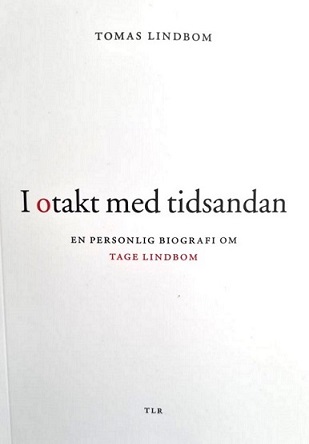

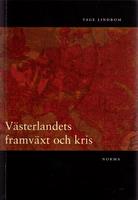 Tage Lindbom har en unik position i svensk idéhistoria och idédebatt. Under många decennier har han uthålligt diskuterat konsekvenserna av värdenihilism och ohejdad materialism i både socialistisk och kapitalistisk skepnad.
 I denna bok söker författaren ge en beskrivning av det vi kallar modernism. Han gör det genom att framställa modernismen som en kontrast, en polemisk negation av den kristna traditionalismen. Det är under medeltiden vi kan skönja de första konturerna av sekularisering, strävan till vidgad makt för det jordiskt mänskliga.
