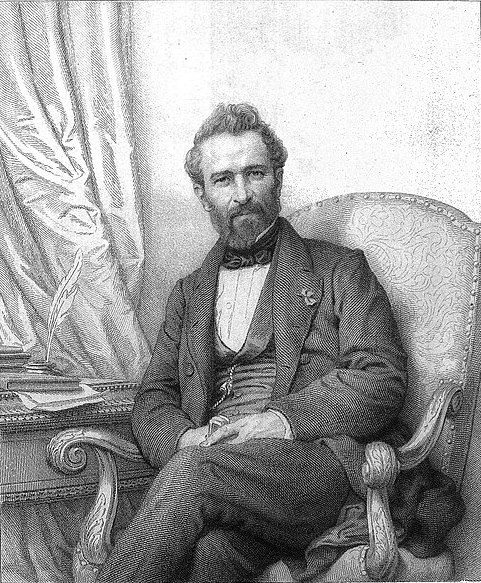
Ernest Seillière
Neema Parvini, som nyligen gjorde en längre intervju med Caleb Maupin, har också uppmärksammat den amerikanske litteraturprofessorn Grover Furrs forskning om Stalin. Dess resultat undandrar sig tills vidare min bedömning, men Furrs anmärkningsvärda och omfattande författarskap ser i alla fall ut att kunna vara en rödblinkande varningslampa om problemen med såväl forskningen som den allmänna uppfattningen på detta område.
Ja, utöver den akademiska historievetenskapens irrationalitet, osjälvständighet och utomvetenskapliga motivbestämdhet – över gränsen till det parodiska ifråga om den politiskt maximalt utnyttjade frågan om antalet “dödade av kommunismen”, där ingen tycks se några problem med siffror som skiljer sig med flera tiotals miljoner – är detta författarskap av sådan karaktär att det redan såsom det nu föreligger även tycks i någon mån indirekt aktualisera frågan om den långsiktigt väsentligaste innebörden och syftet med det straffbeläggande av historierevisionism i vissa fall som nu slutligen genomförts även i Sverige, sådan jag antytt den i mina inlägg om detta.
För med undantag för de judiska och sionistiska grupperna kan atlantvästs primära intresse här knappast gälla förintelsen, utan “kommunismen”. Det är framför allt dess i väsentliga avseenden verkliga politiska systemalternativs atrocitetshistoria som man inte vill se reviderad. Förintelselagstiftningen är en inkörsport, ett jämnande av vägen för fortsatt lagstiftning på detta andra, avgörande område: en lagstiftning som till skillnad från den rörande förintelsen dikteras av större, helhetlig systemnödvändighet. I stora delar av Östeuropa är den redan i mccarthyistisk anda införd, och bl.a. politiskt motiverad historieskrivning inom EU befrämjar samma stegs tagande även i Västeuropa.
I somras sände Parvini dels ett kortare introducerande avsnitt på sin kanal Academic Agent om Stalin och Furr, dels en mycket lång intervju med den senare. Intervjun har tyvärr ytterst dåligt ljud, men jag föreslår att det är värt att göra ansträngningen att höra vad Furr säger just här, eftersom det faktiskt är den enda intervju av de många jag sett där han med viss utförlighet går in på en hel del av det verkligt substantiella sakinnehållet i sina böcker.
Ofta talar han bara om sin revisions själva faktum, dess allmänna art, med endast kort omnämnande av några av dess många punkter, litet om hur han gått till väga, receptionen – och hur han önskar att han funnit att Chrusjtjov på åtminstone någon punkt talat sanning om Stalin i sitt kända tal 1956, eftersom det skulle skänkt honom själv större trovärdighet… Detta har s.a.s. varit tillräckligt – intressant nog, sensationellt nog – för kortare populära intervjuer och föredrag.
Jag antar att man måste ta del av Furrs böcker och försöka bedöma hans resultat – hantera fenomenet Furr. Den hittillsvarande responsen från historievetenskapens företrädare visar att så ännu inte på allvar skett. Själv har jag definitivt inte gjort det; har bara läst delar av Blood Lies, kritiken av Timothy Snyders Bloodlands, som åtminstone uppvisar stor formell noggrannhet, exempelvis med källor ofta citerade på ryska och inte bara i översättning.
Mina egna specifika problem med Sovjetunionen, som huvudsakligen har att göra med själva marxismen som åskådning och aspekter av dess allmänna historiska samhälleliga tillämpning, om man får uttrycka sig så (en kritik i linje med exempelvis Alf Ahlbergs kristet-humanistiska samtida, även om denna går litet för långt i det västliberala parallell- och likställande av Sovjetunionen och Nazityskland som kom att bli allt vanligare i väst under kalla kriget och tills vidare förblir centralt operativt än idag, inte minst i det nämnda ideologiska lagstiftningssammanhanget), kvarstår förstås och berörs knappast i det väsentliga om Furrs rön visar sig riktiga. Men de senare måste alltså, som det ser ut, undersökas, eftersom de kan beröra åtskilligt annat.
Furrs extravaganta anspråk är inte bara prima facie utan även secunda facie rent knäppa. Stalin har inte dödat någon enda människa, säger han i den här intervjun. Han har inte begått något brott överhuvudtaget, har det hetat i andra. Detta är helt orimligt. Vilken världsledare med hans makt i historien har varit ett fläckfritt politiskt helgon? Varför skulle just Stalin ha varit det? I den tid av inbördeskrig och världskrig av historiskt helt ny omfattning och grymhet, i vilken han dessutom levde? Bevisligen var och är ju den västerländska “liberala demokratins” ledare det inte: deras krigs- och andra brott är ju av ofantlig omfattning. Och det framgår i övrigt av Furrs egen historieskrivning att “kommunismen” ingalunda automatiskt gör sina ledare moraliskt och karaktärsmässigt överlägsna. Man måste bortse från dessa Furrs påståenden, men, tror jag, ändå fråga i vad han trots dem eventuellt i övrigt kan ha rätt.
“Kommunistisk” historieskrivning som försvarar Stalin förekommer givetvis inte bara fortfarande utan i ökande omfattning. Ett mycket läst verk är Ludo Martens’ Un autre regard sur Staline (1994), som härom året utgavs i svensk översättning (En annan syn på Stalin). En annan viktig titel är Domenico Losurdos Stalin: Storia e critica di una leggenda nera (2008), sedan två år tillgänglig i engelsk översättning (Stalin: History and Critique of a Black Legend). Ett svenskt arbete är Anders Carlssons Resa in i det okända: Oktoberrevolutionen och den sovjetiska erfarenheten (2019), som dock, som framgår av titeln, behandlar mycket mer än Stalin; ifråga om denne är det också försiktigt och måttfullt, och går väl inte långt utöver en ledande etablerad – d.v.s. mer allmänt känd och erkänd – akademisk och mig veterligen åtminstone inte offentligt eller formellt politiskt engagerad revisionist som J. Arch Getty, även om det också nämner Furr.
Utan tvekan tillhör Furr generellt kategorin politiskt motiverade, ja aktivistiska forskare. Men det gäller ju i högsta grad även många av de mest etablerade, inklusive inte minst dem han själv främst polemiserar mot, Conquest, Snyder och Kotkin. Bilden av Stalin och hela Sovjetunionen i väst är ju självklart helt bestämd av borgerlig, liberal, kapitalistisk och tidigare och nu ånyo kallakrigisk historieskrivning, såväl den etablerade akademiska som den populära.
Utifrån en de överordnade värdenas konservativa åskådning tror jag bl.a. därför att det åtminstone i avsevärd utsträckning är nödvändigt att den revideras och nyanseras. Under alla omständigheter, oavsett vad historiker kommit fram till, är den borgerliga revolutionens och kapitalismens brott, mätt med samma mått, långt mer omfattande än “kommunismens”. Men de senare får därför inte blundas för, och jag kan omöjligen uppfatta Furrs extrema slutsatser, uttryckta på ovan citerade sätt, som trovärdiga. Det är därför knappast oproblematiskt om, som tycks ske, Furrs positioner okritiskt mobiliseras i ett av andra, aktuella skäl motiverat urskillningslöst försvar för dagens Ryssland.
Följande är hursomhelst Furrs många omfångsrika böcker, som alltså såvitt jag förstår återstår att seriöst och med motsvarande, adekvat utförlighet och detaljprecision bemöta:
The Murder of Sergei Kirov: History, Scholarship and the Anti-Stalin Paradigm (2013)
Yezhov vs. Stalin: The Truth About Mass Repressions and the So-Called Great Terror in the USSR (2016)
Leon Trotsky’s Collaboration with Germany and Japan: Trotsky’s Conspiracies of the 1930s, Volume Two (2017)
The Fraud of the Dewey Commission: Leon Trotsky’s LIes (2018)
The Moscow Trials as Evidence (2018; ser ut som del av Trotsky’s “Amalgams”, oklart om reviderad)
The Mystery of the Katyn Massacre: The Evidence, The Solution (2018)
Trotsky’s Lies (2019; reviderad och uppdaterad del av Trotsky’s “Amalgams”)
New Evidence of Trotsky’s Conspiracy (2020)
The Fraud of the “Testament of Lenin” (2022)
Med Bobrov, Vladimir L., Stalin Exonerated: Fact-Checking the Death of Solomon Mikhoels (2023)
Trotsky’s Comintern Conspiracy: The Case of Osip Pyatnitsky (2024)
Khristian Rakovsky – Trotsky’s Japanese Spy (2025)
(Länkar som inte omfattar radbrytningar blir på desktoppen – inte i fonen – av oklar anledning understrukna, medan sådana som gör det inte blir det.)
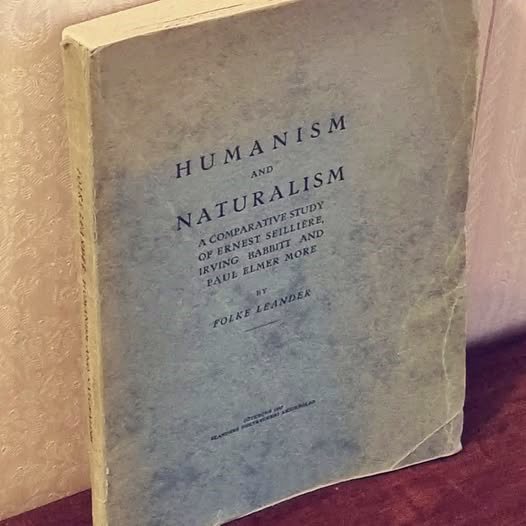
Leanders Cassirer-, Lovejoy-, Warren- och Seillière-själv-gillade avhandling, 1937. Vad jag kallar den humanistiska kulturens plan.
SwebbTV:s Mikael Willgert intervjuar Markus Allard, som ställer upp med Örebropartiet i riksdagsvalet nästa år.
Om Allard kan undvika de återvändsgrändsallianser som gjort både SD och AfS omöjliga (atlantsionistextremismen resp. fashbunkerextremismen) och all med dessa komprometterad unknationalism, och dessutom tona ned den vulgära och likaledes överspelade populistjargongen, skulle detta någon gång kanske kunna börja utvecklas till det nya svenska politiska alternativ som behövs.
Men den politiska analysen måste förstås snabbt utvecklas och fördjupas på flera områden: ekonomin, migrationen, kulturen, och inte minst de alltmer avgörande utrikes- och säkerhetspolitiska frågorna, givetvis inklusive deras ofantliga – särskilt långsiktigt – ekonomiska dimension. Som hos Wagenknecht i Tyskland. Hittills ger Allards politik bara intryck av förvirrad, osammanhängande ytlighet.
På det globalpolitiska området finns den stora, delvis gamla, delvis på nytt sätt framväxande, och idag viktigaste opinion – med motsvarigheter i hela väst och inte minst i USA – som nu måste erhålla parlamentarisk och medial representation, präglad av mogen helhetlig förståelse, djupgrundad personlig övertygelse, och seriöst, långsiktigt målbestämt syfte.
Malcom Kyeyune skulle här kunna spela en viktig roll. Han måste bli chefsideolog. Allard har jag inte följt närmare och jag vet inte mycket om honom utöver att han, fastän sonson till Henry Allard, och fastän signalerande en vag vilja till en ny vänsterpopnat, inte bara lagt sig till med en tröttsam, grov jargong av den vanliga popnats slag utan t.o.m. nyligen, långt efter SD:s atlanthögersvek, medverkat med ett eget program på Riks. Utan tvekan läser jag in sådant i hans planer och uttalanden som man bara kan hoppas på, och hittills på mycket svaga grunder. Det hoppingivande är egentligen uteslutande Kyeyunes närvaro i bakgrunden och – fastän jag inte följt det heller – Allards nära samarbete med honom under lång tid.
Utifrån grundkonturerena av Kyeyunes åsiktsprofil och analyser, sådana jag i alla fall uppfattat dem genom några av hans artiklar, främst de engelska, skulle möjligen på lång sikt och med åtskillig ideologisk korrigering, vidareutveckling och komplettering kunna göras ett riksparti med en helhetlig politik; ett parti och en politik av åtminstone den allmänna nya typ och inriktning jag fått intrycket att Kyeyune kan tänkas förstå behövs.
–
“I detta avsnitt av Willgert intervjuas Markus Allard, kommunpolitiker i Örebro och riksdagskandidat för Örebropartiet. Tillsammans med Mikael Willgert diskuteras Allards begrepp ‘transferiatet’, en analys av samhällsstrukturer inspirerad av marxistisk klasslära, anpassad till den svenska välfärdsstaten. Transferiatet definieras som grupper som försörjs genom skattetransfereringar: det övre skiktet omfattar roller som mångfaldsstrateger, förnyelsedirektörer och kommunikatörer, medan det lägre skiktet främst består av bidragsberoende migranter som inte integreras i den produktiva ekonomin.
Allard beskriver en ömsesidig beroenderelation mellan politik, byråkrati och vad han kallar sugsnabelkapitalism – företag som Northvolt, vilka utnyttjar statliga resurser utan motsvarande värdeskapande. Han analyserar vänsterns utveckling från arbetarparti till försvarare av transferiatet, samt högerns återhållsamhet inför institutionella strukturer. Migrationen framställs som en faktor som bidrar till bidragsberoende och samhällsosäkerhet, med förslag om tvångsåtervandring för kriminella. Svensk kriminalitetsbehandling exemplifieras som en tillämpning av ‘mjuk makt’ mot brottslingar – exempelvis samtal i stället för ingripanden – medan produktiva medborgare möter sträng byråkrati.
Med bakgrund i vänsterrörelsen har Allard reviderat sin ståndpunkt: nutida socialism gynnar inte arbetarklassen, utan en elit fokuserad på ideologisk produktion. Han förespråkar ett parti för ‘de produktiva’ – från vårdpersonal till företagare – och en politik som minskar transferiatets omfattning genom budgetjusteringar. Allards släkthistoria, som sonson till talmannen Henry Allard, kontrasteras mot hans fristående politiska linje: ingen blocktillhörighet, utan en flexibel vågmästarroll prioriterande sakfrågor.
Avsnittet avslutas med Allards planer: sikta på 12 procent i Örebro län eller 4 procent nationellt för att påverka den politiska debatten. En analys av svensk politik som utmanar etablerade perspektiv och belyser ekonomiska och sociala dynamiker.”

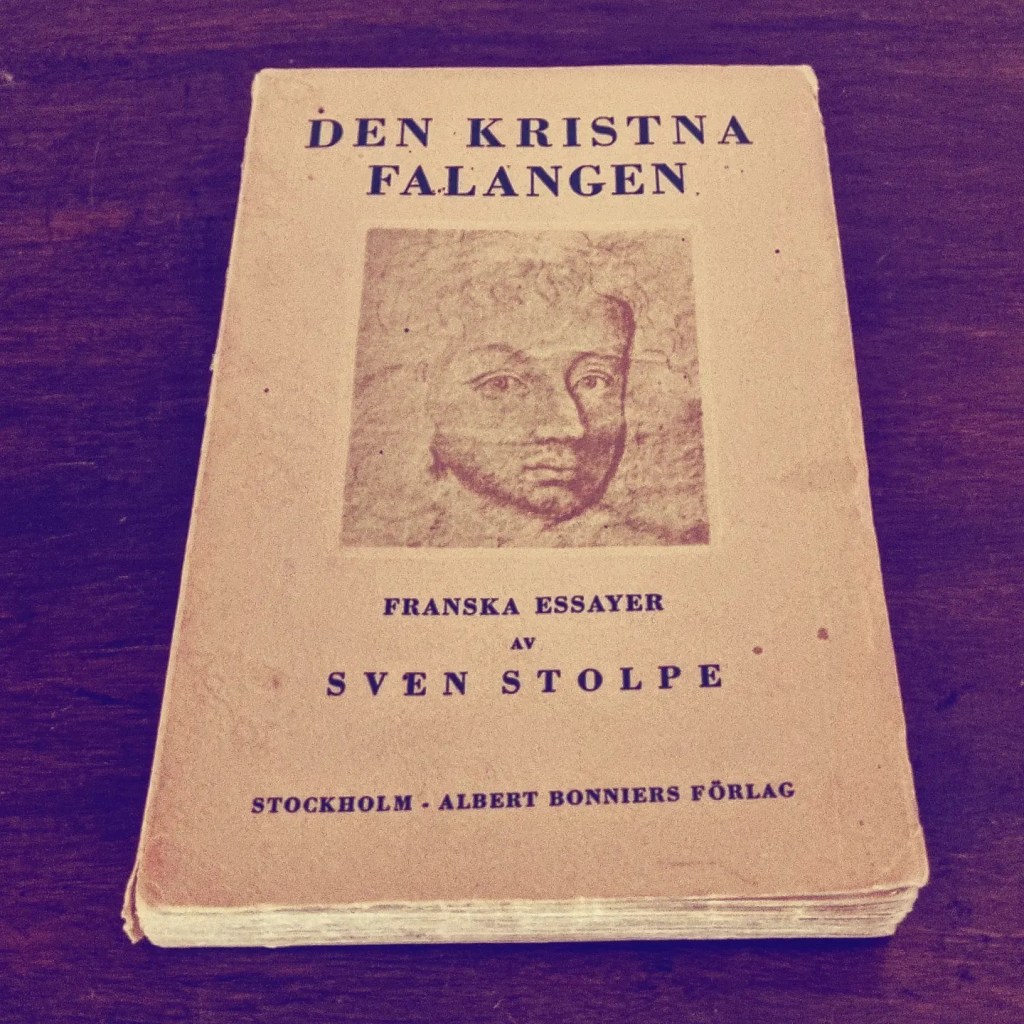
Första samlingen, 1934.
Ernest Psichari, Jacques Rivière, Jacques d’Arnoux, Henri Massis, Charles du Bos, François Mauriac.
Hur djupt man absorberades i detta under första hälften av 80-talet. Hur man lät sig helt översköljas och täckas av europeiskheter för att komma bort från den historiskt, kulturellt och socialt dåliga integrationen av de nyare introduktionerna av de österländska andliga traditionerna, även och inte minst när de antog alltför mycket av amerikanska pop-estetiska och pop-psykologiska former. Till den grad att man periodvis helt kunde glömma att vad man i denna absorption sökte ändå också var de rätta formerna för denna integration, för föreningen med det som var förenbart i den europeiska och egentliga västerländska kulturen.

Brittiske Shakespeareforskaren och elitteorikännaren Neema Parvini, författare bl.a. till uppmärksammade boken The Populist Delusion (2022), en samtidig kort introduktion till Mosca, Pareto, Michels, Schmitt, Jouvenel, Burnham, Francis och Gottfried, å ena sidan, och å den andra distinkt argumentation mot trumpismen baserad på deras tanketradition, och till en balanserad artikel om Evola i Chronicles i september, intervjuar Maupin på sin vältittade kanal Academic Agent.
Maupin ger en relativt kort men ändå någorlunda heltäckande uppdatering om sin version av den riktning eller tendens jag är benägen att vilja beteckna som konservativ socialism eller socialistisk konservatism. D.v.s. det jag har sett som, om än fortfarande långt ifrån teoretiskt färdigutvecklad, den mest relevanta och avancerade allmänna formen av “post-paleokonservatism” efter den svenska populistnationalismens sammanbrott 2018 med dess nu av allt att döma definitivvordna populistiska avfärdande av allt kvalificerat nytänkande, eller tänkande överhuvudtaget.
Då det redan stod klart (och det har bara fortsatt bekräftas sedan dess, kulminerande under de senaste åren i SD:s slutliga förvandling till pådrivande NATO- och sionismkrigshetsar- och folkmordsparti) att dess viktiga och giltiga opinionsimpulser, om några sådana efter deras monumentala missbruk finns kvar i Sverige, måste räddas över till ett nytt och annat helhetligt politiskt och ideologiskt sammanhang av utvecklad socialkonservatism.
“I welcome @CalebMaupinTV to discuss how the fake woke left popularised by Bread Tube and figures like ContraPoints, Destiny, Vaush and Hasan Piker crowded out the real socialist left, and even before that, how the CIA crushed the communist left for an anti-communist, pro-NATO one. We also discuss Trotsky, Stalin, Soviet history, Trump, Mamdani, and many other topics!”
Tunge redaktören för Monthly Review, enligt prof. Wiki “the longest continuously published socialist magazine in the United States” (sedan 1949), sociologiprofessorn John Bellamy Foster, kommenterar en rad centrala frågor och områden inom kapitalismen i dagens utvecklingsstadium i en vittfamnande ny intervju på kanalen India & Global Left.

“What defines global capitalism today? Are we moving into a new age of ‘techno-feudalism’, or is monopoly capitalism still the dominant force?
In this in-depth interview, John Bellamy Foster, editor of Monthly Review and leading Marxist thinker, joins India & Global Left to unpack the core structure of global capitalism, imperialism, and the new global economic order.
Foster challenges the popular idea of ‘techno-feudalism,’ arguing that capitalism – not technology – still drives exploitation and inequality. He explains why this narrative often reflects social democratic illusions about technology, welfare states, and the role of the Global South.”
 Olle Bengtsson