Hauser förtydligar hur Leibniz utöver perceptio – det enda i detta sammanhang aktuella begrepp som Renaut behandlar, dock utan att uppehålla sig vid dess helhetliga begreppssammanhang och därmed dess fulla innebörd – ursprungligen också använder begreppen representatio och expressio, och framlyfter, bl.a. ur Monadologin, centrala formleringar av typen “toute substance est comme un monde entier et comme un miroir de Dieu ou bien de tout l’univers, qu’elle exprime chacune à sa façon”, “chaque substance simple a des rapports qui expriment toutes les autres, et…elle est par consequent un miroir vivant perpetuel de l’univers”, och “chaque Monade creée represente tout l’univers”. [Cit. i op.cit. 63, Hausers kursiv.] Här framstår väl spegeln i mindre grad som analogi, och de högst utvecklade monaderna ska naturligtvis förstås som samtidigt speglande och själva medvetet seende det speglade.
Genom formuleringar som dessa, och genom att Leibniz har ett begrepp om helhetens enhet, som väl dock ska vara det som, om än på unika sätt, avspeglas av monaderna, motverkas, tycker man, den rena individualism som Renaut framläser. Med Hausers ord: “die Monaden [können] als Teile (partes totales) des Universums als des einen Ganzen aufgefasst werden…wobei jeder dieser Teile das Ganze repräsentiert und es in sich konzentriert”; “der Repräsentationscharakter jeder Monade qua ‘miroir de Dieu’ [ist] in ontologischer Hinsicht eine infinitesimale Konkretion der einen Ur-Monade Gott”; “jede Monade [ist] prinzipiell – wenn auch in erkenntnistheoretischer Hinsicht in je gewissem Grade verworren – in jedem infinitesimal kleinen Moment Darstellung oder Ausdruck des einen, unendlichen Weltganzen”. [Ibid. 64 f.; Hauser framhåller också hur Leibniz använder repraesentatio i sammanhang med en medeltida teologisk och naturteleologisk uppfattning av de skapade varelserna som återgivande och delaktiga i det gudoma.] Och denna framställning eller detta uttryck sker enligt “[die] erkenntnistheoretisch [fundierte] Beschränkung der geschaffenen Substanzen gemäss ihrer jeweiligen individuellen und perspektivischen Konkretion als perceptio“. [Ibid. 68.]
Det ändligas förhållande till det oändliga, det relativas till det absoluta, förstås av Leibniz i enlighet med den monadernas gradering som följer ur den varierande distinktheten i deras respektive uppfattningar av helheten; alla monaders uppfattning, utom den högsta urmonadens, är underkastade ändlighetens och relativitetens perspektiviska och klarhetsmässiga gränser. Vissa nimmer helheten i högre grad eller s.a.s. bättre än andra, men alla nimmer dock helheten, och i det även de som nimmer den i lägre grad eller sämre dock nimmer den på ett unikt sätt, är även dessa nödvändiga i helheten.
Den centrala visionen blir väl så en vision som i lika hög grad betonar det allmänna och enheten som det enskilda och mångfalden, varvid helhetens status belyses: allmän i förhållande till de underordnade monaderna, men samtidigt i sig, som allmänhet, identisk med den högsta monaden, som, som sådan, ju också förstås är individuell.
I rörelsen mot fördjupad individualitetsuppfattning kvarhålles också delvis, om än i distinkt förnyad, delvis nyplatonsk omformning, den äldre generalistiska traditionen, men den allmänna helhet som de underordnade monaderna speglar är ju också den högsta monadens individualitet. Helheten kunde därför synas uppfattas som allmän blott ur ett relativt perspektiv. Eller: endast den högsta monaden är, just som sådan, med nödvändighet samtidigt individuell och allmän. Hauser framhåller med rätta att den av Josef König framställda tanken att “das metaphysische Individuum zugleich das Allgemeine, und umgekehrt, das das metaphysisch Allgemeine zugleich das Individuum ist, findet seine Erfüllung…erst in dem Begriff Gottes.” [Hauser, 73, not 57.]
Uppfattningen om perceptionens olikhet som utöver inifrånbestämd och i sig sluten individuell utveckling även perspektivisk mångfald och hierarkisk fullkomlighetsgradation präglar också Leibniz’ förståelse av filosofins historia: fastän de skilda systemen ej i samma utsträckning rymmer sanning, utgör de dock en nödvändig perspektivisk komplementaritet.
Det förblir dock i mycket oklart vari de individuella karaktäristika i monadens transcendenta ursprunglighet, skild från den succesion av tillstånd som är blott fenomenell, består. Leibniz tycks växla mellan de två perspektiven. Hausers framställning fördunklas mot slutet därigenom att han delvis förefaller börja sammanblanda frågan om förhållandet mellan de underordnade monadernas fenomenella och egentliga tillstånd med frågan om förhållandet mellan de underordnade monadernas och Guds, den högsta monadens, perspektiv. I viss mening är naturligtvis de underordnade monaderna i sin icke-fenomenella aspekt “absoluta” i det de är ursprungliga delar av i-sig-verkligheten. Men detta innebär inte att deras eget egentliga perspektiv är Guds, utan endast att de i denna aspekt äger ett egentligt och ursprungligt perspektiv och innehåll som är skilt från det fenomenella.
Rätt verkar Hauser dock ha i att Leibniz växlar även mellan den andra frågans två perspektiv, i det hela hans filosofi förutsätter en förmåga att i någon mån skildra verklighetens totalitet också utifrån Guds perspektiv, och att frågan om hur detta kan uppnås och uttryckas förblir outredd. Rätt har han väl även i att Leibniz “nyckelbegrepp”, den preetablerade harmonin, vill förklara hur också monadens fenomenella erfarenhet nödvändigt följer ur dess ursprungliga väsen och position och med dessa givna innehåll. [Ibid. 91-6.]
 The United States has been engaged in what the great historian Charles A. Beard called “perpetual war for perpetual peace.” The Federation of American Scientists has cataloged nearly 200 military incursions since 1945 in which the United States has been the aggressor. In a series of penetrating and alarming essays, whose centerpiece is a commentary on the events of September 11, 2001 (deemed too controversial to publish in this country until now) Gore Vidal challenges the comforting consensus following September 11th and goes back and draws connections to Timothy McVeigh’s bombing of the federal building in Oklahoma City. He asks were these simply the acts of “evil-doers”?
 “John Kekes’s Against Liberalism offers compelling argumentation for the position that liberalism denies the very conditions it requires for its sustenance. As a consequence, liberal policies are inconsistent and self-defeating. Rarely has such a forthright and well-constructed argument been made against liberalism’s misguided flirtation with utopianism.” Herbert London

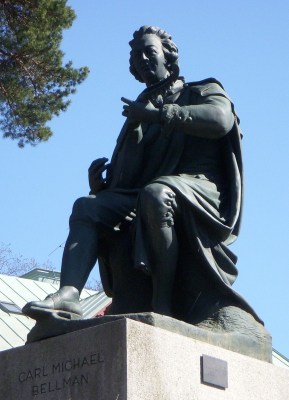
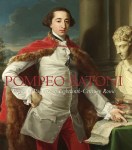 Pompeo Batoni (1708-1787) was the most celebrated painter in Rome in his day. For nearly half a century, he recorded the visits of international travellers on the Grand Tour, and these portraits remain among the most memorable artistic accomplishments of the period. His history, religious, and mythological paintings were also highly prized by great patrons and collectors in Britain and on the Continent. This book, published in celebration of the tercentenary of Batoni’s birth, offers a vivid appreciation of his work. More than 150 full-colour illustrations represent the finest examples of his paintings from public and private collections in Europe and the United States. Some of these works are newly discovered and some have never before been on public display. A series of illuminating essays explores Batoni’s art, his various patrons, his working methods and techniques, his final years, and his historiography and critical reception.
 Olle Bengtsson