Övergång till renässansen

Vi har tittat på några forskares framställningar av utvecklingen av personbegreppet på två plan: det mänskliga, eller den “mänskliga” själens, och Guds. I den antika världen användes ännu inte termen person i modern mening. Men där fanns en värld utanför amfiteatern. Vi finner där en rad karaktärer, vilkas historiska och kulturella skapelser bär prägeln av vad vi kallar deras egen personlighet. Vi igenkänner historiska verkningar och skeenden, kulturella ideal, filosofiska system, nya synteser som framstår som spår av individer, som i viss mån formade av utåt verkande personliga väsenskärnor med tämligen självbestämd profil. Det är inte hela sanningen om denna värld, men det är en sanning.

Den reaktionäre republikanen Cicero såg persona som den objektivt bestämda sociala rollen. Men det var också han som hyllade den grekisk-romerska kulturmänniskans bildningsideal som något som gick utöver en sådan roll. I hans brev träder oss dessutom en enskild privatman till mötes. Och om vi betänker hur mycket av redigering, urval, konstruktion och ortodoxt-dogmatisk anpassning som i de kanoniska evangelierna måste dölja den historiska och andliga verkligheten – är inte åtminstone en del av undret det intryck som vi i Jesus kanske ändå får av en individualiserad personlighet av i någon mening övermänskliga mått? Och vars individualitet tydligt uttrycktes genom en ofta utpräglad, det religiösa etablissemanget utmanande esoterism. Trots allt var det kring den som kyrkan senare uppförde sin exoteriska ortodoxi, som inte kunde och inte hade för avsikt att göra den rättvisa.

Under senantiken och medeltiden börjar på det sätt vi tittat på termen person introduceras i teologin och filosofin, bärande med sig sitt eget historiskt givna begreppsliga innehåll. Teoretiskt kom man visserligen en bit på vägen när detta äldre innehåll började utvecklas, fördjupas och framför allt kompletteras. Men en del av det begreppsliga innehåll som i Grekland och Rom och Israel återfanns under andra termer, och som kom att upptas eller indirekt ingå i persondefinitionen, föll också under medeltiden i glömska genom såväl den skolastiska teologins grekisk-filosofiska generalistiska arv, dels de samhälleliga strukturer som etablerades. Termens persons utbredning får inte dölja att vad vi idag förstår som verkligheten i vissa avseenden till och med kan ha begränsats – både ifråga om människan och Gud.

De klassisk-grekiska och kristna tankeflödena hade på ett spänningsfyllt men också i mycket fruktbart sätt förenats, men den form syntesen under medeltiden erhöll uppvisade vissa typiska ensidigheter. De filosofiska problem som medeltiden lämnade i arv till vad som förr kallades den nya tiden var delvis också allmänkulturella och samhälleliga. Kanske kan man våga påståendet att de bristerna inte minst hade att göra med just synen på personen – på båda de plan vi diskuterat.

Och kanske var det den tänkare som i tiden stod mitt emellan Platon och Thomas som allra mest visade sig höra framtiden till: Augustinus med sin personaliserade idealism. Eller kanske var det Plotinos, av delvis samma skäl, men också därför att renässansen i så hög grad blev en pånyttfödelse för platonismen.

Tecken kunde hursomhelst redan skönjas som varslade om förändring. Vi ska titta närmare på detta. [Numera talar man ofta om den “tidigmoderna” tiden, ett begrepp som ofta samtidigt ersätter “renässansen” och i viss mån även “senmedeltiden”; det finns poänger i detta, men också problem; jfr exempelvis Gurevichs analys.] Så småningom börjar också en ny person träda fram på det historiska, och idéhistoriska, dramats scen – och en som lägger av sig masken, en som inte längre vill vara blott en roll. Då måste också en och annan kuliss rivas. Men det större dramat, historiens, kvarstår, och vi såg hur Benjamin antydde en del om dess framtida akter. Detta drama har förvisso flera medförfattare och aktörer. Men en stor fråga är vilket förhållandet nu skall bli till den som i kristenheten ytterst ansågs vara huvudförfattare och huvudregissör: den i någon mening personlige Guden.
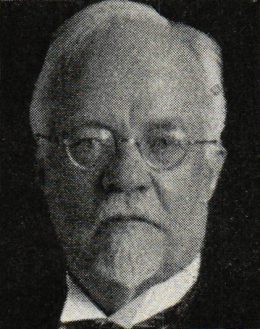
Efraim Liljeqvist

Selbstdarstellung i Alf Ahlbergs Filosofiskt lexikon (1925):

Liljeqvist, Per Efraim, sedan 1906 professor i praktisk filosofi vid Lunds universitet. F. 24 sept. 1865 i Örebro, vid vars h. a. läroverk L:s filosofiska intressen insiktsfullt befordrades av dåv. lektor Henrik Jacobsson, sedermera rektor i Härnösand. Efter en semesters studier i Leipzig och åtta års i Uppsala fil. d:r därstädes sept. 1893 på avhandlingen ‘Om Francis Bacons filosofi med särskild hänsyn till det etiska problemet’ (I), som – närmast efter Zellers förebild – sökte lösa sin uppgift även filologiskt tillfredsställande och exakt. Gradualavhandlingen föranledde omedelbar kallelse till docentur i teoretisk filosofi och några månader efteråt, på Vitalis Norströms initiativ, docentur och biträdande lärareplats i filosofi (med professors tjänstgöringsskyldighet) vid Göteborgs unga högskola, varifrån efter 12 1/2 år förflyttningen skedde till Lund.

Genom sina egentliga lärare i filosofi under Uppsalatiden, C. Y. Sahlin och E. O. Burman, står L. i historiskt samband med den idealistiska personlighetsfilosofien, sådan denna utvecklat sig från Daniel Boëthius’ och Benjamin Höijers dagar fram till Christopher Jacob Boström, Sahlins företrädare på den praktisk-filosofiska lärostolen i Uppsala. Jämlikt sagda personlighetsfilosofis organiska utvecklingssyn på kulturlivets företeelser har L. från början fattat det “filosofiska arvet”, om man så får säga, som en pliktbetonad uppgift att levande, under kritisk prövning och sovring, förvalta samt eventuellt fort- och ombilda: växling av ståndpunkter utan den tidigare historiskt givna ståndpunktens övervinnande inifrån kan icke betyda verklig utveckling och framsteg.

Denna tendens framskymtar redan i L:s första, under signaturen L-st publicerade filosofiska uppsats, en recension för Ny Svensk Tidskrift 1889 ‘Af och om Wikner’: L. hänvisar där på de drag i W:s personlighet och produktion, som betydde, att denne från början aldrig hade trängt fullt in i sin lärare Boströms ståndpunkt, och att hans fortgång från denna därför heller aldrig inneburit densammas spekulativa övervinnande. Av samma skäl kom L. heller aldrig till uppslutning vid sin ämbetsbroder Vitalis Norströms sida, när aven denne – och det på mest uppseendeväckande sätt – tillkännagav sin skilsmässa från boströmianismen; likvisst stördes härav på intet sätt det kollegiala förhållandet dem emellan eller skedde något avbräck på deras personliga uppskattning av varandra.

Däremot har L. medvetet och avsiktligt fullföljande en strängt immanent kritiks grundsatser, bemödat sig om förutsättningarna för en djupare förståelse av striden mellan Edfeldt och Nyblaeus om de gudomliga idéernas oändlighet eller ändlighet, vilken strid blir begripligare ur ljuset av själva genesis för Boströms system från en ursprunglig anslutning till schellingianismen; i samband härmed har L. ock sökt leda i bevis att Boströms uppfattning av idéernas ensidiga positiva ingående i varandra icke vore tillräckligt grundad (man jämföre L:s undersökning från 97 ‘Om Boströms äldsta skrifter’ och inledningen til hans ‘Boströms äldsta latinska dissertationer försvenskade’, 15, likaså ‘Efterord’ till den genom L. 10 posthumt publicerade undersökningen av hans företrädare Leanders ‘Idélära från Boströms filosofiska ståndpunkt’).

En likartad immanent, kritiskt hållen prövning av Boströms statslära, i vad den avser fyrståndsrepresentationen och därmed sammanhängande frågor, föreligger ävenledes från L:s hand (se installationsföreläsningen ‘Chr. Jac. Boström och frågan om folkets representation i staten’, tryckt i Statsv. tidskr. 07, samt studien ‘Till frågan om voteringar enligt Boströms uppfattning’ i Burman-festskriften 10), som därvid anteciperar åtskilligt av den samtida diskussionen om en korporativ utgestaltning av folkrepresentationen. Antydningar till en motsvarande kritisk revision av Boströms etik saknas ej heller (se ‘Om imputation och imputabilitet hos Boström’ i Norström-festskriften 16, samt ‘Bibergs-Boströms-Nyblaei anmärkningar vid Schleiermachers lära om de “etiska formalbegreppen”, försedda med randglossor’, i Pfannenstill-festskriften 23). – Att L:s revisionism gent emot boströmiaismen i åtskilligt konvergerar mot och möter C. Y. Sahlins tidigare revision av boströmianismes grundvalar, har han vid upprepade tillfällen själv framhållit.

Om boströmianismen metodologiskt som enda kunskapskälla betonat erfarenheten (men visserligen ej blott den sinnliga utan ock en förnuftig erfarenhet), har L. – som under talrika utländska studieresor sökt levande kontakt med samtidens filosofi – också på det viset fullföljt sina revisionistiska ansatser, att han eftersträvat ståndpunktens prövning utifrån och förenlighet med den samtida psykologiens och psykofysikens resultater (se hans ‘Inledning till psykologien’ samt ‘Om specifika sinnesenergier, studier till psykofysikens teori och historia’, båda från 99 och med en bakgrund av långvariga och ingående medicinska studier). I själva verket syftar också L:s arbete på värdeteoretiskt område (‘Meinongs allmänna värdeteori’, 04) åtminstone från en sida ytterst att konfrontera Boströms antagande av ett förnuftigt innehåll i medvetandet med modern psykologisk forskning.

Georges Valance: Haussmann le grand

Flammarion, 2009     Amazon.fr

Présentation de l’éditeur:

Son nom évoque la norme bourgeoise de l’appartement parisien si prisé des agents immobiliers. Mais l’oeuvre d’Haussmann est autrement plus vaste. Durant dix-sept années d’un gigantesque chantier, le préfet de la Seine a fait de Paris la capitale la plus moderne de son temps, traçant la perspective des avenues, aménageant les espaces verts, organisant la distribution de l’eau et du gaz, créant les égouts. Rien, pourtant, ne semblait prédestiner ce petit-fils d’immigrés allemands et luthériens, engagé dans une morne carrière administrative, à se lancer dans pareille entreprise. Rien, sinon son exceptionnelle puissance de travail, sa curiosité très moderne pour l’industrie, et… la rencontre inespérée de Louis Napoléon Bonaparte un beau matin de janvier 1849. De ce jour Haussmann saura être la parfaite incarnation du mythe bien français de l’homme providentiel accouché par l’Histoire. Et rarement l’histoire de la France aura été plus magistrale que sous le Second Empire. Symbole de ce régime tant décrié et qui fut cependant le premier à prendre acte de l’importance de l’économie, Haussmann fut aussi un viveur, amateur de bons vins et de jeunes femmes, organisant les plus fastueuses des fêtes impériales. Si l’homme est controversé, son oeuvre nous parle toujours. “Les hommes ne sont grands, disait Napoléon, que par les monuments qu’ils nous laissent.” Haussmann nous a légué le visage actuel de Paris, qui peut encore prétendre au titre de plus belle ville du monde.
Biographie de l’auteur:

Journaliste et historien, Georges Valance a été directeur de la rédaction de L’Expansion et directeur délégué de la rédaction de L’Express. Il a écrit, entre autres, France-Allemagne, le retour de Bismarck (Prix Aujourd’hui) ainsi qu’une biographie de Thiers.

Sheldon S. Wolin: Democracy Incorporated

Managed Democracy and the Specter of Inverted Totalitarianism

Princeton University Press, 2010     

Amazon.com

Book Description:

Democracy is struggling in America – by now this statement is almost cliché. But what if the country is no longer a democracy at all? In Democracy Incorporated, Sheldon Wolin considers the unthinkable: has America unwittingly morphed into a new and strange kind of political hybrid, one where economic and state powers are conjoined and virtually unbridled? Can the nation check its descent into what the author terms “inverted totalitarianism”?

Wolin portrays a country where citizens are politically uninterested and submissive – and where elites are eager to keep them that way. At best the nation has become a “managed democracy” where the public is shepherded, not sovereign. At worst it is a place where corporate power no longer answers to state controls. Wolin makes clear that today’s America is in no way morally or politically comparable to totalitarian states like Nazi Germany, yet he warns that unchecked economic power risks verging on total power and has its own unnerving pathologies. Wolin examines the myths and mythmaking that justify today’s politics, the quest for an ever-expanding economy, and the perverse attractions of an endless war on terror. He argues passionately that democracy’s best hope lies in citizens themselves learning anew to exercise power at the local level.

Democracy Incorporated is one of the most worrying diagnoses of America’s political ills to emerge in decades. It is sure to be a lightning rod for political debate for years to come.

In a new preface, Wolin describes how the Obama administration, despite promises of change, has left the underlying dynamics of managed democracy intact.

Reviews:

“[A] comprehensive diagnosis of our failings as a democratic polity by one of our most seasoned and respected political philosophers…Democracy Incorporated is a devastating critique of the contemporary government of the United States – including what has happened to it in recent years and what must be done if it is not to disappear into history along with its classic totalitarian predecessors.”   Chalmers Johnson, Truthdig

“[Democracy Incorporated provides] a rare, chilling analysis of intellectual critics of democracy. If democracy means more than occasional elections and protection of those rights that are compatible with economic and political elites’ interests, Wolin’s analysis of our democratic predicament is shocking, solid, and fundamentally correct.”  C. P. Waligorski, Choice

“Sheldon Wolin has produced an ambitious and broad-ranging book that examines the current state of democracy in America… Wolin argues that the unquestioned faith in the virtues of free market capitalism has dramatically narrowed the range of policy options that are on the table when debate turns to resolving the US’s ills…[T]his is a trenchant and powerful volume.”  Alex Waddan, International Affairs

“Of the many books I’ve read or skimmed in the past seven years that attempted to get inside the social and political debacles of the present, none has had the chilling clarity and historical discernment of Sheldon S. Wolin’s Democracy Incorporated. Building on his fifty years as a political theorist and proponent of radical democracy, Wolin here extends his concern with the extinguishing of the political and its replacement by fraudulent simulations of democratic process.”  Jonathan Crary, Artforum

“[W]e need to understand the deep roots of our present troubles ourselves and Wolin’s book is an excellent beginning.”   Toby Grace, Out in Jersey

“Democracy Incorporated acts as an antidote to unconstrained corporate power and an elitist obsession and should be widely read by all those who cherish democracy and civil liberty.”  Shih-Yu Chou, Political Studies Review

“[Wolin] provides a rich narrative of the struggle of elites and the demos from ancient Greece through the writing of the U.S. Constitution and into the present, and the corporate-managed politics that has emerged will survive no matter which party holds Congress or the presidency.”  Coleman Fannin, Journal of Church and State

“Despite being written shortly before both the financial crisis and the Obama victory, the main lineaments of his analysis are still alarmingly cogent.”  Tom Angier, Marx & Philosophy Review of Books

“With his fundamental grasp of political theory and restless spirit to get at the essence of what threatens modern democracy, Wolin demonstrates that the threats to our democratic traditions and institutions are not always from outside, but may come from within. It is a book that policymakers and scholars of contemporary society should read and reflect upon.”  Rakesh Khurana, Harvard Business School, author of From Higher Aims to Hired Hands

“As we’ve come to expect from Sheldon Wolin, a tightly argued and deeply revealing book about the dangers of unconstrained capitalism for our democracy.”  Robert B. Reich, University of California, Berkeley

“For half a century, Sheldon Wolin has been one of the most distinguished and influential political theorists in the United States and a perceptive observer of the American political scene. In his magisterial latest book, Wolin shows himself at the height of his powers as he presents a highly original, sober, and persuasive account of a number of tendencies in contemporary American society that constitute a significant danger for the future of constitutional democracy. If totalitarianism establishes itself in the United States, it will be in the ‘inverted’ form Wolin analyzes in this important book.”  Raymond Geuss, University of Cambridge

“Wolin’s writing has a resonance that binds the canon of political philosophy to unfolding events and present circumstances. In Democracy Incorporated, he contends that the institutions and practices that Americans regarded as their defense against totalitarianism – and other forms of authoritarian domination–have failed them. There is nothing like this book. It is a major, potentially revolutionary contribution to political thought.”  Anne Norton, author of Leo Strauss and the Politics of American Empire

“Powerful and persuasive. Democracy Incorporated does exactly what great political theory should do: it provides a theoretical framework that allows the reader to see the political world anew. It left this reader with an almost nightmarish vision of American politics today, a nightmare all the more terrifying for being so compelling, so vivid, and so real.”  Marc Stears, author of Progressives, Pluralists, and the Problems of the State

About the Author:

Sheldon S. Wolin is professor emeritus of politics at Princeton University. His books include Politics and Vision and Tocqueville Between Two Worlds (both Princeton).

Den nordiska individualiteten

Aaron Gurevich beskriver i det första kapitlet av The Origins of European Individualism (1995) hur de senaste årtiondenas strukturalistiska och social- och mentalitetshistoriska forskning fått den av Charles Homer Haskins och Johan Nordström lanserade tesen om “1100-talsrenässansen” med dess koncentration på enstaka, förment representativa individualistiska “hjältar” att framstå som mindre plausibel, även om han uppenbarligen menar att på åtskilliga områden – och rimligen andra än just individualitetens och personlighetens – många av dess sanningar förvisso kvarstår. [Op. cit. 4-7, 9 f.; se om denna bok också min recensionsartikel i Humanitas, 10:2 (1997).] Med instämmande sammanfattar han Caroline Walker Bynums slutsatser exempelvis i frågan om

“ecclesiastical and monastic communities, in which interest in ‘Homo interior’ was cultivated…men and women of that period were discovering within themselves their human nature, their ‘self’ (seipsum, anima, ego) as something that was the same for all human beings – an imago Dei: this was the kind of individual that was being discovered at the end of the Middle Ages, rather than anything any closer to the modern understanding of that word. It would be wrong to confuse interest in ‘the inner landscape of the human being’ (the discovery of the self) with the ‘discovery of the individual’…writers of the time…felt a deep need to classify, to define various ‘estates’ and ‘vocations’ (ordo, vocatio). They write of individuals as types or models…’Likeness’ was a fundamental theological category in the twelfth century, and the self-modification of the individual took place in a context defined by models – Christ, the Apostles, the Patriarchs, the Saints and the Church…it would be wrong to place the isolated individual with his or her inner motivation and emotions in the centre of religious life in the twelfth century, to single out the idea that every individual is unique and therefore seeks a way of expressing individuality: that idea is a contemporary one and alien to the Middle Ages.” [Ibid. 7 f. (Caroline Walker Bynum, ‘Did the Twelfth Century Discover the Individual?’, i The Journal of Ecclesiastical History, 31 (1980), och Jesus as Mother: Studies in the Spirituality of the High Middle Ages (1982),82-109).]

Gurevich efterlyser därför en forskning som i större utsträckning än Colin Morris (som fulländar tesen om 1100-talsrenässansen i The Discovery of the Individual: 1050-1200 från 1972) söker finna individen och individualitetens manifestationer i beaktande av samspelet med de olika grupper som även de individualistiska “hjältarna” – en Johannes av Salisbury eller en Bernard av Ventadour – visar sig tillhöra. [Ibid. 6, 10 f.] Men han finner inte personligheten och individualiteten under medeltiden i den mening förespråkarna av 1100-talsrenässansen menar sig göra, och vill i stället slå fast att i den senmedeltida konsten “the custom of emphasizing the General at the expense of the Individual predominated”, [Ibid. 2.] att begränsningen inom den rigida ram som band författare till “stock topics, literary clichés and constraints of tradition, from which genreralized models were taken” gör att “we are always bedevilled by the sense that we cannot grasp the individual personality. The medieval philosophers’ formula ‘Individuum est ineffabile’ immediately comes to mind…”: [Ibid. 2, 18, 155.] “The unique nature of their personalities and features that distinguished each one of them from other people were viewed as sinful and abnormal, deserving of repentance, even if deep down the author concerned might be proud of such characteristics.” [Ibid. 155.]

Gurevich kan slutligen endast konstatera att

“fact is fact: the most profound penetration of the secret recesses of a person’s own soul is that provided by the Confessions of St Augustine. The high point of the development of the individual is to be found at the very threshold of the Middle Ages, not, as might well have been expected, at its end. In the course of a thousand years, there is no other revelation of a person’s inner self that is so candid. Petrarch, St Augustine’s disciple, drew lessons from him in what by then was a radically changed world: while St Augustine’s personality is revealed as he draws nearer to God and seeks spiritual union with Him, Petrarch’s attention, on the other hand, is concentrated on his own significant self, as he carefully and prudently moulds his own biography and personality.” [Ibid. 250.]

Gurevich visar hur den medeltida människan inom sin grupp definierade sig genom sina generella förebilder, att hon spelade teater, identifierade sig med en roll, bar en mask. Hon hade blivit den rollbärare som termen person i begynnelsen betecknade – ja, hon hade i viss mån tvingats identifiera sig med masken. Gurevich illustrerar “[the] common knowledge that the Middle Ages were a time that brought forth an abundance of impostors”, och anmärker att ”I would see the problem of the impostor as a psychological problem.” [Ibid. 249.]

Det kunde alltså synas som om Gurevich finner föga av den europeiska individualismens ursprung i medeltiden. Men det är individen och personligheten han är på spaning efter: “Historians have devoted a great deal of time and effort to fruitful study of society from the economic, social and political angles. Yet the human being, the ‘atom’ of the social structure, is something about which we know little: it has, as it were, been engulfed by structures.” [Ibid. 2.]

Dock finner han i sinom tid vad han menar vara ursprunget till de individualistiska värdena. Augustinus var ju också på sitt sätt en “individualist”, och titeln The Origins of European Individualism är anmärkningsvärd eftersom boken endast behandlar medeltiden. Den tyder på att Gurevich inte i någon högre grad vill finna individualismens ursprung i vad vi här beskrivit som personbegreppets förterminologiska utvecklingshistoria i den klassisk-antika idealistiska och humanistiska kulturen. Men det mest överraskande med Gurevichs bok är ändå inte detta, utan det faktum att han trots allt finner ett av de väsentligaste källflödena till individualismen just under medeltiden – men i en kultursfär som vi här hittills inte behandlat. Bokens titel legitimeras huvudsakligen av detta: det individualistiska ljuset kommer från Norden!

Här kan vi inte närmare gå in på Gurevichs ibland entusiastiska utläggningar om “the rich and colourful ancient literature from Scandinavia…the poems of the Edda, the poetry of the skalds or sagas”. [Ibid. 19.] Men grundlinjerna i argumentationen måste återges, och vi väljer ett antal citat. Gurevich upptäcker att “The vision of the world and the presentation of character found there are such that the individual – and by no means only figures occupying a prominent place in society, but also ordinary Icelanders of Norwegians – is widely represented in the writing of the period under discussion and to an exceptional degree!” [Ibid.] De germanska folkens fria handel och fria odalbönder representerade en genuin individualism redan under den tidiga medeltiden, och det är “a most serious delusion” när medeltidshistoriker förbiser “barbarernas” betydelse för frågan om individen och individualismen. [Ibid. 16 ff.] De individuella dragen hos den norröna diktnings karaktärer “were not all of a strictly northern variety – although these in themselves are of considerable interest – but also reflected principles that applied to the Middle Ages as a whole”; [Ibid. 20.] “The individual in the society of pagan Europe was very definitely not swallowed up within the group – there was fairly wide scope for self-discovery and self-assertion”: [Ibid. 16.]

”What we have before us is the taut dialectic of two principles that are to be found within the personality of the German or the Scandinavian – the group principle and that of the individual. The unquestioning adherence to values of the family or clan does not in any way rule out the development of personal initiative and a keen awareness of the individual. It is possible…to suggest that the pre-Christian pagan ethos offered the German somewhat more scope for the discovery of the inner self than the teachings of the Church that demanded humility and the suppression of pride. The importance of Ancient Scandinavian sources lies, in particular, in the fact that study of these reveals to us an earlier stage in the history of the individual in comparison to that to be found in continental Europe.” [Ibid.87 f.]

Och:

”Different aspects of the individual personality are recorded in these writings – the incorporation of the individual into the group, whose moral demands would be satisfied without question, and, at the same time, people’s awareness of their own worth and a certain degree of separateness. Christian rigour, forcing individuals to hold themselves in check and submit to their Creator, so that their own identities might be lost in that of the Lord, had not yet taken hold of the inner world of the Germanic people of the north. This makes it possible for the writings that have come down to us from northern Europe to lift part of the curtain, which conceals the deeper layers of the individual’s self-awareness, that must have existed further south as well, but that ‘went underground’ as Christianity spread.” [Ibid. 251.]

Jacques Barzun: From Dawn to Decadence

1500 to the Present    

Harper Perennial, 2001     Amazon.com

Blurbs:

From Dawn to DecadenceThe bestselling (New York Times No. 3) history chronicling half a millennium of Western culture. From Dawn To Decadence is the French-American historian Jacques Barzun’s great opus. It is the product of a lifetime of separate studies which he now sets down in one powerful narrative, interspersing his entertaining analysis of wars, philosophy, science, manners, sex, religion, morals, art, et al., from the Reformation to the present day, with biographical sketches of influential historical figures (including Luther, Charles V, Descartes, Bacon, Machiavelli, Shakespeare, Cromwell, Peter the Great, Defoe, Swift, Rubens, Bach, Byron, Pascal, Florence Nightingale, James Joyce!) His positive conclusion is that the decadence of the current age is merely a watershed for a new age in which Western culture will again flourish. This is heavyweight history written with great wit and verve, comparable in scope with the Big Ideas and Big Themes history of Paul Kennedy’s Rise and Fall of the Great Powers, which was a huge bestseller that was first ‘made’ in the US, and Paul Johnson (The Birth of the Modern; Intellectuals; Twentieth Century Britain). With Barzun’s lucid and easy style it is also a very accesible book which will be eagerly devoured by history and culture lovers alike.

“This astonishing and monumental work may fairly take its place alongside Gibbon, and for much the same array of qualities: a majestic view of five hundred years of history, done in great style, with vast erudition and a continuously entertaining idiosyncrasy of judgement.’  Alistair Cooke

‘To define Western culture is the most delicate and difficult of all operations. Jacques Barzun is one of the most cultivated exemplars of Western civilization and his book contains the experience and the reflection of a lifetime. He tells us not to judge past centuries by our standards and to recognize that, however different, those centuries have made us what we are.’  Noel Annan

‘Jacques Barzun’s summa is the work of a very great historian and of a seer. The phrase from the Bible in apposite: “The hearing ear, and the seeing eye” is his great gift — and a gift to his readers.’  John Lukacs

‘From Dawn to Decadence is a personal, witty, learned, bold, and above all wise retrospect of the past half-millennium. One will read it through with mounting interest, and then go back again and again to savour favourite parts of it’.  Gertrude Himmelfarb

About the Author:

Jacques Barzun was born in France in 1907 and moved to the US in 1920. After graduating from Columbia University he joined its faculty as Professor of History, becoming Dean of Faculties and Provost. The author of over thirty books he received the Gold Medal for Criticism from the American Academy of Arts and Letters, of which he was twice president.

Maharishi Mahesh Yogi on the Bhagavad-Gita

A New Translation and Commentary, Chapters 1-6

Penguin, 1990 (1967)     Amazon.com

Maharishi Mahesh Yogi on the Bhagavad-GitaThe first six chapters of the Bhagavad-Gita with the original Sanskrit text, an introduction, and a commentary designed to restore the fundamental truths of the teachings delivered by the Lord Krishna to Arjuna on the battlefield.

About the Author:

Maharishi Mahesh Yogi, the founder of Transcendental Meditation, was born in India, around 1917. In around 1939 he became a disciple of Swami Brahmananda Saraswati, the spiritual leader of Jyotir Math, who inspired his own, later teachings. Since his first global tour in 1958, Maharishi’s techniques for human development have been taught worldwide.

JOB’s Comment:

See also my posts about Maharishi and Brahmananda Saraswati in the Spirituality category, in particular the first one, about this book.