

Genesis: Fading Lights
Live 1992. From the album We Can’t Dance (1991).
I have a strong memory of the first time I heard this song from the mediocre We Can’t Dance album, when it was released in the early 90s. It is the last song on this double album, so by the time I reached it, I was very much depressed by having heard almost four vinyl sides of so much mediocrity before it.
And here, it seemed, was yet another simple, banal, sentimental Collins pop thing of the kind with which he had ruined Genesis and built a parallel solo career ever since the late 70s. I was half asleep, Genesis were indeed fading lights, or rather, they were already long extinct. Almost the whole of the 80s, when they became really “big”, had been a catastrophe.
But then, something happened. I was just waiting, and had been waiting since side one, for it all to end, to be over, when something suddenly happened. The old dinosaur began to move.
“Dinosaurs” was one of the things that the calamitous “rock purist” critics, as they have been called, in the second half of the 70s called the great, advanced prog groups that were well on the way towards transcending rock altogether, but which must by then, according to these critics, be regarded as dead. Their size and weight and artistic aspirations were supposed to have killed them. They had been supplanted by – punk.
I too thought that at least Genesis were long dead, although for very different reasons. But now, after more than ten years, this very big and heavy dinosaur started to move. It was hard to believe.
It cannot be said that Banks and Rutherford take over, since Collins remains in the centre, in returning (live) or keeping to the drums where he really belonged (although his singing was impressive in its own way on the albums of the second half of the 70s, after Gabriel and before the real decline set in). But they step forward, as it were. Representing the original, real musical spirit and Charterhouse quality of Genesis (especially Banks of course), they now take centre stage along with him.
It was astonishing, shocking even. It happens at 4.02 in the in every respect impressive live performance from 1992 above. I immediately woke up. And not just to my ordinary waking consciousness. Some of the depths of my soul were stirred. Even the Collins beginning now seemed almost fitting, in place.
For a short while, the lights were shining again. This song gave to the Genesis story a worthy end, after all. One was deeply moved. One silently cried a little. One was reminded that, after all, this was once the second greatest prog band. One realized that, despite the 80s, they remained the second greatest prog band of all time. They still do.
But what is most important about this, as with all prog, is that this is a genre that could and should be developed further. Apart from its value in itself, the legacy it has left is one on the basis of which this music can be taken even further in the direction of a wholly new and still more valuable genre, on the basis of which prog can progress further beyond the ambiguous and basically problematic genre of rock. Part of what one hears, and of what is truly moving and stirring, is what this could become.
Politik, akademi, kloak
Jag känner att jag måste be dem jag gör besvikna om ursäkt. Här och på annat håll har flera kommentatorer velat att jag ska skriva eller fortsätta skriva i stora tidningar, tidskrifter och nätsajter, för att nå ut o.s.v. Det är vänligt av dem, och kanske har de rätt.
Problemet är att jag inte alltid förmår mobilisera tillräcklig motivation för detta. Sedan jag i den här bloggen börjat då och då ge mig in i den politiska dagsdebatten på ett annat sätt än tidigare, har jag fått fördjupade insikter om eller åtminstone s.a.s. en mer konkret upplevelse av skillnaderna mellan det politiska och det akademiska eller mer allmänna fria intellektuella arbetet.
I många av mina inlägg har jag försökt förklara en lång rad saker som jag anser måste förstås i den allmänna politiska debatten idag, fört fram mängder av argument som jag menar är avgörande. Men den allmänna debatten har naturligtvis inte tagit till sig detta. Den fortsätter oavbrutet i samma oförståelse. Nonsens som är en gång för alla vederlagt (naturligtvis inte bara av mig utan inom bestämda intellektuella traditioner som jag försökt ansluta mig till) upprepas på de flesta håll om och om igen.
Så är världen och människan. Och jag tänker här inte ens på det andliga mörkret och den humanistisk-kulturella (i egentlig mening) desorienteringen, utan bara på sådant jag skrivit om i mina mer begränsat politiska och partipolitiska inlägg.
Politikern arbetar med att i detta läge hela tiden upprepa, söka nya fora att upprepa i, nå ut med upprepandet på nya sätt. Samma förklaringar och argument. Akademikern däremot är ofta nöjd när han en gång givit förklaringarna och formulerat argumenten. Han hänvisar bara till sina gamla böcker och artiklar. Sedan ägnar han sig åt att finna nya förklaringar och argument, vinna nya insikter, vidga och fördjupa sin förståelse.
Jag är glad om politiker finner sig ha användning för förklaringar och argument sådana jag formulerat dem, och upprepar och når ut med dem. Och jag har åtminstone ambitionen att i någon utsträckning hjälpa till också i form av eget sådant upprepande och utnående.
Men bortsett från en allmän preferens för fördjupande studium av såväl politisk filosofi som filosofi och annat bortom politiken, kan det inte hjälpas att det för mig just nu känns mindre intressant att själv skriva politiska inlägg i debatten sådan den förs i de stora media, inlägg av den typ som efterlyses från mig, än att utforska vad som händer i mindre fora och bloggar som når ut i jämförelsevis begränsad utsträckning.
Förra hösten absorberades jag exempelvis då och då av polemik på vissa punkter i och mot den politiska dissidentsajten Motpol och några av dess skribenter och kommentatorer, och det har fortsatt sporadiskt i år. Där hittade jag plötsligt mycket av värde som saknades på annat håll, men också en del som jag fann problematiskt. Det fanns ett behov av urskillning och distinktioner.
Nu har jag dragits in i liknande diskussioner om och med skribenter på internetforumet Flashback. Internetfora i allmänhet är ett nytt fenomen för mig. Det tycks viktigt och signifikativt. Trots den “kloakmässighet” som, som jag snabbt upptäckte, alltför ofta präglar just Flashback.
Jag hittar i denna kloak dels råttor som jag blir motiverad att försöka få bort därför att de attackerar mig, men också därför att de åter exemplifierar den problematik med anonymitetskulturen som mötet med Motpol först gjorde mig medveten om. Eftersom detta forum uppenbarligen inte har några moderatorer borde jag kanske ge mig in i trådarna under användarnamnet ”Kloakrensaren” i stället för under eget namn (jag har, som jag tidigare skrivit, redan blivit medlem).
Men dels hittar jag också varelser av helt annat slag som förirrat sig ned hit och som jag skulle vilja försöka lyfta upp och flytta någon annanstans, goda debattörer av just den typ som saknas framför allt i den vanliga politiska debatten. Om jag kunde bidra till att en ny nätsajt av hög kvalitet skapades för dem, skulle min séjour i kloaken vara väl använd tid. Bland annat finns här många som är genuint intresserade av vad som sker i de stora media på just det sätt jag inte alltid förmår vara, och som kan belysa och kommentera det utifrån de nu frånvarande perspektiv som behövs.
Inte bara politiker utan även akademiker finner, har jag redan upptäckt, mina senaste utflykter och äventyr märkliga. Det är begripligt. Enligt de senare behöver jag förvisso inte eller åtminstone inte i första hand synas i vanliga media, men väl fortsätta publicera mig i akademiska tidskrifter och på akademiska förlag, delta i konferenser o.s.v. (Så småningom har de kanske också accepterat bloggen som kompletterande publikationsform.) Det är inte omöjligt att jag har utvecklat ett mått av akademisk excentricitet som delvis förklarar mitt fortsatta sökande på ovanliga och även för mig nya vägar.
Men poängen här, som jag känner mig behöva anföra som förklaring och försvar, är alltså att mitt nuvarande ”forskningsområde” för mig har ett sakligt och teoretiskt intresse som jag just nu helt enkelt inte finner i det jag av andra önskas eller förväntas ägna mig åt. En viss koppling till både den politiska och akademiska debatten finns i alla fall genom den allmänna tematiken om anonymitetskulturen och dess problem som jag alltså bland annat ägnar mig åt här nere.
På något sätt hoppas jag att det ska kunna visa sig att man kan göra åtminstone något litet av värde och nytta. Men min avsikt är inte att förbli i kloaken alltför länge. Jag får be mina vänner ovan jord att ropa och påminna mig om det, om de märker att jag har fastnat. En och annan kulturartikel eller filosofisk artikel ska det väl också kunna bli under tiden, åtminstone här i bloggen.
Botanischer Garten, Hamburg
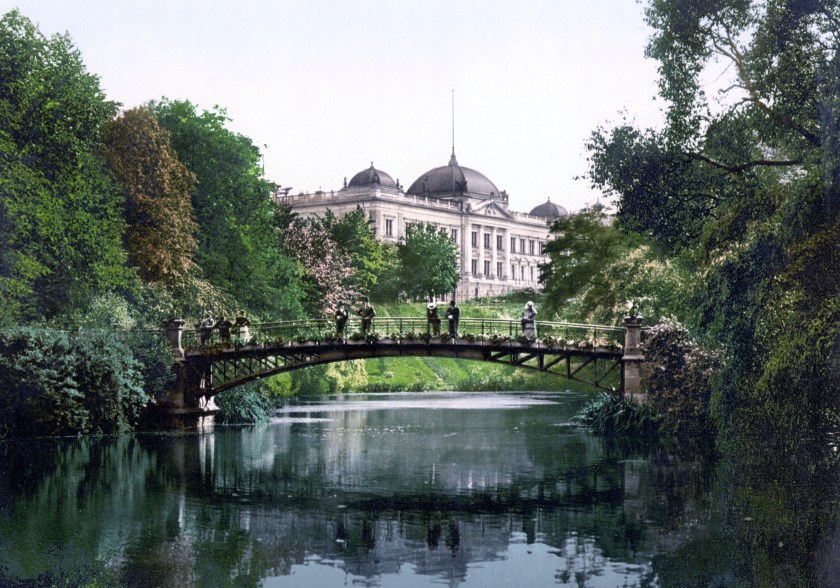
1900
Om yttrandefrihet
Fler kloakråttor kommer krypande i råttan Ezzies spår med nya förolämpningar och förvrängningar. Några andra Flashback-medlemmar hjälper till att stoppa dem.
Men jag befarar att råttorna som fegt missbrukar anonymiteten är på väg att förstöra Flashback med dess goda idé om ”yttrandefrihet på riktigt” genom att stöta bort andra typer av medlemmar. Idealet vore väl annars att Flashback räddades från ynkryggarna samtidigt som de bästa politiska skribenterna frigjordes till ett nytt, mer specialiserat och kvalificerat forum eller en ny webbtidskrift.
”IvanLendl” och “Hugh.Hefner” påstår att jag “hatar yttrandefriheten så mycket”, bedriver ”ren NWO-propaganda” (propaganda för ”the New World Order”) och ”förespråkar hårdare regler på internet med det uttalade syftet att bekämpa fruktansvärda näthatare”.
Påståendena är farsartade, även om man tar hänsyn till att det här är fråga om personer som kanske är ovana att läsa längre texter och vars intelligensnivå är sådan att de har svårt att förstå vad de läser. Jag har gått tillbaka och tittat på vad IvanLendl skrivit tidigare i den här aktuella tråden. Det är uppenbart att han inte är seriös. Även om han själv tolkar och lägger till, har han tydligt visat att han vet vad jag anser om Flashback, den nya världsordningen, yttrandefriheten, hatbrottslagstiftningen o.s.v. Jag hänvisar alla till vad IvanLendl själv i mängder av inlägg tidigare i denna tråd med entusiastiskt instämmande och den största utförlighet citerat från mig. Varje ord gäller.
Jag vänder mig kompromisslöst mot strävandena till nya – helt nya typer av – inskränkningar av yttrandefriheten på internätet (att Hugh.Hefner, skyltande på typiskt Flashbackäckelsätt med sin Sverigeförstörande amerikanska skräp- och pornografi-subkultur, föraktar att jag försöker använda detta försvenskade ord, visar att han åtminstone, till skillnad från vissa andra råttor, inte gör några falska anspråk på att vara nationalist). Dessa strävanden är främst initierade av ideologiska och andra lobbygrupper för deras egna syften och intressen, de är inte alls i första hand ”näthatarnas” fel. Tvärtom är det, som jag instämt med Robert Stenkvist, inte minst just deras politik som skapar näthat.
Som IvanLendl mycket väl vet kritiserar jag ADL och liknande grupper för att ha initierat hatbrottslagstiftningen och för att verka för denna internationellt, även i Europa. Det är sådana grupper som driver på, det är deras fel. Mängder av liberala och socialistiska judar av den typ jag och Kent Ekeroth kritiserat är involverade, men självklart också många andra.
Men inget civiliserat samhälle har fullständig yttrandefrihet. Inget av de historiska samhällen Ezzie, IvanLendl och andra föredrar framför dagens har haft det. Det gäller även demokratierna. Ärekränkning (förolämpning och förtal) tilllhör det som den civiliserade rättstraditionen räknar som straffbart. Förr var exempelvis också hädelse olagligt. Och vårt högteknologiska “informationssamhälle” ställer oss inför mängder av nya utmaningar där friheten måste vägas mot ordningen och skyddet av den enskildes integritet och rättigheter.
Yttrandefrihet (free speech) var ett centralt slagord för de vänsteraktivister och hippies i civil rights– och counterculture-rörelserna i sextiotalets USA som Ezzie och IvanLendl naturligtvis måste avsky som nästan alltigenom judiska – samtidigt som de älskar den enligt dem lika judiska amerikanska underhållningsindustrins elgitarrer (Ivan Lendl har just nu någon avgrundsartad elgitarrist som sin avatar) och kanske, med Hugh.Hefner, Playboy och andra produkter av samma rörelses förelöpare. Detta sextiotalets free speech var något nytt. Syftet var ofta uppenbart nihilistiskt och destruktivt. Men just detta svarar mot Ezzies och IvanLendls Flashback-inlägg.
Vad jag utöver de ideologiska censurlobbyisterna själva vänder mig mot är de missbruk av internätets frihet som dessa stödjer sig på och måste stödja sig på. Vad jag säger är att de verkliga näthatarna, sådana som Ezzie och hans kloaklärjungar, hjälper dem genom att ge dem argument.
Kanske är jag “lättkränkt” – när allt kommer omkring var det väl bara något halvår sedan jag upptäckte inte bara Flashback utan nätforumens värld överhuvudtaget, och jag har bara sporadiskt följt Flashback sedan dess. Jag har ännu inte vant mig vid att det finns så många som uttrycker sig på det sätt som där dominerar. Vid att det finns personer som gömda bakom anonymiteten ägnar sitt liv åt att systematiskt, inför en publik av mobbens mobb, förolämpa och smäda andra.
Jag säger som Hugh.Hefner: Finns sådana människor på riktigt? Inte minst är jag ovan vid att sådant ventileras på detta offentliga och bestående sätt, och att det ses som något fullständigt naturligt, om än bara av andra kloakråttor. Att de senaste kommentarerna om mig uttrycker förvåning över mitt sätt att reagera, att det förväntas att man inte ska reagera på detta sätt på Ezzies typ av oförskämdheter, att man ska tåla och acceptera det, avslöjar ett för mig obegripligt och motbjudande klimat av mesighet. Naturligtvis bör man inte tåla några kränkningar av detta slag, även om det väl ofta är svårt att hinna upptäcka alla råttor och trycka ned dem i de mörka hålor där de hör hemma.
Men vad det handlar om i mitt inlägg är framför allt det jag ägnat stort utrymme åt i min blogg under det gångna året. Ezzie attackerade centrala värderingar i sitt försvar, i form av angreppet på mig, för sin kloak, och gör det än mer i sina oavbrutna, systematiska angrepp på andra. Därmed hotar han också centrala friheter. Och här är situationen allvarlig. Jag har, som jag förklarade, prövat en ny polemisk-stilistisk modalitet, bättre avpassad för en sådan aggressor, en modalitet som jag anade kanske behövdes men som jag hoppas slippa återvända till. Det är allt. Vi får se om det fungerar.
Vad som nu sker är att mängder av naiva, enfaldiga, okunniga och av friheten bortskämda dissidenter på internätet – och verkligen inte bara anarkister och extremlibertarianer utan också sådana som säger sig försvara konservativa och auktoritära regimer med mycket mindre yttrandefrihet än vår – tror att yttrandefriheten är och bör vara total, att de har rätt att säga vad som helst och bete sig hur som helst.
Så är det inte, så har det aldrig varit, så bör det aldrig bli. Problemet är ett av de äldsta och mest välkända i civilisationens historia. Detta är den frihet konservativa – och detta är ett av konservatismens främsta bidrag av bestående värde – vänder sig mot i liberalismen. Calibans frihet. Friheten, eller åtminstone den alltför stora friheten, att leva ut sin egen låghet och svinaktighet.
Denna typ av dissidenter och deras beteende är ett av hoten mot internätet. Ett hot som är allvarligt nog. Men det är också ett hot som dessa dissidenter själva lätt skulle kunna undanröja, ett vapen de med rätt kulturell påverkan utan svårighet skulle kunna vrida ur sina motståndares händer. Det är det jag på olika sätt försöker få dem att göra. Det står utom allt tvivel att dessa avgrundens frihets- och anonymitetsmissbrukande kryp möjliggör och underlättar lagstiftningslobbyns kampanjer och att deras ansvarslöshet inom kort tid kan få fatala, totalitära konsekvenser. (Jag har inte sagt att Ezzie kan förstöra Sverigedemokraterna, som en råtta påstår, bara att detta tycks vara vad han vill.)
Varför ville IvanLendl och Ezzie, de mest signifikativt och karaktäristiskt problematiska skribenter jag funnit på Flashback, och av vilka den förre ägnat en så märklig typ av uppmärksamhet åt mina blogginlägg, nu inte diskutera det judiska inflytande som de annars hela tiden gormar om? Jag svarade på IvanLendls frågor. Och jag välkomnar alla argument som är sakliga och logiska och som framställs utan förtal, förolämpningar och allmän kloakmässighet. Detta är den verkliga, den viktiga yttrandefriheten, den ömtåliga västerländska kulturprodukt jag skulle vilja försöka lämna något slags bidrag till att rädda.
Man kunde önska, för yttrandefrihetens skull och för alla goda Flashback-debattörers som hela tiden måste leva med deras inlägg, att det i högre grad avgjordes och tydliggjordes att Ezzie och IvanLendl bara är intresserade av att förolämpa och förstöra. För det tycks vara värt att försöka göra någonting åt detta forum, och helst alltså flytta de bästa skribentarna till ett annat, eller till en ny webbtidskrift, något som ju borde vara hur lätt som helst och inte ens behöver kosta pengar. Efterfrågan är utan tvekan oerhörd. Johan Lundberg är ensam på Axess-bloggen, Motpol verkar vara på väg att ebba ut och tystna, och Tradition & Fason har redan lagt ned.
Det finns förvånansvärt många bra skribenter på Flashback – förvånansvärt i beaktande av hur många dåliga det också finns. Å ena sidan är det väl värt att läsa de bästa, som ofta är åtminstone i sak bättre och intressantare än de stora tidningarnas som flera kommentatorer här vill att jag ska prioritera; här finner vi intellektuella som saknas och skulle behövas på annat håll. Å andra sidan är det en plåga att läsa dem i denna kloakatmosfär.
Mitt argument för internät-publikation som jag framfört i flera inlägg hänger naturligtvis på kvalitetskriteriernas uppfyllande. Det är groteskt att dessa kunniga, insiktsfulla och inte sällan roliga skribenter återfinns i detta kloaksällskap och lägger ned så mycket tid och arbete där. Här verkar finnas resurser och underlag till något helt annat och mycket bättre på nätet. Som inte hotar utan befrämjar yttrandefriheten.
Gérard de Lairesse: Vénus présentant ses armes à Énée

Ezzelino
Jag upptäcker att Flashback-tråden om mig, SD och konservatismen, som jag kommenterat i flera inlägg, har urartat. Den kommentator som bad mig skriva om frågan om judiskt inflytande klagar nu i denna tråd – av någon anledning inte längre här – på vad han uppfattade som otillräckligheten i det inlägg jag på denna uppmaning skrev, ‘Till frågan om det judiska inflytandet’, och i synnerhet i mitt svar på en av hans efterföljande kommentarer. Och en annan Flashback-skribent, “Ezzelino”, ger sig in i denna diskussion.
Jag svarar nu främst den senare, i en polemisk-stilistisk modalitet som i någon mån anpassar sig till den som är dennes egen i anonymitetskulturen, och som han därför förtjänar. Min avsikt är att lämna ett nytt bidrag till att sätta stopp för eller begränsa de missbruk jag så ofta påpekat under det senaste året, ett bidrag av ett annat slag än tidigare och som jag börjar förstå kan vara nödvändigt. Men efter detta hoppas jag att jag inte behöver återvända till denna modalitet. Den provinsiellt och så att säga naivt vulgära, grova, subkulturella ton som alltför ofta dominerar på Flashback är oförenlig med den svenska och europeiska traditionen av civiliserad offentlig debatt. För mig är det viktigt att värna den och den standard den etablerat när den varit som bäst. Mer än de flesta tror av våra högre, i verklig mening frihetliga, humanistiska och demokratiska värden vilar, skulle jag vilja påstå, på just detta.
Mitt inlägg om det judiska inflytandet
Kommentatorn som jag – i tron att han skulle uppskatta det och hopp om att det kanske kunde leda till en meningsfull diskussion om det ämne han tog upp – efter hans första, måttfullt formulerade förfrågan beviljade ett inlägg, skriver: ”Bengtsson skriver på inrådan av någon antisemit som frodas i anonymitetskulturen [det vill säga kommentatorn själv] om den judiska frågan. Jag tycker inte att inlägget är speciellt klargörande.”
Jag skrev inte att kommentatorn är antisemit. Man märker här omedelbart ett oseriöst syfte, helt skilt från diskussionen av ämnet – en vilja att framställa sig själv som djärv sanningssägare och utmåla mig som orättvist förtryckande politisk-korrekt konformist.
I sak är klagomålen oklara. Förutom att mitt inlägg inte är tillräckligt klargörande, fortsätter jag i svaret på kommentaren ”försvara David Horowitz”, vilket är fel: ”Jag kan bara inte ta sånt. Horowitz är genuint ond. Det är oacceptabelt att försöka göra honom till en ’god jude’.”
Detta är hela kritiken. Den första punkten går inte att bemöta, eftersom kommentatorn inte förklarar vad det är som inte är eller på vilka punkter jag inte är speciellt klargörande, och vad han menar med speciellt klargörande.
På den andra punkten har jag inget mer att säga än det jag redan sagt i svaret på hans kommentar: jag nämner en del bra saker Horowitz har gjort och som är relevanta för ämnet, men tar, liksom i inlägget, avstånd från hans övriga positioner. Kommentatorn vill tydligen inte förklara vad det är han menar vara fel i detta partiella försvar. Påståendet om Horowitz’ genuina ondska kan inte bemötas bara som sådant, och det om att jag försöker göra honom till en ”god jude” är kommentatorns egen beskrivning av vad jag gör, något som, beskrivet på detta sätt, avfärdas som oacceptabelt med hänvisning till det första påståendet. Det finns ingen som helst saklig substans att ta fasta på här. Det jag redan har sagt om Horowitz gäller.
Av narcissistiskt självförhärligande skäl eller bara av lättsinnig dumhet, den ansvarslösa lättviktighet som anonymitetskulturen framodlar, nedvärderar kommentatorn nu mig, förklarar han krig mot mig, skapar han splittring. Därmed bidrar han till att förstöra det även han, om än på ett överdrivet och förvrängt sätt, tills helt nyligen hyllat mig för på Flashback.
Anonymitetskulturen igen
Men den verkliga urspårningen finner vi när en annan kommentator, ”Ezzelino”, ger sig in i diskussionen. Här har vi att göra med en verklig anonymitetskulturens ynkrygg, eftersom han missbrukar anonymiteten på just det sätt jag flera gånger kritiserat: till ett lågt och fegt personangrepp. Och långt ifrån bara mot mig – hans angrepp mot mig är mycket milt i jämförelse med vad han säger om andra. Under lång tid har han missbrukat anonymiteten genom angrepp mot många personer, som led i en analys av och polemik riktad huvudsakligen mot judar och deras inflytande, men även mot olika mer eller mindre konservativa och nationalistiska debattörer och politiker som han ogillar – ofta för att de enligt honom står under det judiska inflytandet – och vars ansträngningar han därför vill förstöra. Det finns därför anledning att ta upp denne skribent även oavsett vad han nu skriver om mig.
Till att börja med ligger naturligtvis det ynkliga i det blotta faktum att han fördömer verkliga, icke-anonyma skribenter för att de inte går, eller av honom påstås inte gå, lika långt som han själv i den modets och sanningssägandets riktning som han själv gör anspråk på att ha gjort. Vem är han själv, och hur långt har han i själva verket gått? Den person som döljer sig bakom användarnamnet “Ezzelino” har ju inte tagit ett enda steg. I stället för att öppet framträda, ta ansvar för sina åsikter och arbeta konstruktivt, väljer den verkliga personen bakom signaturen ett liv av feg anpassning till och därmed stöd för det “etablissemang” han inte vågar kritisera annat än anonymt. Han kan på intet sätt jämföras med föremålen för hans kritik.
Ezzelinos uppfattning av det judiska inflytandet är av ett speciellt slag. Efter att ha gått tillbaka bara en liten bit i olika Flashback-trådar där han medverkar har jag hittat en lång rad formuleringar (jag har ingen lust att återge dem här) som tydligt uttrycker ett rent rashat mot judar av en typ som är ganska ovanligt. Och det som i hans analys och förståelse av judendomen går utöver detta finner jag – så långt jag följt honom – ofta ytligt, ensidigt och osjälvständigt.
Hur ska man förhålla sig till allt detta? Ska man bara avfärda det och ignorera det tillsammans med hela Flashback? Ska man avfärda hela den av mig ofta diskuterade anonymitetskulturen och fördöma anonymitet överhuvudtaget, eftersom de nästan oundvikligen producerar avarter av detta slag? Jag tycker inte det. Som jag flera gånger sagt fann jag Flashback – som jag upptäckte först i år, genom tråden om mig – med dess idé om “yttrandefrihet på riktigt” i vissa avseenden vara ett positivt fenomen. Jag hittade flera mycket goda individuella skribenter, och fann det meningsfullt att ge mig in i dialog med dem på det sätt jag gjorde i de inlägg där jag kommenterade vad de skrivit om mig och mina blogginlägg. Jag hoppades att även diskussionen med kommentatorn i min blogg skulle kunna bli en del och fortsättning av detta.
Men med Ezzelino står vi inför något helt annat. Han beter sig inte som en vanlig debattör, som en normal, seriös, respektabel kritiker. Och därför krävs här ett annat bemötande, och det bör, menar jag, inte vara tystnad. I stället för totalt avståndstagande och krav på förbud och censur är den metod jag nu prövar en motattack mot en av de viktigaste, ledande, representativa missbrukarna av anonymiteten.
Åskådningsmässigt ger även ett ytligt studium av hans inlägg på Flashback vid handen att Ezzelino är en iskall nihilist, nietzschean, deleuzeguattarian och rå, militant antihumanistisk Pentti Linkola-naturalist, avskuren från alla högre tanketraditioner på det sätt man bara kan vara om man aldrig lyckats ta sig utöver eller få upp ögonen för vad som ligger bortom den gamla vanliga, allmänna moderna provinsialsvenska radikalismens karga, kulturlösa tundra. Det faktum att Ezzelino obestridligen är en intellektuell endast accentuerar denna tragik.
Detta kastar kanske ljus över hans val av användarnamn. Om den för sin exempellösa grymhet och tortyr ökände och av Dante i helvetets sjunde krets placerade medeltida italienske tyrann vars namn denne skribent använder, skriver Jacob Burckhardt i sitt klassiska verk Renässanskulturen i Italien: ”Vid sidan om kejsaren [Fredrik II], vars strävan går ut på centralisation, uppenbarar sig en usurpator av egendomligaste slag, hans vikare och svärson Ezzelino da Romano. Denne företräder intet regerings- eller förvaltningssystem, då hans verksamhet helt och hållet går ut på strider om herravlädet i östra Norditalien. Men som politisk förebild för den följande tiden är han icke mindre viktig än sin kejserlige beskyddare. Alla medeltidens hittills gjorda erövringar och usurpationer hade fullbordats antingen med stöd av verklig eller föregiven arvsrätt, eller också hade de skett mot de otrogna eller bannlysta. Här ser vi för första gången ett försök att grunda en tron genom massmord och ändlösa ohyggligheter med användande av alla medel och hänsyn tagen endast till målet. Ingen av efterföljarna har tillnärmelsevis hunnit upp Ezzelino i fråga om förbrytelsernas måttlöshet, ej ens Borgia. Men exemplet var givet, och Ezzelinos störtande innebar ej rättvisans återställande för folken, ej någon varning för kommande förbrytare…I en sådan tid var det förgäves som Thomas av Aquino…uppställde teorin om en konstitutionell styrelseform, i vilken fursten tänks stödd på en av honom utsedd senat och en av folket vald representation.”
Skyltande med sin identifikation med allt detta (som hans “avatar” ser vi dock Sigismondo Malatesta i praktfull renässansdräkt) har vår Ezzelino tydligen utmejslat en nisch på Flashback där han är den som alltid talar vad han menar vara klarspråk och den nakna sanningen utan några som helst hämningar och hänsyn, med en grov och brutalt aggressiv vulgaritet, och med en nihilistisk avsikt att förstöra och helt oprovocerat förolämpa och kränka. Varför han tagit sig an “nationalismens” sak och tror sig kunna göra anspråk på trovärdighet i dess och “vanliga svenskars” försvar är högst oklart.
Men han tycks tro att läsare imponeras av allt detta. Hans destruktiva attacker även mot personer som mig (och det är alltså många fler) tyder på att anledningen till att han tillbringar en stor del av sitt liv på Flashback till åtminstone avsevärd del är att han där kan tillfredsställa sitt ego med sin egen inbillning om hur andra beundrar honom. Denna anonymitetskulturens spegelfäktning framför skärmen är naturligtvis i sig beklämmande och löjeväckande. Men den blir också generande när inläggen tydligt visar inte bara att författaren inte vet vad han talar om, utan också att han inte förstår hur andra uppfattar honom.
En intellektuells antiintellektualism
Ezzelino skriver om mitt inlägg om det judiska inflytandet: ”Det Bengtsson gör är att ta en tankegång, mysfarbrorsmalande tänja ut den till och över bristningsgränsen, sedan ta den kollapsade tankegången och släta ut den samt späda ut den glutenfria och okryddade text han knådar fram med generösa doser svagdricka och lättmjölk. Kort sagt: han skriver alldeles åt helvete för långrandigt. Det sättet att uttrycka sig kanske har lugnande, självterapeutiska orsaker, men det fungerar inte så bra som text.”
Om jag ska göra ett försök att ta denna person på allvar måste till att börja med sägas att detta i en mening är fullständigt obegripligt. Vad är det Ezzelino efterlyser? Vem jämför han mig med? Vem skriver enligt honom bättre om detta?
Jag skriver för långt som svar på oerhört allmänt formulerade frågor om judiskt inflytande? Detta är ett litet ämne som låter sig tillfredsställande avhandlas på mycket mindre utrymme, det utrymme hans egna pluttsnuttar på Flashback kräver?
Redan tidigare i Flashback-tråden har Ezzelino kritiserat mina artiklar för att vara ”substansutspädande”. Denna kritik är inte främst stilistisk utan innehållslig – trots att Ezzelino inte framför ett enda innehållsligt argument, inte nämner en enda saklig ståndpunkt, utan bara radar upp nedsättande bilder.
En sådan outrerad och militant antiintellektualism – man erinrar sig sorgset hans tvivelaktiga “filosofiska” inspirationskällor – är självklart helt undermålig. Jag tar ”en tankegång”, säger Ezzelino. Varje stycke i min text innehåller minst en tankegång. Jag kan inte se att någon av dem “kollapsar”, och Ezzelino förklarar inte vad han menar med detta. Inte en enda av mina tankegångar tas överhuvudtaget upp av Ezzelino. Vi förstår bara att han i själva verket önskar en annan substans. Att han helt enkelt, utan att anföra något sakligt skäl, tycker att jag inte är tillräckligt medveten om och kritisk mot det judiska inflytandet. Intressantare än så är verkligen inte det han har att säga.
När man tidigare bett mig skriva mer än jag hittills gjort om judiskt inflytande, Israel och så vidare har jag svarat att ämnena är mycket stora och bett att det hela ska uppdelas i mindre, mer precisa delfrågor. Det var eftersom den senaste kommentatorn åtminstone i någon mån gjorde detta som jag denna gång skrev ett svar. Men Ezzelino menar att om man inte har en enkel, entydig och radikal uppfattning i dessa frågor som överensstämmer med hans egen, och om man inte uttrycker denna kort- och grovhugget på hans eget sätt, blir resultatet en dålig text.
Av detta följer att man inte kan hysa en moderat uppfattning och uttrycka sig med den nyansering som med nödvändighet måste vara jämförelsevis utrymmeskrävande, eftersom detta alltid kan beskrivas i termer av glutenfrihet, okryddadhet, svagdricka och lättmjölk. Detta är sakligt, förutom rent barbari, också ren idioti.
Sektmentalitetens tragikomedi
Men troligen skulle det inte spelat någon roll om jag skrivit något som låg närmare Ezzelino. Avgrundsvarelser av hans typ blir ändå aldrig nöjda, eftersom deras syfte är ett annat än att meningsfullt och konstruktivt diskutera, göra positiva insatser, försvara någonting viktigt och värdefullt. Det visas av deras attityd, beteende och språk mot andra.
Ezzelinos enkla logik i detta fall tycks vara: ju mer kritisk mot judar, desto bättre, desto mer gluten, kryddor, alkohol- och fetthalt, desto bättre text. Det går alltid att gå längre, överträffa andra i detta spel, göra anspråk på att man är bättre eftersom man själv alltid är radikalast. Var slutar det?
På ett mer allmänt plan är vad vi möter i Ezzelinos förhållningssätt till mig och till många andra den gamla vanliga banala fanatism och sjuka sektmentalitet som vi känner bara alltför väl från kyrkans och extremvänsterns historia, men som också återfinns bland Ezzelinos typ av “nationalister”. Den är samtidigt tragisk och komisk.
A och B har tidigare uttryckt samma ståndpunkter. C och D delar andra ståndpunkter, och ogillar A:s och B:s. B tar ett steg i riktning mot C:s och D:s ståndpunkter. C välkomnar detta. D däremot visar sig vara en sektfanatiker. För honom tycks det faktum att B tar ett steg i hans riktning bli ett skäl att ytterligare ogilla B. I stället för att välkomna B, övergår D till att angripa B för att han inte tagit två steg, inte är tillräckligt renlärig, är alltför försiktig, alltför mellanmjölksaktig. B tar ett andra steg. C välkomnar även det. D däremot blir ännu mer fientlig, och ägnar nu hela sin energi åt att hatiskt motarbeta och förtala B för att han inte tar ett tredje steg. B framställs som den verkliga motståndaren, alltunder det A undgår kritik. Snart börjar D också kritisera C för att vara alltför välvilligt inställd till B, inte tillräckligt kritisk ifråga om B:s ännu ej tagna tredje steg, och framställer denna C:s svaghet som ett avgörande problem, långt viktigare än A. B är, säger D, egentligen bara ute efter att infiltrera och korrumpera C och D och därmed oskadliggöra deras motstånd mot A. Därför måste all energi läggas på att stoppa och förstöra B, och även C som inte förstår B:s verkliga natur. Genom att behandla B och C på detta sätt blir D till slut en enmansprocession, som med alltmer gäll röst skriker att den och ingen annan står för den rätta läran och frälsningen.
Kanske borde jag i högre grad ha förutsett detta bemötande när jag gav mig in i dialog med vissa av Flashback-skribenterna. Men att det skulle drivas till sådana absurda ytterligheter som hos Ezzelino skulle jag aldrig ha kunnat ana. I ett fall som detta måste man ju fråga sig om syftet överhuvudtaget är seriöst, ja om det i själva verket är ett annat än det föregivna, om vi här inte har att göra med en person som är ute efter att just skapa splittring och försvaga och kompromettera det han låtsas stå för.
Mina motiv
Ezzelino fortsätter: ”Men jag kanske är alltför negativ: han försöker ju faktiskt, på sitt sätt, diskutera judefrågan.” Försöker? Vad menas här? Att jag inte lyckas diskutera frågan om judiskt inflytande? Formuleringen är förmäten, uppblåst, arrogant.
Och: ”Problemet är väl bara att han snarare i praktiken strävar efter att desarmera den.” Återigen obegripligt. Jag uttrycker helt enkelt min uppfatting om det kommentatorn frågade om, med den precision och detaljrikedom som är rimlig i ett normalt blogginlägg. Mina ståndpunkter är helt klara. Det är endast Ezzelino som läser in ett bakomliggande syfte. Och att han gör det beror naturligtvis helt enkelt på att han inte håller med mig. Men är detta ett meningsfullt sätt att diskutera ämnet? Vågar eller kan Ezzelino inte diskutera det på annat sätt? Det är han, inte jag, som undviker ämnet.
Vidare: ”Han verkar besatt av längtan efter ett samförstånd han aldrig kommer att få uppleva.” Med vilka längtar jag efter samförstånd? De liberal- och vänsterextrema judar jag, som jag påminner i inlägget, redan tidigare kritiserat? Shas-fundamentalisterna på Västbanken? Ezzelino kommer här med en fullständigt ogrundad förolämpning av den typ som endast kan skapas av den förening av naivitet och ansvarslöshet som är så typisk för anonymitetskulturen. En förolämpning som nu, liksom hans kommentar i dess helhet, kvarstår som en dom över honom själv. Varför gör han detta?
Än en gång visar Ezzelino sin oförmåga att uppfatta vad det var som skedde. Vad jag gjorde var att jag svarade en kommentator därför att denne framställt frågor av en typ som även andra tidigare ställt och jag då inte besvarat. Jag strävade inte efter att åstadkomma någonting alls med denna text. Var visade jag mig ”besatt” av ett samförstånd som jag vill uppleva? Jag skrev bara ned några tankar på kommentatorns uppmaning om det ämne han förelagt mig, i hopp om en meningsfull diskussion. Det är allt.
Ezzelino kan ju omöjligen bygga kritiken om ”besattheten” på att jag skrivit mycket om detta ämne. Liksom tidigare kommentatorers frågor föranleddes ju dennes just av att jag inte gjort det. Men å andra sidan kan Ezzelino därför inte heller bygga kritiken om längtan efter ”samförståndet” på vad jag skrivit i tidigare inlägg. Där uttrycker jag ju också skarp kritik mot visst judiskt inflytande, kritik av ett slag som han ju måste se inte är ett uttryck för någon längtan att uppleva samförstånd med dem jag kritiserar.
Borgerligheten och jag
Vidare: ”Bara genom att ’nyanserat’ försöka dryfta några aspekter av judefrågan har Bengtsson gjort sig totalt omöjlig i just de kretsar han gärna skulle vilja tillhöra (borgarkretsar).” Här blir det ännu allvarligare. ”Nyanserat” inom citationstecken? Ezzelino menar knappast att jag misslyckas med nyanseringen. Han menar att detta är ett ämne som inte bör diskuteras nyanserat, ja där det inte finns några nyanser.
Hur enfaldig måste man inte vara för att kunna skriva det Ezzelino skriver här? Han tycks inte inse att han ju måste ha många läsare även på Flashback som läst mer av mig och vet mer om mig än han gör. Han verkar helt enkelt inte förstå att hans inlägg måste uppfattas som löjligt. Det är skrattretande att se framför sig denna dumdristiga, självgoda kloakråtta sitta och berömma sig själv över djärvheten och intelligensen i sitt genomskådande sanningssägande.
Ezzelino förstår inte att många till skillnad från honom själv måste ha läst exempelvis mina tidigare inlägg där jag kritiserat ”borgarkretsarnas” otillräcklighet, svaghet, materialism, allmänna kulturella förfall och partipolitiska förvirring; där jag utförligt beskrivit min egen långa verksamhet i dessa kretsar; där jag förklarat hur jag inte ens i denna verksamhet begränsade mitt politiska tänkande till ett exklusivt borgerligt sådant; där jag förkastat vissa konservativas teatraliska poserande och andra konservativas klassförakt och tal om “white trash” och liknande; där jag talat om hur konservatismen i viss mening visat sig otillräcklig överhuvudtaget och beskrivit mig själv som “post-paleokonservativ”; där jag berättat hur mitt missnöje med borgerlighetens utveckling vuxit fram; där jag förklarat hur jag lämnat Moderaterna och Kristdemokraterna och övergått till Sverigedemokraterna; där jag tydliggjort hur jag beslutat söka mig bort från de begränsade politiska borgarkretsarna och deras ohållbara politiska alternativ (naturligtvis söker jag mig inte bort från gamla verkliga vänner i borgarkretsarna, och jag avvisar inte heller nya när de har något att komma med på något för mig viktigt område, men detta innebär inte att jag själv står för några begränsade borgarkretsars åsikter); där jag med stor noggrannhet beskrivit hur det borgerliga enligt mig bör förhålla sig till andra delar av samhället och de värden som gäller för helheten långt bortom dess klassmässiga begränsning; och där jag, slutligen, presenterat en utmaning till borgerligheten att acceptera det alternativ jag förespråkar.
Det är pinsamt att Ezzlino tror sig kunna avslöja ett futtigt, ynkligt motiv hos mig att bli en del av borgarkretsar som jag skulle stå utanför, när jag skrivit så mycket och på så många sätt om hur och varför jag är besviken just på dessa kretsar. Jag tänker inte låta mig missförstås på denna viktiga punkt genom att lämna oförskämda beskyllningar av Ezzelinos typ obesvarade.
Men hans förolämpningar här, liksom ifråga om ”samförståndet”, ligger nära den han framfört tidigare i tråden, där han kallade mina artiklar ”anständighetssuktande”. Å ena sidan, passar jag på att svara på detta sistnämnda, har jag aldrig märkt att någon uppfattat mig som oanständig. Jag har därför aldrig suktat efter något jag inte upplevt mig sakna. Jag skriver inte för att vinna tillträde till någon anständighetssfär som jag är utesluten från. Jag skriver bara som jag alltid gjort, under årtionden. Det är bara det att mina ståndpunkter helt enkelt inte är desamma som Ezzelinos.
Å andra sidan har mina politiska artiklar alltid – inte bara de Ezzelino läst här i bloggen utan alltifrån åttiotalet och inte minst i ”borgarkretsarnas” organ – konsekvent och systematiskt utmanat den borgerligheten kontinuerligt invaderande politiska korrekthetens (jag lägger in denna länk igen eftersom vissa debattörer ifrågasätter begreppets relevans och meningsfullhet; enligt min mening har det med rätt, historiskt förankrad definition en viktig analytisk funktion, även om det naturligtvis utan denna kan missbrukas) falska anständighet, som jag hela tiden inte bara suktat efter att röra mig bort från och inte tillhöra utan också verkligen rört mig bort från och därför sedan länge på intet sätt tillhör – om jag nu någonsin överhuvudtaget gjort det. Även detta är sakligt en mycket viktig punkt.
Kloakråttans perspektiv
En förklaring till detta Ezzelinos fantastiska självbedrägeri kan naturligtvis vara just det faktum att han själv är en sant oanständig kloakråtta som bara känner och förstår andra kloakråttor. Utan tvekan finns bland kloakråttorna en och annan som någon gång lyckats få upp nosen så långt genom rännstenens galler att de sett att det finns en annan, verkligt anständig värld där ovanför, och som därför ”gärna skulle vilja tillhöra” den. Det är inte osannolikt att detta är Ezzelinos hela horisont (hans anpasslighet IRL tycks inte ha lett till någon normal position i samhället), även om man inte gärna kan tro att Ezzelino själv delar denna önskan som några av de andra råttorna bevisligen hyser. Att vilja lyfta sig upp ur kloaken – och ovanför den finns verkligen inte bara borgarkretsar – är ju en ädel och lovvärd egenskap, men vissa kloakråttor är av naturen sådana att de inte ens vill detta, utan en gång för alla hör hemma i kloaken allena.
Lika generande är att Ezzelino från sitt kloakperspektiv tror sig veta att jag ”gjort mig omöjlig” i ”borgarkretsar” genom mitt inlägg. Jag har hört liknande saker förr. Exempelvis skulle, hette det, mina borgerliga vänner ”aldrig mer tala med mig” bara för att jag nu stödde Sverigedemokraterna.
Naturligtvis har en och annan i de nymoderata borgarkretsarna matt upprepat de vanliga standardfraserna: hur kan jag försvara de där främlingsfientliga, och så vidare. Men det har aldrig varit fråga om något personligt avståndstagande. I de mer genuint konservativa kretsar där jag trivs bättre – det där som brukar avfärdas som den mörkblå punsch- eller möjligen cognac- och cigarrglasverandan – vårdar man åtminstone minnet av den tid då det verkligen fanns en genuin borgerlighet med starka inslag av bildning, historisk förankring och tradition (en annan sak jag skrivit om är mina egna minnen av denna borgerlighet sådan den ännu fanns kvar i min barndom). Den absolut enda kritik jag hittills hört där – möjligen har man även annan kritik, men den har i så fall inte framförts direkt och personligen till mig – är att Sverigedemokraterna är alltför dominerade av Kent Ekeroth och att han kommer göra Sverigedemokraterna till ett neokonservativt parti.
Att mena att jag skulle ha gjort mig ”totalt omöjlig” genom att återge just Ekeroths analys av de liberala judarna avslöjar därför liksom det övriga Ezzelino skriver hur djupt nere i kloaken han befinner sig. Det krävs inte mycket kontakt med samhället för att uppfatta hur många borgerliga i “etablissemanget” som i hemlighet beundrar Sverigedemokraternas utveckling under senare år, som djupt inom sig är stolta över att deras eget land kunnat frambringa detta trots allt motstånd från dem själva, ja som i verkligheten föraktar sig själva för sin svaghet, för den destruktion de vet att de är delaktiga i, för den töntiga anpassning de sitter fast i. När de är utomlands eller diskuterar nationalism med personer från andra länder tycker de att det skulle varit pinsamt att behöva säga att det inte finns några nationalister, eller konservativa som bevarar ett nationellt inslag, i Sverige. De är glada att kunna säga att det även finns svenska nationalister.
Om Ezzelino haft rätt i sitt påstående skulle det ha varit av ett helt annat skäl än han tror. I själva verket är det jag som, liksom här i bloggen, fått försvara Ekeroth i denna del av “borgarkretsarna”.
Flashback och anonymitetens missbruk
Slutligen uppstiger ur Ezzelinos kloakavgrund – eller, om vi får tro Dante, helvetesavgrund – följande förolämpningar, föranledda av att jag uttryckt tveksamhet inför att själv stiga ned i hans kloak:
”Bengtsson är verkligen en stofil. Kanske en rar sådan, vad vet jag. Men herregud, att en del unga människor väljer ’obscena’ nick ska väl för fan inte avskräcka en vuxen man från att skriva i samma trådar som dem. Det är en riktigt komisk beröringsskräck.”
Jag är en stofil, jag är rar, jag är avskräckt på ett sätt som är förvånande hos en vuxen man, jag uppvisar komisk beröringsskräck – därför att jag, som jag skrev, ”är obenägen att själv ge mig in i diskussionerna [på Flashback] och posta inlägg jämsides med bidrag från Fittfitta, Knullkungen, Cuntsucker, Megaballen, Kommunistfittan och Drullknull”.
Denna nivå av omdöme och urskillning säger det mesta om vem Ezzelino är. Det är överflödigt att bemöta detta.
Låt mig i stället upprepa och tydliggöra att jag inte menar att Flashback i dess helhet är en kloak, bara att den del där Ezzelino och tyvärr alltför många andra dväljs är det. I de formuleringar av mig som han här själv citerar säger jag bland annat att det finns mycket som är bra i detta forum och att jag till och med själv blivit medlem, om än bara för att bättre kunna följa de skribenter jag uppskattar. Jag försvarar Flashback och tar det på allvar.
Även detta inlägg är ett uttryck för det. Normalt kan man inte inlåta sig i debatt med personer som Ezzelino, och kommentarer som de här citerade förtjänar i sig egentligen inte att bemötas. Men jag ser detta svar som ett led i min argumentation rörande anonymitetskulturen och dess missbruk, och därmed de viktiga frågorna om internätet och yttrandefriheten, ja om den politiska kulturen i allmänhet.
Som jag betonat skulle jag dock önska att man arbetade för att förändra och i olika avseenden kvalitativt förbättra Flashback, och att de bästa skribenterna flyttade till ett nytt, mer specialiserat forum med bestämda och långt högre krav, i flera avseenden, på de medverkande.
Faktum är att en av dessa bra Flashback-skribenter rentav framfört det ännu bättre förslaget att de bästa skribenterna tillsammans startar en ny webbsida eller -tidskrift med i vid mening nationalkonservativ inriktning och med samma typ av snabba kommentarer i dagsdebatten som nu tvingas rymmas i den hittillsvarande frånstötande kloakstanken på Flashback. Jag vill helhjärtat uppmuntra detta. Deras bidrag är av sådan kvalitet att de verkligen förtjänar det. Om det är absolut nödvändigt kunde de rentav förbli anonyma, eftersom de inte missbrukar sin anonymitet.
Det viktiga är att de avskiljs från sektfanatikerna. Även med en stor ansträngning att leva sig in i deras perspektiv är det svårt att förstå de senare. Hur kan det vara så viktigt att göra personer som tar några men inte alla steg i ens egen riktning till fiender? Att de inte vinner något för sin sak utan i stället undergräver den är ju uppenbart. Omognad, fåfäng egocentricitet, ytlighet, dumhet, klumpighet, oskicklighet – allt detta skapar splittring och förstörelse. Bland svenska radikalnationalister verkar detta länge ha varit en dominerande patologi. Flashback är överfullt av sådana personer, som alltså, än en gång, dessutom är anpasslingar IRL och där aldrig själva tagit ett enda steg.
Ett av Ezzelinos huvudärenden på Flashback tycks vara att förstöra Sverigedemokraterna. Vad han verkligen riskerar att förstöra är internätet, dess frihet och dess möjligheter för det offentliga samtalet. Det är fega, anonyma personer som han, som verkligen på allvar uttrycker ”näthat”, som ger argument till alla som nu kräver avstängda kommentarfält, censur och inskränkning av yttrandefriheten. Vad jag många gånger sagt om problemen med anonymitetskulturen exemplifieras av Ezzelino på det mest motbjudande sätt.
Hôtel Rydberg, Stockholm
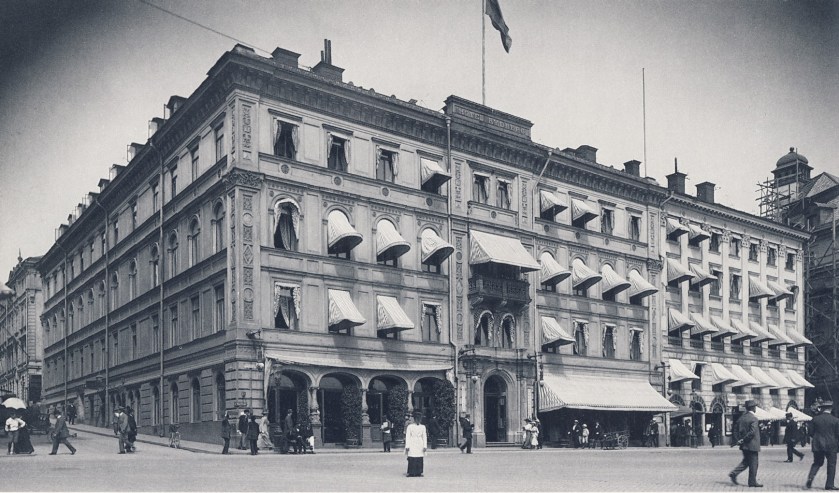
Gustaf Adolfs Torg
Teori i svensk idé- och lärdomshistoria, 1
Detta är det första i en ny serie inlägg innehållande en lätt reviderad version av en otryckt uppsats från slutet av 1990-talet, i vilken jag dels i historiskt perspektiv översiktligt belyser och kritiskt utvärderar aspekter av den vetenskapliga teoribildningen inom idéhistorieämnet vid svenska universitet, dels kort antyder några centrala punkter i och aspekter av vad jag anser skulle kunna försvaras som ett alternativ till de hittills dominerande teoretiska riktningarna.
Idéhistorieämnet har inte bara en unik ställning i Sverige utan har, alltsedan det introducerades av Johan Nordström på 1930-talet, en lång och delvis självständig identitét och historia här som det saknar i andra länder. Detta motiverar begränsningen till den svenska debatten, men diskussionen kommer med nödvändighet också röra allmänna, internationellt utbredda teoretiska positioner, även om deras tillämpning i forskningens praktik där ofta återfinns inom andra ämnen.
—
”Idéhistoria handlar om tänkandets historia, från antiken till våra dagar, föreställningarna om världen och kosmos, naturen och kulturen, etiken och politiken och mycket annat. Det gäller förstås de stora namnen och deras teorier: Platon om idéerna, Copernicus om solen, Newton om universum, Marx om klasskampen, Nietzsche om övermänniskan, Freud och överjaget, Popper och det öppna samhället. Men idéhistoria ger också svar på hur, när och varför de föreställningar, kategorier och modeord uppkommit som styr vårt dagliga tänkande…Idéhistoria är ett historiskt ämne och idéerna studeras följaktligen historiskt – hur de uppkommit, traderats, använts och förändrats. Den filosofiska aspekten – om idéerna är sanna eller ej – är av underordnat intresse. Värdeaspekten – vad man skall tycka om dem – är inte föremål för vetenskapligt studium…”
Så skrev Bo Lindberg under sin tid som professor i Stockholm i en populär presentation av ämnet på institutionens hemsida. De sista meningarna innehöll en kort principförklaring som i mycket överensstämmer med distinktionen mellan vetenskap och världsåskådning.
Det är emellertid inte uppenbart att dessa principer accepterats av mer än en högst begränsad del av idéhistorieämnet i Sverige under de senaste årtiondena. Den av Henrik Björck redigerade jubileumsvolymen Idé- och lärdomshistoria i Göteborg 1997. Ställningar och förhållanden efter fyrtio år från 1997 gav exempelvis med vad som knappast kan betecknas som annat än en överväldigande entydighet vid handen att en diskrepans föreligger mellan principer av Lindbergs slag och den idéhistoria som bedrivits i Göteborg.
Detta blir ytterligare uppenbart genom att Lindberg också följdenligt, om än i hovsamma ordalag, framträder som en avvikare från och delvis till och med kritiker av den riktning inom idéhistorien, som på goda grunder kan anses prägla inte endast Göteborgsinstitutionen, utan tvärtom torde kunna betraktas som den i Sverige dominerande.
Den av Henrik Sandblad upprätthållna och av Sten Lindroth fortsatta nordströmska traditionen, som Lindberg kanske uppfattade som på det hela taget motsvarande de av honom uttalade principerna, framstod även i Lindbergs bidrag som ett sedan länge historiskt överskridet stadium, och tonvikten låg istället på den ”ideologianalys”, som förmodades icke minst i utomståendes ögon skänka Göteborgsinstitutionen dess egenart (enligt Lindberg var den ”institutionens signum”). Sandblad efterträddes av vetenskapsteoretiska metaperspektiv, något som enligt Lindberg var ”provocerande i sitt glorifierande av teorin och sitt filosofiska reducerande av historien till blott exempelsamling åt de generaliserande teorierna”; som ”formulerar modeller och teorier och undersöker dem genom ’case studies’”. Lindberg talade här om utvecklingen under sextio- och sjuttiotalet, och konstaterade att
”vetenskapsteorin var förstås inte bara teori. Den var också ideologi, ett led i den ideologiska förändring som drog över inte bara den akademiska världen de här åren. Benägenheten att avhistorisera och göra historien till hjälpmedel åt generaliserande vetenskap var ett uttryck för behovet av nya, mer relevanta perspektiv i en krympande värld, där rekonstruerandet av det förflutna, i synnerhet det nationella förflutna, uppfattades som mindre angeläget. Talet om ’Vorverständnis’ och paradigm ingick i det ifrågasättande av vetenskapens objektivitet, som präglade hela 70-talet. ’Det finns inga teorilösa fakta’ och ’alla fakta är teoriimpregnerade’ är paroller som…var uttryck för samma tendens varav vi alla…tog intryck. Ifrågasättandet av objektiviteten kom från olika håll – från hermeneutiken, från Kuhn, från Foucault…och från antropologerna. Men sin ideologiska kraft fick det genom marxismen. Visserligen vill ju marxismen inte vara relativistisk alltigenom utan bara när det gäller den borgerliga vetenskapen, men det var detta som var det viktiga på 70-talet.”
Lindberg berättade om Ronny Ambjörnssons, Aant Elzingas och Anna Törngrens i kurslitteraturen på flera håll upptagna bok Tradition och revolution (1968), på vars omslag uppmaningen ”STÖD FNL – POSTGIRO 40 04 99” var tryckt: ”Boken var en politisk handling och gav samtidigt en historiematerialistisk förklaring till hela idé- och lärdomshistorien”; efter ett seminarium om boken uppmanade Elzinga deltagarna att ansluta sig till en nere på stan pågående demonstration. Den nya teoriinriktningen ”åstadkom en förskjutning i världsbilden eller i varje fall i språket”. När Liedman 1979 efterträdde Sandblad blev den nya inriktningen ”slutgiltigt förhärskande”.
I sitt eget bidrag till jubileumsvolymen, som jag uppfattar som defensivt apologetiskt till uppläggning och innehåll, strävade Liedman att identifiera sin inriktning med Gunnar Aspelins (ett annat tidigt tungt namn som delvis intog en särställning och som jag ska återkomma till), och därigenom så att säga legitimera den, varvid den också åtminstone delvis kunde anses ha representerats av Rolf Lindborg i Lund.
Liedman, Ambjörnsson, och delvis Lindborg: tre ledande ämnesföreträdare, samtliga med tiden – och de två första mycket snart – professorer, vid varsin institution och med mängder av lärjungar, som enligt Lindbergs egen beskrivning stod för en annan syn på ämnet än han själv och exempelvis Nils Runeby. Till detta kommer att den senares lärjungar i Stockholm – där han efterträddes av Lindberg – under långt tid själva snarare omfattade den liedmanska uppfattningen och att valda delar av denna snabbt började spridas även i den norsdströmianska eller lindrothianska högborgen i Uppsala.
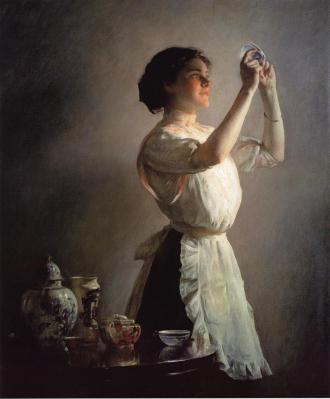
Joseph Rodefer DeCamp: The Blue Cup
 Olle Bengtsson