När vi kommer till Rousseaus politiska filosofi och hans sätt att vidareutveckla idéerna om individen som även politiskt subjekt är det lika avgörande som ifråga om övriga områden av hans tänkande att förstå det avstånd på vilket han, dramatiskt utvecklande föregångarnas ansatser, trots de antika och religiösa anspelningarna befinner sig från den klassisk-kristna traditionen. [Jämförande perspektiv bl.a. i Peter Riesenberg, Citizenship in the Western Tradition: Plato to Rousseau (1992), och i Janet Coleman, ed., The Individual in Political Theory and Practice (1996).]
De nya idéer som spreds av Machiavelli, Hobbes, Bodin, Locke, Grotius, Pufendorf och den franska upplysningen förmådde inte helt överskugga de klassiska och kristna auktoriteterna på filosofins och statslärans område. De senare fortsatte att spela en betydande roll i det tänkande som låg bakom, eller i efterhand legitimerade, de mer eller mindre komplexa blandformer som uppvisades av de nu i tid och rum växlande politiska systemen och maktförhållandena under den absoluta furstemaktens och den uppstigande borgerlighetens historiska epok.
Men Rousseau förnekar med ny tydlighet inte bara den etiska dualismen sådan den traditionellt förståtts. Han förnekar också att människan är ett ζῷον πoλιτικόν. Människans är enligt sin egentliga natur fullständig i sig själv, ensam och oberoende av andra. Människorna förenas inte av någon gemensam, högre moralisk natur och transcendent moralisk ordning i vilken de alla är delaktiga och vilken samhällslivet kan sträva att, om än oundvikligen ofullkomligt, i ständig strid mot den lägre mänskliga naturens splittrande egoistiska krafter uttrycka. De äger i stället alla en immanent naturlig godhet i oändliga individuella upplagor.
Vi finner här en radikal individualism, som genom sin naturuppfattning och emotionalism dramatiskt skiljer sig från både den calvinska och den liberala. Rousseaus uppgift blir att visa hur dessa naturindivider kan socialt förenas till en enhet, hur de utan att uppge sin frihet och sitt självbestämmande samtidigt kan förenas i ett gemensamt mål, en gemensam vilja. Hans försök att finna en lösning på dessa frågor med från den klassisk-kristna traditionen vitt skilda teoretiska redskap rymde moment som snabbt anammades och varierades av den efterföljande filosofiska idealismen, men lämnade också stora problem i arv i synnerhet till de idealister som inte oreserverat kunde bejaka dess revolutionära radikalitet och inte ville släppa den klassisk-kristna traditionens sanningar. Kvarhållande det väsentliga av de senare, kunde åtskilliga filosofer under den efterföljande epoken, även sådana som förkastade den övriga, ensidiga individualismen i olika varianter (Occams antiplatonska separativitet, den fysiska och den liberala atomismen o.s.v.), se att bland Rousseaus alla vanskligheter och oklarheter dock fanns även åtminstone vissa intressanta bidrag inte bara till övervinnandet av vad man också kunde urskilja som svagheten i den ensidiga generalism som oftast kvarhölls även efter att kristenheten modifierat klassicismen i vid mening. Tolkade dessa under uppbåd av avsevärda doser god vilja hans tankar om allmänviljan som överensstämmande med den traditionella objektiva och i förhållande till människan transcendenta moraliska ordningen, eller som dennas uttryck i folkkollektiviteten, kunde de t.o.m. finna inspiration i denna sida av hans tänkande.
Men den fråga som då inställde sig var givetvis om inte generalismens brist kunde justeras medels det kristna momentet inom den i västerländsk mening traditionella åskådningens ram? Var det nödvändigt med hela det rousseauanska fantasteriet för att komma tillrätta med den? Klart är under alla omständigheter att Rousseaus egen lösning i sin motsägelsefullhet och orimlighet når upp vare sig till de klassisk-kristna föregångarnas eller de efterföljande, bearbetande idealisternas nivå i detta avseende. Verken den enskilda individen eller den samhälleliga gemenskapen förstås på ett balanserat sätt, och den eftersträvade syntesen blir en märklig blandning av individualism och kollektivism.
Den samhälleliga enhetligheten uppnås enligt Rousseau genom den association varigenom individen frivilligt uppger sin naturliga frihet. Lindbom förklarar vad som enligt Rousseau måste vara hemligheten med samhällsfördraget: “varje associerad förvärvar just den rätt han i sin tur giver åt alla de andra, och det som då gives, vinnes åter i ett tillstånd av ömsesidighet, mutualité…Detta skapar ett tillstånd av frihet och jämlikhet på en gång, människan är fri i den meningen att hon är herre över sig själv, stiftande sina egna lagar, samtidigt som hon i sin ‘mutualism’ lever i en jämlikhet”. [Demokratin är en myt (1990), 22.] På detta sätt överförs individens rättigheter till den samhälleliga helhetens kollektivitet, som i sin tur kommer till uttryck i allmänviljans form:
“Det personligt enskilda hos varje kontraktsslutande ersätts av ett associativt tillstånd, en korporation, som är ej blott kollektiv utan även moralisk. Den enskildes frihet är orubbad, men själva akten, fördragsslutandet, utesluter varje atomistiskt kaos, ty fördraget såsom moralisk korporation är en enhet, de fördragsslutande uppgår i ett högre ‘jag’. Därmed har Rousseau fogat ett betydelsefullt element till sitt mytbyggande. Människans nya välde på jorden kräver att hennes individuella jag förenas med den universalitet, som legitimerar hennes gränslösa jordiska makt. Det individuella och det universella måste bli en identitet. Människan och mänskligheten blir ett…Den organism, det högre, sakrosankta ‘jag’, som samhällsfördraget frambragt, har…en egen vilja. Och denna vilja, själv sakrosankt, uttrycker det som Folket, Suveränen verkligen vill, och det som därmed är uttrycket för det gemensamma bästa. Guds vilja har ersatts med Folkviljan…Det suveräna Folket är inte någon politisk sfinx, det är ett levande högre ‘jag’, som genom sin vilja förverkligar den ordning på jorden, varvid det brutala, på förtryck vilande maktegoistiska systemet skall ersättas med den ordning, som är den primordiala, rättfärdiga naturens innersta mening.” [Ibid. 22 ff.]
Lindbom betonar här inte att samhällskontraktet eller åtminstone den ur detta uppståndna allmänviljan för Rousseau inte gäller hela mänskligheten, utan äger endast en begränsad universalitet inom respektive stat. Bara inom den enskilda staten är söndringen mellan det privata och det offentliga, det enskilda och det allmänna, övervunnen. Utvidgningar av Rousseaus tänkande företogs på denna punkt av den efterföljande romantiken; att mänsklighetens universella enhet icke omedelbart är vad som åsyftas redan av Rousseau framgår av Lindboms egen fortsatta framställning, där han talar om hur denna nya enhet, detta nya, högre ”jag”, benämnes republik, politisk korporation, stat, suverän, folk o.s.v. allteftersom den framträder i “skiftande gestalter”. [Ibid. 23.] En ny, artificiell och kollektiv enhet, som samtidigt sägs vara organisk, ja, den “offentliga personen”, en moralisk varelse vars vilja är allmänviljan, uppstår, och är nu att betrakta som den ensamme suveränen. Det är nu denne suverän som är fri, och inte heller har någon lag över sig. Den nye suveränen är själv upphovet till alla lagar och bestämmer exklusivt vad som skall gälla som rätt för helheten – staten – och alla dess delar. Ryn framhåller hur det är denna nya suverän som nu äger den naturliga frihet som människan förlorat i det konventionella samhället. [Democracy and the Ethical Life, 112.]
Samtidigt med denna manöver vill Rousseau emellertid hävda att individen förblir fri som del av denna kollektiva helhet vars auktoritet han nu är helt underkastad. Därigenom nämligen att allmänviljan springer ur varje enskild individs vilja, och att lydnad mot en lag som man på detta sätt själv satt upp för sig själv är frihet. Suveränen kan, som delarnas helhet, icke heller vilja skada någon av sina egna delar. [Ibid.] Den naturliga individen har genom detta samhällskontrakt nått en ny social medvetenhet, grundad på naturen, men samtidigt kompletterande denna genom förnuftets rätt brukade, naturen befrämjande resurser. Att kontraktsslutandet i själva verket förutsätter just den medvetenhet som Rousseau framställer som dess resultat är en av de många motsägelserna i hans tänkande. [Ibid. 113.]
Orsaken till att förnuftet i den nya samhälleliga föreningen icke längre korrumperar är främst att denna förening är jämlik. Naturtillståndets jämlikhet inte bara bevaras, utan i den mån brister i den kan ha funnits förbättras den genom den nya lagliga och rättsliga formen. Kompletterade med det rätt brukade förnuftet omfattar den naturliga självkärleken och medkänslan alla och utgör den dygd som naturligt konstituerar allmänviljan och uppbär den egalitära lagliga regleringen som strängt moraliska fenomen. Men hur mycket Rousseau än utbroderar sitt samhälleliga helhetstänkande i antika dygdtermer, är den moral vi nu har att göra med vitt skild från den klassiska och även den kristna traditionen, i det Rousseau förnekar den etiska dualismen och den transcendenta moraliska och andliga ordningens objektivitet och istället ser de förenade människornas ordning som exklusiv och suverän högsta norm.
Fastän såväl Lindbom som Ryn (i Babbitts efterföljd) vill bereda plats inom en ”traditionell” respektive konservativt konstitutionell ordning för korporationer eller begränsade kommuniteters särintressen, ställer genom själva den traditionella metafysisk-teologiska respektive klassiskt/etiska moraluppfattningen dessa tänkare ytterst den moraliska ordningens blotta generalitet mot den partikulära individualismens splittring. I sin teologiska uppfattning tonar Lindbom ned kristendomens individualitetsuppfattning till förmån för den förkristna platonismens generalism och mystikens monism. I sin klassicism nedvärderar Babbitt som vi sett icke endast romantikernas individualism utan även den kristna individualismen förstådd som hög värdering av den personliga individualiteten eller uniciteten som sådan.
Gentemot hans kritiker måste därför åtminstone sägas till Rousseaus försvar att han bättre förstår den oundvikliga samhälls- och statsfilosofiska kardinaluppgiften som det allmännas och individuellas konkreta förening och syntes. Rousseau inser, när han ser som klarast, i enlighet med vad jag tidigare diskuterat i samband med Babbitt att denna förening och syntes måste vara en sådan där det individuella äger ett värde i sig, delvis och på visst sätt utöver det värde det äger som bärare eller manifestation av de universella, överpersonliga värdena och normerna. Det individuella och det universella måste förenas på s.a.s. lika villkor. Lindbom avfärdar utifrån sina utgångspunkter frågeställningen i sin helhet som olöslig och hävdar kompromisslöst den allmänna enhetens och helhetens rätt. Ryn har, inte minst i egenskap av historicist, en långt större förståelse för individualiteten i den angivna meningen, men i analysen av Rousseau går han icke på något avgörande sätt utöver Babbitts ståndpunkt.
Till Rousseaus försvar skulle alltså, i ett större idéhistoriskt perspektiv, kunna sägas att han åtminstone förmår urskilja något av de verkliga konturerna av denna fråga. Han lämnar i arv till den följande epoken uppgiften att på ett mer hållbart sätt förena det allmänna och det enskilda. För Rousseau var det huvudsakligen en samhällsfilosofisk frågeställning. I de strömningar där liberalismen och konstitutionalismen icke endast fortsatte variera och utveckla den hittillsvarande upplysningens temata fördjupades frågeställningen emellertid också, i det att samhällsfilosofin kom att uppfattas i nödvändigt samband med den nya idealismens perspektiv. Här som på andra områden är det i mycket Kant som åtminstone öppnar en helt ny tänkandets huvudaveny, som i sin fördjupning av problematiken strävar att övervinna inte minst just det centrala misstag hos Rousseau som gör att hans syntes på olika sätt kollapsar, att hans ekvation icke går ihop: det verkliga moraliska bandets frånvaro.
Vi finner två frapperande, oskiljaktiga, och för Rousseau karaktäristiska manifestationer av detta misslyckande. För det första leder, trots den fördjupade nya individualismen, dess brister och ensidigheter i hans politiska filosofi till dess motsats, en distinkt ny generalism. Men för det andra är denna generalism i själva verket en av individernas varierande vilja och kombinationer beroende pseudogeneralistisk godtycklighet, utan den högre sanktion och källa som den verkliga moraliska ordningen kräver och som kännetecknar det högsta enhets- och helhetsbegreppet i denna tillämpning. När Rousseau ska närmare förklara allmänviljans uppkomst och karaktär tycks han inveckla sig i olösliga motsägelser. Å ena sidan ska allmänviljan verkligen vara allmän, fri från arbiträr partikularism. Å andra sidan är den uppbyggd genom addition av de enskilda individernas blotta privata viljor och intressen. Plus och minus i dessa viljor sägs balansera varandra, och summan bli allmänviljan. Samtidigt som Rousseau vill betona att allmänviljans auktoritet går utöver den blotta numeriska majoritetens i det den är förankrad i det mystiska gemensamma intresse han postulerar som ständigt förefintligt, att det finns en skillnad mellan allmänviljan och la volonté de tous, gör Rousseau stundom t.o.m. klart att frågan huruvida respektive enskilda viljor överensstämmer med allmänviljan endast kan avgöras genom omröstning i folkförsamlingen! Ryn skriver:
“Rousseau is trying, on the one hand, to present the general will as an absolute standard and, on the other hand, to make it somehow dependent on the assent of the individual as a separate entity. The closest he comes to joining these two perspectives, it may be gathered from his partially contradictory statements, is the belief that under certain circumstances majority assent serves to confirm a will that is somehow latent in the people, but actually manifested as the general will only in a vote by the popular assembly. Such a rendering of his thought does not remove, but only restates, the basic ambiguity.” [Ibid. 119.]
Lindboms omdöme blir följande:
“Vi står här inför den springande punkten i Rousseaus doktrin: hur skall den enskilda människan kunna lyfta sig upp ur sin intressebundenhet för att i sitt upphöjda medborgarskap förverkliga Folkviljan? Rousseau…tycks ha prövat två vägar för att kunna besvara frågan. Den ena är den politiskt-aritmetiska, ‘plus och minus’, föregången av grundliga diskussioner i sakfrågan. Den andra är moralisk eller, om vi så vill, psykologisk. Eftersom samhällsfördragets två grundstenar, de båda ‘arketyperna’ friheten och jämlikheten, utesluter varje form av förtryck, uppstår, säger Rousseau, en harmoni mellan det enskilda och det allmänna, mellan det privata och det offentliga, och därvid inträder, förklarar han, ett förundransvärt sammanfallande av intresse och rättvisa…I sitt svindlande mytbygge är det som om Rousseau sviktar, då han skall förklara det stora förvandlingsnumret, en Folkvilja, som skall slutgiltigt upphäva de mänskliga antinomierna. Det är som om han tappar fotfästet, när han till slut måste ställa sig inför voteringsprocedurerna i all deras nakenhet. Det uppstår majoriteter och minoriteter, och var befinner sig nu hela mytsystemet? Plötsligt blir makt detsamma som rätt, ty den som råkat i minoritet får av majoriteten veta, att den ej rätt fattat Folkviljans sanna innebörd…I Rousseaus endimensionella, folksureräna värld finns alltså endast en vilja, en sanning, en rättfärdighet. Ve den, som inte fogar sig.” [Op.cit. 25-6.]
Allmänviljan kan inte som den klassisk-kristna transcendenta moraliska ordningen vara något som förenar alla människor genom delaktighet i en gemensam högre natur, ty människan är enligt Rousseau en i sig självtillräcklig naturlig individ. Allmänviljan är liksom staten en artificiell skapelse, den måste med Ryns ord vara “some kind of addition, extension, or merging of individuality”. Den är en lag som människan, eller folket, ger sig själv. Det enda, skriver Ryn, som räddar Rousseau undan anklagelsen för “complete arbitrariness” är det förhållandet att han försöker förankra allmänviljan i det som är gott enligt naturen: allmänviljans auktoritet bygger på att den springer ur individens spontana, goda naturliga vilja, ur hennes ursprungliga naturliga böjelser. [Op.cit. 119-20.]
Om i läran om “allmänviljan” kan synas finnas en förvillande spänning mellan betydelsen av å ena sidan folkkollektivitetens i val fastställda och av staten som den “sanna” folkviljan etablerade majoritetsviljan, och å andra sidan en mer traditionell objektivt-naturrättsligt uppfattad universell orientering mot det transcendent goda, tenderar dessa dock i ljuset av läran om människans godhet att sammanfalla på ett sätt som samtidigt på karaktäristiskt sätt förändrar deras innebörder. Den naturrättsliga moraliska ordningen förläggs helt till människans hjärta. Det förnuftsmässiga i naturrätten, som kunnat hänföras till en i förhållande till människan transcendent, av Gud etablerad ordning, och det viljemässiga i allmänviljan tenderar därmed båda att reduceras till det känslomässiga i människonaturens godhet. Allmänviljans och statens moral, rättvisa och rättfärdighet springer ur den naturliga självkärlekens goda, impulsiva egoism och intresse, som översvämmar till andra och bildar en mystisk och mytisk allmän enhet.
Lindbom sammanfattar resultatet i form av “en sinnlig ordning, vari människan står som tillvarons dynamiska kraftcentrum, som den enda sanna uttolkaren av verkligheten. Över henne finns ingenting, ingen norm, ingen lag. Ty…det högsta är inte lagen utan den lagstiftande viljan.” [Agnarna och vetet (1974), 80. Lindbom torde vända sig mot denna lära inte bara därför att det är fråga om en blott mänsklig kollektivitets vilja, utan därför att han, som vi sett när vi diskuterade den senmedeltida filosofin, inte heller på teologins område kan tänka sig en lag som är underordnad en lagstiftande vilja, en i modern/biblisk mening personlig Gud eller aspekt av Gudet som är överordnad den universella ordningen och själv som personlig arbiträrt etablerar en sådan för skapelsen/själarna/människorna.] Och även Lindbom betonar förstås hur Rousseau finner denna ordnings yttersta legitimitet i människonaturens naturliga godhet, som enligt honom är möjlig att återställa genom uppfostran: det är “genom att göra människan stark, befriad från alla hämmande band, normer, auktoritativa makter, som hon också når fram till den i naturen inneboende godheten…all ondska kommer från svagheten…Varje lydnad, varje tjänande, varje erkännande av en högre makt, en högre sanning är sålunda enligt denna filosofi en källa till ondska.” [Ibid. 81.]
 – The first history of British Idealism to be written
 This sourcebook has been created for patients who have decided to make education and Internet-based research an integral part of the treatment process. Although it gives information useful to doctors, caregivers and other health professionals, it also tells patients where and how to look for information covering virtually all topics related to tardive dyskinesia, from the essentials to the most advanced areas of research. The title of this book includes the word official. This reflects the fact that the sourcebook draws from public, academic, government, and peer-reviewed research. Selected readings from various agencies are reproduced to give you some of the latest official information available to date on tardive dyskinesia. Following an introductory chapter, the sourcebook is organized into three parts. PART I: THE ESSENTIALS; Chapter 1. The Essentials on Tardive Dyskinesia: Guidelines; Chapter 2. Seeking Guidance; PART II: ADDITIONAL RESOURCES AND ADVANCED MATERIAL; Chapter 3. Studies on Tardive Dyskinesia; Chapter 4. Patents on Tardive Dyskinesia; Chapter 5. Books on Tardive Dyskinesia; Chapter 6. Multimedia on Tardive Dyskinesia; Chapter 7. Physician Guidelines and Databases; Chapter 8. Dissertations on Tardive Dyskinesia; PART III. APPENDICES; Appendix A. Researching Your Medications; Appendix B. Researching Alternative Medicine; Appendix C. Researching Nutrition; Appendix D. Finding Medical Libraries; Appendix E. Your Rights and Insurance; ONLINE GLOSSARIES; TARDIVE DYSKINESIA GLOSSARY; INDEX. Related topics include: Linguofacial Dyskinesia, Oral-facial Dyskinesia, Tardive Dystonia, Tardive Oral Dyskinesia.
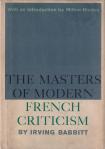 In this book Babbitt discusses the most significant of the nineteenth-century critics. He begins wih Madame de Staël and Chateaubriand, continues through Sainte-Beuve, Taine and Schérer, and ends with Renan and Brunetière. Babbitt not only analyzes the ideas and taste biases of these thinkers, but he annunciates his own critical position as well. Babbitt, the teacher of T. S. Eliot, Van Wyck Brooks, Austin Warren, Norman Foerster and Theodore Spencer, has and continues to have a great influence on American thought. The bitter enemy of romanticism, he looked to a new humanism to combat the rise of an excessive subjectivity. He demanded restraint, discipline, and a hard-headed study of the facts. His insistence that what writers write can be studied independent of their lives helped inspire the “New Criticism”.
 Jan Olof Bengtsson