Dupré ifrågasätter på goda grunder Taylors uppfattning att vad denne kallar “the inward turn” var ett verk av Augustinus.[Passage to Modernity: An Essay in the Hermeneutics of Nature and Culture (1993), 93 f.] I själva verket ligger interioritetstänkandet enligt Dupré i den platonska traditionen alltifrån Platon och Sokrates, och i uppfattningen om “l’âme-daimon” som dessa filosofiskt utvecklade. Men otvivelaktigt har Taylor rätt i sitt framlyftande av de nya dimensioner denna interiorism vinner med biskopen i Hippo. Förenad med vad som återstod av platonsk själsdualism gav denna förnyade och i viktiga avseenden fördjupade interioritetsorientering upphov till fruktbara strömningar under hela medeltiden, av vilka vissa med tiden kom att leva i spänt förhållande åtminstone till den aristoteliserande skolastiken.
Under renässansen kunde de slutligen utvecklas friare. Och Taylor visar hur denna interioritetstradition därefter förgrenar sig i skilda huvudströmningar. Norr om Alperna blev, på större historiskt, geografiskt, språkligt och samhälleligt avstånd från den klassiska antiken och under starkare feodalt och skolastiskt tryck, humanismen annorlunda beskaffad och reaktionerna på renässansens alla förändringar ofta kraftigare; Weintraub framhåller också att vad som kan kallas den fruktbara “identitetskrisen” blir starkare.
En av de förgrenade omvandlingarna av augustinismen är avgjort mer nordeuropeisk: den cartesianska. En annan kan betecknas som det i väsentliga avseenden sekulariserade, introspektiva självsökandets eller självutforskningens tradition. Taylor låter denna förgrening börja med Montaigne, som därmed beskrivs – visserligen med reservationen “perhaps” som “a turning point”; men åtminstone i vissa avseenden förefaller den snarare börja med Petrarca, som representerar ett tidigare stadium av övergången från den kristna versionen av tematiken. Bortsett även från att den bristande diskussionen av den antika själsuppfattningen och andliga individualiteten gör att bilden av vad Montaignes nyorientering profilerar sig gentemot väl framstår som otillräcklig och delvis felaktig, [Sources of the Self: The Making of the Modern Identity (1989), 178.] fångar Taylor utmärkt dennes bidrag till denna samtidigt förnyade och förändrade augustinism.
Den äldre traditionen, konstaterar han, hade vänt sig från det föränderliga och förgängliga i riktning mot det stabila, oföränderliga och eviga – även om detta inte bara var ett för alla gemensamt, distinktionslöst, universellt och opersonligt gutt förnuft, eller den blotta allmänna mänskliga naturen, människans idé, utan lika ofta en individuell förnuftssjäl och en i någon mening och på något plan personlig Gud. Men hos Montaigne finner vi ett kvarstannande i den mänskliga existensen, människans tillstånd, en fascination för och ett utforskande av själva den instabila, föränderliga, impermanenta sfär som utgörs av det mänskliga psykiska och kroppsliga livet. Detta ledde för Montaigne enligt Taylor till ett accepterande av “gränser”, som inspirerades av såväl epikurismen som kristendomen. Även detta är naturligtvis riktigt, om vi bara håller i minnet att Montaignes mänskliga gränser inte endast står emot vad Taylor menar vara den platonska traditionens andligt/förnuftiga självkännedoms “gränslöshet”, som Taylor menar (och som överhuvudtaget endast gäller aspekter av nyplatonismen), utan mot de “gränser” av annat, andligt slag, som den individualiserade aspekten av själsuppfattningen naturligtvis måste anses ha uppställt.
Liksom för Petrarca leder självkännedomen till självacceptans, en beredskap att finna sig till rätta inom de mänskliga gränserna, och blott beskriva det mänskliga tillståndet i dess föränderlighet och bristfällighet, utan hänsyn till traditionens förebildliga och uppbyggliga mönster. Även den anspråkslösa realismen i den egna mänskliga partikularitetens beskrivning visar sig visserligen äga ett “universellt” intresse, ty “chaque homme porte la forme entiere de l’humaine condition”. [Cit. i Sources of the Self, 179.] Fastän talet om Människan i allmänhet avfärdas som förnuftets förmätenhet, och Montaigne istället väljer det anspråkslösare talet om blott sig själv, involveras han, som Weintraub framhåller, genom sitt självutforskande med nödvändighet också i Människans allmänna villkor. [The Value of the Individual: Self and Circumstance in Autobiography (1978), 184-8.]
För Montaigne består dock den rätta livsföringen i uppnåendet av det rätta medelmåttets balans inom den egna, och i hög grad partikulärt egna, mänskliga naturens gränser, under ödmjukt avvisande av övermänsklig andlig strävan och universella ideal. Om vi med psykisk förstår inte den antika idealismens själsbegrepp med dess högre, Människan transcenderande dimension, utan dess lägre, rent Mänskliga, med sinnligheten uppblandade mentala sfär – d.v.s. snarare i vår tids psykologiska mening – skulle man kunna säga att vi hos Montaigne, fortfarande under starkt allmänt kulturellt inflytande från den kristna traditionen men med epikuriska tillägg, i motsats till Augustinus finner den psykiska personen och kroppspersonen sedda inifrån. Montaigne utbreder sig med enorm, flödande, ortodoxin generellt i sak motsvarande vältalighet om den Mänskliga naturens kroppslighet och om kroppens och själens Nödvändiga Enhet. Men hans upptagenhet med och försvar för de mänskliga svagheterna är föga ortodoxa. Det är fråga om att söka och finna sitt själv, att bli och vara sig själv, som Människa, med alla intressanta brister. Och allt detta är “entirely a first-person study”. [Taylor, 181.]
Petrarca valde fortfarande mellan olika antika och kristna exemplariska modeller som kunde förenas med det likaledes nödvändiga accepterandet av hans unika och värdefulla själv, och spänningen mellan dessa aemulanda och den personliga uniciteten upphävdes icke. Men hos Montaigne bortfaller personlighetsidealen, och Taylor finner här en väsentlig början till den moderna mänskliga autenticitetstematiken, den fortgående tolkningen av oss själva i termer av vår egen mänskliga engångighets och oersättliga originalitets sanning.
Inslagen av “självskapande” i den italienska renässansen uppges visserligen inte. [Dupré, 100.] Men de träder tillbaka till förmån för den blotta självupptäckten. De traditionella auktoriteterna även ifråga om den mänskliga identiteten var motstridiga, och den nya skepticismens och relativismens enda hållbara väg blev, som det uppfattades, förutsättningslös och uppriktig självprövning av Montaignes typ. Med Weintraubs ord: “truth, for him, could lie only in what he was. Truth lay in the individual existence when it took care not to falsify itself.” [Op. cit. 190; jfr 194.] Den universella rationalitetens kunskap omöjliggörs av att “the personal peculiarities of the knower are inextricably intertwined with his knowledge”. [Ibid. 174.]
Likafullt innebär för Montaigne skepticismen ingen resignation, utan tvärtom endast en ständig kritisk vaksamhet i linje med renässansens nyfikna iakttagelse, enligt hans berömda motto, “Que scay-je?”. Weintraub igen: “His skeptical stance kept close to the original meaning of the word: to look out, to espy, to look out so as to discover. Such skepticism was meant to open up the right kind of relation to the knowable world, not to foreclose it.” [Ibid. 175.] Montaignes perspektivistiskt-skeptiska uppfattning av en subjektivt färgad fenomenvärld, utan öppningar mot transcendent visshet, var, som Weintraub framhåller, ingen djup filosofi. Men den var en praktisk hållning, en hex, som svarade mot hans personlighet och hans praktiska och etiska intressesfär.
Självutforskningen hörde till denna sfär, och dess medium blev ett litterärt uttryck som krävde en ny form: essän. Den analytiska läggningen är gemensam med Cardano, men till skillnad från denne finns hos Montaigne ingenting av vetenskapligt tillvägagångssätt, och ingen som helst plan eller formell struktur. Han låter sig ledas dit det inre sökandet för honom: till hans egen mångskiftande varelse. Han börjar skriva om allt som intresserar honom, men, med Weintraubs ord, “the longer he kept writing down his loose reflections, the more he came to a clear objective: I myself, Michel de Montaigne. The very act of writing had become a process of discovery”:
“[A]ll the subjects would show him the reflections of an observing self that had penetrated them. Each subject taken up had started from a personal interest; every freely floating thought was still held on a string anchored at the vital center of the self. Thoughts were not thought for their independent beauty but were self-communings by which a self tested itself; as if on tenterhooks they were painlessly being pulled into the light of self-observation. In thousands of little mirrors Montaigne saw the vast and fascinating variety of Montaigne reflected.” [Ibid. 178, 180.]
Hans Essais har “no order other than the order that was Montaigne”. [Ibid. 169.] Individualiteten, den mänskligt personliga individualiteten, är nu definitivt upplevd, förstådd och uttryckt, och dessutom på väg att entydigt värderas över det allmänna – även om Montaigne inte tycks använda ordet individualitet i denna mening, på ett sätt som kanske påminner om hur Augustinus inte använde ordet person för den verklighet han upptäckte och uttryckte. Och Montaigne är mycket klar på en punkt: denna självreflexion är inte egocentrism, utan ett uttryck för ödmjukhet, ett led i genomskådandet av arroganta förnuftspretentioner, i nedstörtandet av de förmätna övermänskliga idealen oavsett om det var fråga om imitatio Christi, den stoiske vise, den höviska kärleken, asketen eller något annat; i frigörelsen från falska masker och rollspel.
Gudsuppfattningen är inte helt oväsentlig för Montaigne, men den är ytterst tolerant, och hans essäer innehåller ingenting av syndabekännelse. som förberedelse för mottagande av den gudda nåden. De är helt enkelt ett slags försvar, mot den konventionella idealiteten, av den individuella, naturliga människan.
Om Petrarca lyckats använda den litterära dialoggenren till att avvinna den introspektiva självprövningen nya dimensioner, är upprinnelsen till Montaignes projekt den verkliga dialogen med hans saknade vän La Boétie. Genom mötet med och reflektionen i honom hade Montaignes kännedom om sin egen unicitet möjliggjorts. Taylor citerar: “Luy seul jouyssoit de ma vraye image, et l’emporta. C’est pourquoy je me deschiffre moy-mesme si curieusement.” [Taylor, 183.] Den ensamma litterära självutforskningen framstår därför som blott ett surrogat för den levande personliga konversationen.
Weintraub framhåller slutligen den intressanta paradoxen att Montaigne själv, som förkastade de traditionella exemplariska idealen, varje persona i den antika betydelsen av färdig roll, själv i sin livsföring starkare än någon annan bidrog till, ja själv kom att symbolisera, ett framtidens framväxande ideal: l’honnête homme. I själva den oberoende, semisekulariserade aristokratens avvisande av roller och yrken – inte minst författaryrket – blev han ett rollideal för aspirerande gentlemän. Hans aristokratism bestod inte som Petrarcas i horatianskt förakt för massan, tvärtom bejakade han den vanliga mänskliga naturens “låga ämne”. Men hans självständiga livssituation och fria livsföring var urbildliga för en alltmer postfeodal aristokrati som inte längre kunde identifiera sig med sina traditionella funktioner.
Även hovmannens nya ideal, som också svarade mot aristokratins nya situation, var honom dock främmande och falskt. Det enda som återstod för Montaigne var uppgiften att leva ett fullt liv. [Weintraub, 193.] Förespråkarna och utformarna av detta ideal var dock ofta inspirerade av det ciceronska humanitas-idealet och använde det i omvandlingen av riddaridealet i enlighet med den inledda borgerliga revolutionens nya krav. Och åtminstone mot det ursprungliga humanitas-idealet svarade otvivelaktigt åtskilligt hos Montaigne: hans urbanitas, hans otium cum dignitate, hans ekonomiska oberoende som befriade honom från negotium. [Ibid.]
De mänskliga ting han studerade var alltså dock blott humana, inte alltid humaniora med klassisk ideell lyftning. Weintraub konkluderar att “Montaigne’s own search…left behind the vision of a model; but it was a model that had much room for the growth of individuality.” [Ibid.] De drag ur hans eget liv som blev det avgörande bidrag han oavsiktligt lämnade till idealet om l’honnête homme hade dessutom ett än vidare inflytande, nämligen på Goethe-erans ideal om Bildung och gebildetes Menschentum. [Ibid. 192 f.] Montaigne lämnade efter sig ett “öppet” personlighetsideal som gav utrymme åt odling av olika individualiteter, som inte föreskrev fixa dygder, färdiga mönster för vad att vara och vad att göra. I stället uppmuntrade det den eleganta blandningen av olika element till behagfull, harmonisk enhet av natur och konstfullhet, med distinkt egen stil. [Ibid. 194.]
 Die Europäische Währungsunion ist – zumindest in ihrer derzeitigen Form – gescheitert. Doch Politiker und Eurokraten schnüren weiterhin gigantische Rettungspakete, um das Siechtum des Euro zu verlängern. Dafür werden die Steuerzahler der Geberländer über Jahre hinaus mit Hunderten von Milliarden belastet. Politiker nennen die Rettung “alternativlos”. Karl Albrecht Schachtschneider nennt sie hingegen “Unrecht”. Der Autor des vorliegenden Buches gehört zu den fünf Professoren, die vor dem Bundesverfassungsgericht gegen die Griechenlandhilfe und den sogenannten Euro-Rettungsschirm klagten. Sie eint die Überzeugung: Die Fatalität des Euro-Abenteuers ließe sich rasch beenden, wenn einfach bestehendes Recht verwirklicht würde. Dann wäre Europa wirtschaftlich und politisch zu retten.
 In the last five decades war has been declared on America and its institutions, and we are losing it. Rape and violent crime have soared. Religion and morality have been under unremitting attack. Education, once among the world’s finest, has been “dumbed down”, threatening the country’s ability to compete against an increasingly technological world. Marriage and the family, the tie that binds a viable society, are under major assault. Drug addiction, sexual license, and teenage violence have become epidemic.
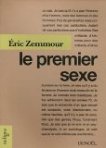 A quoi ressemble l’homme idéal? Il s’épile. Il achète des produits de beauté. Il porte des bijoux. Il rêve d’amour éternel. Il croit dur comme fer aux valeurs féminines. Il préfère le compromis à l’autorité et privilégie le dialogue, la tolérance, plutôt que la lutte. L’homme idéal est une vraie femme. Il a rendu les armes. Le poids entre ses jambes est devenu trop lourd. Certaines féministes se sont emparées de cette vacance du pouvoir, persuadées que l’égalité c’est la similitude. Aujourd’hui, les jeunes générations ont intégré cette confusion. Les fils ne rêvent que de couple et de féminisation longue durée. Ils ne veulent surtout pas être ce qu’ils sont: des garçons. Tout ce qui relève du masculin est un gros mot. Une tare. Mais la révolte gronde. Les hommes ont une identité à reprendre. Une nouvelle place à conquérir. Pour ne plus jamais dire à leurs enfants: “Tu seras une femme, mon fils.”
 [Daniel] K., estetiker och skald, f. 14 sept. 1840 å Ytterstfors brukspredikant-boställe i Västerbotten, d. 29 juli 1867 i Uppsala, blef student i Uppsala 1859, filos. kandidat 1863, filos. doktor 1866 och s. å. docent i estetik vid nämnda universitet. Hängifven lärjunge af filosofen Boström, tillegnade K. sig under själfständigt tankearbete dennes spekulativa resultat och gjorde anmärkningsvärda förarbeten till att i den rationella idealismen skaffa den estetiska vetenskapen en fastare grundval, än panteismen förmått lägga. I denna syftning skref han sin gradualdisputation Om den pantheistiska esthetiken (1864) och afh. Om det tragiska (1865). Bland bidrag till de första årgångarna af den 1865 uppsatta “Svensk litteraturtidskrift” märkas artikeln Om dödsstraffet, som vill bevisa detta straffs orättmätighet, samt en del granskningar af teologisk litteratur, i hvilka han på en gång kraftigt och hofsamt för filosofiens och den protestantisk-religiösa utvecklingens talan. Som skald uppträdde K. först inom det 1860 i Uppsala stiftade förbundet N. S. (“Namnlösa sällskapet”) och offentliggjorde under signaturen “K.” lyriska dikter i kalendrarna “Isblomman” (1861) samt “Sånger och berättelser” (1863 och 1865). Hans dikter äro fina och innerliga uttryck för en kysk erotisk känsla och ett nobelt sinnelag.
 Olle Bengtsson