
1880s

1880s
Länge framstod många aspekter av Breiviks ohyggliga terrorattacker i Norge som så oklara att jag uppfattade det som omöjligt att komma med någon mer djupgående analytisk kommentar. Det fanns skäl, utöver det förhållandet att jag varit bortrest och inte kontinuerligt följt rapporteringen och debatten på nära håll, att avvakta tills ett tillräckligt grepp om den enorma tragedin blev möjligt.
Dock blev det snabbt klart att hela situationen, och framför allt politiska motståndares och en del av medias utnyttjande av tragedin för politiska poänger mot SD och jämförbara partier i andra länder, innebar att SD stod inför en utmaning vars rätta hantering krävde åtskillig eftertanke. Och detta gäller fortfarande.
Man kan aldrig helt hindra eller skydda sig från att onda eller sinnesförvirrade människor delar ens åsikter och till och med begår vansinnesdåd i deras namn. Jag väljer, tillägger jag, med viss noggrannhet orden onda och sinnesförvirrade, och tror att de bör betonas ungefär lika starkt. Breivik väljer att göra det onda, och han gör det på ett sätt som indikerar sinnesförvirring i strikt, klinisk, patologisk mening. Men även om sinnesförvirringen inte är av detta slag, även om Breivik begick sitt dåd endast av stark tro på sin sak, är den ett faktum eftersom dådet så uppenbart komprometterar och motverkar just denna sak. Gärningen är konsekvensmässigt irrationell över gränsen till det vansinniga.
Man kan försöka visa att sådana gärningsmäns åsikter i själva verket inte alls är ens egna utan i stället någon motståndares, och därmed försöka skylla på denne. Men om exempelvis Breivik faktiskt inte hyser åsikter liknande mina, finns, hur groteskt det än kan synas utifrån åsikterna som sådana, ingenting som i ett fritt samhälle någonsin helt kan garantera att någon annan som verkligen gör det dyker upp och utför något liknande. Det är i så fall en mörk, tragisk stund för alla andra med dessa åsikter. Men det är inte åsikternas tragedi.
Breivik utförde sitt illdåd i namn också av åsikter som nästan alla samtida västerländska liberala demokrater delar. Och utan tvekan delar han även en del av mina, fastän jag inte är en sådan liberal demokrat. Eller snarare, som Åkesson uttryckte det i sitt sommartal i Sölvesborg, likheter finns i begreppsanvändning och problemformulering. Breivik formulerar problem med hjälp av allmänt förekommande begrepp som i sig själva varit och borde vara relativt okontroversiella: massinvandring, multikulturalism, politisk korrekthet, kulturmarxism. Och det står självklart bortom allt tvivel att SD som parti – inte bara hos enstaka företrädare som Kent Ekeroth – liksom många liknande partier i Europa i viss mån är influerat av islam- och islamiseringskritkiker som Robert Spencer och hans blogg Jihad Watch, Fjordman, och bloggar som Gates of Vienna, som alla på avgörande sätt format Breivik.
Trots att jag inte delar deras neokonservativa tendens och deras onyanserade och urskillningslösa kritik av islam och försvar för judendomen och Israel, finner jag den kritik som riktats mot dem efter Breivik – ibland kappvändande, ibland bara intensifierad – orättvis, ensidig, överdriven, plötsligt bortseende från alla sanningar de uttalat om den västerländska civilisationen och dess försvar och från alla problem med de radikala, fundamentalistiska formerna av islam de med rätta pekat på. Detta gäller även när denna kritik framförs från positioner som jag i många avseenden delar. Det finns viktiga delsanningar hos de nämnda islamkritikerna. De är förvisso inte några unika bidrag endast från deras sida, och de är naturligtvis bara en del av SD:s helhet av sanningar. Men de är likafullt sanningar som Breivik inte kan tillåtas få SD att sluta uttala.
Emellertid finns det en punkt som berört mig starkt i den förnyade SD-kritik som nu hörs, en punkt som jag instämmer i: klimatet och tonläget på vissa håll på internätet kan utan tvekan åtminstone bidra till att skapa onda, ensamma galningar och driva dem till handlingar av det slag vi nu sett. Det kan knappast förnekas att Breivik till dels är en extrem produkt av den anonymitetskultur vars avarter jag flera gånger påtalat och kritiserat under det gångna året, i inlägg såväl som, och inte minst, i diskussioner i kommentarfälten. Det tonläge jag mött på en del håll på internätet har varit skrämmande, våldsamt, någon gång explicit hotfullt. Jag har själv några gånger känt att jag haft att göra med latenta våldsmän (även om det ska sägas att just dessa tydligt visat sitt ideologiska avstånd från SD). Den pågående mediakampanjen är väsentlig för mig av det skälet att jag själv fått anledning att engagera mig i sådan utsträckning i just denna fråga.
Liksom tidigare tar jag dock fullständigt avstånd från de protototalitära förslag som nu med förnyad styrka framförs om att inskränka internätets frihet. Jag förkastar också helt Tysklands inrikesminister Hans-Peter Friedrichs förslag att omöjliggöra just anonymiteten som sådan. Vad jag vänder mig mot är anonymitetskulturen just som dominerande kultur, som en norm som de flesta anpassar sig till, och framför allt dess uppenbara missbruk i ansvarslöshetens tecken. Jag kan inte ta avstånd från anonymiteten som sådan. Skälen till det har jag flera gånger fått anledning att återkomma till här. Anonymiteten, trots att den normalt är beklaglig, inte bara kan användas på ett menings- och ansvarsfullt sätt. Den kan också vara nödvändig just på grund av den typ av bekämpande och förtryck av oliktänkande – inklusive i ett större historiskt och internationellt perspektiv högst måttfulla och alltigenom demokratiska sådana – som idag bedrivs inte minst från stora delar av media.
Den ståndpunkt jag inför den nu inträffade tragedin måste upprepa innebär således dels ett förkastande av anonymitetskulturen som sådan, som allmänt mönster, och framför allt av dess missbruk, men dels också ett försvar för den principiella rätten och möjligheten till anonymitet på internätet. Det finns nu anledning att desto skarpare upprepa och insistera på båda dessa moment.
I ljuset av större kännedom om Breiviks åsikter och deklarerade motiv kan man tycka att den påstådda åsiktsgemenskap mellan honom och SD som såväl liberaler och socialister å ena sidan som olika radikala nationalister (sådana som på internätet som vanligt talar stora och hårda ord men inte vågar göra det under eget namn) å den andra ständigt vill påtala, inte är något som förtjänar att tas på större allvar och utförligt bemötas. Det har visat sig att Breiviks manifest verkligen är ett bisarrt hopkok, fyllt av motsägelser. Signifikativt nog måste ju också de sinsemellan olika, ja motsatta grupper som vill använda det mot SD betona helt olika, och lika motsatta, element i det. Det är till stor del men inte enbart den förvirrade karaktären hos Breiviks manifest som förklarar medias förvirrade framställning och användning av honom.
Med hänsyn endast till Breivik själv, hans åsikter och hans illgärning skulle och borde SD, utifrån vad vi idag vet, helt enkelt avstått från att överhuvudtaget ge sig in i en jämförande ideologisk analys. Man skulle bara ha uttryckt de självklara fördömandena utifrån humanistiska och demokratiska principer och värderingar, och medlidande med offren, de anhöriga och det norska folket.
Men det oanständiga, intensiva och prolongerade utnyttjandet av tragedin från delar av media (dock förvisso inte alla delar!), inlett omedelbart efter det inträffade och överordnat uttrycken för sorgen och det elementära medlidandet, gjorde det ändå oundvikligt för Åkesson att ägna nästan hela sitt sommartal i Sölvesborg åt just en sådan analys.
Denna analys kunde naturligtvis inte, givet omfattningen av den fantasmagoriska blandning som är Breiviks manifest, vara heltäckande. Dock tas i ett sammanhang som detta förvånansvärt många aspekter upp, och de flesta anklagelser och guilt-by-association-argument bemöts. Såvitt jag kan se är det faktiskt en av de mer detaljerade, utförliga och djupgående analyserna av Breiviks bisarra manifest som hittills presterats.
Manifestet i sig förtjänar alltså inte en sådan närläsning, och inte heller står analysen i någon proportion till SD-kritikens kvalitet. Ändå var detta nödvändigt, och trots allt också i viss mån i sak intressent. Åkesson tydliggör nämligen genom sin jämförelse även en del viktiga allmänna poänger om SD:s politik. Delar av SD:s egen distinkta profil blir tydligare, tecknad mot denna groteska bakgrund. Genom att i tur och ordning avslöja åtminstone en del av sanningen om Breiviks “nationalism”, “kristendom” och “konservatism”, får Åkesson utan tvekan fram att den partiella överensstämmelsen i problembeskrivning och begreppsanvändning inte innebär någon allmän åsiktsgemenskap.
Återigen: det är i princip möjligt, och omöjligt att hindra, att även en person som verkligen i stor utsträckning har rätt förstått nationalismen, kristendomen och konservatismen blir galen och begår terrorhandlingar. Och även att en person som begår sådana handlingar bara säger sig förstå dem, bara gör anspråk på att vara nationalist, kristen och konservativ, är naturligtvis tragiskt. Det går inte att förneka det tragiska i Breiviks överensstämmelse i begreppsanvändning och problemformulering.
Men det är nu inte bara ifråga om det omänskliga våldet uppenbart att i det aktuella fallet gärningsmannen i verkligheten står för något annat. De skillnader Åkesson lyfter fram, den ena eller den andra av vilka kritikerna av talet utan undantag ignorerat på samma sätt som de utelämnat flera av Åkessons exakta formuleringar, går utöver den uppenbara och grundläggande som består i förespråkandet respektive förkastandet av politiskt våld. Det är, som också alla omdömesgilla kommentatorer i media framhållit, en skillnad som även om en mer långtgående åsiktsgemenskap i övrigt skulle ha varit förhanden vore tillräcklig för att SD inte, som vissa velat, skulle kunna tillskrivas något som helst ansvar för det inträffade, för Breiviks ofattbara grymhet mot oskyldiga barn och ungdomar.
I ljuset av dessa skillnader är Åkessons hypotetiska polemiska parallell med ansvarsutkrävande från exemepelvis socialdemokraterna för socialistiska terroristers gärningar – en parallell som tidigare också använts av Björn Söder – fullt giltig. Åkesson får också fram att samtliga muslimer naturligtvis inte kan ställas till svars för den radikala islamistiska terrorismen.
En annan sak är att socialdemokrater aldrig och moderata muslimer alltför sällan stäms till eftertanke av att deras åskådningar missbrukas eller känner sig behöva prestera analyser och klargöranden av Åkessons slag till sitt försvar. Inga kraftfulla åtgärder mot socialismen och islam har någonsin krävts, av den typ som nu med förnyad styrka ropas på mot nationalism, rasism, främlingsfientlighet, högerextremism o.s.v. Ingen förståelse uttrycks för “bakomliggande problem” som drivit denne terrorist till hans dåd på det sätt som regelmässigt sker när terroristen är socialist eller muslim.
Men terrorism ger alltid anledning till eftertanke, för såväl sverigedemokrater som socialister, muslimer, miljöpartister och moderater (Åkessons paralleller omfattade även de två sistnämnda). Och vad eftertanken för sverigedemokraters del bör gälla är alltså frågan om den anonymitetskultur på internätet, i vilken mer eller mindre sverigedemokratiska åsikter för det mesta dominerar. Jag vet naturligtvis att Åkesson är väl medveten om problemet, men det förtjänar ändå att nämnas. Alltför mycket av uttrycken för dessa åsikter är, framför allt och ofta enbart med avseende på tonen, problematiska. Och de är det alltså även ur aspekten att de faktiskt kan bidra till att ensamma och marginaliserade individer som bara sitter framför sina skärmar och rör sig i nationalistiska nätfora eller bara i de vanliga tidningarnas och andra sajters och bloggars kommentarfält som alldeles oavsett deras egen inriktning ofta domineras av nationalister av olika slag, börjar på ett alltmer osunt sätt förvridas i sin verklighets- och självuppfattng.
Trots åsiktsskillnaderna gentemot SD är det uppenbart att Breivik åtminstone delvis var en sådan person. Om än uteslutande i hans eget psykologiska och intellektuella kaos, var han just det så många i dessa internätfora är: en systemkritiker av nihilistiskt slag. Jag är naturligtvis medveten om att den helt dominerande terrorismen idag och under lång tid, utan samma stöd i anonymitetskulturen på internätet, utförts av sådana systemkritiker i den radikala vänstern och bland radikala, fundamentalistiska muslimer. Men även alla andra har ett ansvar här. SD, som delvis är ett på annat sätt systemkritiskt parti, har ett ansvar att verka för att den del av den utbredda och starka opinion som stöder partiet i anonymitetskulturen mognar och utvecklas på sådant sätt att missbruket minimeras och i möjligaste mån ersätts av den sunda, balanserade och disciplinerade kultur som finns i partiet i övrigt. Det är ju bland annat endast så denna opinion kan bli en konstruktiv och effektiv kraft för den politiska och förändring partiet arbetar för.
Inte minst nödvändigt är det att besinna detta ansvar eftersom SD måste försvara yttrandefriheten på nätet – inklusive den i sig, i allmänhet och som sådan icke önskvärda anonymitetens möjlighet. SD måste bekämpa de inskränkningar som starka krafter länge önskat och nu ser ännu en anledning att införa.
Jag kritiserade nyligen Svenska Dagbladets Per Gudmundsons kommentar till Åkessons tal i Almedalen. I sina inlägg efter Breivik träffade Gudmundson snabbt fel i beskrivningen av denne (“nazist” – senare sägs han ha ändrat det till det lika felaktiga “identitär”), och den tidigare jämförelsevis självständige, politiskt-inkorrekt sanningssägande skribenten såg ut att börja röra sig i en högst problematisk riktning ifråga om vad som borde göras. De gränser han sätter upp för den debatt han vill “tillåta” är inte bara alltför snäva i största allmänhet utan också dragna på fel ställen. Ändå kan jag i viss mån förstå och känna sympati för honom när han härom året stängde av kommentarfälten i sin blogg och i förtvivlan utbrast “[H]ur fan kan man vilja förstöra internet? Jag hatar er av hela mitt hjärta.”
Vad vi här som på så många andra områden ställs inför är de stora krav, de ofta svåruppnådda förutsättningar, som kännetecknar all sann och bestående frihet.

on hate crimes legislation, free speech, the abuse of human rights ideology, the U.S. economy, the post-American order or non-order, pseudo-education, demographic and other decline in the West, Breivik and terrorism, freedom and rights in general, nationalist opposition, the problem with the media, the problem with world government, the need for borders, and more.
See also Ezra Levant and Mark Steyn on the Canadian Human Rights Act and Human Rights Commission (1-7)
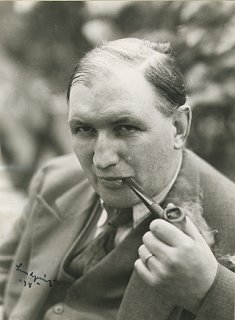
Alf Ahlberg (1892-1979) är mest känd för sin gärning som historiskt djupt förankrad, frihetligt demokratisk folkbildare vid Brunnsviks folkhögskola. Och för det framgångsrika, i stor utsträckning essäistiska författarskap i vilket han förmedlade sin åskådning och sina värderingar till en bred läsande allmänhet, sitt vältaliga försvar i många olika sammanhang för det klassiska bildningsarvet och humanismen i viss relativt noga bestämd mening, sitt distinkta urskiljande av denna humanisms historiska linje i västerlandet, sina introduktioner till filosofins historia och enskilda filosofer, sin kritik av den moderna totalitarismen, sin inte minst psykologiska analys av den moderna propagandan och dess effekter, och i någon mån kanske också sina många översättningar.
Men Ahlbergs något “smalare” filosofiska verk från hans tidiga period i Lund – där han var Hans Larssons favoritstudent – förtjänar i lika hög grad uppmärksamhet. Ahlberg ger i dem en tydlig och karaktäristisk, av traditionen från Geijer och Boström direkt och explicit influerad personlighetsfilosofisk turnyr av Windelbands och Rickerts samtida värdefilosofiska nykantianism (den s.k. Badenskolans), som i flera avseenden är av bestående värde och intresse. Det är de ståndpunkter han här artikulerade som ligger till grund för hans senare, bättre kända författarskap och allmänna kulturella gärning, och för den som är förtrogen med dessa ståndpunkter är de där ofta lätt igenkännbara. Inte minst genom Ahlberg kom den svenska personlighetsfilosofin på detta sätt att i viss utsträckning forma en central bildningslinje också i nittonhundratalets svenska kultur.
Liksom på sitt sätt John Landquist och tidigare Vitalis Norström förnyade och varierade Ahlberg den personlighetsfilosofiska traditionen. Visserligen förlorades några centrala dimensioner av denna, men den distinkta åskådnings- och värdemässiga profilen måste ändå hos alla dessa, och inte minst Ahlberg, i stor utsträckning sägas ha bevarats och vidareförts inom den delvis nya epistemologiska och metafysiska ramen.
Filosofiskt är det möjligt att gå djupare, och för att göra det måste man snarare gå tillbaka till eller i alla fall gå via den mer konsekventa och fullgångna typ av filosofisk idealism som senboströmianerna och andra vid samma tid fortfarande åtminstone försökte försvara. Idag kan vi, insisterar jag, lättare än dessa se de vida perspektiv denna typ av filosofi öppnar – inte bara genom tydligare historiska linjer bakåt i den västerländska filosofihistorien, utan också genom ny tillgång till komparativa studier och fördjupad introduktion inte minst av den vedantistiska traditionen.
Även omfattande ny forskning om artonhundratalsidealismen – och inte bara den tidiga tyska – har bidragit till en långt bättre kännedom om vad som länge lättvindigt avfärdades med hjälp av enkla karikatyrer, och filosofer har åter försvarat, nyformulerat och vidareutvecklat idealismens ståndpunkter. Allt detta underlättar förståelsen, historiskt och filosofiskt, av vad det i själva verket handlade om.
Denna idealism var, i dess svenska variant, den tradition i vilken Ahlberg formades. Den nödvändighet av personlighetsfilosofins nykantianska och övriga modifikationer som han med Landquist och Norström var övertygad om framstår idag i flera centrala avseenden som mindre självklar. Ändå har vi också hos Ahlberg på många punkter att göra med insikter som några av de bästa filosoferna idag, efter de olika pragmatiska, analytiska, fenomenologiska, existentialistiska, kritisk-teoretiska, strukturalistiska och i vid mening postmodernistiska och postmarxistiska riktningarnas långa dominans och därmed den beklagliga historiska diskontinuiteten, ibland förefaller s.a.s. kämpa onödigt hårt för att återfinna, återupptäcka, nyformulera. Ahlberg inte bara kvarhåller insikter från den äldre traditionen, utan omformar också de distinkta bidragen från sin egen tids främst tyska tänkande på ett sätt som åtminstone delvis böjer dem till harmoni med dessa insikter, ja möjliggör nya distinkta, i sig värdefulla uttryck för dem.
Jag har tidigare här i bloggen postat kortare texter om svenska personlighetsidealister hämtade från första upplagan av det av Ahlberg redigerade Filosofiskt lexikon (1925).
1910
The Kurdish-Swedish economist, Tino Sanandaji, who is currently a doctoral student at the University of Chicago and who appeared at the recent seminar about multiculturalism organized by Axess in Visby which I mentioned in my post ’Almedalen’, reiterates in a blog post in English the arguments I supported in my post but also reveals what can now clearly be seen to be the weakness of his position.
Sanandaji is right that ”multiculturalism has failed”; that it has been replaced at least by some of those who no longer believe in it by ”anti-anti-multiculturalism”; that when we speak about the problems of multiculturalism we define culture as ”the informal rules of the game of society, informal institutions, etiquette, traditions, norms and values as opposed to superficial cultural expressions such as what food you eat and what music you listen to”; that ”if you have different rules for different people”, as the multiculturalist ethnic separation and ”institutionalized segregation” prescribes, ”society doesn’t function smoothly”; that multiculturalism is poorly thought out and that in all likelihood its proponents do not themselves realize its full implications; that multiculturalism hurts immigrants, who are often unable to integrate, who fail to ”learn all the many subtle rules which guide life in Sweden” and are unable to ”add a Swedish identity to the one they already have”; that those immigrants are often ”embittered, and react by adapting the ghetto-culture of the United States, as a way to mark distance to mainstream society”, that ”[t]he personal consequence for immigrants from being unable to integrate is mass unemployment, low income, crime ridden neighborhoods, and social isolation”.
Sanandaji is also right that multiculturalism has been promoted not just by the socialist left but by ”left-libertarians” (specified by Sanandaji in a comment as “cultural Marxists”), who ”promise immigrants that they can migrate to Sweden and maintain all their traditions and norms and behavior from Afghanistan and Albania, without any cost to themselves”, that ”the left-libertarians have bullied the right into proposing open borders, in order to prove they are not racist”; that ”[t]his policy has never been attempted by any country in modern history”; that ”[o]pen borders is a social experiment on the grandest scale, yet its proponents have hardly thought it through, other than through clichés and slogans”, and that ”[n]ot surprisingly, open borders does not have any electoral support in Sweden”.
Finally, he is right that ”the solution to the obvious failure of multiculturalism is for Sweden to regain the cultural self-confidence it requires to integrate immigrants”, that ”[a]s an immigrant it is impossible to integrate into nothingness, you need a clearly defined pole of Swedish culture, which must be open to immigrants, in order for more to gravitate towards Swedish culture and be accepted into society”; that integration does not mean immigrants have to give up their native identities, that multiple identities are possible; that left-libertarians are dogmatically obsessed with open borders.
These are all excellent and centrally important points which I fully endorse. But contrary to Sanandaji’s Visby presentation, the blog post clearly displays weaknesses that unfortunately cannot be ignored.
First of all, Sanandaji’s understanding of culture and rules seems superficial in a way that unduly confines the analysis of multiculturalism within limits set by the economist’s perspective. His statement that ”[t]he rules imbedded in culture are to a large extent there in order to reduce transaction costs in a society” of course implies that the culture that the rules are embedded in is something more than the rules themselves, yet even if “costs” is understood in a broad sense, the formulation that the purpose of the rules produced by the culture is to a large extent to reduce transaction costs is a reductionism that is not sufficient for the understanding and analysis of all aspects of multiculturalism or the multicultural society.
This may be too negative an interpretation, yet it does seem to me the tendency seen here probably accounts to some extent for Sanandaji’s problematic view that ”the people hurt most by multiculturalism are immigrants”. This can be so only in a very limited perspective. It is of course true that many immigrants who are unable to integrate are hurt by multiculturalism. But the statement is shallow in view of the demographic development in the Western countries that receive the immigrants. If present developments continue, the immigrants with their respective cultures will within a not too distant future become majorities in Western Europe as well as in the United States. Not just allowing but encouraging an ever growing flow of new immigrants to maintain their native cultures, and discouraging cultural integration, multiculturalism hurts non-immigrants, the ethnic white populations of the West as well as their culture (and those of other origins who have truly become parts of that culture), much more than the immigrants.
Sanandaji is also utterly unrealistic in his view of both the possibility and the actuality of integration. ”[H]undreds of thousands of immigrants in Sweden have integrated and adopted multiple identities, which proves my point. We just need the other half [the hundreds of thousands of immigrants who have not done so] to do the same.” But it is true that many immigrants have successfully integrated, and Sanandaji rightly stresses this. ”Learning Swedish doesn’t mean you have to forget your native language. Learning the informal rules which guide work and social life doesn’t mean you have to forget the rules from your home country. You can be proud of your Kurdish heritage, but simultaneously proud of your Swedish upbringing and citizenship.” Sanandaji is also right that more will do so with the solution he proposes, the stronger assertion of Swedish cultural identity.
It seems to me this solution would perhaps be sufficient if at the same time the current mass immigration were stopped and the demographic trend with regard to ethnic Swedes reversed. Vast and difficult questions are involved here which I cannot embark upon a discussion of in this post. But with the current rate of immigration on the one hand and demographic decline on the other, the suggested solution can hardly be enough. The unmanagable numbers of new immigrants often already do not have the motivation to adapt to and integrate into a vanishing culture.
It is astonishing that Sanandaji, who now lives in the United States, maintains illusions about that country that could perhaps to some extent still be entertained in the Reagan era but which are today obviously and increasingly absurd. He does write that e pluribus unum is ”the historical American ideal”, but at the seminar he made it perfectly clear that he thinks the ideal is still being realized today, that all American citizens share an Anglo-American culture, the one established by the British colonists and the Founding Fathers.
If that is so, where does ”the ghetto-culture of the United States” which Sanandaji complains about both in the blog post and in the seminar come from? It is of course produced by mechanisms in the United States similar to the ones he describes as being at work in Sweden (and, of course, by the same entertainment moguls and for the same purposes). Latino immigrants are currently taking over or “reconquering” large parts of the South-West including California, insisting on keeping to their own culture (which is still in important respects Western!), and displaying open and sometimes violent hostility against the allegedly unifying Anglo-American, i.e. basically and originally British and European, culture and its bearers. Similar long-standing and well-known tendencies can be found among the black ”minority” which, together with the Latinos and others, will soon have outnumbered the white Americans of various European origins if the current trends are not reversed. The fact of American disintegration is well-established and has long been thoroughly documented by scholars. America is quite as much in need of the cultural assertion Sanandaji recommends as is Sweden – and not just in order to reduce transaction costs, but to preserve and renew the deeper values of its historical civilization.
Then there is the issue of ”classical liberalism”. This, as used by Sanandaji, is a vague concept. While distinguishing ”classical liberalism” from ”left-libertarianism” (represented in Sweden today by, for instance, Johan Norberg and Carl Rudbeck) and rightly rejecting the latter, he includes in the concept of classical liberalism not just classical libertarianism, not just the late eighteenth-century liberalism and its philosophical predecessors, but also John Stuart Mill.
Sanandaji is right to point out that ”classical” liberalism does not support the ”insane idea” of open borders. This point is well taken and easily proven by reference to Smith and Burke. But Sanandaji underestimates the radical, combined rationalistic and romantic inspiration and impetus of much else of what he evidently regards as ”classical” liberal thought, which in the course of the nineteenth century, and already in liberals like Bentham, Ricardo, James and John Stuart Mill, Bastiat, Say, and Cobden, manifested itself in conceptions which cannot be described as anything but utopian. In the light of such cases, the transition from ”classical” liberalism to ”left-libertarianism” appears perfectly natural and logical.
Sanandaji’s preferences in terms of party politics at least become comprehensible in view of these weaknesses in his analysis. He hopes to be able to persuade what he misleadingly calls “the right” in Sweden to adopt what he thinks is “classical” liberalism, and to apply it to end the ideology and the policies of multiculturalism. He finds the “reform agenda” of Reinfeldt and Borg “urgently needed”. What precisely does he have in mind here? Reduced taxes, no doubt. More privatization. More simplistic capitalism. But then he will have to be more specific with regard to much else that we know is on the same agenda. How about more integration into the EU that is clearly not prevented by its basic capitalist purposes from becoming increasingly Sovietized in terms of ideological thought control? More adaptation to the dictates of the old socialists in the IMF? More centralized globalism in general? Here Sanandaji, taking the positions he does on borders, cultures, and integration, surely must draw the line.
Still more directly pertinent to his main agrumet: how about the further increase in Europe’s extreme mass immigration – the current mass immigration as such? In an earlier article in Svensk Tidskrift, Sanandaji does question the current level of third world immigration, with regard to its effect on the economy and immigrant support for leftist welfarism. It would have been helpful to add reduced immigration per se to what is now his explicit plea only for integration by means of Swedish cultural self-assertion. Without it, the latter will, as I have shown, hardly be enough.
How will the Swedish “right”, i.e. the Reinfeldt government alliance, persuade the increasingly dominant – culturally as well as numerically – immigrants to vote for it and its agenda? This is one of the problems Sanandaji himself addressed in Svensk Tidskrift: the truth is that they will rather consolidate indefinitely the high-tax welfare state that Sanandaji opposes. And how will Reinfeldt’s government, itself known from the outset for its drastic lurch to the left (“cultural Marxist”, left-libertarian etc.), ever be able to implement the mentioned agenda if its new coalition partner will be the often quite extremely leftist Green Party?
The only theoretically conceivable way for the right to succeed in what Sanandaji wants it to accomplish with regard to integration is an agreement with the Sweden Democrats. But precisely this is what Sanandaji now says it is his very purpose to forestall. Since the Sweden Democrats declared that they were ready to accept Reinfeldt’s tax reductions if Reinfeldt accepted their immigration policy or parts of it, this stance makes it unclear to what extent Sanandaji opposes the current immigration, in terms of numbers.
”Some people have come up to me, said that they agreed with me, but expressed concern that I was helping the anti-immigration party The Sweden Democrats”, Sanandaji writes. ”The truth is the opposite.” Indeed, Sanandaji attempts to ”offer an alternative to the Sweden Democrats, to keep voters who observe that Sweden’s current policies are not working but who do not dislike immigrants from being forced to abandon the right”.
This is of course the same move we have already seen Merkel, Sarkozy, and Cameron make, and they were all mentioned by Sanandaji in Visby. He is certainly right that the Swedish “right” too must follow the Sweden Democrats or perish. He is also right that they are currently choosing to perish, and, to judge not just from their current immigration deal with the Greens but also their signalled further regular government alliance with them, they are doing so very consciously. For even if they don’t understand or care about the destruction of Swedish culture and the disapperance of the Swedish people, surely they must understand that the continued mass immigration will forever make tax reductions, the reduced welfare state, and what with the ever Marxist-influenced Swedish terminology they call the ”bourgeois” values forever impossible. (The terminology is of course not exclusively Marxist, but it is, as I have often pointed out, because of the Marxist usage promoted by the exceptionally long and strong dominance of the left in politics and academia that it has become so prevalent in Sweden also as the centre-right’s own; cf. France, Germany, Britain.)
Sanandaji is undeniably on target when he says that ”[b]y pushing open borders as the only alternative on the right and shouting down any problematization of immigrant segregation as racist, some young voters are forced into the Sweden Democrat column”, that [b]y radicalizing the right, branding any dissent as racist and beating the drums of open borders libertarians are the ones who are helping the Sweden Democrats.” He is to some extent right that ”if the right had taken the concerns of voters about crime, welfare dependency and segregation into consideration, the Sweden Democrats would not even be in parliament in the first place”, although he should have added the implied issue of Swedish cultural assertion. His observation that the left-libertarians’ shameful treatment of Svenska Dagbladet’s Per Gudmundson when he stated some unpleasant truths and statistics, their joining with the socialists in demonizing him, helped the Sweden Democrats to take more voters ”from us” – i.e., from him and his fellow Reinfeldters – is wholly true. ”Why do we still allow a small number of shrill ideologies to erode electoral support for the Right, by driving all those who don’t share their extremist and unpopular ‘abolish-all-borders’ positions into the open arms of the Sweden Democrats?”, Sanandaji asks. And it is a very good question.
Only there is no problem here. There simply is no problem in the disappointed voters turning to the Sweden Democrats because of all of the calamities of the “right”. They quite rationally and legitimately do so because the Sweden Democrats are the only party which presents a tenable alternative. There is nowhere else they can go when the right commits suicide before their very eyes. And there is nowhere else they need go or should go. Indeed it is the Sweden Democrats alone who offer precisely the alternative Sanandaji himself presents, plus the essential and decisive missing pieces and minus his inconsistent apparent support for the whole of the rest of the Reinfeldtian agenda. Only in the open arms of the Sweden Democrats can they really achieve the policy changes Sanandaji advocates.
Sanandaji complains that the Sweden Democrats are ”joining with the socialist left in sabotaging” Reinfeldt’s agenda. But again, he knows that this agenda is a globalist one of the kind he himself in at least some central respects must oppose. His sweeping support for it is simply not congruent with his own main argument. The Sweden Democrats are ”sabotaging”, i.e. opposing the agenda, trying to stop it, because they don’t believe in it, because they are against it. Tax reductions are acceptable to a certain extent if their own immigration reforms – which would of course mean enormous reductions of public spending and thus in themselves make possible even further lowered taxes – are accepted, but definitely not otherwise. Much more than that is on Reinfeldt’s agenda, however, and not just mass immigration. Things which Sanandaji too must logically reject. It seems to me he is naive to think that “[t]here is no reason why we can’t have more classical liberalism” in his sense (i.e. ”as opposed to the current combination of cultural marxism or left-libertarianism”) “in these questions among the already existing right-of-center parties”. There are many such reasons.
Sanandaji’s true points summarized above are severely undermined when he himself repeats the ”clichés and slogans” he rightly blames the leftists and left-libertarians for using. The Sweden Democrats, he implies, ”dislike immigrants”. They are ”xenophobic”. In a comment to his post, where in response to a critic he lists three ”fundamental differences” between himself and the Sweden Democrats (he in fact says there are several fundamental differences but that he mentions only three) , Sanandaji gives a typically nonsensical description of the latter.
First of all, they are, he charges, an outgrowth of “the skinhead and neo-Nazi movement”. “I am not”, he writes, “going to forgive the Swedish communist party for supporting Stalin 60 years ago, why should I forgive the Sweden Democrats for being a neo-nazi parti until 10 years ago?”
I have discussed this criticism before in connection with my analysis of Tradition & Fason’s statements about the Sweden Democrats, but because of the attention given to Sanandaji’s recent contributions to the political discussion in Sweden I now have to return to it and develop my response at greater length.
Another commentator immediately steps in and points out that Sanandaji doesn’t know as much about the Sweden Democrats as he does about other things. There is, she shows, a scholarly consensus that the Sweden Democrats are not and have never been a national socialist party, and that this consensus is shared even by far-left and anti-antisemitism organizations.
There is also, however, what seems to be a common position according to which the Sweden Democrats cannot have national socialist origins and cannot have had any national socialists among their members since there simply are no national socialists in Sweden. I reject this position as facile and deceptive. When I first discovered the Sweden Democrats at the time of the general elections in Sweden in 2006, I began what I think I may perhaps be allowed to describe as a comparatively thorough study of the various currents of Swedish nationalism in the twentieth century, my knowledge of nationalism having up to that point been mainly limited to nineteenth-century and to some extent early twentieth-century forms of it in Sweden, and to French nationalism, Italian fascism, and German national socialism. It was necessary in order to understand the Sweden Democrats, not least but certainly not exclusively in view of the standard criticisms, and in order properly to situate them in terms of ideology and twentieth-century Swedish political history, to get a firm grasp of all of the various nationalisms in Sweden today and their respective genealogies.
It immediately became obvious that there are real national socialists in Sweden. There was Nationalsocialistisk Front, a party which was later absurdly renamed Folkfronten (the Popular Front, the name of the anti-fascist Comintern alliances of the 1930:s), and which then assumed its current name, Svenskarnas Parti (the Swedes’ Party). They now have a web journal called Realisten. There was also a non-party organization called Svenska Motståndsrörelsen, which somewhat distinguished itself by selling rare Swedish national socialist publications from the 1930:s and 1940:s that could not be found elsewhere. Then there was something called Nordiska Förbundet, which published a glossy journal and sold new national socialist and fascist books. I think I can claim to have studied all of these groups relatively closely through their publications, and there can be no doubt whatsoever that they explicitly call themselves national socialists and that they connect historically to the German national socialists and the post-war continuation and ideological variation of German national socialism in other countries. There is also, as I have more recently discovered, a website called Nationell.nu, run by a young law student, Richard Langéen, which seems to be at least sympathetic towards national socialism in some respects.
Against this background, it seems to me it is not a mystery at all that there were indeed some national socialists who were initially drawn to an at least partly nationalist party like the Sweden Democrats rather than to the anti-nationalist parties, especially at a time when that party was the only one with elements of nationalism or at least the only such party that showed any promise of becoming a successful one.
National socialist groups thus certainly exist in Sweden. But they do seem to be very small indeed. Moreover, while twentieth-century nationalism is a complex phenomenon with many widely divergent versions, and the more specific fascist movement too is a complex and difficult one, it must be kept in mind that national socialism, while it too shares the complexities, is also a very specific and, as it were, ”narrow” ideology in a certain sense. It is a measure of the general level, the poverty, and the crudeness of the conceptual instruments of the current political discussion as carried on in the media that even the most basic distinctions are not made within the vast spectrum of political groups and ideologies for which the concept of the nation is central.
As the Sweden Democrats have often insisted, the national element in their ideology is one that was widely shared by the other parties (except the communists) until the mid-twentieth century. Its roots are in the older, broader, and more general current of nationalism which goes back to the nineteenth century. And this implies considerable philosophical differences. As the cited commentator appositely points out, Sanandaji overlooks the attacks the Sweden Democrats were long constantly exposed to from radical Swedish nationalists of various kinds and are probably still exposed to. And the nature of those attacks. Deep and complex historical discussions, going back not just to the German national socialists and WWII, but much further, to WWI and beyond (as I have always pointed out, twentieth-century history as a whole looks different from my perspective than from that of the liberalism and socialism dominant since the post-war era) are called for, yet we see nothing of them.
On the other hand, these deficiencies are of course not surprising. They are the deliberately produced result of a well-known, thoroughly analysed, long-standing propaganda effort on the part of the left, the liberals, and the pseudo-conservatives. It is sad that a person so clear-sighted in other respects as Sanandaji seems to succumb to what is in reality a threat to the preservation, continuation and renewal of the best traditions of freedom and civilized order. We risk losing them in the false dichotomization of political correctness.
As for the ”skinhead” movement, I know almost nothing about it, so it is difficult for me to say something meaningful here. This I admit I have not studied. I have heard and read a little about skinheads, and, long ago, I have seen what I think must have been skinheads. But I don’t associate any particular articulation of political beliefs with this movement, no elaborate ideological positions of a kind that would make it plausible that a political party like the Sweden Democrats is an outgrowth of it. What is the skinhead ideology? Is it the same as national socialism or some version of it? Are there any distinctly ”skinheady” elements in the Sweden Democrat’s first programme? In one of my posts mentioned above I included a video from a meeting of the Sweden Democrats in Medborgarhuset in Stockholm in 1991, only three years after the party’s founding in 1988. Is there anything skinheady about that meeting?
Sanandaji’s second ”fundamental difference” is that the Sweden Democrats are, according to him, “obsessed with reducing the flow of immigrants. But they offer no constructive solution to the 1 million immigrants we already have. This is what I attempt to do (strong enough cultural self-confidence from Swedes for their own culture to integrate immigrants).” Here Sanandaji seems to downplay his earlier argument regarding the problems with much of the immigration as such, while accepting the propaganda that the Sweden Democrats are onesidedly “obsessed” with this issue only.
And his claim for his suggested alternative is strictly incomprehensible. Do the Sweden Democrats not offer the constructive solution of enough cultural self-confidence from Swedes for their own culture to be able to integrate the immigrants we already have? Apart from the reduction of the flow of new immigrants, it is hard to think of a political position that is more central to the Sweden Democrats and for which they are better known than precisely this.
Sanandaji’s third fundamental difference is that the Sweden Democrats ”join forces with the left and block cutting taxes for low-income workers”, according to Sanandaji the most efficient method for increasing the employment and thus the integration of immigrants. Granted that Sanandaji speaks here only about immigrants ”we already have”, and adding that we should be talking only about immigrants who are now Swedish citizens, there is still the problem that the right’s proposed tax cuts are mostly for high-income non-workers and not for low-income workers, even as they are to some extent also for the latter. Sanandaji also overlooks the vast issues of the other aspects of the globalization he seems to object to only with regard to the issue of cultural integration: deindustrialization, deagriculturalization, supranational corporatization and centralization, excessive offshoring, the increasingly precarious position of the middle class (which many scholars agree is central to the stability of prosperous and democratic societies) in the West in general – all issues decisive for any serious long-term discussion of employment.
Sanandaji’s presentation in Visby was favourably received by many Sweden Democrats. Some protest that too much attention is paid to people like him who often come so close to the positions of the Sweden Democrats as to be virtually identifiable with them, but then also at more or less regular intervals disown and repudiate that party in starkly disproportionate terms. It is true that more attention should not be paid to such persons than they deserve. And I have shown in what respects Sanandaji’s position is flawed.
But among those who try to offer an alternative to the Sweden Democrats in order to keep voters from abandoning Reinfeldt’s foreseeably sinking ship, Tino Sanandaji seems to be the one who comes closest by far to the rescuing Sweden Democrats on the issues of immigration in general, the integration of immigrants, the problems of failed integration, Swedish culture, nationality, the nation state, open-borders utopianism, left-libertarianism, and “cultural Marxism”. Such a person should not be given less attention than he deserves.


Bergh, Johan Edvard, landskapsmålare, föddes i Stockholm 29 mars 1828, blef student i Uppsala 1844 och egnade sig där först åt naturvetenskapliga, sedan åt juridiska studier, tog hofrättsexamen 1849 och tjänstgjorde några år dels i Svea hofrätt, dels i Stockholms rådstufvurätt. Han hade emellertid blifvit medveten om sin egentliga kallelse, och den skandinaviska konstutställningen i Stockholm 1850 samt en resa till Düsseldorf 1851 stadgade hans beslut att på allvar egna sig åt målarkonsten. 1852 började han sina studier vid konstakademien, hvilken 1853 belönade hans Landskap, motiv från Göta älf, med kungliga medaljen. 1854 begaf han sig åter till Düsseldorf, där han studerade under Gude, reste 1855 öfver Paris till Genève, där han nyttjade Calames undervisning, och tillbragte sedan ett år, 1856–57, i Rom, där han målade och utställde ett större arbete, Utsikt af passet öfver Simplon, som såldes till England. Hemkommen hösten 1857, började han att kostnadsfritt meddela akademiens elever undervisning i landskapsmålning, hvilket blef uppslaget till akademiens landskapsskola. Han blef 1861 vice och 1867 ordinarie professor i landskapsmålning. 1869 gjorde han en längre studieresa i Norge. Vid 1862 års världsutställning i London och 1872 års skandinaviska utställning i Köpenhamn var han kommissarie för den svenska konstafdelningen. – B:s tidigare landskap visa stark påverkan af Achenbach, Gude och Calame. Ett eget uttryckssätt arbetade han sig till under studiet af den svenska naturen. “Hans lynne kom honom att välja just de stämningar, som hans landsmän voro mest förtrogna med och som de helst sågo afbildade. Han blef björkhagarnas och insjösträndernas målare, sommarhimlens och middagssolens, de betande kornas och de hvita molnens. Han sökte mindre det majestätiska i naturen än dess blida leende eller dess stilla ensamhet” (G. Nordensvan). Bland hans målningar äro motiven från Mälarens stränder många, och han tröttnade ej att upprepa dem – äfven från Bohus läns fisklägen, från Skåne och från Norge målade han kustbilder och fjällmotiv i lugn och i storm. Hans landskap äro med omsorg och skicklighet komponerade och solidt målade med smidig och elegant pensel. De beteckna ett betydelsefullt led i den svenska landskapskonstens utveckling. Nationalmuseum eger tre af B:s målningar: Utsikt i Uri i Schweiz (1858), Skogslandskap med vattenfall i Småland (1862) och I barrskogen (1868), sex finnas i Göteborgs museum, Under björkarna (1870) i Köpenhamns konstmuseum och Björkskog (1876) i Kristiania nationalgalleri. Många af hans målningar såldes till utlandet, och vid flera utställningar hemma och utrikes erhöll han utmärkelser, bl. a. i Paris 1867 och Wien 1873. B. dog i Stockholm 23 sept. 1880.
Nordisk Familjebok, “Uggleupplagan” 1904-26

 Olle Bengtsson