Wieso Banker und Banditen ohne Strafe davonkommen
Westend, 2011 Amazon.de
Kurzbeschreibung:
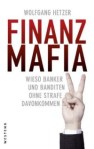
Die Finanzkrise ist kein Ergebnis einer Naturkatastrophe, wie uns häufig vorgegaukelt wird. Außerdem unterstellt der Begriff “Krise” dass es sich um ein vorübergehendes Ereignis handelt, das durch Krisenmanagement beherrschbar ist. So wird davon abgelenkt, dass Organisationen, Institutionen, Einzelpersonen und Gruppen – als übliche Bankengeschäfte getarnt – hemmungslos ihre eigenen Interessen verfolgt haben. Mit krimineller Energie haben sie große Mengen Geld bewegt und in Netzwerken, die der Organisierten Kriminalität vergleichbar sind, dubiose Geschäfte getätigt. Doch die strafrechtliche Aufarbeitung des Geschehens hat bisher nicht stattgefunden. Wolfgang Hetzer fragt nach den Gründen und untersucht, welche Straftatbestände greifen könnten. Für ihn ist es höchste Zeit, dass das traditionell gegen die “Unterschicht” eingesetzte Strafrecht auch endlich gegen die “Oberschicht” angewendet wird.
Pressestimmen:
“Wolfgang Hetzer bekämpft für die EU Wirtschaftskriminalität: Nun zieht er gegen die ‘Finanzmafia’.” Kronen Zeitung
Hetzer zeigt in seinem Werk Finanzmafia gewohnt pointiert die Machenschaften von Hedgefonds-Managern, Bankern und der organisierten Finanz-Kriminalität auf.” Kurier
“Hetzer fordert…eine strafrechtliche Verfolgung der verantwortlichen Manager.” Die Presse
“Eine Pflichtlektüre im Superwahljahr 2011.” 3sat bookmark
“Dieses Buch hat Thriller-Qualität.” 3sat bookmark
“eine brillante Analyse” Süddeutsche Zeitung
“Der Autor zeigt die fließenden Übergänge zwischen professionellem und kriminellem Handeln in den Führungsetagen der Finanzindustrie.” Profil
“Hetzer widert die Ausrede vom Systemversagen an. Denn er erkennt ein Netz persönlicher Schuld: vom Broker über Bankvorstände, Investoren, Ratingagenturen bis hin zur Politik.” Deutschlandradio Kultur, Lesart
“Kaum einer kennt sich in der Organisierten Kriminalität so gut aus wie Wolfgang Hetzer. Und kaum ein anderer ist so tief in die Machenschaften von Finanzmanagern und Politikern vorgedrungen, die schließlich zur Finanzkrise und der europäischen Schuldenkrise führten. In seinem Buch Finanzmafia spricht er von einer ‘Leitkultur der Korruption’.” Welt online“Ein wortgewaltiges Buch” kontext:wochenzeitung“Hetzer beklagt eine unheilige Allianz zwischen Regierungen, Bankern und Wirtschaftsbossen, die mafiöse Ausmaße erreicht.” SWR Leute
Über den Autor:
Wolfgang Hetzer, promovierter Jurist, war bis 2012 als Abteilungsleiter im Europäischen Amt für Betrugsbekämpfung (OLAF) für die Aufklärung von Korruption zuständig. Zuvor war er im Bundeskanzleramt mit der Aufsicht über den BND betraut, unter anderem in den Bereichen organisierte Kriminalität und internationale Geldwäsche.
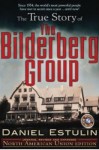 Delving into a world once shrouded in complete mystery and impenetrable security, this investigative report provides a fascinating account of the annual meetings of the world’s most powerful people – the Bilderberg Group. Since its inception in 1954 at the Bilderberg Hotel in the small Dutch town of Oosterbeek, the Bilderberg Group has been comprised of European prime ministers, American presidents, and the wealthiest CEOs of the world, all coming together to discuss the economic and political future of humanity. The working press has never been allowed to attend, nor have statements ever been released on the attendees’ conclusions or discussions, which have ramifications on the citizens of the world. Using methods that resemble the spy tactics of the Cold War – and in several instances putting his own life on the line – the author did what no one else has managed to achieve: he learned what was being said behind the closed doors of the opulent hotels and has made it available to the public. This second edition includes an entirely new chapter and updated information on topics such as an earlier attempt to break up Canada and the portents of a North American union.
 Cet ouvrage, publié pour la première fois en 1962 a été l’un des tout premiers à mettre en évidence le caractère omniprésent et multiforme de la propagande. Dépassant les définitions classiques, il a montré que la propagande n’était pas l’apanage des dictatures, mais une nécessité pour tous les régimes, qu’elle ne se limitait pas à la guerre psychologique, mais englobait aussi les public and human relations destinées à adapter l’homme à une société. Près de trente ans après sa publication, ce livre demeure une référence indispensable pour la compréhension d’un phénomène qui n’a cessé de s’étendre et de se perfectionner.
 Olle Bengtsson