
Category: Spirituality
Brunton genom åren
Några bilder
Före solnedgången

En av Lindboms kortare, sena böcker från 90-talet, i vilken han bl.a., i sammanhanget av sin helhetliga modernitetsanalys, utvecklar sin viktiga egna definition av begreppet kulturalism.
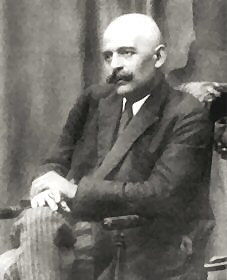
George Gurdjieff
Arthur Versluis: Perennial Philosophy
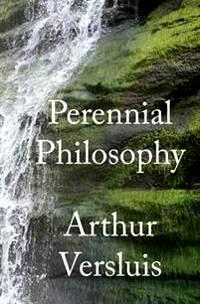
New Cultures Press, 2015
Blurbs:
“In this lucid explanation of perennial philosophy, Arthur Versluis reveals this tradition – so often described as esoteric and inaccessible – to be closer to our interests and experience than many of us have realized. Versluis has distilled an immense amount of scholarship into this small volume, but its brevity is deceiving. Like the culmination to any alchemical work, Perennial Philosophy is a powerful tincture that – once imbibed – transports receptive readers to a world in which they are part of a spiritual hierarchy that links heaven to earth. Arthur Versluis has distilled an immense amount of scholarship to produce a disarmingly accessible, lucid, and deeply penetrating study of the great philosophic traditions that underlie Western culture. Versluis concisely explains what perennial philosophy is and what it isn’t. The clarity of his prose makes this deep book a pleasure to read. A remarkable achievement!”
Gregory Shaw, author of Theurgy and the Soul: The Neoplatonism of Iamblichus
“This brilliant little book, written with stunning clarity, offers an entirely new perspective on what “perennial philosophy” actually means and entails. This is a return to the real philosophical quest, almost entirely forgotten by the academic world: a going beyond the limited self, to experience our kinship with the greater world and the deepest levels of reality, which results in a transformation of the self and a realization of our human nature.
For anyone interested in the roots of our philosophical tradition, or what a living philosophy could look like today and in the future – a philosophy that actually inspires and fertilizes culture, art, and human experience – this book is indispensable.”
David Fideler, author of Restoring the Soul of the World and other books and essays
“This book is about transcendence: self-transcendence. It traces a pathway to such self-transcendence from Plato (Pythagoras and the Orphic mysteries), through Plotinus, Damascius, Meister Eckhart and Emerson. Perennial Philosophy unveils a contemplative way often referred to as ‘mysticism’ that leads to a selfless, compassionate caring for all existence, from the animate to the inanimate, since all that exists expresses divine creation. The book has no footnotes and yet is scholarly. It records a perennial way of being-in-the-world that contrasts sharply with the way most of us live and see, and is about a past that offers glimpses of a better future. To read it is to question the contemporary understanding of who we are, and what we are capable of becoming. It is medicine for difficult times.”
Robert E. Carter, Trent University, author of Encounter with Enlightenment, The Kyoto School, and many other books.
“This book is colloquial and conversational. It presents an overview of Platonism from the master himself to Emerson in the context of contemporary debates. The author is a devoted Platonist, and his presentation of their doctrines is perfectly orthodox, above all in the absolute priority he gives to intellectual vision, the Vision of the Good. This emphasis alone is a huge achievement. The book is remarkable also for its generosity of tone. To the enlightened eye, no doubt, everything is full of Being. But it is difficult to maintain at all times that warm dispassion which takes the whole world under its wing. The author achieves this simply through the quality of his discriminations. So sharp and apt are the distinctions he makes between competing contemporary doctrines the book is continually illuminating and never tendentious. This reader was forever saying ‘Ah!'”
Roger Sworder, LaTrobe University, author of Mathematical Plato and Science and Religion in Archaic Greece as well as A Contrary History of the West
About the Author:
The Enlightenment of the Whole Body
Den bok genom vilken jag 1979 upptäckte Jones.
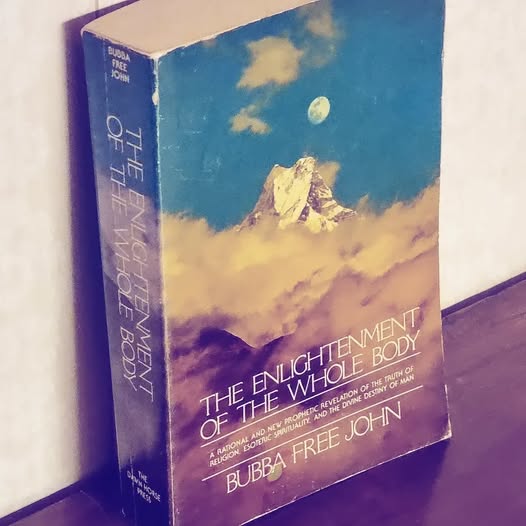
Akademibokhandelns nyöppnade första butik, den på Mäster Samuelsgatan, hade tagit in den.
(Jag kan minnas fel, men tror att de i början även hade en skivavdelning, och att jag vid mitt första besök våren 1978, strax efter öppnandet, köpte Enos Before and After Science där; om jag minns fel köpte jag den i alla fall samma dag, någon annan, närbelägen stans.)
Abrahamismens exoteriska gudskonstruktion
Justin Sledge, som jag tror mig minnas samarbetar med Filip Holm, har de senaste åren på sin YouTube-kanal Esoterica gjort flera viktiga avsnitt där han, i ljuset av nyare forskning, diskuterar den komplexa historiska utvecklingen av abrahamismens exogud. Här är ‘Who is Yahweh – How a Warrior-Storm God became the God of the Israelites and World Monotheism’, med 3,4 miljoner visningar, och ‘How did Yahweh Become God? The Origins of Monotheism’, med 1,4 miljoner visningar:
Liksom Holm arbetar Sledge inom en rent akademisk ram, i betydelsen det moderna forskningsuniversitetets, och skiljer sig därigenom radikalt från den – som jag hoppas tillräckligt noggrant definierade – inomtraditionalistiska som jag känner att jag skulle föredra att inta. Men vad som framkommer inom den förblir givetvis ofta av stor vikt.
Mycket finns att tillägga om hur den aktuella gudsuppfattningen, unikt långt driven i abrahamismen, uppkommer ur och på en specifik nivå av det mänskliga subjektiva medvetandets och psykologins utveckling, och såtillvida måste förstås i sammanhanget av en större, traditionalistisk andligt-fenomenologisk typologi.
Men den allmänna sanningen i en sådan analys måste givetvis förenas med den av Sledge tillhandahållna specifika historiska bakgrunden, med alla dess oavgjorda och kontroversiella punkter. Betonas måste också hur det var denna utveckling och dess resultat som tillsammans med den grekiska filosofin kom att driva västerlandets allmänna differentieringsprocess och med kristianismens ortodogmatik bestämma dess under senantiken och medeltiden etablerade identitet och andligt-kulturella nivå.
Intervju med Huston Smith
Jeffrey Mishlove intervjuar viktige mjuktraditionalisten Huston Smith i ett avsnitt av sitt gamla TV-program Thinking Allowed från omkring 1990. Smith berättar hur han upptäckte Vedanta genom Gerald Heards och Aldous Huxleys krets i Kalifornien:
Nyckel till teosofien
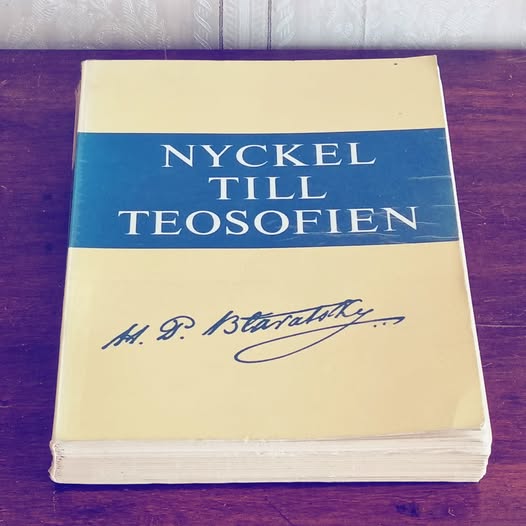
Det sena 1800-talets esoterism i väst, från vilken, i vissa former, Guénon utgick, men särskilt mot vars distinkt moderna västerländska inslag han inom kort kom att rikta en ingående kritik.
Révolte contre le monde moderne
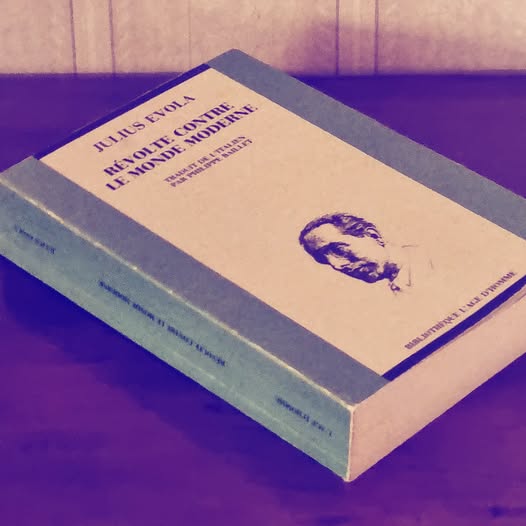
Innan de många engelska översättningarna av Evola kom på 90- och 00-talen fanns de franska.
 Olle Bengtsson