
Charles de Foucauld
Norma, 1993
Baksida:
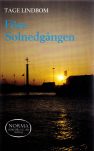 Den sekularisering, som fått ökad utbredning i Västerlandet, har efter andra världskrigets slut lett till stor oklarhet inte minst på moralens område. Vad är ont och vad är gott, var går gränsen för mänskligt ansvar?
Behovet av en moraldebatt, inte minst i Sverige, har ofta påtalats och det är därför angeläget när Tage Lindbom i sin nya bok Före solnedgången griper sig an denna fråga i ett längre kapitel.
Vår tids människor upplever på många sätt osäkerhet och otrygghet. När Gud förklaras vara god och samtidigt allsmäktig, så frågar sig många, varför tillåter Han då allt detta onda och lidande i världen? Det är en stor och svår fråga, som Tage Lindbom ägnar en inträngande granskning.
Föränderlighet och rastlöshet upplevs som plågsamma och det uppstår en längtan efter fasta hållpunkter. De vetenskapliga löftena från seklets början om slutgiltiga svar på tillvarons gåtor har inte infriats. Tvärtom upplevs världen av många som ett oavlåtligt flöde utan mål och utan mening.
Finns då inte en högre gudomlig ordning, som ger åt skapelsen en möjlighet till jämvikt och harmoni, till en djupare mening med vårt jordiska liv?
Tage Lindbom vill bejaka denna fråga: det finns en skapelsens inneboende ordning. Men vi blir delaktiga av denna ordning först när vi upphör med vår folksuveräna självtillbedjan.
The Feminization of Christianity
Spence Publishing Company, 1999 (Go to the publisher’s website or amazon and buy)
Book Description:
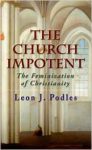 In the stale and overworked field of gender studies, The Church Impotent is the only book to confront the lopsidedly feminine cast of modern Christianity with a profound analysis of its historical and sociological roots. Dr. Podles identifies the masculine traits that once characterized the Christian life but are now commonly considered incompatible with it. In an original and challenging account, he traces three contemporaneous medieval sources: the writings of St. Bernard of Clairvaux, the rise of scholasticism, and the expansion of female monasticism. He contends that though masculinity has been marginalized within Christianity, it cannot be expunged from human society. If detached from Christianity, it reappears as a substitute religion, with unwholesome and even horrific consequences. The church, too, is diminished by its emasculation. Its spirituality becomes individualistic and erotic, tending toward universalism and quietism. In his concluding assessment of the future of men in the church, Dr. Podles examines three aspects of Christianity – initiation, struggle, and fraternal love – through which its virility might be restored.
Reviews:
“This groundbreaking book should be read by everyone concerned about the future of Christianity.” St. Anthony Messenger
“This volume will certainly invite an important discussion.” National Catholic Reporter
About the Author:
Leon J. Podles, a native of Baltimore, earned his bachelor’s degree at Providence College and his Ph.D. in English at the University of Virginia. He later studied Old Icelandic at the University of Iceland. He has worked as a teacher and a federal investigator and is now the president of the Crossland Foundation. Among the numerous journals for which he has written are America, American Spectator, Crisis, and American Enterprise, and he is a contributing editor of Touchstone. Dr. Podles and his wife have six children and live in Naples, Florida, and Baltimore.
The Notebooks of Paul Brunton
Volume Nine

Human experience is our laboratory for higher experiment. The world is our school for spiritual discovery. The vicissitudes of personal circumstances are our field for ethical achievement.
When creative art is truly inspired, it comes close to being sacramental.
– Paul Brunton
Human Experience shows how to make everyday life into a process of spiritual discovery. It explores causes and purposes of suffering, problems of marriage and other relationships for spiritual seekers, needed reforms in education, special opportunities and problems of youth and old age, and the purpose of the modern world-crisis
The Arts in Culture reverently celebrates the role of the Beautiful in human culture. Its highlights are sections on the mission of inspired art, creativity, genius, and the relationship of art and mystical experience.
How to Boost Performance and Live a Richer and Happier Life Through Transcendental Meditation
TarcherPerigee, 2016 (There are at the moment problems with the Insert Links function, but I will add the links asap; meanwhile, visit the Publisher’s website, amazon, or some other bookseller anyway, and, as always, order the book!)
Book Description:
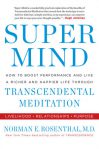 The noted research psychiatrist and New York Times-bestselling author explores how Transcendental Meditation permanently alters your daily consciousness, resulting in greater productivity, emotional resilience, and aptitude for success.
Most of us believe that we live in only three states of consciousness: wakefulness, sleep, and dreaming. But there is so much more.
In Super Mind, clinical psychiatrist and bestselling author Norman E. Rosenthal, M.D., shows how the incredibly simple daily practice of Transcendental Meditation (TM) can permanently improve your state of mind during the routine hours of waking life–placing you into a super-mind state of consciousness where you consistently perform at peak aptitude.
In his most ambitious and practical book yet, Rosenthal shows how TM is more than a tool for destressing or for general wellness. It is a gateway to functioning physically, emotionally, and intellectually at levels we never knew we could attain. Written in Rosenthal’s trademark style of restraint and intellectual carefulness, Super Mind explores how we can aspire to so much more than we ever thought possible.
Reviews:
“Super Mind is a wonderfully practical exploration of the benefits of Transcendental Meditation that reveals how the technique is not a belief or faith but a simple tool that, in my experience, can improve your life in ways you never thought possible.” Hugh Jackman
“In Super Mind, Norman E. Rosenthal has written a vibrant, practical, and persuasive guide to all the ways in which mediation can profoundly affect every aspect of our lives – from our emotional and spiritual well-being to our intellectual and creative abilities.” Arianna Huffington
“Super Mind opens new doors to thinking about consciousness, and new possibilities about how consciousness can grow and change a person’s life forever. Transcendental Meditation has been found to improve physical and psychological health in hundreds of published studies and Norman E. Rosenthal weaves this evidence together with powerful stories of transformation – a must-read for anyone wanting to develop a Super Mind.” Maria Shriver
“Dr. Rosenthal’s Super Mind is a thoroughly engaging, scientifically sound testament to the immediate and long-term benefits of Transcendental Meditation – a technique I have been practicing for nearly two years. TM has made me more mentally and physically energetic, sharper, less stressed and more positive. If I could write a prescription for TM to all my patients, I would.” Dr. Jennifer Ashton, ABC News Chief Women’s Health Correspondent, Ob-Gyn
“Norman E. Rosenthal, renowned scientist and researcher, reveals the powerful, life-enhancing effects of Transcendental Meditation in this acutely observed and poetic book. In Transcendence, Rosenthal gave us the science behind TM; in Super Mind he does that and more, showing us the broad applications and transformative stories of real people using this simple technique.” Richard A. Friedman, M.D., contributing Op-Ed writer for The New York Times and Professor of Clinical Psychiatry at Weill Cornell Medical College
About the Author:
Norman E. Rosenthal, M.D., is a clinical professor of psychiatry at Georgetown Medical School and the New York Times-bestselling author of books including Transcendence: Healing and Transformation Through Transcendental Meditation and The Gift of Adversity: The Unexpected Benefits of Life’s Difficulties, Setbacks, and Imperfections. He conducted research at the National Institute of Mental Health as a research fellow, researcher, and senior researcher for more than twenty years and was the first psychiatrist to describe and diagnose Seasonal Affective Disorder (SAD).
A Handbook of Biblical Childrearing
Canon Press, 1997
Book Description:
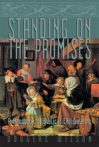 As parents, our greatest calling is the raising of our children in the nurture and admonition of the Lord. God has designed each family to be a culture – with a language, customs, traditions, and countless unspoken assumptions. The culture of the family intimately shapes the children who grow up in it. It is the duty of the father to ensure that the shaping takes place according to biblical wisdom.
Some fathers establish a rebellious culture for their children and bring upon their children the wrath of God, sometimes for generations. Other fathers fail to establish any distinct culture, and outside cultures rush to fill the void.
Through the Messiah, God promised blessing to His people, “their children, and their children’s children forever.” The norm for faithful members of the covenant is that their children will follow them in their faithfulness. The oddity should be children who fall away. Unless we reestablish faithful Christian culture in countless homes, we will never reestablish it anywhere.
Standing on the Promises brings clarity, providing parents with an insightful handbook on biblical childrearing, that avoids another paint-by-numbers method for parenting.
About the Author:
Douglas Wilson is the minister of Christ Church in Moscow, Idaho, which is a member of the Communion of Reformed Evangelical Churches (CREC). As one of its founders, he has served on the board of Logos School, a classical and Christian school (K-12), since its inception, and he is a Senior Fellow of theology at New St. Andrews College. He is also the editor of Credenda/Agenda Magazine, the editor for the Omnibus textbook series, and the author of many books, including Reforming Marriage, Recovering the Lost Tools of Learning, The Case for Classical Christian Education, Angels in the Architecture (with Douglas Jones), and a biography of John Knox. His blog can be found here.
Kim Petrusson missförstår kanske arten av min argumentation rörande abrahamismen när han återkommer med följande kommentar:
“En kristendomskritik baserad på sola scriptura blir alltid torr, märklig och patetisk. Jag vet inte om det är ett medvetet grepp från Bengtssons sida att bortse från kyrkofäderna, asketerna, liturgierna, mysterierna och allt annat utanför ‘det bibliska stoffet’ som definierar kristet liv – och har gjort så i tusentals år. Exempelvis läses aldrig Uppenbarelseboken i ortodoxa liturgier, och har allmänt en svag dogmatisk ställning i Östkyrkan.”
Jag reducerar på intet sätt kristianismen till skriften, tolkar den på intet sätt enbart utifrån den. Tvärtom har jag ju hela tiden betonat omtolkningsprocessens innebörd, den kristianska överhuvudtaget, den filosofiska, den esoteriska, som en partiell supergression av skriften. Detta kontrasterar mot det jag försökt frilägga som abrahamismens allmänna sär- eller grunddrag, som jag identifierat som den skriften huvudsakligen bestämmande historiska immanent-framtidsorienterade historien med dess olika moment. Ja, jag har understrukit att även skriften själv innehåller viktiga passager som strider mot dessa grunddrag; d.v.s. abrahamismen i sig har även andra drag, som inte är särdrag utan som religionsfilosofiskt och -fenomenologiskt kan ses som mer universella och traditionella; redan skriften i sig uppvisar därmed på ett för mig s.a.s. positivt sätt åskådningsmässig självmotsägelse. Detta är centralt i min helhetliga bedömning.
Men att utvärdera särdragen är i sig en komplex uppgift; de har under den långa tid du nämner bidragit till att ge hela västerlandet vissa särdrag. Jag vill här åter hänvisa inte minst till Eric Voegelins djuplodande studier rörande detta, inte minst i första delen av Order and History. Även han ger emellertid en distinkt tolkning som inte i allo är självklar, och inte i allo baserad på sola scriptura. Mitt intryck är att en hel del här återstår att göra när det gäller belysningen av sambandet mellan den abrahamitiska historiecentreringen och eskatologin och tolkningen av västerlandets senare framstegstanke, och därmed väsentliga grunddrag av moderniteten.
För min del gäller att jag försöker betrakta allt detta med urskillning utifrån ett i vid mening traditionalistiskt perspektiv. Det är inte fråga om någon ensidig negativ kritik, om något onyanserat avfärdande. Jag har ägnat en stor del av mitt liv åt inträngande i kristianismen och i viss mån övrig abrahamism, och bejakar selektivt kristianismens historiska, kulturella och andliga värden. Jag är positivt inställd till den kontinuerliga omtolkningen när den sker utifrån ett i min mening traditionalistiskt perspektiv (just föreställningen om en “New Age” o.s.v., i vars sammanhang så mycket av omtolkningen länge skett, är väl sannolikt själv en del av särdragets typ av epoktänkande och därmed s.a.s. inte i sig omtolkad).
Det följer givetvis av detta att jag mindre än någon annan vill “bortse från kyrkofäderna, asketerna, liturgierna, mysterierna och allt annat utanför ‘det bibliska stoffet’ som definierar kristet liv – och har gjort så i tusentals år”. Tvärtom är det just detta för den rätta omtolkningen nödvändiga, allt det som katolikerna kallar just “traditionen”, om än i annan mening, i motsats till “skriften”, som jag vill bejaka; ja, som framgått vill jag bejaka ännu mer sådant – filosofin vars bidrag i viss utsträckning redan från början definierar teologin, de mångfaldiga skrifttolkningsprinciperna.
Det enda jag säger är att det historiskt samexisterar med och inte kunnat ta sig definitivt utöver de grunddrag som det efter skriftkanons definitiva fastställande aldrig varit möjligt att helt förneka. Detta är i och för sig inte att säga lite. Östkyrkans nedtonande av Uppenbarelseboken är en styrka, men den är otillräcklig. Kyrkofäderna kan givetvis aldrig entydigt gå utöver särdragens gränser: även de grekiska rör sig inom dem inte minst såtillvida som deras eskatologi uppvisar alla de notoriska oklarheter jag pekat på; ja t.o.m. de alexandrinska uppvisar dessa, om än i deras egen variant. Man kan förvisso inte basera en kristianismkritik på sola scriptura. Men en kristianismkritik sine scriptura vore än mer märklig.
Honoring the Mysteries of Love and Relationship
Harper Collins, 1994
Front Flap:
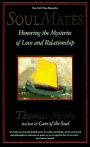 A companion volume to the national bestseller Care of the Soul, this new book from Thomas Moore explores how relationships of all kinds – with all their difficulties – deepen our lives and help fulfill the needs of the soul.
As Thomas Moore pointed out in Care of the Soul, the soul thrives under certain conditions, especially intimacy, attachment, and involvement. Unlike many books that are concerned with making relationships work better, Moore’s new book, Soul Mates, finds meaning in endings, separations, jealousy, sexual conflicts, and other obstacles we may encounter in the pursuit of intimacy. The book emphasizes that if we are willing to live through these difficulties, life is enriched and the soul thrives. Moore describes how “soul-intimacy” can be cultivated in simple ways that are often overlooked – writing thoughtful letters and engaging in heartfelt conversation, for instance. On another level, he investigates ways to create soulful community and a profound sense of conviviality in society and among nations. For insight he appeals to a wide range of literature and mythology – Emily Dickinson, Sufi poetry, Native American folktales, and classical mythology. In all of these sources Moore finds intimacy depicted as a matter of soul rather than interpersonal dynamics.
Everyone whose heart, mind, and soul were touched by Care of the Soul will find in Soul Mates the same kind of empathy, caring, and wisdom as Thomas Moore expands on his ideas about life and explores all human relationships.
Reviews:
“In richly textured and shaded prose, he evokes mythology, poetry and sacred and philosophical traditions to speak not to our agendas but to our souls.” San Francisco Chronicle
“I devoured Soul Mates like some comfort food for the spirit…Moore moves love off the fast track and into the realm of mystery and imagination where it belongs.” New Woman
“An eloquent, passionate, often mystical exploration of how we mere mortals might better understand ourselves and others in a late-20thcentury society in which so much emphasis is placed on interpersonal dynamics and so little on introspection, care, grace, gratitude and honor.” Detroit News
“[Moore] delights in plainness, things imperfect, ragged edges, loose ends, failures, flops, incompletions, annoyances, dissatisfactions. The comfort he offers is that in such shortfalls from ultimacy and salvation, we may find our richest reality. The soul’s fertility is slow and organic.” New Orleans Times Picayune
 Olle Bengtsson