As in the Syria crisis last year, when Putin averted the threatening American intervention, and indeed, before I started this blog, in the Georgia crisis in 2008, I have, this far, seen no reason to say in my own words what many others say very well in theirs, but have limited my contribution to regularly posting the latter – their articles, some interviews – on Facebook, and this time also on Twitter. Click on the Facebook or Twitter icons in the sidebar to go to my accounts.
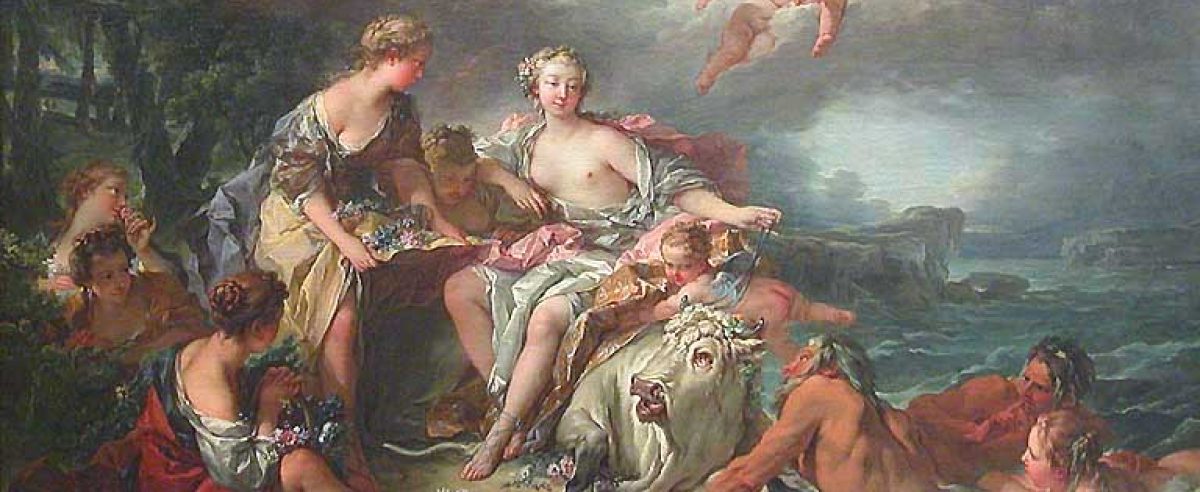
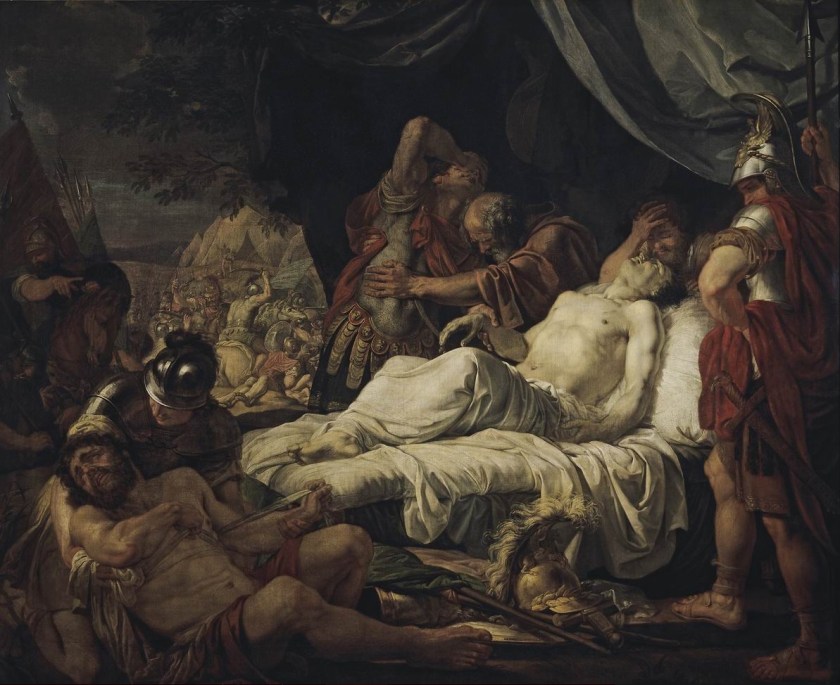
Andrey Ivanov: The Death of Pelopidas
Paul Brunton: Healing of the Self/The Negatives
Using the Forces of Life/Understanding the Powers of Darkness
The Notebooks of Paul Brunton
Volume Seven
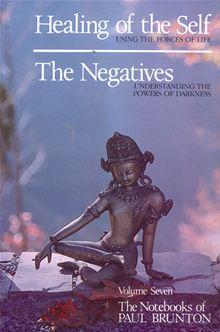
Larson, 1987
Back Cover:
Unless we look behind the world’s problems into the real and spiritual problems which they reflect, we can not properly understand them or solve them.
-Paul Brunton
Part 1, Healing of the Self, treats the mind-body relationship and contrasts conventional, psychic, and spiritual approaches to healing. Recommending a combination of conventional and alternative methods, it gives a variety of practical techniques, many useful in self-healing.
Part 2, The Negatives, examines the nature and roots of evil and traces its activity in recent and impending world events.
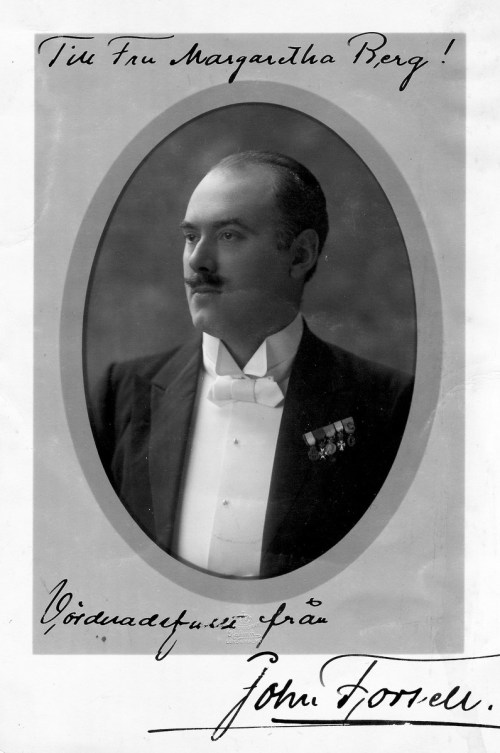
John Forsell
Romantic Pantheism
In Hegel’s version of the significative attempt to preserve structured order in this new situation, the personal God was seemingly only nominally preserved in some late defensive writings for quite extra-systematic purposes, and the unifying idea on which alone the structuring depended was never conceived as transcendent in the first place. As merely one of the many expressions of a Hermetically conceived immanence, Hegel’s new articulate cataphaticism was doomed already for such intrinsic reasons to fail in a much more obvious way in this regard. From the beginning, the Right Hegelians, or at least the so-called “speculative theists”, saw the need for, and called for, a metaphysical supplementation.
But quite apart from these reasons, Hegelianism was also fated to a considerable extent to become submerged in the forces unleashed by the industrial and political revolutions. Since their classicism had been mixed up with modern rationalism ever since Descartes, the refined defenders of the hitherto dominant, French-inspired culture were often unable, even as they were forced in the face of the historical development of the nineteenth century – in which France itself took a leading part – to turn towards a stricter and more traditionalist classicism, to see the partial truths of the new German criticism of Enlightenment thought. But they did see its untruths.
In the new darkness brought on by the pantheistic revolution, all cows must, in the eyes of the French critics, perforce turn black. There could no longer be any well-grounded distinctions, any proper discernment. Everything flowed, everything was becoming, everything was relative. Since the unity and totality knew itself only through the infinite forms of the chaotic dispersion, the whole noisy confusion of the energies let loose by the Revolution must be accepted, indeed enthusiastically welcomed, embraced by Cosmic Love. Predictably, the demons were already at large, in art and literature as well as on the battlefield. Moral discrimination became impossible. Since transcendence was denied, there was not even in principle the possibility of an accessible vantage-point, or even one accepted as a mere necessary regulative idea, from which to make judgements.
Thought became so vague that contradictions could no longer be identified as such; the limited and the well-defined were dismissed as superficiality. There could be no well-grounded choices between different alternatives, all ideas had the same worth, truth was infinite and all-comprehensive, the mandatory tolerance could be based only on relativism. Criticism was lost, as was selection, refinement, and style. The differentiational perspective from which true and false, good and evil, beauty and ugliness could once be distinguished, at least to some extent, at least for the purpose of general orientation, had been absorbed in the process of the closed immanent totality.
In this pseudo-divine carnival, where the crassest material forces – both of the captains of industry and of the Enlightenment machinery of the state – advanced more ruthlessly than ever behind the shifting veils of neoclassicism, neohumanism, idealism, and romantic reverie and picturesqueness, it was the unstable Ego of individualism, rather than the person, that flourished, and that alone could flourish. For all his self-assertive, neoteric expressionism, the romantic individual moves from narcissism, via cosmic, subjective ego-inflation, to objective self-annihilation in the larger pantheistic whole in any of its manifestations.
Such self-actualization, drawing out the utmost nihilistic consequences of the self-creation of the Renaissance individualists, was sheer illusion, since there simply was no self to actualize. In a world closed upon itself and without ontic logos, the only values there could be were those posited by the individual, and such positing was what was expected of the new historical Heroes. Yet they pathetically failed to perform the expected Deeds, dragged down by the unacknowledged, constitutive imperfection of their human nature, devoid of grace.
The moral ambiguity of the new individual-cosmic self-actualization was glaring; with ethical dualism rejected along with metaphysical dualism, the new autonomy did not stop short of the Satanic. The only enemy, the only remaining evil was that which represented or was perceived as representing the resistance to the new pantheism itself, to the Righteous Goodness of the Human-Divine Ego and Nature: the conventional order of the establishment, the Church, the remnants of the ancien régime. The enemy’s scruples were only expressions of its false morality, and having been so repressed and deformed by this enemy, the Beautiful Soul had the right to go beyond its narrow conventions, to challenge them, if necessary by violent means. Only though releasing the demonic, the criminal, the perverted, the diseased, was it possible, under the present circumstances, to find the true self.
Or rather, to become one with the newly conceived whole. The underlying drive was the age-old one of the problematic forms of esotericism and monistic mysticism: to simply become God. But not only did failure produce disillusion; God was also redefined even beyond the undifferentiated oneness. The Beautiful Souls and Geniuses were lost in erotic intoxication with feelings, in the identification with the resurgent dark, irrational side of reality which the human fiat of modern rationalism had never managed to suppress; they were consumed by the Dionysian urge for ecstatic self-annihilation, for final extinction. At the peak of the absolute freedom, of “authentic” self-expression, of self-exaltation, they turned towards dissolution and destruction of an individual self which was in reality weak and sickly. What it really desired was ultimate ecstatic identification with nature/God, the erotic Mother-Goddess, the All-Ego, the irrational, arbitrary, nihilistic Will of the world-process, the empty oneness, the Void, Nothingness, Death. And a similar impulse was often found to underlie the new kind of search for identification with the Nation, the People, the State.
This, needless to say, is not the whole truth about this historical period. But the neglected fact is that its other truths, and not least its genuinely personalist ones, can be neither properly understood nor preserved or reappropriated unless these general truths about romantic pantheism are understood. The individualism it produced was often the shallowest thing. [For a few of the very many aspects and expressions of this, see Gerald N. Izenberg, Impossible Individuality: Romanticism, Revolution, and the Origin of Modern Selfhood, 1787-1802 (1992), which, however, is far from the fuller and deeper historical understanding of the pantheistic revolution.]
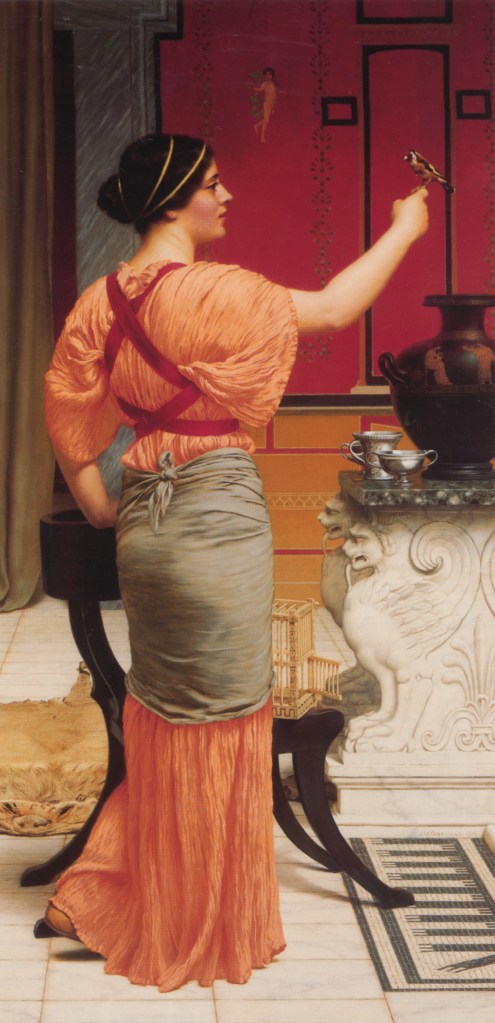
John William Godward: Lesbia with her Sparrow
Jean-Yves Le Gallou: La tyrannie médiatique
Via Romana, 2013 Chapitre
Points Forts:
 Une réflexion sur la nature et le rôle des médias en France
Les raisons cachées de la dictature des medias
Des exemples concrets de désinformation médiatique
Le lien inquiétant de l’Argent et de la communication, la nomenklature médiatique
Argumentaire:
Les médias ne sont pas un contre-pouvoir. Ils ne sont pas davantage le quatrième pouvoir. Ils sont progressivement devenus le premier pouvoir: celui qui s’exerce sur les esprits. Plus inquiétant, ils semblent même prendre le contrôle des autres pouvoirs, intellectuels, politiques et judiciaires.
Or journaux, radios, télévisions et même certains sites d’information en ligne ne sont ni indépendants, ni libres. Ils subissent la loi d’airain publicitaire des banques et des financiers, prisonniers des préjugés de ceux qui les font, la caste journalistique. C’est l’alliance du grand capital et de la pensée unique de salle de rédaction qui passent tout au crible de l’idéologie mondialiste: ouverture des frontières, dérégulation économique et financière, rejet des traditions, “antiracisme” et “mariage gay”. Pour rééduquer, ils conditionnent par la désinformation, la Novlangue, la censure, la diabolisation et le bobard sont leurs instruments, au mépris de l’identité, de la souveraineté, de la démocratie française et des libertés.
J.-Y. Le Gallou reconstitue l’histoire et autopsie cette tyrannie des temps modernes; il trace aussi les voies de son renversement : par le développement de l’esprit critique, la réinformation, l’essor des médias alternatifs sur Internet, l’abolition des lois liberticides, le développement de la démocratie numérique et de la démocratie directe. Pour redonner vie à une véritable liberté d’expression, il faudra bien chasser les assassins de l’information.
Auteur:
Jean-Yves Le Gallou, énarque, dirige la fondation Polémia, un “think tank” qui organise chaque année la journée d’étude de la réinformation et la cérémonie des Bobards d’Or. Il a déjà publié La Préférence nationale (chez Albin Michel), Le défi gaulois, carnets de route en France réelle et Le dictionnaire de Novlangue (chez Polémia).
Table des matières:
INTRODUCTION
I POURQUOI LES MEDIAS DESINFORMENT? ÂGE MEDIATIQUE, ÂGE TYRANNIQUE
1. La communication a tué l’information
2. Les préjugés de la classe journalistique
3. La loi d’airain des financiers
4. La laisse publicitaire
5. La verticale de l’argent
6. Le carré carcéral de l’idéologie médiatique
II COMMENT LES MEDIAS DESINFORMENT? LES ASSASSINS DE L’INFORMATION
7. Les règles de la désinformation
8. L’art de travestir la réalité: de la fabrique du héros à la fabrique du salaud
9. Le triomphe de la Novlangue
10. Anges et démons
11. La censure des bien-pensants
12. Le bobard: ultima ratio du politiquement correct
III COMMENT LA TYRANNIE MEDIATIQUE DETRUIT LES INSTITUTIONS: LA ROUTE DE LA SERVITUDE
13. L’intelligence en quarantaine: les imposteurs partout, les penseurs nulle part
14. La médiacratie contre la démocratie: l’avènement des médiagogues
15. La crise du politique: la mal gouvernance médiatique
16. Les médias amplificateurs de crises?
17. La justice otage de la tyrannie médiatique
18. L’entreprise totalitaire sous l’oeil du big brother médiatique
19. L’Eglise entre immédiateté et éternité
20. L’Union européenne: de l’art de ne pas informer.
21. Les nouveaux tambours de guerre
IV COMMENT ECHAPPER A LA TYRANNIE MEDIATIQUE?
22. La réponse “hygiéniste”: éteindre la télévision ?
23. La réponse critique: la réinformation, bouclier de l’esprit
24. La riposte des médias alternatifs: douze thèses pour un gramscisme technologique
25. La riposte institutionnelle: supprimer le CSA327
26. Rétablir la liberté d’expression: abroger les lois liberticides!
CONCLUSION
La montée des sentiments populistes
La révolte des intellectuels
Le discrédit des journalistes
Internet et la redistribution de la donne médiatique
Annexe: Charte d’éthique professionnelle des journalistes
Remerciements
Bibliographie choisie
Index
Bryan Ferry: Chance Meeting
Live in Paris, 2000. From Roxy Music’s eponymous first album (1972).
Ullenhag och riksdagens regelverk
Fria Tider framhåller det märkliga i att integrationsminister Ullenhag i dagens interpellationsdebatt i riksdagen (nedan) säger att den egentligen ska handla om hur “afrofobi och främlingsfientlighet” ska bekämpas, när interpellationen uteslutande gäller tillförlitligheten av en utredning som regeringen beställt från Mångkulturellt Centrum.
Jag känner, som icke-politiker och utan närmare erfarenhet av riksdagsarbetet, ett behov att utveckla och precisera detta något.
Statsrådets enda uppgift i sammanhanget är väl att besvara den specifika interpellationen? I stället säger Ullenhag efter Ekeroths replik på svaret att “det blev ju ingenting om ämnet. Frågeställningen var vad vi ska göra åt afrofobi, vad vi ska göra åt främlingsfientlighet. Jag misstänkte väl i och för sig att det låg den här frågan bakom, för jag skulle blivit väldigt positivt överraskad ifall det hade varit så att jag hade sett Kent Ekeroth stå i denna talarstol och ta det hot som främlingsfientlighet är på allvar, och fundera på vad kan vi göra för att skapa ett samhälle där vi behandlar människor lika, vad kan vi göra där Kent Ekeroth kan vara lika tydlig och ta avstånd från främlingsfientlighet som han är nu när han hoppar på en enskild forskare.”
Ullenhag går vidare och talar utförligt om och ställer frågor om SD:s politik i detta avseende. Efter en replik där Ekeroth delvis, helt utanför den aktuella debattens ramar, tillmötesgår Ullenhag och svarar på hans från ämnet fullständigt avvikande frågor (han har helt klart ingenting emot att göra även detta), fortsätter ministern att avkräva Ekeroth svar på dessa för interpellationen helt ovidkommande punkter: “Mitt huvudproblem med ditt anförande just nu var att jag ställde frågan: Vad gör vi åt främlingsfientlighet? Vad är svaret från Sverigedemokraterna?”
Han förklarar sig missnöjd med Ekeroths svar och förlorar sig i en lång utläggning om vad han menar vara regeringens förträffliga politik och SD:s undermåliga. Slutligen påpekar Ekeroth att Ullenhag försöker “skifta fokus”. Det är att uttrycka det mycket milt.
Statsrådet svarar: “Sen tycker Kent Ekeroth det är lite jobbigt att jag pratar om afrofobi och främlingsfientlighet och antisemitism, när frågan gällde det! Det var det frågan gällde!” Och: “Mitt problem, Kent Ekeroth, är att ni tar ju aldrig upp en av våra stora samhällsutmaningar. Ni tar ju aldrig upp främlingsfientligheten. Ni tar ju aldrig upp rasismen.” O.s.v.
Hur är detta möjligt? Varför ingriper inte talmannen? Tillåter riksdagens regelverk att en minister på detta sätt använder en interpellationsdebatt, d.v.s. en debatt där det såvitt jag förstår uteslutande är hans uppgift att besvara en specifik interpellation, till att i stället påstå att interpellationen handlar om något annat, och interpellera interpellanten om detta andra? Hur kan talmannen, eller regelverket, tolerera en sådan grad av oordning? Det borde vara en ordningsfråga. I det brittiska parlamentet kan talmannen ingripa i sådana fall.
Det är ju en helt fantastisk brist på disciplin. Jag vet att det är vanligt att riksdagsledamöterna i andra debatter inte svarar på frågor. Men en interpellationsdebatt är ju en mycket precist avgränsad typ av debatt, där det, till skillnad från andra, handlar enbart om just att svara på bestämda, i förväg skriftligt formulerade frågor, och därvid föra en debatt om just dem.
Det är möjligt att jag missförstått något, men det vi ser nedan är inte bara osakligt och ineffektivt, det är löjligt, meningslöst, infantilt. Om det är acceptabelt framstår ju interpellationernas och interpellationsdebatternas demokratiska funktion och värde som helt obetydliga. Går det ofta till så här i riksdagen?
Det finns mycket att säga om det Ekeroths fråga gäller, men det finns ingen anledning för mig att göra det här. Ekeroth lyckas trots allt själv bra med det.
Ukraina och sanktionerna
SD-Kuriren meddelar att partiet tar ställning för regeringens linje med sanktioner mot Ukraina. Problemet är att regeringen ju inte alls har den jämförelsevis nyanserade förståelse av konflikten som artikeln visar att SD har.
Tyvärr kunde Julia Kronlids inledande ord i hennes anförande i riksdagens utrikespolitiska debatt härom dagen antagligen oavsiktligt ge intrycket att vi helt godtar Bildts otroligt förenklade, propagandistiska linje med det fredligt demonstrerande folket som önskar frihet och demokrati och EU-medlemskap contra den ensamt skyldiga diktatoriska, förtryckande och våldsanvändande regeringen och Ryssland.
Man skulle önska att Bildts hållning bara var ett uttryck för okunnighet. Tyvärr är det naturligtvis mycket värre än så. Men hur är det möjligt, efter all den information vi länge haft tillgänglig om den komplexa situationen och dess bakgrund, att utforma propagandan på detta fantastiskt naiva, grova, svartvita sätt?
Kronlids kommentar i SD-Kuriren är mycket bättre än den i riksdagen. Ändå skulle jag vilja föreslå att en avvaktande hållning gentemot sanktionerna hade varit att föredra. Formuleringarna är jämförelsevis balanserade, men själva ställningstagandet är problematiskt.
Vi vet ännu inte hur sanktionerna kommer se ut och vilka de kommer riktas mot. Men om EU delar Bildts, andra moderaters, regeringens, ja hela “sjuklöverns” skenbart enfaldiga uppfattning av situationen, riskerar det att bli katastrof.
 Olle Bengtsson