The Loop, Chicago
–
Framtid, andlös –
hur vindarna svepte från Lake Michigan,
hur din sång ljöd klockren i mitt minne,
droppen som vilade på ditt mörka ögonhår
en vinterdag.
Vi färdas mot ett avgörande.
Chicagos nätter och mina –
utlämnad mänsklighet
överblickande världar
i mörkret
hjälplöst hängande.
Blott genom illusionen
– hur subtil,
hur allavgörande –
medmänniskan motmänniska
samhället särhälle
gemenskapen gemenhet.
Vi skall välja.
Vi skall se varandra djupt i ögonen.
–
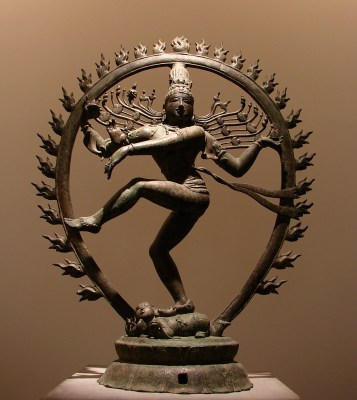
The Neoplatonic Philosophy of Dionysius the Areopagite
State University of New York Press, 2008 Amazon.com
Back Cover:
 The work of Pseudo-Dionysius the Areopagite stands at a cusp in the history of thought: it is at once Hellenic and Christian, classical and medieval, philosophical and theological. Unlike the predominantly theological or text-historical studies which constitute much of the scholarly literature on Dionysius, Theophany is completely philosophical in nature, placing Dionysius within the tradition of ancient Greek philosophy and emphasizing, in a positive light, his continuity with the non-Christian Neoplatonism of Plotinus and Proclus. Eric D. Perl offers clear expositions of the reasoning that underlies Neoplatonic philosophy and explains the argumentation that leads to and supports Neoplatonic doctrines. He includes extensive accounts of fundamental ideas in Plotinus and Proclus, as well as Dionysius himself, and provides an excellent philosophical defense of Neoplatonism in general.
“This is, in many ways, the book for which teachers in the field have been waiting: a book that clearly and fully sets out the philosophical logic in Dionysius in a way accessible to undergraduate students and yet tackles the most vexed and controverted questions so strongly as to make it a necessity for graduate students and scholars in the field. Eric Perl has produced a remarkable unification of philosophy and accurate historical scholarship, something very rare.” Wayne J. Hankey, author of One Hundred Years of Neoplatonism in France: A Brief Philosophical History
“Dionysius is an extremely important Christian Platonist in his own right and also for the enormous impact he had on medieval philosophy. Getting his metaphysics right is essential, and Perl has done an outstanding job articulating his philosophical genius.” John Bussanich, author of The One and Its Relation to Intellect in Plotinus: A Commentary on Selected Texts
Eric D. Perl is Associate Professor of Philosophy at Loyola Marymount University.
Per Johan Herman Leander (1831-1907) efterträdde 1886 Nyblaeus som professor i praktisk filosofi i Lund. Bland hans verk återfinns Om substansbegreppet hos Cartesius, Spinoza och Leibnitz (1862), Om substansbegreppet hos Kant och de tänkare som från honom utgått (1863), Något om den samtida filosofien i Tyskland, Danmark och Frankrike (1876), Boströms lära om Guds idéer (1886), och det postumt utgivna Idélära från Boströms filosofiska ståndpunkt (1910).
 Ingen artikel om Leander finns ens i första upplagan av Alf Ahlbergs filosofiska lexikon, vars artiklar jag återgivit i tidigare inlägg om svenska filosofer. Därför citerar jag här i stället några stycken ur Svante Nordins Den Boströmska skolan och den svenska idealismens fall från 1981 (s. 77-80):
–
Leanders magnum opus är…hans Boströms lära om Guds idéer (1886). Detta arbete innehåller bl.a. en utförlig granskning av striden mellan Nyblaeus och Edfeldt. I fråga om det problem som denna tvist behandlade, övergången från det oändliga till det ändliga, hade Leander kommit att medge att det fanns en lucka i Boströms system. Hans ställningstagande till de båda antagonisterna blir salomoniskt, på ett sätt som påminner om Wikners. Leander håller med Edfeldt att enligt Boström Guds idéer “äro oändliga såsom bestämningar” samtidigt som han ger Nyblaeus rätt i att de “såsom väsen äfven omedelbart i och för Gud måste tänkas såsom ändliga”.
En sådan lösning visar hän mot att det finns svårigheter i Boströms system, något som Leander också erkänner. På en punkt, och därtill en av de väsentligaste, framträder han nämligen öppet som revisionist: han förnekar Boströms lära om “idéernas materiella [d.v.s. såsom konkreta individer tänkta] ofullkomlighet” eller om “talserien”.
Enligt Leander strider uppfattningen om en “talserie” mot läran om mångfald i enhet. Den senare innebär att det absoluta ingår i allt och förlänar enhet åt detta. Läran om talserien eller idéernas materiella ofullkomlighet innebär däremot, om den genomförs konsekvent, att det absoluta endast negativt bestämmer de lägre idéerna och att det på så vis är den lägsta idén, inte den högsta, som ingår i alla andra. – Talet 1 ingår i talet 100, men talet 100 ingår inte i talet 1!
Leander finner det obegripligt hur en lägre idé utifrån Boströms förutsättningar kan sägas hänvisa till en högre eller till det hela. Tar man på allvar förutsättningen att en högre idé endast innehåller de lägre blir det omöjligt att förstå hur detta dess innehåll kan “hänvisa” till några högre idéer än den själv. Konsekvensen av detta blir särskilt betänklig i avseende på den högsta idén, det absoluta. Hur kan man nämligen veta att denna idé är den högsta? Utifrån den själv kan man ju inte veta något om detta eftersom ingen idé innehåller annat än lägre idéer.
Kanske kan man visualisera Leanders tankegång genom att föreställa sig de i talserien inordnade idéerna som ett antal personer vilka står i en rad med ansiktena vända åt samma håll. Nr ett i raden kan då inte se någon av de övriga. Nr två kan enbart se nr ett, nr tre enbart nr ett och nr två o.s.v. Ingen kan se dem som står bakom honom själv i raden och ingen kan därför veta sig vara den siste. Den siste kan förvandlas till den näst siste utan att hans perceptionsfält förändras genom att ytterligare en person kommer och ställer sig bakom. Egenskapen att kunna se alla de övriga blir på så vis en yttre, kontingent egenskap. Leander finner det stötande och orimligt att på detta sätt reducera den absoluta idén till bara den sista i en rad eller det högsta numret i en serie.
Boströms lära om Guds idéer innehöll en rad kritiska argument men inte något positivt alternativ. De som…intresserade sig för saken fick vänta på ett sådant i nära 25 år. Då utgav Liljeqvist postumt ett manuskript av Leander som denne varit sysselsatt med under sina sista år.
I detta manuskript Idélära från Boströms filosofiska ståndpunkt (1910) börjar Leander med att betrakta det hela som system i anknytning till Sahlins lära om tänkandets grundformer. Utgångspunkten är då, att systematiskhet, d.v.s. logiskt sammanhang och motsägelsefrihet, är förutsättningen för allt tänkande och all kunskap om verkligheten. Tänkt som system erbjuder helhetens förhållande till sina delar inga större svårigheter. Varje del har det hela som logisk förutsättning. Därmed finns också det hela givet i varje del.
Att enbart tänka sig helheten som system, d.v.s. ur formell synpunkt, är emellertid enligt Leander inte tillräckligt. Uppfattningen av idéerna som subjekt eller personer kan nämligen aldrig härledas ur systemets begrepp. Helheten måste vara en viss sorts system, närmare bestämt en organism. Om helheten (Gud) således ur reell synpunkt fattas som organism ställer sig problemet om dess förhållande till delarna som ett problem om organismens förhållande till sina organ. Detta förhållande tänker sig Leander på ett sätt som innebär en modifikation, men en pietetsfull modifikation, av Boströms ståndpunkt.
Organen måste till att börja med vara fullt bestämda av det hela. Till varandra står de i relation bara via det hela. Men den relation, vari organen via helheten står till varandra, innebär att Boströms lära om talserien upprättas, fastän i ny tappning. Organen antas nämligen innehålla det hela i olika grad, och eftersom det helas innehåll utgörs just av organen, måste då dessa även innehålla varandra i olika grad. Med Leanders egen, något tungfotade formulering: “då de själfva utgöra allt innehåll hos det hela och intet finnes utom detta, är sådant möjligt endast därigenom, att det ena af hvilka två som helst innehåller det andra utan att själft i detta innehållas, hvilket åter i fråga om idéerna med deras omedelbara betydelse af former af enheten och dennas betydelse af att i och för sig vara det hela innebär, att den ena af hvilka två som helst utan att själf innehållas i den andra genom enheten innehåller denna uti sig”.
Här har således läran om idéernas materiella ofullkomlighet, d.v.s. talserien, kommit tillbaka genom fönstret. Skillnaden mot Boström är bara att idéerna nu sägs innehålla varandra endast genom helheten. Vördnaden för Boström är naturligtvis en drivkraft bakom denna restauration. En annan är den funktion som den materiella ofullkomligheten har hos denne, nämligen att underlätta förklaringen av det relativa ur det absoluta. En brevväxling mellan Leander och den än mer rättrogne Keijser kastar ljus över detta, liksom över Leanders förhållande till Sahlin. Keijser har ifrågasatt huruvida Sahlin verkligen förbättrat Boströms lära genom att förneka all motsats hos det absoluta…Leander svarar med att framhålla, att det är när systemet fattas formellt, inte när det fattas reellt, som motsats saknas hos Gud. Denna skillnad hade Boström inte insett:
“Därför anser jag att det är en stor förtjenst af Sahlin att hafva häfdat systemets begrepp såsom innebärande fullkomlig samstämmighet. Felet hos Sahlin är, att han utsträcker denna samstämmighet äfven till organismens begrepp eller från idéerna såsom organer hos Gud aflägsnar all motsats i betydelsen af uteslutning, hvarigenom han gör det omöjligt att komma öfver från det oändliga till det ändliga.”
Leander vill med andra ord slingra sig ur problemet med enhet kontra mångfald genom att göra en skillnad mellan helheten fattad som system, som logiskt motsägelsefritt sammanhang, och helheten fattad som organism. Eftersom den reella organismen ändå på något sätt skall vara identisk med det formella logiska systemet, blir det aldrig fullt klart hur detta innebär en lösning.
Leanders förbättring att låta den lägre idén endast i och genom enheten ingå i den högre erbjöd honom en annan fördel, som han lade stor vikt vid. Gud kunde nu i stället för som det högsta talet i talserien fattas som dennas enhet och själv vara höjd över all kvantitativ bestämning. Därmed undveks den olyckliga konsekvensen av talserieanalogin att Gud s.a.s. bara av en tillfällighet var det högsta talet.
Leander illustrerar själv sin modifiering av Boström genom att säga, att hos honom Gud inte är högsta talet, t. ex. 1000, i talserien, utan själva begreppet tal. “Och enheten i detta är icke talet 1 (ett) utan själfva begreppet tal. Talet 1 är blott det lägsta momentet eller den lägsta idén. Alla tal äro idéer, talet själft enheten och det hela. I alla talen ingår begreppet tal och är så enheten i dem. Men det förutsättes nu äfven vara enhet af dem och så utgöra det egentliga hela eller systemet själft såsom enhet i och af mångfald.”
Leanders sista arbete kan ses som ett gott exempel på skolastik inom filosofin. Om Boström, som Nyblaeus framhållit, i grund och botten var en intuitiv filosof, så ledde hans på intuitiv väg tillkomna filosofi dock till svårigheter av logisk art. Till stor del blev det hans lärjungars sak att försöka reda ut dessa. Därvid invecklade de sig i alltmera komplicerade konstruktioner. Det intuitiva momentet blev svårare och svårare att fasthålla.
Boströmianismens motståndare tog också med förkärlek fasta på draget av ofruktbart hårklyveri. Anhängarna kunde å andra sidan försvara sig med att ett mått av begreppsexercis är nödvändig i varje filosofi, eftersom varje helhetsuppfattning måste ge upphov till sina tekniska problem. Om sunda förnuftet undgår sådana problem beror det enbart på att sunda förnuftet saknar filosofisk helhetsuppfattning.
Vi befinner oss i den borgerliga revolutionens värld i vid mening, som är densamma som modernitetens. Även den tyska pietismen har varit av den största betydelse för liberalismen, men åtminstone i sin tidiga form äger den väsentliga särdrag i jämförelse med den engelska puritanism från vilken den dock hämtat centrala impulser. Den tidiga pietismens varmt innerliga, levande och praktiska tro tillför en del i sig andligt värdefulla impulser. Dess starka samfundsanda balanserar dess individualism, och i det den förlänar den en distinkt etisk kvalitet gör den det på ett sätt som skiljer den även från calvinismens. Ur pietismen utvecklar sig med F. G. Dreyfus ord en ny uppfattning av den mänskliga personen, centrerad kring individualiteten, “qui, reprise et développée sur d’autres plans par les fils, ou au moins les neveux spirituels du piétisme, c’est-à-dire l’Aufklärung et le Sturm und Drang, plus tard par le mouvement romantique tout entier, va marquer profondément l’homme du XIXe siècle”. [I Meyerson, 181.]
Dess toleransbegrepp är också skilt från en Voltaires: det grundar sig på den uppfattningen att var och en “exprime à sa manière plus ou moins parfaitement la volonté de Dieu: c’est en partant de cette conception que l’on admet la tolérance, et non parce qu’on estime que toutes les religions ont à peu près la même valeur”. [Ibid. 176.] För den teologiska liberalismen har den varit avgörande genom sin förmåga att i sin frihet från dogmatism kunna samexistera med upplysningen och acceptera neologin och den historiska bibelkritiken. [Wenz i Frank/Haverkamp, 125 f.] Det är först i den sena pietismen som genom huguenottiskt inflytande den tyska pietismen antar de av Weber tecknade dragen. [Dreyfus i Meyerson, 179.]
Pietismen var i mycket en reaktion mot den ortodoxa lutherska teologi som redan under 1600-talet, mutatis mutandis, hade hunnit bli i hög grad skolastisk. Men med Wolff återvinner också filosofin tilltron till förnuftets metafysiska kompetens i ny variant. Wolff anknyter inte bara till Leibniz och Descartes utan också, i Leibniz’ efterföljd, delvis till skolastiken (exempelvis essentialismen och Gudsbevisen), fastän han släpper de av Lindbom hyllade platonskt-intellektiva dragen hos Leibniz och återfaller i den moderna rationalismens blotta logiska deduktionism. Såväl skolastikens som 1600-talets systematisk-rationalistiska nit upptages därför av Wolff, som också gör en för framtiden viktig uppdelning av den så nysystematiserade filosofins delområden.
Trots att Descartes’ själ innehållsligt förändras och begränsas är det dock hans dualism som öppnar vägen för en ny filosofisk disciplin, den rationella psykologin, där själen inom kort återvinner sina positiva bestämningar, utan att dock längre inifrån sig själv medvetandegöras i samsken med den högre gudösa intellektivitetens ljus. När därvid tillvaratages också Descartes nya tydliggörande av själens rena immaterialitet, förblir trots allt på grund av förskjutningen från intellectus till ratio denna själ, hur än de logiska bestämningarna tycks bestrida det, i mycket en annan än den traditionellt-platonska.
Hos Wolff finner vi denna rationella psykologi i utvecklad form. Själen är för honom en enkel, immateriell, intellektiv, oförstörbar, odödlig, över tiden identisk substans som kännetecknas av varsehet, självmedvetande och medvetande av en från sig själv åtskild yttervärld, av andlighet, och, sist men inte minst, av personalitet, d.v.s. egenskapen att vara en person. Här återfinner vi de flesta av den platonska traditionens uppfattningar om själen kompletterade med den explicita, skolastiskt färgade personalitetsbestämningen – men det är i första hand en logiskt deducerad, icke en på samma sätt som i den äldre traditionen andligt levd och intelligerande själ. Även Wolff bibehåller också i Leibniz’ efterföljd minneskriteriet, personens bestånd över tiden. [Trendelenburg, 16.]
Fayard, 2012 Amazon.fr
Description de l’ouvrage:
 Un quarteron de journalistes félons menace la République. Ils s’appellent Éric Zemmour, Robert Ménard, Ivan Rioufol, Élisabeth Lévy. Ils ont le mauvais goût de ne pas se prosterner devant toutes les lubies de l’époque: la culture réduite à l’écran, l’art dévoyé en marketing, la disparition de l’autorité des salles de classe, l’effacement des frontières. Ce sont les “nouveaux réactionnaires”.
Mais de tous leurs crimes, le plus grave est de s’obstiner à nommer les choses, même quand elles sont déplaisantes. Ils ne considèrent pas les délinquants comme des victimes et pensent que l’immigration n’est pas seulement une chance pour la France, en particulier pour les derniers arrivés dont elle freine l’intégration, sans parler de l’assimilation. Pour les prêchi-prêcheurs de la “gauche divine” dont parlait Baudrillard, ce refus de repeindre la réalité en rose vaut brevet de crypto-lepénisme: si le peuple pense mal et ne vote pas mieux, c’est parce qu’il a été influencé par ces mauvais coucheurs. Alors les professeurs de vertu dressent la liste des suspects et déclenchent la machine à simplifier, à caricaturer, à dénoncer. Cette alliance de la malveillance et de la niaiserie peut décourager. Ou, au contraire, donner envie de descendre encore dans l’arène pour mener le seul combat qui vaille: celui des idées.
Biographie de l’auteur:
Élisabeth Lévy est notamment l’auteur de La France aux Français? Chiche! : Un entretien avec Malek Boutih mené par Élisabeth Lévy (Mille et une nuits, 2001), Les Maîtres censeurs: Pour en finir avec la pensée unique (Le livre de poche, 2002), Les dangers de l’euthanasie: Entretiens avec Lucien Israël par Élisabeth Lévy (Éditions des Syrtes, 2002), Festivus festivus: Conversations de Philippe Muray avec Élisabeth Lévy (Fayard, 2005), La Discorde: Israël-Palestine, les Juifs, la France. Conversations de Rony Brauman et Alain Finkielkraut avec Élisabeth Lévy (Mille et une nuits, 2006) et Le Premier pouvoir: Inventaire après liquidation (Flammarion, 2007).
Élisabeth Lévy tient salon sur internet, avec le site causeur.fr, et anime le mensuel Causeur Magazine. Elle collabore également au Point, à RTL, à Direct 8.