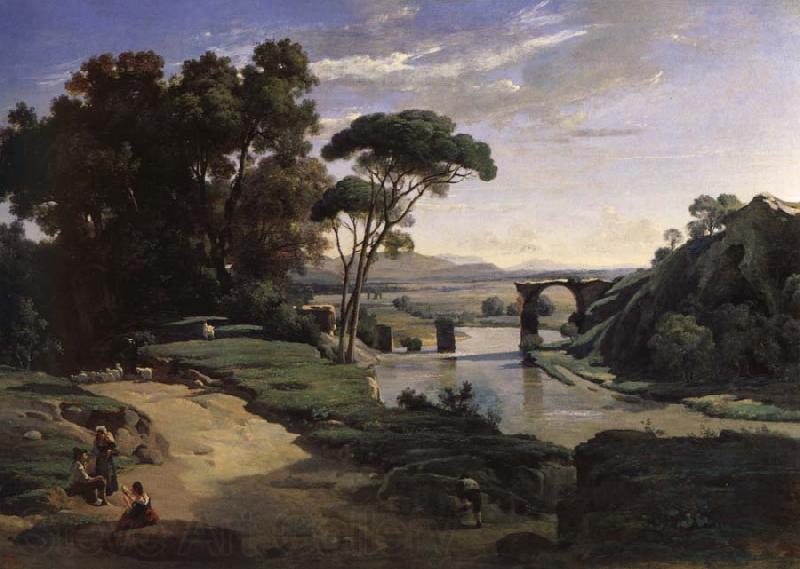
Camille Corot: Le Pont de Narni
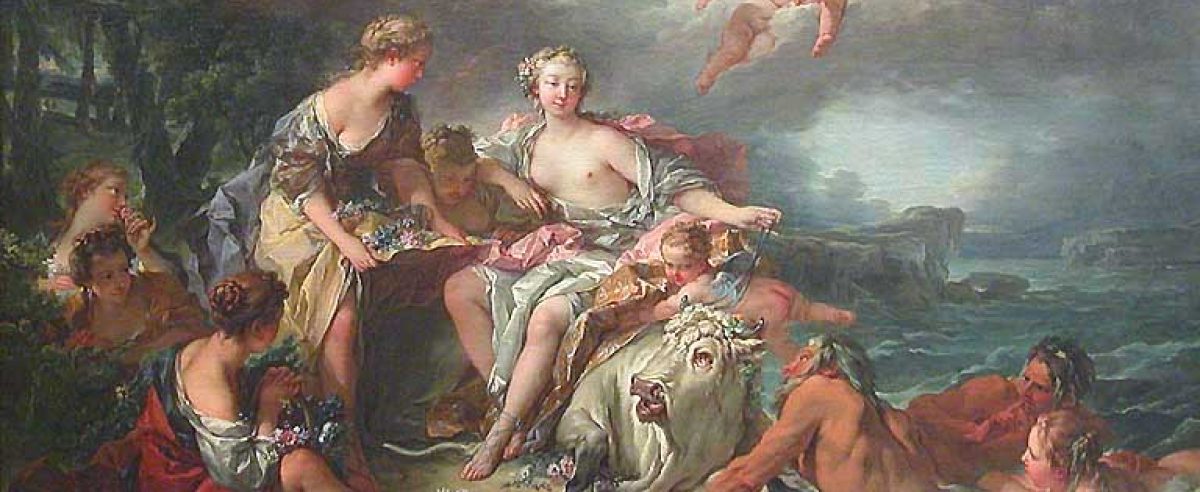
Our Shared Humanity: The Moral and Cultural Preconditions of Cordial Relations
November 2013

En personlig historia
Bonniers, 2007 (1996); tredje upplagan med nyskrivna för- och efterord.
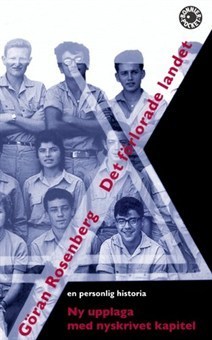
Baksida:
I en personligt hållen essä skärskådar Göran Rosenberg vår civilisations största och mest genomgripande utopi: Det förlovade landet, Messiasriket, Sion, Israel. Bokens titel ger en fingervisning om var hans resa så småningom slutar. Det förlorade landet är på en gång en spännande idéhistorisk odyssé och en politisk självbiografi; en personlig historia kort sagt.
“Ett mästerstycke av en stilistisk briljans vi ej skådat sedan Tingstens memoarer. En självbiografi som höjer sig till en analys av vår tids utopier och messianska drömmar, ej bara Israels…”
Per Wästberg, Dagens Nyheter
“Man läger samman boken, vet att man läst en klassiker. Orädd, lysande och hederlig, och man lär sig mycket om en tragedis anatomi.”
Per Olov Enquist, Expressen
“Göran Rosenbergs bok Det förlorade landet är en skakande bok om en oerhörd besvikelse … Rosenberg har med intellektuell integritet och idéhistorisk kunskap gett oss sin berättelse om Israel.”
Gunnar Fredriksson, Aftonbladet
Click to enlarge
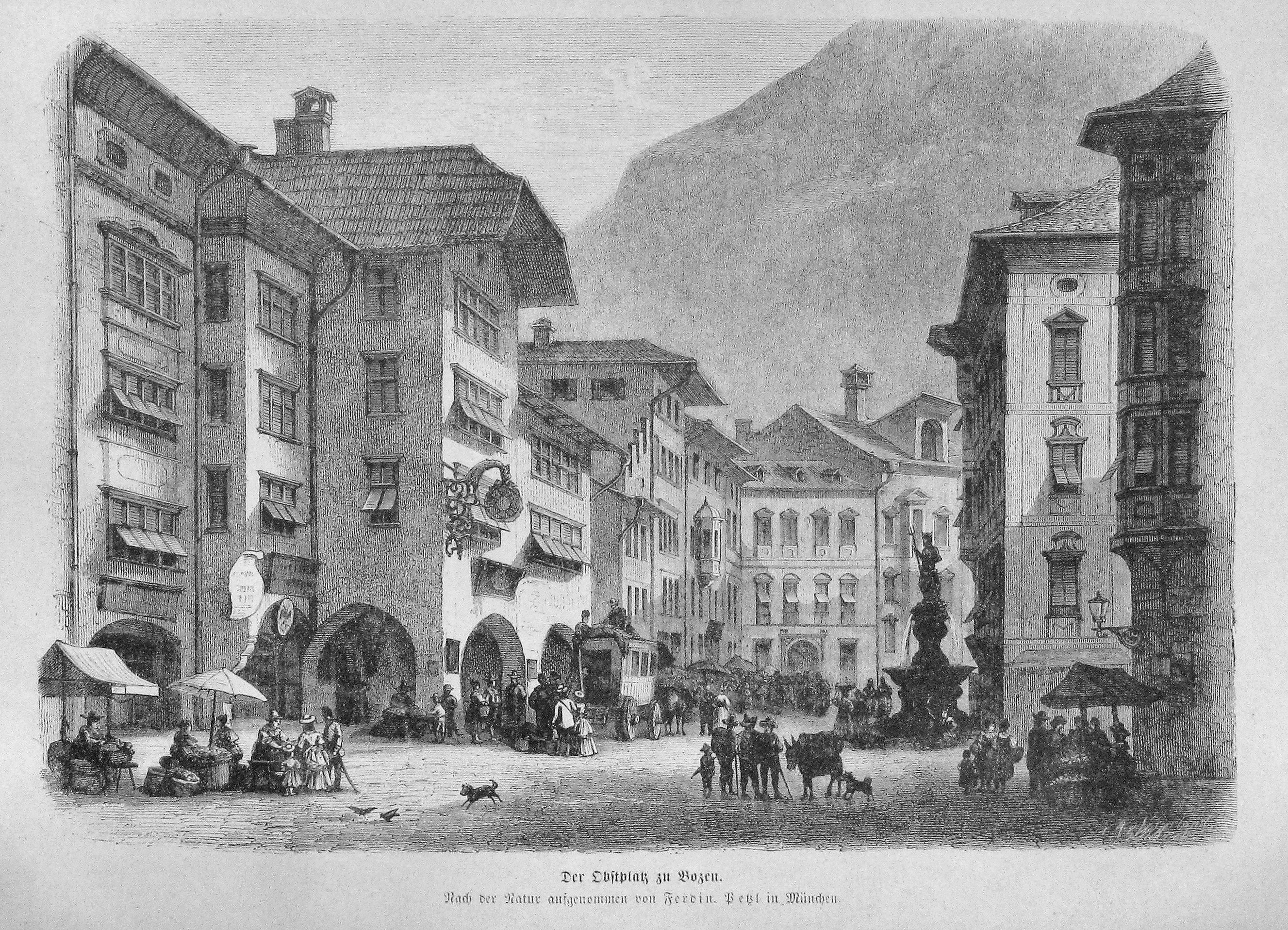
A Brief History of Secret Knowledge
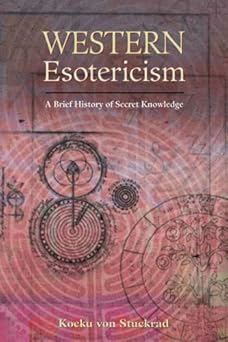
Routledge, 2005
Back cover:
A controversial issue of public debate during the recent years, esotericism can be described as the search for an absolute but hidden knowledge that people claim to access through mystical vision, the mediation of higher beings, or personal experience. In Western cultural history these claims often led to conflicts with more established forms of scriptural religions and with reductionist interpretations in science and philosophy.
In this highly readable book Kocku von Stuckrad describes the impact of esoteric currents from antiquity to the present and pursues the continuities and breaks in a tradition that significantly influenced the formation of modernity. When Hermes Trismegistos reveals wisdom of an absolute quality, the unveiling of hidden knowledge in Jewish Kabbalah is transformed by Christians, Renaissance thinkers speak of an ‘eternal philosophy,’ or when in the ‘New Age’ people try to get in contact with a source of superior understanding – in every case the dynamic of concealment and revelation is at stake and the ways this hidden knowledge can be made accessible for human curiosity.
About the Author:
Kocku von Stuckrad teaches at the Institute for the History of Hermetic Philosophy at the University of Amsterdam. Previously he was a professor of religious studies at the University of Bayreuth. His most recent work includes History of Western Astrology (published by C.H. Beck in German, 2003, and by Equinox in English, 2005) and Einfuhrung in die Religionswissenschaft (Introduction to the Science of Religion) with Hans G. Kippenberg published in 2003 in German by C.H. Beck.
Ernst Hähnel & Jacob Daniel Burgschmiet: Beethoven-Denkmal, Bonn
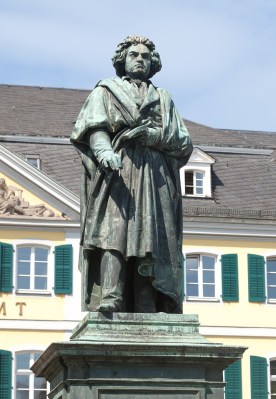
Photo: © Thomas Wolf, www.foto-tw.de
“Melodin kommer från sista satsen i Beethovens nionde symfoni från 1823, där han tonsatte Friedrich von Schillers ‘Hymn till glädjen’ från 1785.
Hymnen symboliserar inte bara EU utan hela Europa. I ‘Hymn till glädjen’ uttrycker Schiller sin vision om mänsklighetens förbrödring – en vision som Beethoven delade.
År 1972 antog Europarådet Beethovens tonsättning av ‘Hymn till glädjen’ som sin hymn. År 1985 antog EU:s stats- och regeringschefer den som EU:s officiella hymn. På musikens universella och ordlösa språk uttrycker hymnen EU:s ideal om frihet, fred och solidaritet.
Europahymnen ersätter inte ländernas nationalsånger. Tanken är i stället att hylla de värden länderna delar.
Hymnen framförs av European Union Youth Wind Orchestra under ledning av André Reichling. Inspelningen är från Teatro da Trindade i Lissabon 1994. Musikaliskt arrangemang av Herbert von Karajan.”
europa.eu JOB:s kursiv.

 Jan Olof Bengtsson