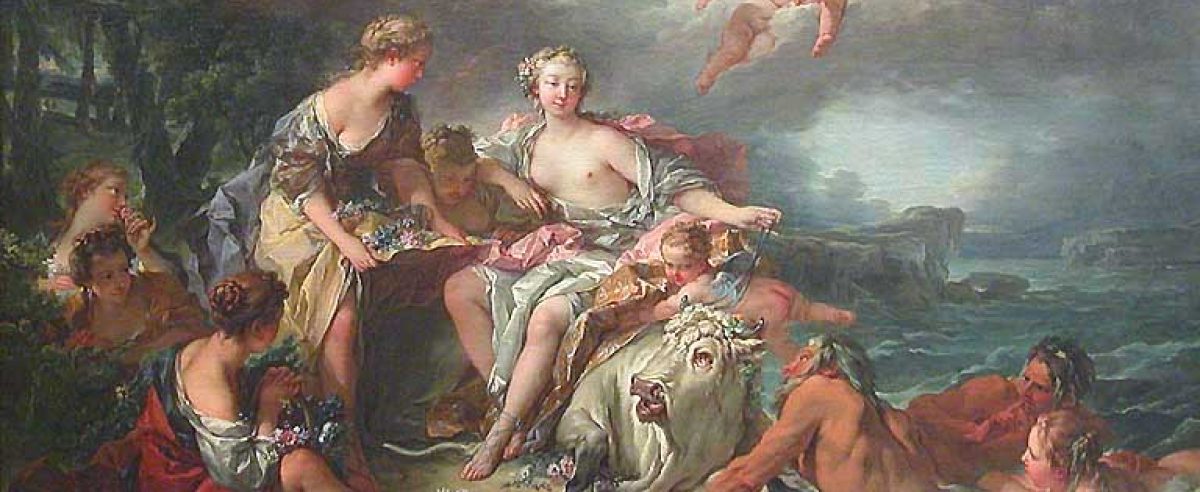
I want to extend my warmest thanks to all sixty-one participants, presenting as well as non-presenting, for your contributions to this year’s International Conference on Persons. It was a pleasure to receive you at Lund. Together, you made the event a success.
Most of all, my co-organizer, Randall E. Auxier of Southern Illinois University Carbondale, the current editor of the Library of Living Philosophers, deserves credit for making this a memorable conference.
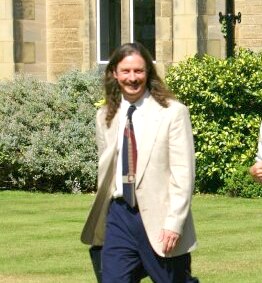
Special mention must also be made of our wonderful conference assistant Rebecka Klette, a promising student in our department of the History of Ideas, who took care of the welcome reception, the coffee breaks, and much else; without her, the meeting would not have been possible.

My friend and colleague Jonas Hansson also set aside much time and energy to see to that everything ran smoothly.
A number of partners or accompanying persons who attended the conference dinner and in some cases a few of the sessions also contributed to the event.
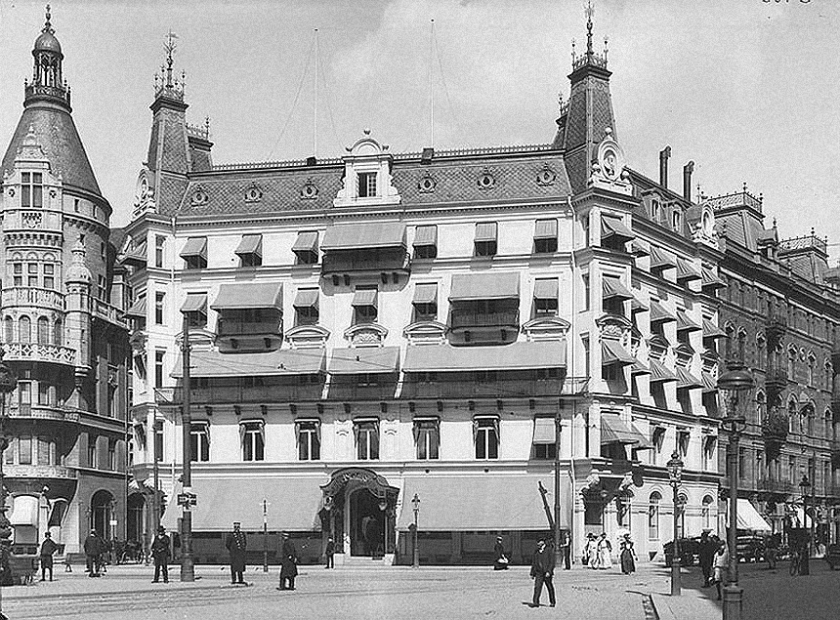
My thanks go, finally, to Kungliga Humanistiska Vetenskapssamfundet i Lund; to Prof. Marianne Thormählen; to Prof. Thomas Kaiserfeld, Christel Anderberg, Kristiina Savin, Karin Salomonsson, and Susann Roos in the department of Arts and Cultural Sciences; to MediaTryck; and to the staff of Hotel Concordia and of the Grand Hotel.
I, Randy, Tom Buford and other past organizers of the ICP whom you met hope we will get an opportunity to see you all again at future ICPs.
At least two prominent publishers have expressed an interest in publishing the proceedings in book form; we will come back to you with information about this as soon as possible.
–
Read more about the 12th International Conference on Persons under Uncategorized or on the conference website.
 Huvudsyftet med denna skrift är att sätta in den västerländska humanismen i ett större historiskt sammanhang och därmed söka belysa dess egenart och dess situation i dagens läge. Den bäres upp av den övertygelsen, att den humanistiska kulturtraditionen, sådan denna utformats i främsta rummet genom en syntes av det antika arvet med kristendomen, är den stora linjen i vår kultur, på vars bestånd och livskraft hela dess framtid beror. Någon “humanismens historia” vill boken däremot icke vara. Jag har i den del, som jag kallat “historiska perspektiv”, blott dröjt vid de andliga makter, som jag anser mer än andra ha byggt upp den västerländska humanismen, men förbigår mycket, som i en sådan historik borde haft sin givna plats. Större uppmärksamhet skulle jag ha velat ägna den svenska humanismen, ty ehuru den naturligtvis är blott ett skott på den allmänna västerländska humanismens vittförgrenade träd, företer den likväl vissa bestämda och karaktäristiska drag. Men en särskild framställning av den skulle ha sprängt skriftens ram.




 Olle Bengtsson