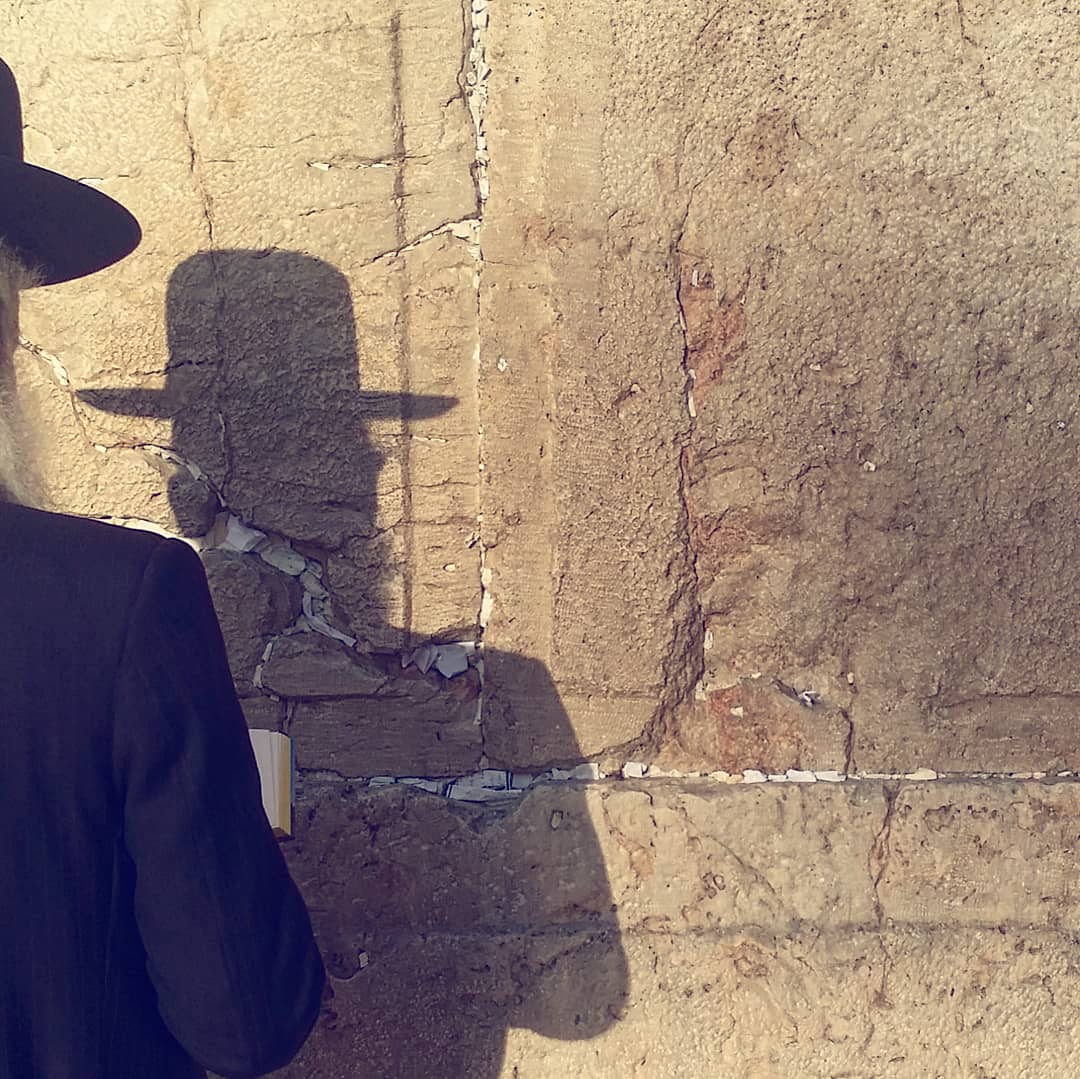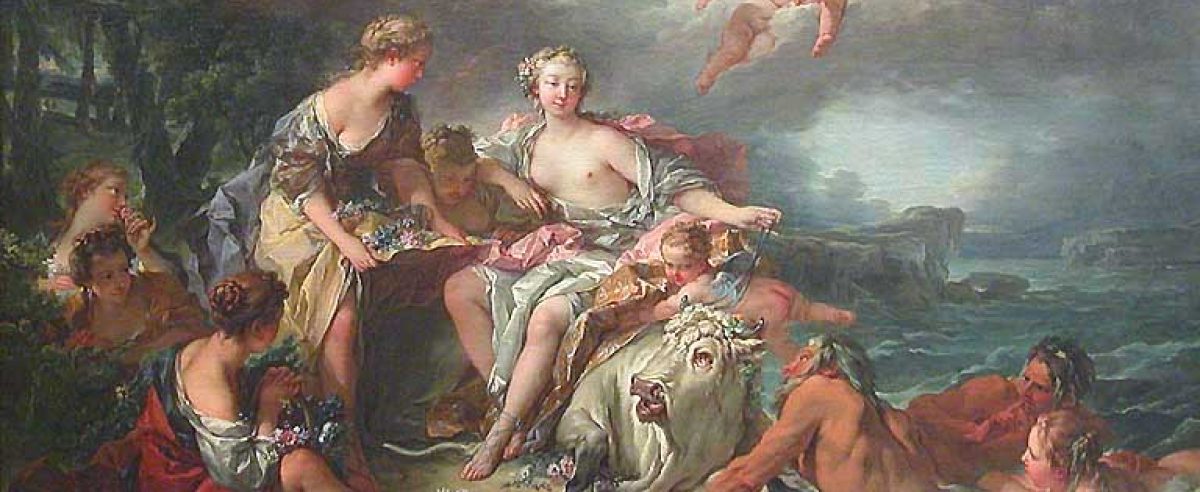
På måndag den 7:e februari 17.00 talar Tomas Lindbom om sin far Tage Lindbom med filosofen Bengt Kristensson Uggla i Mikaelskapellet på Karlbergsvägen 64 i Stockholm, i ett arrangemang av Svenska Kyrkan. Tomas Lindbom gav förra året ut den ypperliga biografin över sin far, I otakt med tidsandan, som jag skrev om här. Missa inte detta evenemang!
Category: Spirituality
Rosenberg, Ruin och Ehrenpreis
Göran Rosenberg samtalar med Hans Ruin om sin nya bok Rabbi Marcus Ehrenpreis obesvarade kärlek vid ett utmärkt evenemang arrangerat av Judisk kultur i Sverige. Jag kände bara till Ehrenpreis från den judiska hylla som tidigare – vid det här laget för ganska länge sedan – fanns i källaren på Rönnells antikvariat, en bit in i den mindre avdelningen till höger när man kom ner för trappan, och det är mycket intressant att Rosenberg nu lyft fram honom.
Det här är verkligen Rosenberg när han är som bäst. Det är han inte alltid i sina mer dagspolitiska kommentarer, även om han också i dem, i några frågor, kan vara det, kan uppvisa en stark och ovanlig självständighet. Alltför ofta motsvarar han där den vanliga typ av judisk radikal, med dess historiskt-psykologiskt begripliga men från mitt perspektiv likafullt problematiska uppsättning åsikter, som Jonathan Leman otroligt nog påstår att det varit ett uttryck för antisemitism från min sida att kort diskutera. Liksom i Det förlorade landet skriver Rosenberg i den nya boken om det som djupast angår honom. Här handlar det om många av de verkligt viktiga frågorna om judendomen och moderniteten, och om mycket av det jag uppfattar som av betydelse i den judiska traditionen i allmänhet. Rosenbergs urskillning och identifikation av det väsentliga, hans omdömen och ställningstaganden, framstår som lika säkra och träffande som någonsin. Det är bara de direkta och indirekta tillämpningarna av på olika konkreta politiska frågor i nuet som ibland blir felaktiga.
Tonvikten får väl sägas även här ligga på det kulturella, humanistiska, historiska och politiska snarare än det andliga “i sig”, i mer metafysisk-teologisk och exempelvis “mystik” innehållslig mening. Men givetvis finns det senare också med – måste det finnas med – i någon mån också för Rosenbergs fokus på de förra områdena; det handlar om en sammanhängande helhet.
Intressant är också att Heidegger- och Nietzschekännaren Ruin berättar att han just varit på ett kollokvium i Venedig organiserat av Elad Lapidot, där man läst Talmud-texter. Den fråga som inställer sig här är kanske vilka texter som lästes. Lapidot har skrivit om Heidegger i förhållande till judiskt tänkande. “Mystiken” finns förvisso också i någon mån representerad i Talmud, men det är knappast dess huvudsakliga innehåll. För Ruin verkar det intressanta vara endast det blotta faktum att man i största allmänhet läste vissa texter ur Talmud. Tankarna går till en allmän hermeneutisk situation med traditionalistisk tonvikt, involverande en distinkt historisk texttradering.
Men hur förhåller sig Ruin mer exakt till det distinkt religiösa och andliga innehållet i Talmud, det som bygger på ett specifikt metafysiskt innehåll (i en annan mening än Heideggers)? Detta innehåll är visserligen inom judendomen i exceptionell grad öppet för olika tolkningar; det viktiga i den judiska identiteten brukar ibland anses vara själva den praktiska efterlevnaden, även alldeles oavsett trosinnehåll, av de lagmässiga föreskrifter som den i Talmud uttryckta rabbinska huvudtraditionen till skillnad från både kabbalismen och även chassidismen framför allt handlar om.
Givetvis finns filosofiska och i synnerhet etisk-humanistiska dimensioner även av detta förhållningssätt. Men inte heller i detta sammanhang går det att helt komma bort från det teologiska och “mystika” innehållet såsom faktiskt involverande en lära om gudvaron; även Ehrenpreis ägnade sig i sin tidiga vetenskaplig forskning åt kabbalismen. Och redan ifråga om etiken, men ännu mer här, finns ju en motsättning mellan Talmud i vidaste mening och centrala aspekter av Heidegger, och förstås även Nietzsche, ett annat av Ruins filosofiska intressen (och väl inte bara för att det var ett av Heideggers), även om den för alltfler tycks bli oklar på grund av den ställning dessa tänkare kommit att inta i samtiden.
Betyder Ruins nya intresse för den judiska traditionen att han nu själv kommer skriva mer om detta? Skriva mer om “mystiken” överhuvudtaget? Det skulle i så fall kunna ge intressanta resultat. Han har ju redan flera gånger berört “mystiken”, om än bara utifrån just en heideggerianskt perspektiv, och reducerande den till detta. Man önskar en vidareutveckling och fördjupning av formuleringarna i hans viktiga uppsats ‘Det öppnas hemlighet’ i samlingen Frihet, ändlighet och historicitet från 2013), och framför allt, vill jag föreslå, ett komparativt, kompletterande korrektiv som tillåter en större precision. Ett karaktäristiskt stycke som det följande, om Eckhart, gör att behovet av det senare känns akut:
“I vårt försök att förstå innebörden och egenarten hos denna själsliga praktik, denna övning eller askes i dess ursprungliga mening, kan vi välja att rikta blicken mot målet för dess strävan, nämligen Guds väsen och människans förening med detta. Övningen förstås då som bestämd av tron på en övermänsklig makt, vilket också i viss mån binder dess innebörd till en metafysisk föreställning. Men vi kan också dröja vid vad vi med en mer modern terminologi kan tala om som dess faktiska existentiella situation och erfarenhet. Vi kan då skönja hur Eckehart snarare söker en ny form av subjektivitet, i vilken förhållandet till självet, såsom subjektivitetens kärna, aktivt modifieras. Detta själv-övergivande präglas av en friare mottaglighet som uppnås genom att människan lösgör sig från sitt begär till det varande i allmänhet och till det egna självet i synnerhet.”
Tolkningen eller betoningen av denna punkt hos Eckhart leder tyvärr bl.a. till en upprepning av den exoteriska kyrkteologins vanliga hållning rörande Människan och hennes Värld som i dess moderna, liberaliserade, humanitarianska version blivit till föga mer än plattityder:
“Helt avgörande för en förståelse av detta som en konkret själslig praktik är…att i detta släppande, i denna avskildhet och frisläppthet, förlorar människan inte sin värld, och inte heller lämnar hon den bakom sig. Tvärtom utgör den på samma gång en förberedelse för handling och aktivitet, för ett engagemang i skapelsen, som en grund för andra dygder, som ödmjukhet, barmhärtighet och kärlek.”
Men Ruin har alla förutsättningar att på rätt sätt justera och utveckla detta. Med sin kontinentaleuropeiska orientering har han länge varit en av våra mest intressanta filosofer, och tillsammans med sina kolleger på Södertörn har han gjort en fenomenal (höll jag på att säga) insats för fenomenologin och till den anknytande riktningar i Sverige. Hans seminarium är mig veterligen det enda där det ibland talas andra europeiska språk än svenska och engelska. Det hindrar förstås inte att denna filosofi från mitt perspektiv i några avseenden framstår som otillräcklig, givet hur djupt och ensidigt inbäddad i generellt problematiska aspekter av moderniteten även den under 1900-talet delvis varit, oaktat dess avgörande nya insikter.
Någon gång måste man börja gå utöver Heidegger, efter att ha tillägnat sig honom. För att inte tala om Nietzsche. Ruin har rätt i att, som det heter i hans nya samling essäer om denne, det “kräver tid och omsorg” att “verkligen bli en läsare, som kan följa den säregna rörelsen och rytmen i hans tanke”, och det är just förmågan att vara en sådan läsare, att förmedla en sådan läsning, som gör även Ruins Nietzschestudier värdefulla. Men det hindrar inte att i övrigt intresset för Nietzsches tänkande hos många fortfarande alltför ofta framstår som närmast pubertalt.
Förlagsreklamen annonserar det bjärt modernistiska innehåll som kulturradikaler, protofascister och ett visst slags reaktionärer på Strindbergs tid, innan man upptäckte sådana subtiliteter som den säregna rörelsen och rytmen som sådana, och även innan man – och inte minst vänstern – närmare började tränga in i hans “analys av nihilismen” och hans “radikala språk- och kunskapskritik”, fann så oemotståndligt fascinerande: Nietzsches “uppgörelse med religion och idealistiskt moraltänkande” (inklusive hans “blixtrande analyser inte minst av moralpsykologiska fenomen”) och hans “tankar om ett estetiskt rättfärdigande av världen”, som “sätter agendan för många av det efterföljande århundradets mest radikala intellektuella och konstnärliga experiment”. Allt blir tillsammans och urskillningslöst “en port in mot den moderna kulturens mest uppfordrande självförståelse”.
Jayne Svennungsson har fokuserat på den “teologiska vändningen” i fenomenologin och visat hur linjen från Nietzsche och Heidegger till postmodernismen och Derrida varit relevanta för teologin, religionen och “guds återkomst”, och en mestadels Södertörn-anknuten grupp filosofer har följt upp med en volym med titeln Om anden: Filosofiska perspektiv på ande och andlighet, redigerad av Paula Hämäläinen-Karlström. Det är i flera avseenden utmärkt, ett stort framsteg. Men det måste insisteras på problemen med inslagen av ren filosofistik åtminstone i början (Nietzsche) och slutet (Derrida) av denna linje. En förståelse av den moderna kulturen som är än mer uppfordrande är nödvändig. En som inte bara är en självförståelse, utan kräver att vi i vissa avseenden går utöver eller åtminstone förmår se utöver och bortom inte bara modernitetens horisont (givetvis inklusive postmodernitetens) utan även den grekiska och hela västerlandets. Och som förmår se problemen även med den moderna linje som de nämnda filosoferna i Sverige representerar.
Att den återkomne gudens religion måste vara kroppsligt-sinnligt-Mänsklig i linje med en distinkt samtida sensibilitet är fundamentalt för Svennungsson, i överensstämmelse med en sedan länge etablerad och väl i just fransk fenomenologi särskilt markerad linje. Och i Ruins bidrag till Andlighet, ‘Andens oro – pneumatologi hos Heidegger, Paulus och Kierkegaard’, beskriver och analyserar han, med utgångspunkt i Heideggers tolkning, Paulus’ “pneumatologi” på ett sätt som i sak helt överensstämmer med min förståelse av Paulus (ande är något vi har, framhåller han, inte något vi är, d.v.s. vi är, och kommer alltid uteslutande förbli, det psykofysiska Mänskliga komplexet, som bara kan motta anden av guds nåd och endast såtillvida förandligas, som ett slags komplement eller justering, frälsningen från synden som det hette förr men inte i dagens fenomenologi), även om han fokuserar på andra aspekter.
Detta är alltså en symptomatisk begränsning av Ruins förståelse av andligheten. Fokus ligger på vad som också är ett centralt led i Paulus’ bidrag till kristendomens exoterisering och institutionalisering som Religion och statligt-världsligt makt- och kontrollorgan, dess rörelse bort från den ontoandliga transendensorientering vi kan känna igen i flera Jesuslogier och som västerlandet, just p.g.a. den allmänna men i ett större perspektiv särpräglade abrahamismens exoteriska ortodoxi kommit att uppfatta som exklusivt esoterisk. Ruin bemödar sig med Heidegger att komma bort från de esoteriska och “mystika” implikationer enligt vilka ande är något vi är, för den händelse de skulle kunna anas t.o.m. hos Paulus.
Kanske kan Ehrenpreis på samma sätt som han gjort med Rosenberg leda Ruin till åtminstone vissa nya horisonter, nu när denne tillräckligt dokumenterat sina intressen alltsedan 70-talet och bidragit till både Heidegger- och Nietzschestudiet med substantiella och självständiga uppsatssamlingar. Men för att verkligen komma fram till de perspektiv jag skulle vilja se representerade tror jag en större komparativ öppning är central för denna horisontvidgning.
För risken finns väl att även den kabbalism Ehrenpreis studerade, fastän representerande den judiska esoteriken, i någon mån är präglad av begränsningar motsvarande Ruins och Heideggers paulinism. Liksom platonismen trots sina explicita filosofiska öppningar oftast förblivit bunden till det allmänna paideia-idealets humanism (i vad som kanske kan sägas vara alla dess återkommande, förnyade och varierade former av “nyklassicism” genom västerlandets historia) i betydelsen kvarstannande på den psykofysiska Mänskliga identifikationens plan, endast väglett av idéernas ideal, s.a.s, har ju all abrahamitisk esoterism och mystik – judisk såväl som kristen och islamisk – alltid varit hårt trängd av den överväldigande, primitiva exoterismens tunga, mörka, residualmytologiska literalism.
Inom judendomen ser vi idag exempelvis i den inflytelserike, Schneersonstödde chabadisten Yitzchak Ginsburghs syntetiserande konstruktion av kabbalismen, chassidismen och sionismen (och förstås icke särskilt tematiserat allmängods från den vanliga, rabbinsk-talmudistiska traditionen) hur han, i Israel ansedd som en av landets mest rasistiska rabbiner, rentav blir som mest rasistisk när han kommer in på de allra mest specifikt esoteriska områdena. Ginsburgh ger ett intressant exempel på hur rasismen kan precist grundas i dessa traditioner och lärosystem, och utmärker sig genom att tillhandahålla ett program för global, partiell judisk mission till “nationerna” i form av noakidismen, den begränsade uppsättning lagar som de förväntas följa i den kommande – och slutligen messianska – ordningen, där hela världen är centrerad kring och underordnad Jerusalem och dess återuppbyggda tempel.
I Rosenberg äger vi dock en åtminstone i mycket klarsynt kritiker av sionismens problematiska teoretiska grunder.
Rosenberg, demokratin och minoriteterna
Rosenberg och folket
SD och Likud
Arthur Versluis: American Transcendentalism and Asian Religions
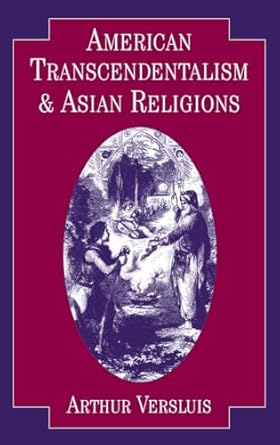
Oxford University Press, 1993
Publisher’s description:
The first major study since the 1930s of the relationship between American Transcendentalism and Asian religions, and the first comprehensive work to include post-Civil War Transcendentalists like Samuel Johnson, this book is encyclopedic in scope. Beginning with the inception of Transcendentalist Orientalism in Europe, Versluis covers the entire history of American Transcendentalism into the twentieth century, and the profound influence of Orientalism on the movement–including its analogues and influences in world religious dialogue. He examines what he calls “positive Orientalism,” which recognizes the value and perennial truths in Asian religions and cultures, not only in the writings of major figures like Thoreau and Emerson, but also in contemporary popular magazines. Versluis’s exploration of the impact of Transcendentalism on the twentieth-century study of comparative religions has ramifications for the study of religious history, comparative religion, literature, politics, history, and art history.
From the Back cover:
Transcendentalism is well-known as a peculiarly American philosophical and religious movement. Less well-known is the extent to which such famous Transcendentalists as Ralph Waldo Emerson and Henry David Thoreau drew on religions of Asia for their inspiration. Arthur Versluis offers a comprehensive study of the relationship between the American Transcendentalists and Asian religions. He argues that an influx of new information about these religions shook nineteenth-century American religious consciousness to the core. With the publication of ever more material on Buddhism, Hinduism, and Taoism, the Judeo-Christian tradition was inevitably placed as just one among a number of religious traditions. Fundamentalists and conservatives denounced this influx as a threat, but the Transcendentalists embraced it, poring over the sacred books of Asia to extract ethical injunctions, admonitions to self-transcendence, myths taken to support Christian doctrines, and manifestations of a supposed coming universal religion. The first major study of this relationship since the 1930s, American Transcendentalism and Asian Religions is also the first to consider the post-Civil War Transcendentalists, such as Samuel Johnson and William Rounseville Alger. Examining the entire range of American Transcendentalism, Versluis’s study extends from the beginnings of Transcendentalist Orientalism in Europe to its continuing impact on twentieth-century American culture. This exhaustive and enlightening work sheds important new light on the history of religion in America, comparative religion, and nineteenth-century American literature and popular culture.
Reviews:
“A major scholarly study of the importance of oriental thought on the group of Americans known as the Transcendentalists. It is a study that shows wide and deep reading in comparative religion and philosophy, and it greatly enlightens us with regard to how Hindu and Buddhist ideas came to shape the work of many intellectual thinkers.”
Philip F. Gura, University of North Carolina, Chapel Hill
“This exhaustive and enlightening work sheds important new light on the history of religion in America, comparative religion, and nineteenth-century American literature and popular culture.”
American Renaissance Literary Report
“A major scholarly study well worth the attention of all students of American religion and culture…An important contribution to our understanding of nineteenth-century American culture and the history of American literature and religion.”
Crisis
“Versluis provides rich readings and fresh insights…The book not only contributes to conversations about American religious history, but it also indirectly raises issues of common concern to all who interpret religion.”
The Journal of Religion
“The book covers far more than Thoreau…There is much material that is entirely new to me, at least, and I find it extremely interesting.”
The Thoreau Society
Julius Evola: The Mask and Face of Contemporary Spiritualism
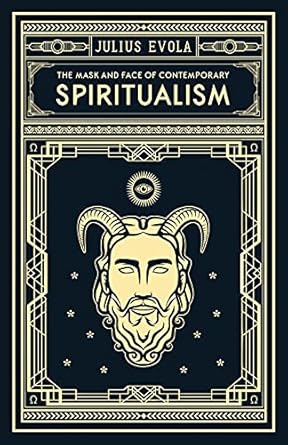
Arktos, 2018 (Maschera e volto dello spiritualismo contemporaneo, 1932)
From the Back cover:
A survey of the present currents in esoteric studies, and an unmasking of their true relation to Traditional spiritualism, The Mask and Face of Contemporary Spiritualism is a guidebook for the spiritual seeker through the bewildering labyrinth of disciplines and dead-ends of contemporary spirituality.
Julius Evola, one of the foremost Traditionalists of the past century, brings his inimitable analysis to everything from spiritism and anthroposophy to Satanism and Catholicism, tackling as he goes Freudianism, Nietzscheanism, the fiction of Dostoevsky, and figures as diverse as Aleister Crowley, Rudolf Steiner and Anton LaVey. At once metaphysical and practical, this book offers the priceless perspective of an author who dedicated decades to his own profound investigations into the “supersensible,” culminating in a thorough critique of contemporary spiritualism – and a masterful revelation of higher teachings.
Biografi över Tage Lindbom
Tage Lindboms son, Frankrikekännaren Tomas Lindbom, har på egna förlaget Tomas Lindbom Relation publicerat en “personlig biografi” över sin far, I otakt med tidsandan. Den är utmärkt välskriven, med stor förståelse för faderns tänkande, dess bakgrund och dess relevans (som sonen framhåller är mer uppenbar idag än tidigare), och med omsorgsfullt och skarpt återgivna händelser och detaljer av alla slag.

Ingen annan skulle ha kunnat ge denna rundmålning av Lindboms hela sociala och kulturella värld. Boken är oavbrutet fascinerande, på ett sätt som inte störs av ens de kortaste svagare och mer likgiltiga partier.
Tage Lindbom var en av Sveriges viktigaste tänkare, och bokens utgivning är i sig en händelse. Rimligen kommer den också åtföljas av något offentligt releaseevenemang. För min del blir det givetvis nödvändigt att återkomma till den.
I samband med biografin publicerar Tomas Lindbom också nya upplagor av två av faderns viktigaste böcker, Efter Atlantis (1951) och Sancho Panzas väderkvarnar (1962). Alla titlarna kan beställas på www.tagelindbom.se.
Bubba Free John: Breath and Name
The Initiation and Foundation Practices of Free Spiritual Life
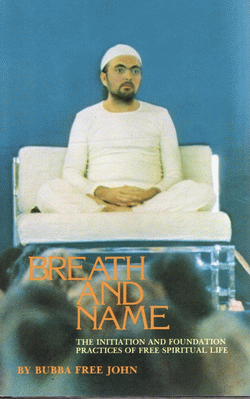
The Dawn Horse Press, 1977
All the ancient traditions agree that the most sublime possibility for any human being is a direct relationship to a living Spiritual Master.
Bubba Free John is such a Master, a Western-born man of God-Realization. His original Teaching, the Way of Divine Ignorance, or Radical Understanding, revives and fulfills the great spiritual expression initiated by Jesus, Gautama, and Krishna in ancient times. The Way itself is uniquely accessible to modern men and women. To all who truly hear his liberating argument and prepare themselves as he recommends, Bubba Free John offers himself in relationship as Divine Master, the transforming function of God.
Breath and Name communicates the Way of Divine Communion, the first stage of practice in the Way of Divine Ignorance. This Way is a path of preparation of body, emotions, and mind for higher or more radical spiritual practice. But as indicated in the introduction and Part I, even this level of practice is priorly enlightened, intelligent, and free of childish and adolescent habits and illusions.
Part II is the heart of the book. Here Bubba presents the dynamic principles of devotion, sacrifice, and dependence on Grace. He shows how the practice of ordinary life-discipline as intentional service to the Spiritual Master and all living beings leads naturally into simple but profound enjoyment of specific spiritual disciplines which he has called the Breath of God and the Name of God. The foundation of the whole Way of spiritual awakening is heart-felt Communion with God as all-pervading Presence, which is Gracefully and spontaneously initiated in the Company of the Spiritual Master.
Even by reading these essays, you may come to enjoy a more intelligent and illumined approach to ordinary life. But the Way itself remains to be realized in practice. Part III of Breath and Name is an instructive commentary on the practical and spiritual disciplines. And the book closes with an invitation to all readers to take up this Way themselves, and make the transition from the usual, deluded, mortal destiny to the purifying fire of life in God.
Isaac Luria

Kusum Sarovar, Govardhan

Foto: Willy Pfändtner
Det tycks ofta vara svårt att fotografera Indien. Platser av historiskt och i synnerhet andligt intresse förefaller i allmänhet så fyllda av människor att övrigt innehåll i motivet inte fullt kommer till sin rätt. Man måste exempelvis göra ganska skarpa avgränsningar till delar av arkitekturen. I vissa miljöer och interiörer blir vad många uppfattar som basar- och kitschestetiken ofta ett problem. Av dessa skäl verkar det svårt att fånga något slags visuella motsvarigheter till de stora djupen och perspektiven i Indiens andliga tradition, och de distinkta värdena i dess historiska kultur som är förbundna med dessa. Här har dock Pfändtner lyckats väl. Den enda svagheten hos denna bild är att ingenting syns av vattnet.
Saraswati

Photo: Willy Pfändtner
The Western Wall