Filosofin har ärvt termen person närmast från teologin, och Benjamin framhåller hur den givit den en betydelse som knappast varit av någon betydelse för det vanliga språkbruket. [Notion de personne et personnalisme chrétien (1971), 14.] Den teologiska diskussionen om personbegreppet hade handlat om Gudpersonerna, och i perspektivet av dessa diskussioner förblev det, trots att begreppet historiskt överförts från det mänskliga till det gudiga planet, länge oklart huruvida personskap tillkom människan.
När detta sedermera medgavs, blev det istället oklart vad det innebar. I vilka avseenden är människans personskap av samma slag som det man ansåg sig kunna tillskriva Gud, d.v.s. något annat än den förkristna antikens dramatiska, sociala och grammatiska roll? Dessa gamla betydeler fortlevde oberoende av de teologiska striderna, men de senare hade infört helt nya betydelsedimensioner och frågeställningar. I vilka avseenden är människans personskap olikt Guds? Det blev en allmänfilosofisk fråga, som i det historiska sammanhang vi här befinner oss i till stor del kom att förstås utifrån de definitioner som givits i de trinitariska och kristologiska striderna.
Vi har sett hur den platonska själen var av förnuftig natur, νούς-natur (om än – jag har hållit mig till ett vagt språkbruk som inte är tillräckligt för en förståelse av den klassiska idealismens själsbegrepp som sådant, men kanske för diskussionen av personbegreppet – i vissa varianter av dess utformning också sinnlig). När det kristna tänkandet bestämde människan som förnuftig, företogs de nödvändiga modifikationerna i förhållande till den grekiska filosofin. Det var här fråga om en rent mänsklig, skapad förnuftig natur, och det var om den varelse som konstitutivt bestämdes av den så förstådda förnuftigheten som ordet person nu också började användas. Även som åter tillämpat på denna nivå släpade ordet med sig de äldre, förkristna konnotationerna. Men förnuftsnaturen ansågs nu som det s.a.s. generellt personkonstituerande.
Ett av argumenten mot gnostikerna, framfört bland annat av Tertullianus, var att människan inte kunde vinna frälsning om inte Kristus hade delat den mänskliga naturen. Detta är i sig ett märkligt argument, och det bygger på bibelns originella, ultraexoteriska grundmytologi om Människan med stort M och som restlöst Skapad Varelse som därför Som Sådan måste Frälsas – med de oundvikligen åtföljande eskatologiska fantasmagorierna om vad en sådan Frälsning innebär.
Vidare gav också det redan av Apollinaris accepterade förhållandet att även människan på grund av sin förnuftsnatur kunde betecknas som person upphov till en stor del av de kristologiska problemen. Daniélou hävdar som vi sett att när det fastslogs att Kristus inte med sin mänskliga natur ägde mänsklig personlighet, detta tydde på att man principiellt åtskilt det på såväl människor som Gud tillämpbara personbegreppet från all natur. Det är alltså den typen av tolkning jag inte förstår. Såvitt jag kan se måste det i stället ha inneburit (1) att man inte ansåg personskap vara givet blott med den mänskliga förnuftiga naturen, och att det personskap som eventuellt tillkom människan genom någon annan konstitutiv eller förvärvad bestämning upphävdes när λόγος/Sonen/Kristus med sin den gudiga naturen tillhörande person antog denna mänskliga natur, eller (2) att den förnuftiga naturen betraktades som personkonstituerande hos människan, som enligt den bibliska och nya dogmatiska synen inte var förenad med någon gudig natur, men att när denna mänskliga förnuftsnatur förenades med den gudiga naturen och dess person, den icke längre var personkonstituerande, att den då på något sätt förlorade sin personkonstituerande natur.
Det förefaller mig också vara dessa tolkningar, icke Daniélous, som återkommer under medeltiden. Att λόγος/Sonens mänskliga natur inte medför mänsklig person, innebär därför varken enligt tolkning 2 eller ens nödvändigtvis genom tolkning 1 något “bakslag” i processen av människans återvärvande av personskap, d.v.s. för tillämpningen av personbegreppet på människan i en ny mening än den antika efter det att det börjat användas i teologin. Men det innebär att det personbegrepp som används om människan är ett annat än det som används om Gud/Gudpersonerna såtillvida som människans person konstitueras av mänsklig förnuftig natur, Guds person av gudig förnuftig natur.
Som vi sett hade lärorna om människan som Guds avbild och om den individuella försynen med kristendomens – och tidigare även judendomens – spridning fått till följd en ny, högre värdering av människan. Om försynsläran medförde en högre värdering av det individuellt mänskliga, innebar Gudsavbildlighetsläran också en högre värdering av det allmänt mänskliga.
Till exemplen på den högre värderingen hör den gradvis förändrade synen på slaveriet. Daniélou hävdar att de kristna endast långsamt blev medvetna om innebörden av sin nya tro och om dess konsekvenser på skilda områden. Man tog inte omedelbart avstånd från slaveriet: först gradvis börjar man uppleva hur det strider mot den egna läran om alla människors likvärdighet i det yttersta perspektivet, inför Gud. Gregorius av Nyssa utbrister plötsligt att det är ett uppror mot Gud att tro sig vara herre över en annan skapad varelse av samma natur. Hur har man kunnat köpa slavarna? Vad i världen skulle kunna vara lika mycket värt som en människa? Vilket pris har man satt på anden? [‘La personne chez les pères grecs’, i I Meyerson, ed, Problèmes de la personne (1973), 120.] Det var denna högre värdering av människan som Guds avbild som gjorde det möjligt att också med tiden uppställa den filosofiska definition av person som, då man fann den tillräckliga konstituerande principen i den förnuftiga naturen i en allmän mening, också gällde personer av mänsklig natur.
Boethius sammanfattar mycket i de hittillsvarande definitionerna, men förändrar och förtydligar även delvis de i dem ingående begreppen. Natur ligger för honom alltid till grund för substans, och substans alltid för person. Icke-natur och accidenser kan inte vara person. Vidare kan substanser för vilka icke-levande, icke-förnimmande, icke-förnuftig natur ligger till grund inte vara personer. Ej heller äger blott allmänbegreppsliga substanser, för vilka allmän natur ligger till grund, som exempelvis “människan”, personskap. Genom denna analys når Boethius sin klassiska definition: persona est rationalis naturae individua substantia (en förnuftig naturs individuella substans, en individuell substans av förnuftig natur). [Benjamin, 15; ‘Person’, Historisches Wörterbuch der Philosophie.]
Med kappadokierna vill Boethius nå ned till den individuella nivån – fastän han exemplifierar med Platon och Cicero istället för Paulus och Johannes. Om det kan synas som om kappadokierna icke nådde längre än Aristoteles, skulle det också kunna förefalla som om Boethius inte gick utöver kappadokierna. Men natur och substans åtskiljs av honom på ett sätt som inte skett i treenighetsläran, och uppfattningen av den individuella substansen, på basis av den som rationell preciserade naturen, tillåter så själva det begrepp som i treenighetsläran skildes från personbegreppet, substans, att istället som det främsta förklara detsamma. Dessutom är det här alltså fråga om en generell, principiell definition, d.v.s. Boethius låter allt detta förutom om Guds person(er) gälla också människans person.
Många fler komplexiteter och subtiliteter än de jag tagit upp finns i de trinitologiska och kristologiska lärornas terminologiska och begreppsliga utveckling, inte minst men långtifrån enbart sammanhängande med översättningarna mellan grekiska och latin. Ibland kan det rentav kännas som en hopplös röra, ja en bottenlös avgrund som p.g.a. alla mångtydigheter, betydelseförskjutningar och individuella termanvändningar överhuvudtaget inte är tillräckligt filosofiskt intressant och meningsfull för att djupare sjunka ned i. Kanske i alla fall, i stort, det jag försökt ta upp räcker för mina begränsade syften i samband med analysen av personbegreppets utveckling. Men helt kommer vi förstås inte kunna undvika alla dessa komplexiteter i den fortsatta framställningen.
 In the decades “between the wars” four notably articulate philosopher-theologians at Oxford defied the revival of realism and positivism ad denied the eclipse of philosophical idealism. They never consciously constituted a school; yet – under the influence of their common mentor John Alexander Smith – Clement C. J. Webb, R. G. Collingwood, and C. S. Lewis came to embrace certain convictions rooted in classical metaphysics and transmited to them by great teachers of the nineteenth century, especially Thomas Hill Green and Richard Nettleship. As James Patrick describes them, “These men also shared a time, the years between the wars; a place, Oxford, ‘towery city and branchy between towers’ in Hopkins’s words; and a college, Magdalen, its deer park circled by the Cherwell, its face dusty rom the traffic of the London road.” The intellectual influence for traditional metaphysics and Christian theology exerted by these scholars of Oxford lived on after 1945 in the eloquent apologetics of C. S. Lewis and in the mature work of others like Austin Farrer, T. S. Eliot, and Willmoore Kendall.
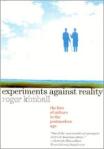 Is everything possible and nothing true? According to Roger Kimball, this belief, with its “mixture of gullibility and cynicism”, characterizes much of our modern culture. Thus his new collection of essays, Experiments Against Reality, is “largely a chronicle of spiritual disillusionment”. No one who is seriously concerned with the fate of our culture can afford to ignore it.
 As we stand on the brink of the third millennium, a large part of the human race may feel justified in a certain complacency. We are very much in thrall to the idea that history is moving forward in a desirable – or progressive – direction, and that overall in the world things are getting better. In After Progress, the philosopher Anthony O’Hear argues that we need to temper our optimism and self-assurance: that progress is not inevitable in any field, let alone over the whole canvas of human life and experience. He questions whether we are now on the brink of anything remarkable or worthy of comparison with the achievements of earlier ages, and suggests that in certain fields – religion, art, music, literature – we are clearly not.
