& Prinz Wilhelm
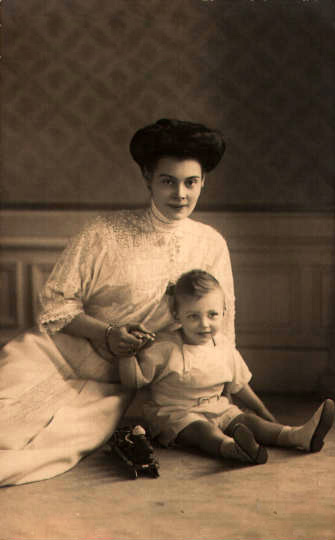
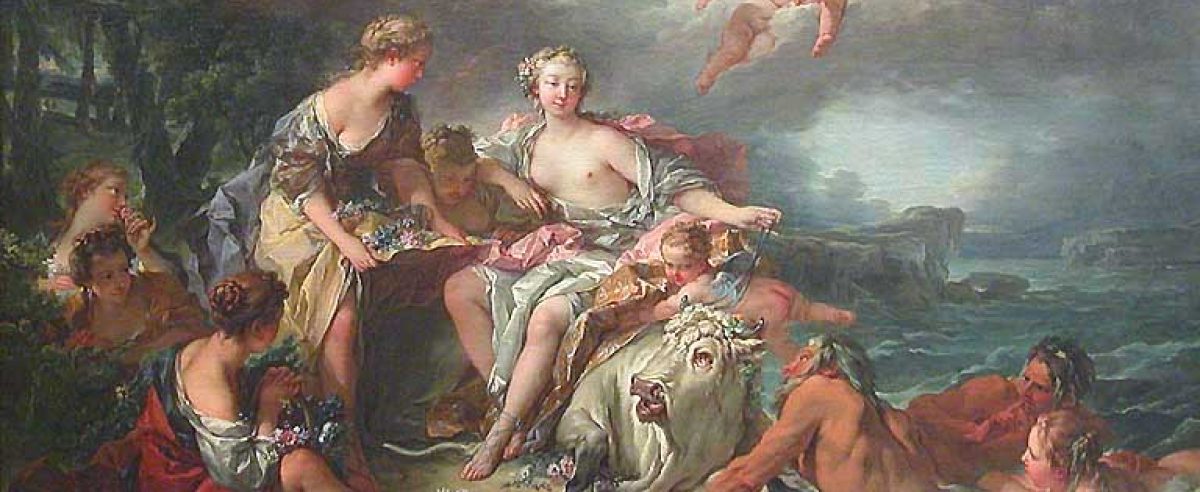
& Prinz Wilhelm
Teori i svensk idé- och lärdomshistoria, 1
Teori i svensk idé- och lärdomshistoria, 2
Teori i svensk idé- och lärdomshistoria, 3
Teori i svensk idé- och lärdomshistoria, 4
Teori i svensk idé- och lärdomshistoria, 5
Teori i svensk idé- och lärdomshistoria, 6
”Lindroth uttryckte en gång”, skriver Liedman, ”sin syn på forskning med orden att det gällde att ’huvudstupa kasta sig ner i ett hav av fakta’. Aspelin krävde snarare dykarklocka med en ordentlig vetenskaplig apparatur ombord.” Jag delar här Aspelins uppfattning som naturligtvis också är Liedmans, även om dykarklockan bör vara en annan och annorlunda utrustad än främst den senares.
Men det följer också av vad jag här sagt att det är viktigt att inte fastna i den olyckliga dikotomi mellan en rent tidlös och apriorisk, på rationella grunder vunnen vetenskaplig apparatur, inklusive urvalet (m.m.) möjliggörande värderingar, å ena sidan, och den historiska empirins hav av relativa och relativiserande fakta å den andra, som präglade exempelvis nykantianernas försök till lösning av vad som uppfattades som ”historicismens kris”. Vår historievetenskapligt-teoretiska apparatur, såväl som vår insikt i sanningen, objektiviteten, de normerande värdena, kan vi normalt endast vinna genom ett dialektiskt samspel med den historiska empirin själv. Om den senare uppfattades som enbart relativiserande, berodde det förvisso på bristen på avancerad filosofisk penetration och belysning, men om å andra sidan den vetenskapliga objektiviteten ansågs kunna nås i det isolerade nuet genom blott rationalistiskt filosoferande, var detta givetvis i hög grad en illusion.
Den på många sätt frustrerande inkonklusivitet som inte minst i historiska framställningar tycks prägla striderna rörande historicismen och vetenskapligheten alltifrån historicismens begynnande ”kris”, Nietzsche, nykantianerna, Dilthey, Weber, Troeltsch och fram till Heideggers framträdande, har lett till en olycklig uppgivenhet och ett alltför långtgående accepterande av nietzscheanska och heideggerianska ”utvägar”. Med den både intellektuellt krävande och tålamodsprövande urskillning som är nödvändig för att frigöra oss från de teoretiska uttrycken för de delar av den äldre historicismens historiesyn som sedan länge upplevs som ohållbara, kan vi, föreslår jag, idag också se att i arvet från dessa debatter i själva verket även ryms outnyttjade teoretiska potentialer, som idag är tillgängliga för en nyformulering av humanvetenskapernas innebörd och egenart.
Denna tillägnelse kan dock naturligtvis inte ske utan en samtidig filosofisk nybearbetning under mobilisering av ytterligare andra teoretiska resurser. Först härigenom kan vad som hittills framstått som oförenligheter uppvisas som möjliga komplementariteter. Jag har föreslagit att härvid åtminstone en av de nödvändiga nya resurserna, utöver subjektets modifierade rekonstruktion och idealismens allmänna återkomst enligt ovan, är den typ av värdecentrerad historicism som i Folke Leanders efterföljd och i fortsatt tillägnelse av Irving Babbitts humanism och Benedetto Croces idealism börjat utvecklas av Claes G. Ryn, och som, oavsett dess sanningar i övrigt, kan delvis omformuleras och tillämpas i historievetenskapligt-teoretiska termer.
Aspelin var i hög grad formad av de före nypositivismens genomslag dominerade teoretiska och filosofiska debatterna. ”Aspelin blev”, skriver Liedman, ”den siste filosofiprofessor i Sverige som bedrev filosofihistoria i traditionell mening, d.v.s. en filosofihistoria som inte enbart likt den wedbergska dissekerar förflutna tankar för att framställa preparat för nutida bruk utan som har ett genuint intresse av historiska omständigheter kring tankarna.” Tilläggas kan att till den ”traditionella” filosofihistorien måste sägas höra inte blott de från de wedbergska ”rationella rekonstruktionerna” skilda ”historiska rekonstruktionerna” (för att använda den gängse terminologin), utan också den enligt ovan oundvikliga typ av filosofihistoria i vilken också, på annat sätt än i de rena rationella rekonstruktionerna, stundom för vissa bestämda syften och på visst bestämt sätt finns närvarande den filosofiska aspekten och värdeaspekten – såtillvida som själva den egna utgångspunkten och den historiska förståelsen är oskiljaktiga från denna dimension. I den lundensiska traditionen representeras den traditionella filosofihistorien också av såväl Axel Nyblaeus som Hans Larsson – och inte minst den senare visade hur sådan filosofihistoria kunde förenas med en annan typ av betonande av historiska filosofers betydelse för samtiden. Men traditionella filosofihistoriker har i Sverige sedan länge tvingats övergå till idé- och lärdomshistoria, och idag representeras kontinuiteten i Lund av Svante Nordin, som började sin akademiska karriär som filosof.
Detta är också något helt annat än den typ av föregiven Geistesgeschichte som Richard Rorty, på filosofiskt groteskt sätt förenande postmodernismen inte bara med den amerikanska pragmatismen utan också med fysikalismen, förespråkar. Den gamla tyska historievetenskapens förmenta eunucker som Nietzsche vände sig mot lyckades åtminstone i någon mån bevara kvinnorna i det förflutnas harem, även om den tyngande och relativiserande empiri som blev resultatet av deras arbete i åtminstone några fall förvisso kunde tendera att göra dem själva könlösa. Det är emellertid en illusion att tro att Rorty bara vill befria kvinnorna från eunuckernas beskydd och låta dem möta oss som de är. Om historicisternas epistemologiska vetenskaplighet delvis innebar en inadekvat behandling, är Rortys i själva verket en långt allvarligare sådan. För Rorty rymmer det förflutna för nuet farliga idéer. I verkligheten är det för Rorty så att det inte räcker med att oskadliggöra dessa idéer, utan de måste måste aktivt omtolkas och förvrängas för att passa nuets behov – behov av ett helt annat slag än såväl Nietzsches som Heideggers, och i flera avseenden faktiskt i själva verket betydligt närmare Wedbergs.
Det behöver inte förklaras i vilken utsträckning ett sådant projekt var främmande för en Larsson eller en Nyblaeus. Den humanistiska filosofihistorien förenade den historiska rekonstruktionen med nuets anspråkslösa beredvillighet att lyssna och lära av det förflutna. Det förtjänar i detta sammanhang också att erinras om att det betonande av oundvikligheten i våra Vorverständnisse, som Lindberg ironiserar över, också, och just genom medvetandegörandet av dessa, kan syfta till att möjliggöra just den mer elementära historiska förståelse som Lindberg själv efterlyser.
It was not just the historical legacy of the patterns of cosmological civilization itself – patterns which the Hellenic and Roman empires had displayed and reinforced long after the differentiational shift had first influenced Greek and Roman culture – that continued to threaten the unique potentiality of a person-centered civilization ordered in accordance with the experience of differention and with the new element of selective flexibility with regard to human social arrangements that it both allowed and required. Temptation to yield to the pantheistic pull was produced by the tension of the metaxy itself, inasmuch as it often remained too demanding even with the availability in principle of divine grace.
This was not only the temptation of releasing or escaping from the tension through a relapse into early pantheism, into the historically existing forms of closed cosmic immanence, through spiritual retrogression to the womb of divinized nature or community. As Voegelin shows, there also developed from an early stage another and different temptation: a future-oriented temptation to close by novel means the sometimes seemingly unbearable gap between perfection and impefection and to throw off the burden of responsibility for the free choice of destiny.
This could only be done by denying the true import of the differentiational experience. The denial could take two forms. One could either, seizing on the differentiational awareness of perfection, try, in its light, to efface imperfection, to impose perfection on the immanent order. This implied a denial of the distance between imperfect human nature and transcendent perfection, of the impossibility of man’s full possession qua man or even finite soul of the qualities of transcendence, and of the constitutive limits of the immanent order and thus of its reformability. Or, still seizing on the new awareness of perfection, one could simply deny the imperfection of the immanent sphere, by proclaiming it to be divine according to the new standard.
Both of these strategies were attempted. Through them, the demanding, open undecidedness of differentiation would again be closed, and the individual would be rid of the responsibility that followed from the clear perception of reality – the reality of perfection, of imperfection, of the hiatus between them, and of the inescapability of his own free decision in favour of orientation towards the one or the other. According to Voegelin, it is the difficulty of remaining on the high level of insight that the differentiational shift had made possible, of living up to the standards and the demands implicit in the tension of the metaxy, that gives rise to the recurrent tendencies of the subsequent development of Western civilization to move away from its defining, highest insights and standards, to distort them or to deny them.
A culmination of the insight into the nature of the existential reality of man had been reached, but few could sustain the new level of consciousness. Everything now hinged on the individual person as the nexus of transcendence and immanence. But the individual person was weak, and it was precisely the differentiational disclosure of his existential status that had made his constitutive imperfection fully transparent.
The rejection of the differentiational tension was, according to Voegelin, the deepest import of and motivational drive behind the Gnostic movements of antiquity. The phenomenon of early Gnosticism is a complex one, and the Voegelinian analysis, which stresses the radical transcendence and dualism insisted on by many of its early representatives, has been supplemented by an emphasis on the strand of immanentistic monism in the Hermetic writings, as well as – as I have already pointed out – by a more generally complexifying analysis and understanding, independent of the early polemic accounts of the Church Fathers. In this connection, however, it is important to stress both that radical unification with God was taught also, in their own way, by the dualistic Gnostics, and that their very dualism was for various historical reasons gradually transformed through a process of immanentization, resulting in the conception of the “transcendence” of the Gnostic utopians themselves and their pure vision vis-à-vis the evil order of the present, of the dualism between that order and the heaven on earth to be established by the revolutionary imposition of perfection.
Voegelin captures essential psychological components in the development of what came to take shape, during the long centuries of repression from the orthodoxy of Rome, as the mindset of the millenarian sects of the late Middle Ages and the Reformation period. And there can be little doubt about the correctness of his focus on the centrality of gnosis conceived as power to be used for the transformation and perfection of what is according to the differentiated vision a constitutively imperfect immanent reality.
Uppsalaidealismen och samhällsutvecklingen, 1
Uppsalaidealismen och samhällsutvecklingen, 2
Uppsalaidealismen och samhällsutvecklingen, 3
Biberg, till större delen Atterbom och till viss del även Grubbe representerade en modernitet som så att säga ännu inte alltid riktigt var eller ville vara medveten om sig själv som sådan. Med vissa tyska romantiker indelade de historien i den forntid som kulminerade i den klassiska grekiska och romerska kulturen, [Åtminstone Grubbe och Atterbom räknade, med romantikerna, dock som vi skall se med ett kulturens ursprung i ett orientaliskt samhälle präglad av en religiös uruppenbarelse eller ”intellektualreligion”.] och den samtid, som började med kristendomens seger; det kan ibland se ut att ha gått mycket snabbt att övervinna upplysningens mer distinkt sekulärt-moderna självförståelse, och framstegstanken fortlevde ofta endast i väsentligt förändrad form som idealismens etisk-estetiska bildningsprocess mot det metafysisk-religiösa perspektivets bakgrund.
Fastän tydligt igenkännbara moment från upplysningen och den helt nya, samtida romantiken upptagits, var det tvivelsutan så att forntidens alexandrinska teologers frågor åter i väsentlig utsträckning stod på dagordningen. Och så skulle det förbli i den svenska personlighetsfilosofiska traditionen ända till de sista boströmianerna och i övrigt åtminstone till och med Rydberg och Wikner.
Detta hindrade emellertid inte att distinkta nya tankeferment tillfördes under tiden. Vad som skiljer Rydbergs och Wikners brottning med frågan om det rätta förhållandet mellan kristendom och platonism från Bibergs och Grubbes är att på de förras tid den moderna liberalismen i långt större utsträckning och i nya aspekter är accepterad, och att därmed också ett mått av ny, modern självförståelse är tillagd. Rydberg och Wikner representerar tillsammans med Nyblaeus vad jag ovan betecknade som den fjärde huvudperiod, som kan läggas till Nordins tre.
Men denna liberalism återknöt i viss utsträckning till den tidiga revolutionära idealism som i sina politiska aspekter en gång utmanade den absoluta furstemakten delvis under åberopande av historisk sanktion. Nu var det dock inte längre främst den romerska republiken och dess medborgardygd som var aktuell; den hellenska nyklassicismens liberalism hade blivit alltmer dominerande, och det är just denna förädlade liberalism vid vilken Rydberg söker klamra sig fast. Efter den konservativa mellanperioden förenas åter den klassiska idealismen med politisk radikalism.
Men samtidigt kan Rydberg i längden inte undgå att se den förädlade liberalismens svårigheter att överleva i Grottekvarnens värld. Det är här vi finner den främsta skillnaden mellan Rydberg och Nyblaeus. Men även om Rydberg av dessa skäl mot slutet måste ompröva sitt optimistiska förhållningssätt är han under hela tiden, till skillnad från Biberg och Grubbe, tydligt medveten om modernitetens specifika realitet. Rydbergs reaktion inför Grottekvarnens nya verklighet är signifiktativ. Hans radikalism blir inte bara en reaktion mot de gamla politiska formerna, utan också mot de nya industriella intressena. Men bekämpande såväl ”manchesterliberalismen” som socialismen ser inte ens den sene Rydberg hur trots allt också hans egen typ av radikal liberalism bidragit till att släppa fria de krafter som med nödvändighet frambringat Grottekvarnen. Rydberg ser inte att förädlingen går under i den otyglade radikala liberalismens värld.
De tidiga, konservativa svenska personlighetsfilosoferna kan inte sägas illustrera någon tidig europeisk version av vad den amerikanske sociologen David Riesman kallade den “traditionsorienterade” människan, emedan deras konservatism var just frihetligt-personalistisk; icke heller kan de senare, liberala personlighetsfilosoferna sägas exemplifiera en motsvarande version av Riesmans “inre-orienterade” människa, den amerikanska uppebarelseformen av den viktorianske liberalen av John Stuart Mills typ, eftersom deras individualism i högre grad var balanserad av det klassiskt-humanistiska och religiösa arv i och genom vars kontinuerliga tolkning själva deras liberalism ännu i den sena fasen tog form.
Men 1900-talet vittnar om hur snabbt detta arv kunde glömmas. Även efter den kris som markeras av Pontus Wikners metafysiska och Vitalis Norströms kunskapsteoretiska nyorientering fortsätter i den svenska personlighetsfilosofiska traditionen till och med den tidige Alf Ahlberg att liksom flera sena boströmianer försvara ett slags balans av det kulturellt konservativa arvet och den liberala individualismen, som, menar han, skall låta sig förenas med en Hans Larssons liberala krav och även, på visst sätt, arbetarrörelsens. Men inte heller han kan, uppväxt med och i grunden formad av Rydberg, undgå att uppleva en begynnelse av den verklighet Riesman skulle beskriva som de “andraorienterades” (och även vad han kallar de “autonomas”) som en verklighet som helt enkelt icke låter sig förenas med personlighetsfilosofins ideal. [Riesmans typologi återfinns i The Lonely Crowd (1952).]
Som alltmer principiellt radikalmodernistiska, utan vissa av de distinkt konservativa principer som kännetecknade den ursprungliga personlighetsidealistiska synopsen, kunde liberalismen och socialismen helt enkelt inte – i Sverige lika litet som i de andra länder med vilka Sveriges politik och ekonomi var sammanvävd – motstå att ur de krafter som de själva urskillningslöst släppt fria utvecklades vad Norström tidigt kallade ”masskulturen”.
A Postmortem
Harvard University Press, 2012 Amazon.com
Book Description:
 In February 1941, Henry Luce announced the arrival of “The American Century”. But that century – extending from World War II to the recent economic collapse – has now ended, victim of strategic miscalculation, military misadventures, and economic decline. Here some of America’s most distinguished historians place the century in historical perspective.
Reviews:
“Bracing and provocative.” Kirkus Review
“This collection of essays constitutes a how-to manual for people who sense something deeply wrong with the current bipartisan consensus on American power, but can’t quite articulate what it is.” Nick Baumann, Commonweal
About the Editor:
Andrew J. Bacevich is Professor of International Relations and History at Boston University.
Although the Trinitarian and Christological usage, in which the three hypostaseis of the one divine nature came to be designated by the term personae, lacked many of the distinct dimensions of signification that were subsequently added, the connection between the term person and the central, concretely historical and individual reality of Christ strongly contributed to the further growth of the concept, as did the evident avant-la-lettre personal traits of the Old Testament God, of God the Father.
If the speculatively elaborated differentiational experience of the Greeks had reached the concept and the impersonal determinations of the absolute, the religious differentiational experience of the Israelites came to be seen, in the synthesizing metaphysics that now developed, to have disclosed the further, moral, volitional, and personal determinations. These additions were not unimportant. For as we shall see, it soon turned out that impersonal transcendence was difficult to retain as transcendence. Ultimately, it may in some respects or in some connections have been the conception and experience of the personal dimension of transcendence that saved the conception and experience of transcendence as such.
In the course of the medieval establishment of Western civilization through Christianity which preserved as a time capsule the legacies of Israel, Greece, and Rome and added the new focus on the Incarnation, a rich and complex concept of the person was gradually worked out, which corresponded to the differentiational experience and insight. It synthesized the element of the individuality and singularity of the finite human being and the individual soul, on the one hand, with the universal yet inseparable element of the essential human nature, of createdness in the image of God, and of the general capacity for spiritual communion with God, on the other.
The work of St Augustine displayed many of the new, characteristic Christian experiences that account for the felt necessity of developing the new concept. [See Charles Taylor, Sources of the Self: The Making of the Modern Identity (1989), ch. 7.] Throughout the medieval period, thinkers kept elaborating on and refining, in the light of such experiences, the Boethian definition. Through further meditation on the concreteness of the Incarnation, new dimensions were added not least by St Francis, and it was, I am inclined to think, quite as much in the Franciscan school of medieval thinkers – which in some respects continued the Augustinian and early scholastic line – as in the Dominican one that the most significant deepening of the understanding of personhood was achieved in the medieval period. [See Louis Dupré, Passage to Modernity: An Essay in the Hermeneutics of Nature and Culture (1993), 38-9.]
For all the weaknesses of medieval Western society, this unity of Christianity and personalized Platonism, taken together with the practices of Christian spirituality, perhaps represents the apogee of the West as a spiritual culture: the notion of the higher reason, the understanding of the soul’s knowledge of God, the revision of Plato’s theory of forms, the redefinition of form as the principle of individuation, the rejection of the sharp distinctions between the soul’s faculties, the insistence on concrete, individual reality on various levels against onesided, abstractive conceptual realism (stopping short of radical nominalism), the emphasis on the personality of God, on God being in at least one aspect such that man can stand in a personal relation to him, and on individual providence, and, finally, the perhaps most important development in the line of the Israelite version of differentiational experience, strongly reinforced by the teaching of Christ, the philosophical insights into the importance of will (stopping short of pure voluntarism).
All of this, as developed within the parameters of the differentiational tension, must be said to evince many of the key elements of personalism, of a systematic philosophico-theological worldview determined primarily by the understanding of the nature of personality.
Platonskt, kristet, nordiskt, 1
Platonskt, kristet, nordiskt, 2
Platonskt, kristet, nordiskt, 3
Platonskt, kristet, nordiskt, 4
Redan hos Platon själv och i nyformuleringarna hos vissa av de senare platonikerna, hos nypythagoréerna och hos Filon återfinns emellertid läran om själens andliga individualitet som egentligt tillhörande den gudomliga verkligheten bortom den fysiska. Inte bara andra utan stundom i någon form även detta element upptas i de alexandrinska kyrkofädernas lära. Fastän vissa hellenistiskt idealistiska moment blir bestående inslag även i den västliga teologin, kan sådana dock icke accepteras på den punkt som rör ”människans” identitet. Läran om den alltid redan givna gudomliga väsenskärnan förblir efter ortodoxins fasthamrande under kristendomens fortsatta historia icke-ortodox, liksom inom den exoteriska judendomen och islam hänvisas den till mystikernas ofta som problematiska uppfattade och endast till hälften tolererade domäner.
När kyrkans makt under den nya tiden gradvis minskar gör sig emellertid det alexandrinska, ursprungligen delvis orientaliska världsschemat åter gällande inom filosofin, om än i varierande doser uppblandad med till det framväxande nya samhället hörande åskådningsmässiga nyheter, och undergående av dessa betingade modifikationer i enlighet med vad jag ovan beskrivit. I den mån denna tids personlighetsfilosofi är idealistisk i denna strikta mening, det vill säga är idealistisk i själva uppfattningen av den personliga identiteten som exempelvis en evig, levande idé i Guds medvetande, som också i sig är ett väsen, en verklig, evig del av den eviga världen, står den i strid med den kristna ortodoxins lära, och överensstämmer snarare med den som ursprungligen återfinns i den av den platoniserande och gnosticerande filosofin och teologin åtminstone partiellt nyformulerade orientaliska traditionen.
Abstraherar vi från de moderna nyheterna når vi således stundom fram till vissa väsentliga grunddrag i en sådan åskådning också inom den svenska personlighetsidealismen. Av påvisbara historiska orsaker har innebörden av detta emellertid nästan aldrig tänkts ut i sina fulla konsekvenser vare sig av de svenska personlighetsfilosoferna själva eller av de som historiskt studerat dem. Den traditionsimmanenta utläggningen såväl som den externa historiska tolkningen har i stor utsträckning varit bestämda av uppfattningen om den med kristendomen delade motsättning mot den monism och panteism som de båda finner de främsta uttrycken för i den tyska idealismen och den indiska filosofin.
Fortfarande tycks det vara den nyfideistiska teologiska kritiken som kommit närmast förståelsen av den fulla innebörden av att såväl den äldre som den nyare idealismen och till och med den i kyrkan upptagna liberalteologin i uppfattningen av den ”mänskliga” identiteten, i själva personuppfattningen, med undantag för sådana ofta skäligen oklara modifikationer som i lika hög grad är betingade av äldre och nyare humanism som av kristen ortodoxi, på det djupaste planet står i viss motsättning mot kristendomen – även om man icke förstått överensstämmelsen med förbisedda aspekter av de traditioner man tenderar att med orätt avfärda en bloc som panteistiska.
Det inexakta begreppet ”nyfideism” är dock mindre lämpligt här eftersom det är nödvändigt att vidga omfånget av den riktning som efter det första världskriget framhöll de med vad jag här kallar den kristna ortodoxin oförenliga inslagen i idealismen utöver den så kallade dialektiska teologin av Barths typ. Redan 1914 utkom Karl Dunkmanns Idealismus oder Christentum? Andra typiska uttryck för denna uppgörelse med idealismen var Wilhelm Lutgerts Die Religion des deutschen Idealismus und ihr Ende, 1-3 (1923-1926) och Helmut Groos’ Der deutsche Idealismus und das Christentum (1927); mer nyanserad var Emmanuel Hirschs Die idealistische Philosophie und das Christentum (1926). Den svenska motsvarigheten till dessa uppgörelser är naturligtvis Anders Nygrens och Gustav Auléns, som jag ska återkomma till. Inom loppet av fem år skrev de varsin generaluppgörelse i Svensk Teologisk Kvartalsskrift med identiska titlar: ”Kristendom och idealism” – Aulén 1932, Nygren 1937.
Nykonfessionalismens och nyfideismens avståndstagande från idealismen var bara ännu en akt i ett drama för vilket ridån gick upp redan före Clemens’ och Origenes’ tid. Och som vi sett hade under de 1500-åren före genombrottet för den typ av idealism som Nyblaeus studerar skapelseortodoxin, oaktat vilka maktmedel som stått till dess förfogande, endast ofullkomligt lyckats förtränga de ständigt ånyo och i många nya former och varianter frambrytande forntida lärorna. Den tidige Atterbom bekände sig mer oreserverat till dem, och den sene Atterbom kämpade för att bringa dem i samklang med den specifikt kristna teismen. Stundom är de till och med under hans tid nära att, i någon form, accepteras som ortodoxa. ”Sekulariseringen” i betydelsen frigörelse från kyrkans lära på denna punkt, i sin tur möjliggjord av frigörelsen från kyrkans allmänna, av den världsliga armen sanktionerade grepp, innebär en åtminstone principiell möjlighet till genombrott på bred front för läror som har det gemensamt med de forntida att de just här tenderar att gå emot ortodoxins lära. Detta inslag kvarstår även i den senidealistiska spekulativa teism som i övrigt utmärks av närmande till sådana aspekter av den kristna uppenbarelsen som är av betydelse för den personalistiska tematiken och kritiken mot den impersonalistiska panteismen.
The concept of the person to a considerable extent and in several respects developed out of reflection on the Incarnation and its implications. This, I suppose, is the main reason why, as it seems, there is no real counterpart in Islam of the Western philosophical concept of the person. [That there is no such counterpart, or, more precisely, that there is no term for such a counterpart in Arabic, was remarked in a conversation with me by Dr F. W. Zimmermann of St Cross College, Oxford; I am grateful to him for the observation but also have to rely on him for its veracity.]
The distinct conceptual development took place through a long and slow process in the West, through a series of conceptual and terminological twists and turns, an account of which cannot be given here. [See J. Daniélou, ‘La notion de personne chez les Pères grecs’, and P. Hadot, ‘De Tertullien à Boèce: Le développement de la notion de personne dans les controverses théologiques’, in I. Meyerson (ed.), Problèmes de la personne (1973), and M. Fuhrmann, ‘Persona, ein römischer Rollenbegriff’, in O. Marquard and K. Stierle (eds.), Identität (1979).] But in this development of the understanding of personhood before the application of the term to the human individual as a conscious, rational subject with free will, as it finally emerged through the differentiational experiences, it is important to stress the Roman contribution. This was a contribution both to the theoretical development of the concept and to the practical opening of the necessary space for a new flourishing of personhood.
The meaning of the mask and the dramatic role had come to be expanded to the social role and station of an individual, and thence the Latin term, persona, entered not only the definitions of the nature of the Trinity and the Incarnation, but also Roman law as signifying the legal subject. And in addition to this technical use in law, the characteristic application of natural law philosophy in Roman jurisprudence with its philosophical presuppositions regarding an objective, higher moral order, the idea of the rule of law, the principle of equal treatment of all citizens under the law, and the notion of limited government through its division in three branches and the limited terms of elected officials, were all quintessential, mature fruits and further applications of the differentiational experiences as passed on and elaborated in the wider culture of Hellenism as a distinctive civilizational legacy. They prefigured in antiquity the opening of the moral space of personhood which modernity, at its best, has sought to consolidate and expand.
With the decline of the Roman empire, however, it took a new historical power to withstand the ever looming threat of retrogression to cosmological closedness, to safeguard the space for the exercise of freedom that is essential to the realization of the practical implications of the metaxical existence of the person. The pull of the cosmological weight of historically existing societies remained strong in imperial Rome and beyond, and the Roman Church, with its claims of wordly power, was often seen to succumb to it, especially after the fall of Rome. In time, Protestant critics came to see it as representing a return to the Egyptian and Babylonian fleshpots: an organic, authoritatian, hierarchical order of the pagan, cosmological kind, immanentizing the transcendent through its collective ritualism, restoring polytheism in the cult of saints and pantheism in the symbolization of the cycles of nature in the liturgical calendar. More or less secular reactionaries, perceiving the problematic revolutionary potential of increasingly predominant interpretations of differentiation in its Christian form, would even approve of all of this.
Yet by and large, the Western Church, both by bringing its own differential teaching and by absorbing and transmitting some and in some respects even much of the mentioned legacy of pre-Christian Rome, indeed by institutionalizing its differentiential teaching with the help of this still at least partly differentiational legacy, did succeed in fulfilling the function of balancing and restraining to some extent both the Christian emperors and the monarchs of the rising nation states, who were all equally susceptible to yielding to the cosmological pull in a way that could have had as its consequence the loss of most of the values of differentiation.
The distinction and tension between Church and state, as well as the feudal order’s aspect of decentralization, were characteristic products of the de-divinization of the immanent sphere of power that followed from the experience of differentiation. And they are among the most important historical sources and preconditions of the social realization of the ordered yet free personal life or personal life of freedom. They opened a space for the practical, institutional recognition of the individual person as the main link between transcendent perfection and worldly imperfection, as the central locus of value, as the pivotal moral agent, and, as responsible for his spiritual destiny within a given, objective, dual order, the ultimate referent of the meaning of the events of history.
Photographs of the City, 1860-1960
American University in Cairo Press, 2008 Amazon.com
Book Description:
 This is an intriguing collection of archival photographs that reveals the forgotten heart of a great cosmopolitan city. Using vintage photographs from the second half of the nineteenth century and first half of the twentieth, many of them from private family albums, this book brings to life the world of that vanished Alexandria, a vibrant, stylish, and cosmopolitan city, the largest port in the Mediterranean, that was the prosperous gateway between Egypt and the world. Seen here in the setting of their homes and gardens, and on the city’s streets and beaches, the faces of those forgotten Alexandrians come to life: the Greeks, Italians, Jews, and all those others from around the Mediterranean whose energy and expertise helped modernize and develop Egypt, and who planted their family roots in the city. This was the luxuriant and evocative city celebrated by Constantine Cavafy, E. M. Forster, and Lawrence Durrell, and they too are included in these pages along with photographs of scenes and people that were familiar to them. Vintage Alexandria traces the development and growth of the city, follows its story through the dramatic events of two world wars, and above all provides a background to the city’s place in twentieth-century cultural history, through the eyes of Alexandria’s cosmopolitan citizens themselves.
