
Friedrich Schleiermacher
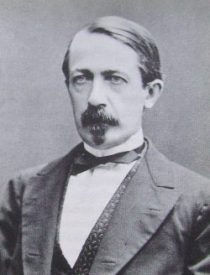 “Bland boströmianer som satt spår i svensk kulturutveckling bör…nämnas Clas Theodor Odhner [1836-1904], sin tids kanske mest prominente historiker, vars läroböcker under en mansålder dominerade undervisningen i hans ämne. Odhner var självfallet medlem av Svenska akademin. Sin syn på historiens filosofi formulerade han mest utförligt i Om möjligheten af Historiens Philosophi (1862). Här följer Odhner strikt boströmianska linjer. Sitt resultat sammanfattar han så här: ‘Vi hafva härigenom kortligen uppvisat möjligheten af Historiens Philosophi såsom den rationella, philosophiska vetenskapen om de historiskt förverkligade offentliga samhällena eller om dessa samhällens idéer betraktade som grund, lag och ändamål för den föflutna historiska utvecklingen.’
Detta är den Boströmska statsidealismen omsatt till program för historieskrivning. Det är statens, för svenska historikers del främst naturligtvis den svenska nationalstatens, framväxt som skall skildras, och det på ett sätt som låter dess utveckling framstå som förnuftig och ändamålsbestämd. Att en sådan historieskrivning skulle komma att bli rojalistisk likaväl som patriotisk, det låg naturligtvis helt i linje med Boströms syn på statsidén.”
Svante Nordin, Den Boströmska skolan och den svenska idealismens fall (1981), s. 45
Ljungberg, Nils Wilhelm, lärare, filosof, f. 19 apr. 1818 i Åmål, d. 14 juli 1872 i Hellekil, Värmland, student i Uppsala 1837 och filos. doktor där 1851, utnämndes 1853 till lektor i latin vid Göteborgs latinläroverk. L. var en djärf textkritiker och intresserad boströmian, som genom ett föredrag i maj 1861 om teologiens och filosofiens olika synpunkter för att bestämma de religiösa trosformerna och sina uttalanden om Krist. gudom framkallade en liflig polemik, på grund hvaraf Göteborgs domkapitel, hvars led. han var, anmälde honom hos K. M:t och större delen af stiftets prästerskap petitionerade om, att L. skulle skiljas från konsistoriet och eventuellt äfven från lektoratet. K. M:t afvisade dessa framställningar. L:s hårda strid för sin öfvertygelse uppkallade till hans hjälp V. Rydberg, som då skref “Bibelns lära om Kristus”.
Ugglan
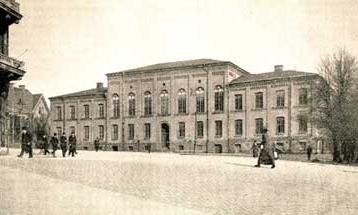
Wikipedia har en ovanligt bra artikel om Ljungberg med bl.a. följande innehåll:
Nils Wilhelm Ljungberg, född 19 april 1818 i Åmål, död 14 juli 1872 på Eriksbergs herrgård sydväst om Karlstad, var en svensk bibelforskare och språkman. Han avled hemma hos sin syster Johanna Charlotta Ljungberg och dennes make lantmätaren Anders Norström (föräldrar till filosofen Vitalis Norström)…
Ljungberg disputerade år 1851 i Uppsala på avhandlingen Chronologisk granskning af den babyloniska, israëlitiska och aegyptiska historien efter källorna. Under åren 1853–1866 tjänstgjorde han som lektor i latin vid Göteborgs latinläroverk, och blev 1854 ledamot av Kungl. Vetenskaps- och Vitterhets-Samhället. På grund av sjukdom blev han 1866 tvungen att dra sig tillbaka från sin lektorstjänst och ägnade resten av sitt liv åt privatforskning. Han efterlämnade åtskilliga vetenskapliga undersökningar i manuskript, varav flera postumt publicerades av vännen Fredrik Wulff (Chronologie de la vie de Jésus 1878, De romerska kejsarnas kronologi från Caesar till Domitianus 1918, Die hebräische Cronologie von Saul bis zur babylonischen Gefangenschaft 1922)…
Ljungberg var aktiv som tidningsdebattör och väckte år 1861 stor uppmärksamhet genom sin offentliga kritik av kyrkans förstelnade och ortodoxa kristendomssyn. Han ville återge kristendomen sin ursprungliga renhet enligt Kristi budskap i Nya Testamentet. Denna kritik mot Treenighetsläran ledde till namninsamlingar mot honom från stiftets prästerskap, och aktioner för att få honom avsatt som lektor från biskop samt domkapitel, där han var ledamot. Den s.k. Ljungbergska striden inspirerade Viktor Rydberg att skriva Bibelns lära om Kristus 1862. Att även vännen och blivande filosofen Pontus Wikner tog starka intryck av Ljungbergs personliga mod och skarpsinniga kritik, framgår av hans bevarade dagböcker…
Ljungberg arbetade även under många år med en textkritisk bearbetning eller s.k. “rentvagning” av delar av Horatius och Livius diktverk, som inte bara ansågs vittna om Ljungberg stora kunskap om ämnet och djärva slutledningsförmåga, utan även gav honom ett rykte som vetenskaplig “vilde”. (Horatii Carmina Lyrica utgavs i Karlstad 1872.) Han var själv en skarp och fruktad debattör och kritiker i bl.a. Handelstidningen och kulturtidskriften Framtiden.
I read my paper ‘In Defence of the Personal Idealist Conception of the Finite Self’ at the Oxford conference on British Idealism in August (photo by Jane Ferreira):
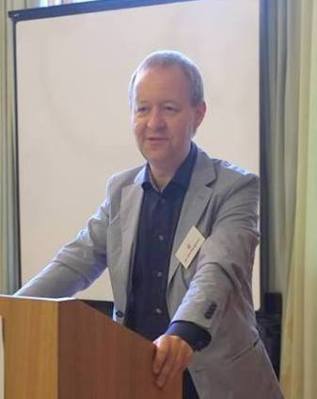
Abstract:
Revisiting the great international controversy, throughout the nineteenth and well into the twentieth century, between so-called personal and absolute idealism regarding the nature and identity of the finite self, and primarily the well-known and comparatively late debate on this issue between Pringle-Pattison as representative of the former branch of idealism and Bosanquet as representative of the latter, this paper further explores the two closely related aspects of the problem focused on by these thinkers, and largely in their own conceptual terms: the question of whether finite individuals (or, more precisely, finite individuals that are selves) are to be conceived as having a “substantive” or an “adjectival” mode of being, and the question of the “imperviousness” of such finite individual selves, or persons. Complexifying the debate by introducing a number of new definitions and distinctions deemed necessary for its proper elucidation, while at the same time remaining entirely within and confirming the general framework of idealism that was both Pringle-Pattison’s and Bosanquet’s, the paper defends what could perhaps be said to be the general position of personal idealism (in contradistinction to every single particular formulation of Pringle-Pattison’s) in the manner in which it was normally defended by the personal idealists themselves, i.e. as an idealist position that in no way rejects, as the classificatory terminological distinction between personal and absolute idealism might suggest, the concept of the absolute.
Another conference, in Harris Manchester College, Oxford, 27th-30th August, organized by William Mander and Stamatoula Panagakou. Many of the leading figures in the revival and renewal of British Idealism in the last few decades attended, as well as philosophers in younger generations who build on their work.
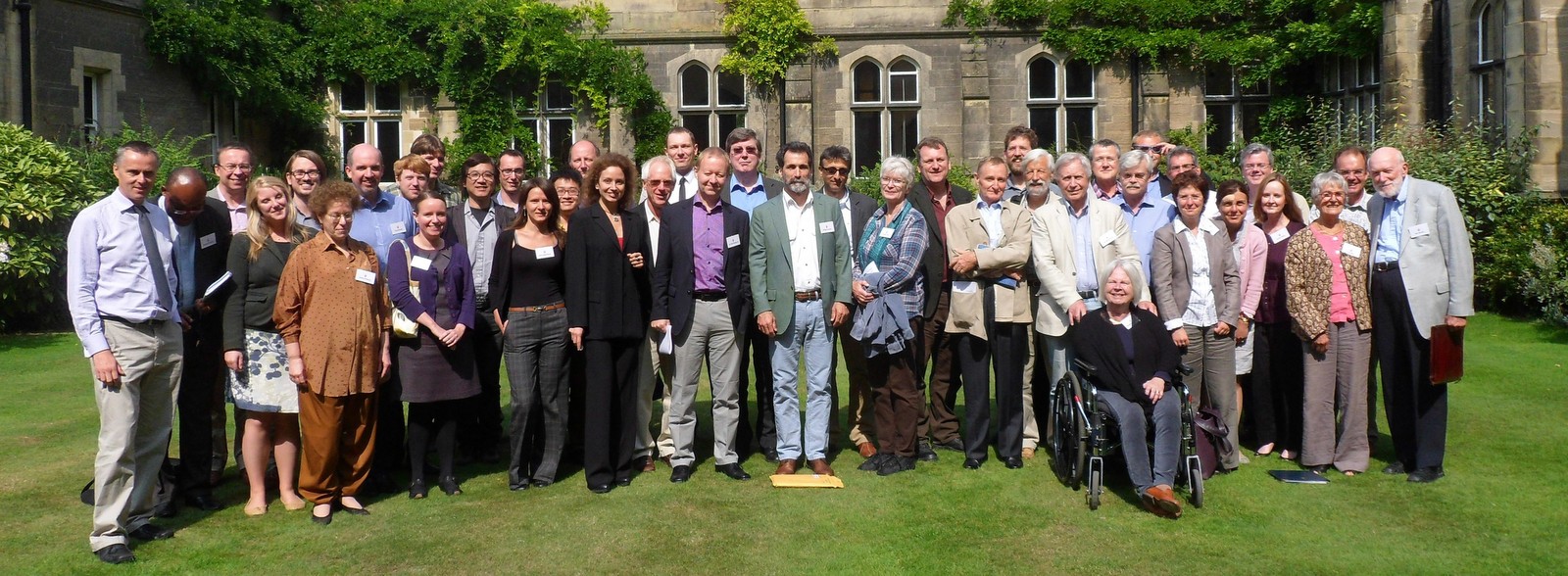
Click to enlarge

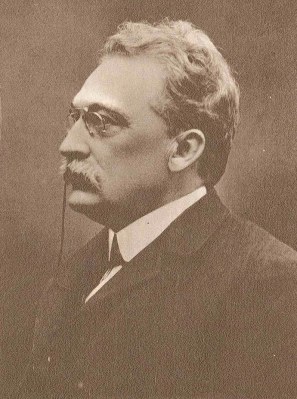
Vitalis Norström (1856-1916), professor i Göteborg från 1891, ledamot av Svenska Akademien från 1907, var en av de mest kända svenska filosoferna under det tidiga 1900-talet.
I min serie inlägg om svenska filosofer har jag ur första upplagan av Alf Ahlbergs Filosofiskt lexikon (1925) återgivit dels Ahlbergs egna artiklar om äldre sådana, dels Selbstdarstellungen av då ännu levande. I Norströms fall avstår jag dock från huvudframställningen, av Norstöms rent filosofiska utveckling efter brytningen med boströmianismen. Visserligen upptog han då, utöver nykantianismen i Windelbands och Rickerts form, i likhet med många idealistiska filosofer väsentliga moment av den vid denna tid mycket inflytelserika pragmatisk-fiktionalistiska riktningen, men han gjorde det på ett problematiskt sätt som lät den påverka hela hans tidigare idealistiska åskådning och därmed framtvinga den nämnda brytningen. Vi finner hos Norström inte distinktionen mellan den naturvetenskapliga begreppsbildningen å ena sidan och den filosofiska å den andra genomförd på samma sätt som hos den i detta avseende croceansk-hegelianska värdecentrerade historicismen, som jag diskuterar i en särskild kategori. Fastän Norström tar avstånd från pragmatismen som sådan i dess amerikanska form, som han uppfattar som utilistisk, innebär detta att vad han kallade sin “moderna ståndpunkt i filosofin” blev ohållbar och pekade i en problematisk riktning.
Norströms betydelse ligger därför huvudsakligen på ett annat område, nämligen hans kulturkritik. “Till någon systematisk avrundning har han knappast nått fram”, avslutar Ahlberg sin framställning, “men hans av ett glödande temperament burna skriftställarskap har verkat kraftigt stimulerande på svenskt tankeliv.” Men detta gällde till helt övervägande del kulturkritiken. Det var den som gjorde honom till en allmänt känd kulturpersonlighet med inflytande långt utöver den akademiska filosofin. Ahlbergs stycke om just detta kan återges:
“Jämsides med [hans] mera teoretiskt-vetenskapliga undersökningar går i N:s tänkande en kulturkritisk strömning, som får sitt uttryck i skrifter såsom Ellen Keys tredje rike (1902), Radikalismen ännu en gång (1903), och Masskultur (1910). I denna kritik är N. starkt påverkad av Nietzsche, som han även ägnat en särskild skrift. Men han betraktar Nietzsches filosofi såsom ett visserligen storslaget men misslyckat försök att bryta sig ut ur naturalismen; Nietzsche har strukit övervärlds- och evighetsperspektivet ur sin livsåskådning och brottas därför förgäves. Han har sett den moderna kulturens ihålighet, men har intet att sätta i stället. Den livssyn, som N. under namnet ‘radikalismen’ bekämpar, är den, som avskurit kontakten med denna övervärld. Sedlighet och plikt upplösa sig då i illusioner, livet förflackas och förytligas, och den lycka, efter vilken man rastlöst jagar, flyr ständigt undan. Det moderna livet rör sig kring de båda polerna lidande och njutning, medan den djupaste spänningen ligger mellan de båda motsättningarna förnuft och mening – oförnuft och meningslöshet i tillvaron.”
Norström var p.g.a. denna kulturkritik utan tvekan en av våra mer framstående konservativa tänkare. Trots den rent filosofiskt försvagade grunden för hans åskådning i jämförelse med de övriga svenska filosofer jag här försökt lyfta fram, kvarhåller han alltså inte bara “övervärlds- och evighetsperspektivet” (även i sin kunskapsteori ville han ge religionen eller tron en ny teoretisk roll, men på annat sätt, och som förstådda på annat sätt, än i den äldre idealismen), utan också flera av den svenska personlighetsfilosofins distinkta temata i på visst sätt varierad form. Ahlberg menar rentav att hans filosofi “kan karaktäriseras” – d.v.s. huvudsakligen karaktäriseras – “som ett försök att på grundval av en starkt personlig livssyn gjuta samman den svenska personlighetsidealismen med den tyska transcendentalismen (särskilt nykantianismens…)”. Det är något ensidigt, och den svenska personlighetsidealismen växte ju från början fram som just en variation och delvis självständig vidareutveckling av den tyska transcendentalismen (den ursprungliga kantianismen och dess idealistiska efterföljare), men det fäster ändå uppmärksamheten på ett viktigt moment i Norströms tänkande. Brytningen med boströmianismen – som ju trots dess dominans under andra hälften av 1800-talet bara representerade en gren i den svenska personlighetsidealismen – hindrade inte att Norström fortfarande tillhörde och ville tillhöra denna vidare svenska tradition.
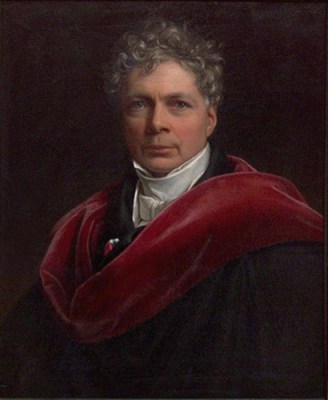
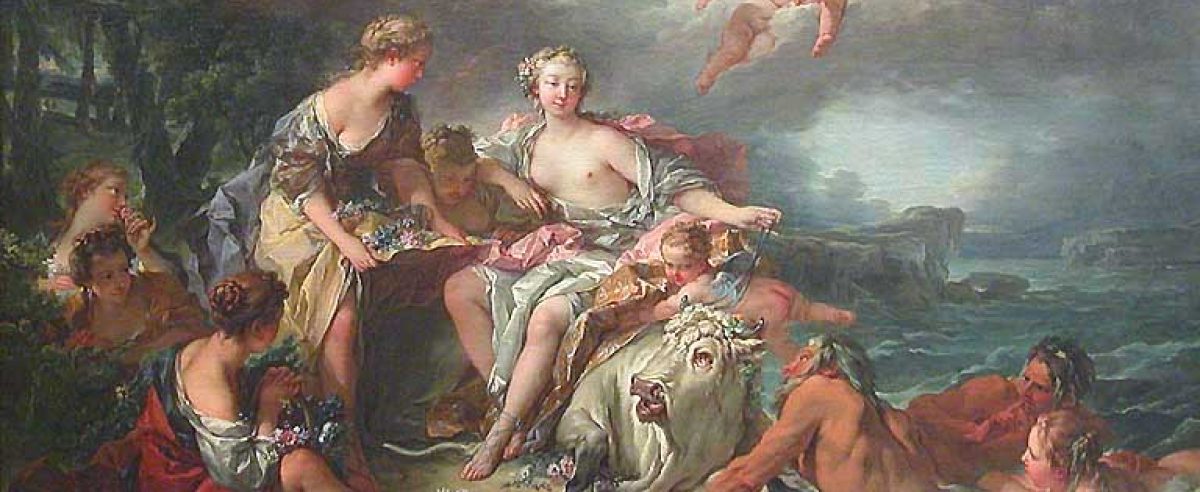
Joseph Karl Stieler, 1835
Idealism and the Renewal of Humanistic Philosophy, 1
Idealism and the Renewal of Humanistic Philosophy, 2
Idealism and the Renewal of Humanistic Philosophy, 3
Idealism and the Renewal of Humanistic Philosophy, 4
Idealism and the Renewal of Humanistic Philosophy, 5
Idealism and the Renewal of Humanistic Philosophy, 6
The experiential whole and the reason that is adequate to it is the whole and the reason of individual finite beings, even as we, as such beings, understand that in explicating, as it were, the whole of experience we also explicate the larger whole of which we are “parts”. The necessary reference of the absolute as distinct from our relative perspectives and eternally complete, is of course easily conceivable for non-“modal” philosophical purposes, and even when still merely a regulative idea, as more objective than any realist conception that we may work out of correspondence with an independent, external physical structure could ever be.
Yet even Croce’s understanding of intrinsic rationality is connected with a version of the calamitous older idealist ambiguity concerning the relation between the finite subject and the absolute, or, put more simply, the lack of a clear understanding of the necessity of distinction between them – the weakness which British absolute idealism inherited from the pantheistic Germans. It is not necessary to exemplify further this position according to which the individual lacks independent reality from the perspective of the absolute and even, ideally, in some respects from his own, and his separateness and integrity is reduced to a relative, temporary fragment of the comprehensive historical self-actualization of the absolute, to a passing contribution to the absolute experience, or to a presupposition of the mode of practice, to be cultivated for what it is worth as a feature of everyday experience.
It is not just from the perspective of an anti-pantheistic traditionalism that a humanist philosophy taken to this point of anti-essentialism must be rejected – even as in some ways expressed by such a traditionalist as Burke, for all the insight he possessed into the difference between the classico-Christian understanding of human nature and the moral order and the modern rationalist one. It is also because of the nature of the historical genesis of this conception of the absolute in the first post-Kantian idealists and Green, as critically analysed by Pringle-Pattison. Yet as Pringle-Pattison immediately makes clear, this does not mean that the concept of the absolute itself, even as in other respects understood in absolute idealism, should be rejected. There are certainly ways leading from consciousness to the absolute, or from the finite to the infinite consciousness. But these ways are other than the standard absolute idealist one. My consciousness and experience are not the absolute’s consciousness and experience, although I may indeed fragmentarily share them through their piecemeal communication and reproduction; philosophical progress takes place only in some finite individuals. Philosophy is only ideally and potentially a system in development, and even where this ideal is realized, there is, again, for philosophy, in contradistinction to modern gnosticism, no general historical progress toward a final, immanent redemptive consummation.
A deeper view of the finite centres as distinct persons is necessary for many reasons, not least for the understanding of perspectival relativity and of how precisely the modes of experience are not in every respect independent either of each other or of philosophy. Experience has its modes, we ourselves, as subjects of experience, are not modes. In one sense, we are of course part of the absolute experience, but as Bradley had to admit, the absolute must comprise both unity and diversity, it must, no matter how paradoxical it might seem from the standpoint of a reifying logic, be relational.
The closed immanentism of idealism as part of the pantheistic revolution, with a number of typical concomitant philosophical positions, must be rejected. I cannot see that there is any problem with saying that there is a transcendent dimension to the absolute, even if we hold merely that the absolute is absolute experience and that this experience, distinct from ours, has a subject conceived in the terms of personal idealism. If the personal idealists are right that our experience never exhaustively coincides with that of the absolute, there would still be no need to insist on the strict Kantian meaning of transcendence. Oakeshott’s putting religion on a par with scientism, Marxism, and Freudianism as a rationalism claiming to yield knowledge of how reality is apart from how we experience it, as well as his own later doubts about idealism itself as rationalism, can, I think, be shown to be superficial even from the position of idealism’s own emphasis on experience, as including religious experience.
But of course the absolute is both immanent and transcendent, and since there is both unity and diversity in the whole, even our ordinary experience can partly coincide with or participate in it to various degrees, depending not only on philosophical insight but also on the moral preconditions of such insight. To that extent it would be more correct to say that in relation to our experience the absolute is “implicit”, in Oakeshott’s sense, than “unconscious” or beyond anyone’s possible experience and conception.
To a degree that I think it is today possible to see is problematic, the understanding of the nature and the order or sequence of the modes in both early and later idealists was determined by the in some respects, as it were, substitute culturalism of the nineteenth-century secular humanist world of Wissenschaft and its modified perpetuation in the early twentieth century. But the more general idealist positions I have pointed to represent lasting contributions and insights of nineteenth- and early twentieth-century humanistic Bildung, apart from what could perhaps be called the management of knowledge and its sometimes too context-specific divisions. Idealism in its highest forms represents this culture at its best, restoring badly needed elements of philosophy as the love of, and the quest for, wisdom. The potential for retrieving elements of the pre-pantheist synthesis, for rethinking the modes and their relations to each other and to philosophy, and for further thought on the complex issues associated with some of the positions I have defended, is considerable within the general framework of idealism.
Apart from its contribution to all of the branches of philosophy which it uniquely and organically connects, idealism could contribute to the renewal of humanistic philosophy especially by demonstrating anew the partial, modal nature of “non-humanistic” thought, and indeed by explaining the deeper significance and value of the humanistic modes: by explaining, when they are invaded and distorted by rationalism and scientism, why and how they must again be conceived as humanistic. It could thus contribute to the restoration of the larger context and framework of human culture and practice which sustains philosophy even as philosophy dialectically transcends it, and which both analytic and continental philosophy have undermined in the twentieth century through different yet not unrelated forms of nihilism.
As a description of the current state of philosophy, the distinction between Anglo-American analytic philosophy and continental philosophy is, increasingly, at least geographically obsolete. This marks a step forward. Although it has long been clear to me that “non-humanistic” philosophy in any of the forms produced by the two wings of the pantheistic revolution is going nowhere and has indeed been disastrous, there are of course still many partial truths floating about in contemporary philosophy that are humanistic and relevant to humanistic philosophy in the deeper, integral sense that idealism at its best represents.
It seems to me, for instance, that even the insights into the nature of intersubjectivity and alterity of dialogical philosophy are not, as is the common understanding, incompatible with idealism – namely, if idealism is conceived in the terms of personal idealism. For as I have tried to show elsewhere, these insights first arose long before twentieth-century continental philosophy in the thinkers and currents of thought that are the origin precisely of personal idealism. In order not to be lost, such truths need to be taken up in idealism thus conceived. And it seems that for this purpose, and for the purpose of their necessary supplementation, the forgotten resources of idealism must be made available and comprehensible through a revised restatement of the kind I have tried to suggest in outline.
Foreword and Bibliography by Lloyd P. Gerson
Hackett, 1995 (1972) Amazon.com
Book Description:
 Neoplatonism, a development of Plato’s metaphysical and religious teaching, whose best-known representatives were Plotinus, Porphyry, Iamblichus and Proclus, was the dominant philosophical school of the later Roman Empire and has been a major influence of European and Near Eastern thought and culture ever since. Yet the school’s philosophy is only now coming to be studied in detail by historians of philosophy, largely because of the difficulty of the Neoplatonists’ writings and the lack of a good summary exposition. This defect Dr. Wallis sought to remedy in this, the first full-length study of the school by a single author to appear for over half a century. Lloyd Gerson’s new Foreword sets that contribution in context; he also provides an up-dated Bibliography.
