The Islamic Texts Society, 1994
Author: Jan Olof Bengtsson
Spirituality - Arts & Humanities - Europe
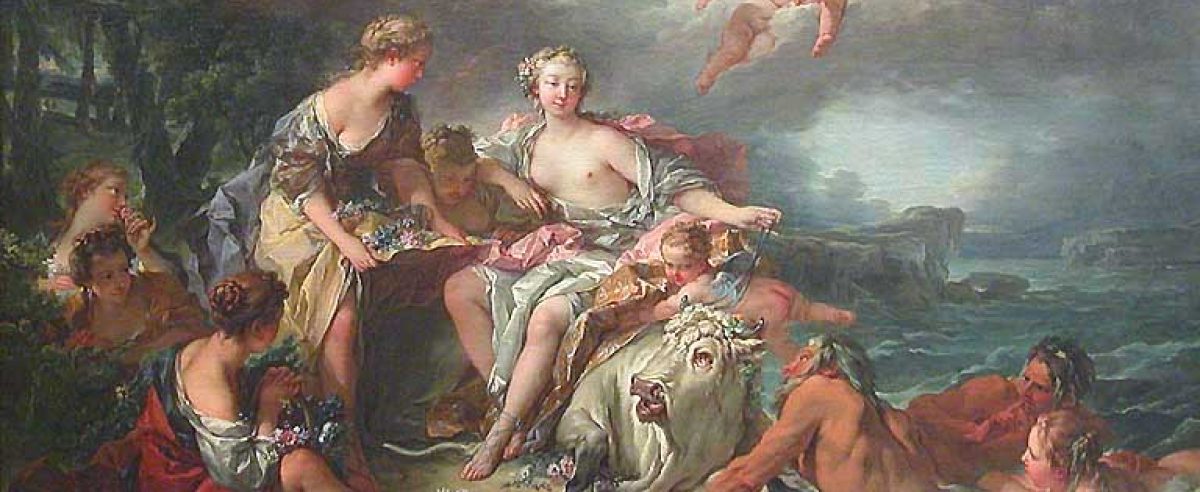
Patrick MacDowell: Daydream

Flashbacks politiska inflytande
Igår postade Kloakrensaren en ny trådstart på Flashback, eftersom moderatorn Siegfrid ansåg att frågan om Flashbacks kloakmässighet inte fick diskuteras i DogDylans tråd om mångkulturen i media, och i enlighet med Lars-Erik Ryds förslag i en kommentar. Kloakrensaren postar den nu även här, men läsare som vill diskutera ämnet, och är Flashback-medlemmar, föreslås göra det på Flashback, i tråden; Kloakrensaren deltar i diskussionen. Andra är förstås välkomna att diskutera det här.
–
I vissa trådar i Flashbacks politikforum finner vi numera mycket av Sveriges intressantaste och viktigaste politiska debatt. Forumformatet, som tekniskt befrämjar en intensifierad och preciserad debatt, kompletterar nättidningar, bloggar o.s.v. med liknande innehåll, och här finns utmärkta debattörer som ställer tekniken i tjänst hos reell substans och hög kvalitet. Inte sällan är de dessutom roliga och formellt och stilistiskt goda skribenter.
Med politisk debatt menar jag inte mer utvecklad ideologisk, politisk-filosofisk eller historisk analys, utan debatt om löpande politiska händelser och om debatten själv. Men tillräckligt mycket av de större och djupare perspektiven finns med för att generellt hålla denna debatt på en hög nivå. Inte minst tråden ’Början på ett mediakrig om mångkulturen’ är ett ständigt växande tidsdokument av stor betydelse.
Men Flashback, där forum finns för allt mellan himmel och jord, inte bara politik, är samtidigt oundvikligen amorft, vildvuxet, urskillningslöst. Öppet för alla, och under parollen ”Yttrandefrihet på riktigt!”, präglas det i politikforumet inte bara av de allt fler tänkande människor som med nödvändighet faller utanför den ständigt krympande, avsmalnande, radikaliserade och med alltmer artificiella metoder upprätthållna ideologiska konsensus som råder i de flesta politiska partier och de gamla media. Det formas också i avsevärd utsträckning av deltagare vars inläggs språk, stil och innehåll, och ofta nog även deras användarnamn och ”avatarer”, är sådana att de gör det lätt för motståndare att avfärda.
Samtidigt har Flashbacks stora betydelse för journalistiken blivit erkänd och accepterad. Man borde tillägga: för den allmänna debatten. Men motståndet är ändå naturligt, och även från den position ofta utanför konsensus som jag själv intar är problemen med Flashbacks politikforum uppenbara. Själva ”läsmiljön” på Flashback, med stora påträngande annonser av oftast smaklöst slag, ja det inte helt självklart välvalda och begripliga engelska eller väl snarare amerikanska namnet Flashback, med den retroartat jukeboxestetiska logon med en rökande kloakråtta (eller vad det nu är), underlättar för många förkastandet – även om denna miljö verkligen inte skiljer sig mycket från tidningarnas, vare sig i tryck eller på nätet.
Att tala om en kloak låter orättvist, men jag syftar med detta inte på hela politikforumet eller detta i allmänhet, utan endast på en alltför ofta förekommande typ av innehåll. Det är här inte nödvändigt att ge några exempel. Problemet är välkänt och detsamma som på många andra håll på nätet, inte minst i kommentarfält. Detta innehåll är så rikligt förekommande att när det dominerar och blir påträngande trådarna måste sägas få karaktären av kloak, och ett ord som är starkt nog att uttrycka vad många känner inför detta är önskvärt, ja nödvändigt.
De stöts helt enkelt bort. Forumet begränsas till en subkultur, där bara ett särskilt slags läsare och skribenter attraheras och härdar ut: dels sådana som värdesätter den väsentliga debatten i så hög grad att de är beredda att betala priset av miljöns obehaglighet, men dels också sådana som känner sig hemma i och själva bidrar till den senare. Problemet hänger naturligtvis samman med den på många håll på nätet utbredda anonymitetskulturen; endast undantagsvis skriver någon här under eget namn.
Flashbacks inflytande på den politiska opinionen och därmed politiken själv är inte obetydligt. Men det är begränsat i förhållande till vad det skulle kunna vara med hänsyn till det bästa innehållets kvalitet. Man måste fråga sig inte bara hur många fler som kunde nås utan kloakinnehållet, utan också vilka nu icke nådda som kunde nås, och hur de som nås kunde använda det de nås av om det inte kom från en så illa beryktad källa.
Vad det mer generellt handlar om här är hur kloakmässigheter skapar ett förråat, antihumanistiskt klimat som tenderar att i alltför hög grad prägla de fora där det växande antal medborgare som hamnar utanför politikens och medias ”korrekta” konsensus samlas, och därmed hotar även essentiella politiska traditioners adekvata artikulation och representation. Jag vill sträcka mig så långt som att påstå att kloakproblematiken idag är den centrala utmaningen för den politiska opinion, och opposition, som oundvikligen måste ta form som i någon mening konservativ.
Tråden om mediakriget är alltså ägnad debatt av debatten. Deltagarna står vid sidan av. Jag skulle vilja att många av dem själva blev mediakrigare i samma mening som dem de analyserar. Det de har att säga är betydligt mer väsentligt och angeläget och ofta även bättre formulerat än den debatt de med sådan fascinerande vaksamhet genomlyser.
I den här trådstarten vill jag peka på det märkliga förhållandet att vi har en analytisk politisk debatt av ofta exceptionell kvalitet och kvantitet, inspärrad i vad som åtminstone stundtals framstår som en kloak. Jag vill föreslå att något görs för att befria dess värdefulla innehåll från det alltför rikligt flödande kloakinnehållet. Man skulle vilja att de bästa deltagarna flyttade till ett bättre forum. Men av allt att döma tror de inte själva på eller önskar de inte en sådan förändring. Det enda som kan göras är därför tills vidare att rensa kloaken.
I vilken utsträckning det är möjligt är förvisso oklart. Men att det är meningslöst att ens försöka är inte uppenbart. Jag ställer mig frågande till frånvaron på Flashback av elementära etikettsregler och normer för den civiliserade debatten, men jag tänker inte yrka på förbud och censur. Under de givna förutsättningarna kommer kloakinnehåll alltid finnas. Men jag är intresserad av att se om man endast genom fri opinionsbildning i forumet, genom att i denna nya tråd tydligt identifiera problemet och med koncentrerat fokus lyfta fram de därmed sammanhängande frågorna, och, om möjligt, i någon mån i andra trådar direkt påtala och kritisera kloakmässigheterna, kan förändra klimatet så att deras omfattning åtminstone reduceras.
Vad jag här sagt kan omformuleras till frågor eller diskussionspunkter, men min kännedom om Flashbacks skribenter säger mig att det inte är nödvändigt. Och ja, jag vet att många inte ens accepterar problembeskrivningen. Erfarenheten säger mig att problemet självt snabbt dyker upp och illustrerar den. Jag hoppas på men räknar inte med god respons. Det är inte minst det beklagliga förhållandet att även de skribenter jag uppskattar så ofta tycks omedvetna om problemets natur och omfattning, eller åtminstone underskattar det, som motiverar en ny tråd.
René Guénon: Symboles de la Science sacrée
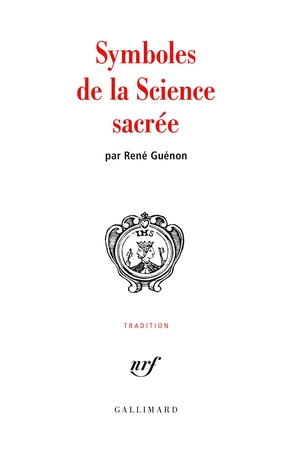
Gallimard, 1977 (1962)
Présentation:
Le présent recueil réunit tous les articles concernant le symbolisme que René Guénon n’avait pas lui-même inclus dans l’un de ses ouvrages. Il constitue la partie la plus importante de ses travaux dans ce domaine, et vient illustrer en quelque sorte la doctrine qu’il a exposée dans toute son œuvre, tout en offrant ce qu’on pourrait appeler les moyens d’une universelle vérification dans la multitude innombrable mais concordante de données sacrées provenant des traditions les plus diverses. Malgré tout ce que l’auteur avait déjà traité en cette matière dans ses autres livres, ce volume constitue un trésor unique de science symbolique et restera comme un véritable monument de l’intellectualité sacrée.
Kloakexpeditionen: Utvärdering
Under ett smärre kloakrensningsförsök på Flashback i helgen, efter att jag upptäckt att man där tog upp Carl Johan Ljungbergs viktiga blogginlägg Svensk invandringsdebatt inmålad i ett hörn, påmindes jag om att jag ännu inte publicerat den utvärdering av min tidigare kloakexpedition (polemik mot vissa Flashback-medlemmar) jag företog härom året, som jag då utlovade.
Det finns flera anledningar till att jag dröjt med den. Den ena av de två viktigaste är att jag snart insåg att mitt försök att frigöra de bästa skribenterna från kloaken och överflytta dem till ett nytt och bättre forum, en annan nättidskrift eller liknande, inte skulle lyckas. De var alltför fästa vid just Flashback och dess speciella subkultur, och trodde helt enkelt att de inte skulle nå ut på samma sätt på annat håll och att debatten skulle bli mindre vital. Jag började därför överväga att ompröva mitt beslut att inte själv skriva på Flashback, och funderade på att fortsätta expeditionen, inte på det sätt jag dittills gjort, genom att i bloggen bemöta mina motståndare med åtminstone delvis samma vapen (stilnivå) som de använde mot mig (detta var bara avsett som ett tillfälligt experiment – det kan studeras i Politics-kategorin här), utan genom en opinionsbildningskampanj på Flashback.
Men jag var, och är fortfarande, osäker på vilka former en sådan kampanj borde ta. Min helt spontana inbrytning på Flashback nu p.g.a. Ljungberg gav mig nya impulser att fundera vidare på detta. Den allmänna problematik det här handlar om – och som naturligtvis går långt utöver Flashback – förblir för mig oundviklig; frågan är avgörande.
Den andra av de två huvudanledningarna till att utvärderingen dröjt är helt enkelt att den ju borde gälla också resultatet på litet längre sikt. Här kan man nu säga följande (och detta får gälla som utvärdering, åtminstone tills vidare). Den experimentella metoden med stilistisk anpassning till motståndarna tycks ha fungerat åtminstone mot “Ezzelino” och “IvanLendl”: det kan naturligtvis ha haft andra orsaker, men de tystnade i alla fall, drog sig undan, och har såvitt jag vet inte synts till på Flashback sedan dess. Det kan således vara meningsfullt att tillämpa den igen vid behov. Men hur många andra som uppmärksammade min insats och övertygades av mina argument är oklart. Om en viss förbättring inträtt, åtminstone i de trådar jag är mest intresserad av, måste det ju rimligen främst bero på andra faktorer, och jag har inte följt dessa trådar annat än sporadiskt.
Generellt sett kvarstår förstås problemet, vilket bevisades inte minst av mitt korta Flashback-besök nu. Moderatorn “Siegfrid” tog visserligen bort det allra grövsta kloakinnehållet jag överöstes med, men detta innehåll var det gamla vanliga, karaktäristiska. Ändå förklarade han att min diskussion var “helt onödig”, tilldelade mig i bryska ordalag en varning, och raderade flera av mina inlägg, bl.a. två svar till “Nostradumbass” och ett till “Meiji”. Deras inlägg däremot, som jag svarade på, fick stå kvar, trots att de tillhör samma av mig initierade diskussion som enligt honom snabbt avfärdats som off topic. Hans argument att mina svar var mer off-topic än deras inlägg kan jag inte alls se stämmer. Och jag har inte längre möjlighet att svara på andra inlägg riktade till mig i samma diskussion som också står kvar – t.o.m. ett sådant publicerat efter modereringsåtgärden står kvar. Resultatet är att de av mina inlägg som är mest positiva till Flashback fortfarande kan läsas, medan de mest kritiska är borttagna. Men detta är ju småsaker i sammanhanget.
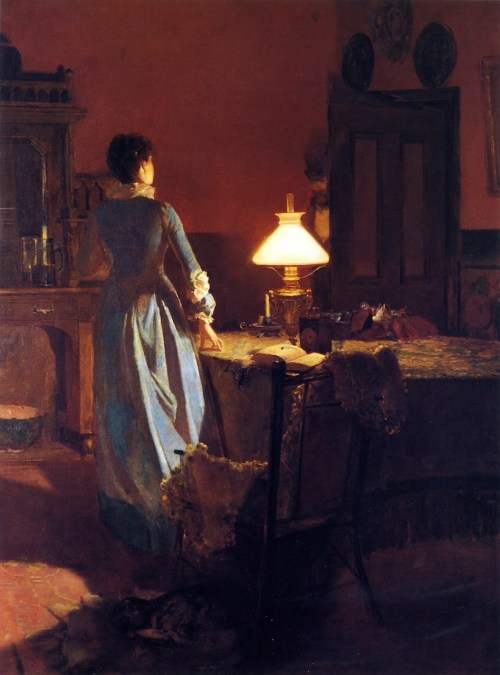
Tom Roberts: Twenty Minutes Past Three
Kenneth Thurston Hurst: Paul Brunton
A Personal View
Larson Publications, 1989 Amazon.com
Back Cover:
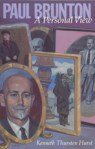 Paul Brunton is generally recognized as a major contributor to the spiritual renaissance of modern Culture. His first book, A Search in Secret India, was an instant popular success in 1934, vividly recounting his fascinating spiritual odyssey seeking out the genuinely holy men of India. It was followed by A Search in Secret Egypt, which highlighted his awesome experience of spending a night alone in the Great Pyramid. Nine more books followed in quick succession, including his monumental twin works The Hidden Teaching Beyond Yoga and The Wisdom of the Overself.
With the completion of The Spiritual Crisis of Man in 1952, Paul Brunton refrained from further publication during his lifetime. But he continued to write Daily, capturing frequent flashes of profound inspiration until his death in 1981. These later writings, published posthumously in sixteen volumes as The Notebooks of Paul Brunton, are now attracting widespread critical acclaim and sparking a resurgence of interest in his life and works.
Paul Brunton: A Personal View is an engaging account of a unique father-son relationship. Here we see the man behind the renowned philosopher from the privileged perspective of his only son, who shared a close lifelong relationship with his father. This warmly intimate account chronicles more than sixty years of richly varied memories, offering many surprising glimpses into the personal side of a thoroughly modern man of wisdom. Highlighted is Paul Brunton’s previously unpublished account, in his own words, of his personal experience of illumination – affirming to all sincere seekers that lasting self-realization is possible here and now for those willing to meet its requirements.
Kenneth Thurston Hurst recently retired as president of Prentice-Hall International, the global publishing house. He now devotes his time to researching, lecturing and writing about spiritual subjects.
On Thurston Hurst (1923-2009) on paulbrunton.org (Paul Brunton Philosophic Foundation)
Clas Theodor Odhner
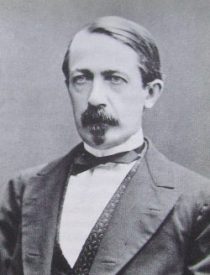 “Bland boströmianer som satt spår i svensk kulturutveckling bör…nämnas Clas Theodor Odhner [1836-1904], sin tids kanske mest prominente historiker, vars läroböcker under en mansålder dominerade undervisningen i hans ämne. Odhner var självfallet medlem av Svenska akademin. Sin syn på historiens filosofi formulerade han mest utförligt i Om möjligheten af Historiens Philosophi (1862). Här följer Odhner strikt boströmianska linjer. Sitt resultat sammanfattar han så här: ‘Vi hafva härigenom kortligen uppvisat möjligheten af Historiens Philosophi såsom den rationella, philosophiska vetenskapen om de historiskt förverkligade offentliga samhällena eller om dessa samhällens idéer betraktade som grund, lag och ändamål för den föflutna historiska utvecklingen.’
Detta är den Boströmska statsidealismen omsatt till program för historieskrivning. Det är statens, för svenska historikers del främst naturligtvis den svenska nationalstatens, framväxt som skall skildras, och det på ett sätt som låter dess utveckling framstå som förnuftig och ändamålsbestämd. Att en sådan historieskrivning skulle komma att bli rojalistisk likaväl som patriotisk, det låg naturligtvis helt i linje med Boströms syn på statsidén.”
Svante Nordin, Den Boströmska skolan och den svenska idealismens fall (1981), s. 45
Wilhelm Ljungberg
Ljungberg, Nils Wilhelm, lärare, filosof, f. 19 apr. 1818 i Åmål, d. 14 juli 1872 i Hellekil, Värmland, student i Uppsala 1837 och filos. doktor där 1851, utnämndes 1853 till lektor i latin vid Göteborgs latinläroverk. L. var en djärf textkritiker och intresserad boströmian, som genom ett föredrag i maj 1861 om teologiens och filosofiens olika synpunkter för att bestämma de religiösa trosformerna och sina uttalanden om Krist. gudom framkallade en liflig polemik, på grund hvaraf Göteborgs domkapitel, hvars led. han var, anmälde honom hos K. M:t och större delen af stiftets prästerskap petitionerade om, att L. skulle skiljas från konsistoriet och eventuellt äfven från lektoratet. K. M:t afvisade dessa framställningar. L:s hårda strid för sin öfvertygelse uppkallade till hans hjälp V. Rydberg, som då skref “Bibelns lära om Kristus”.
Ugglan
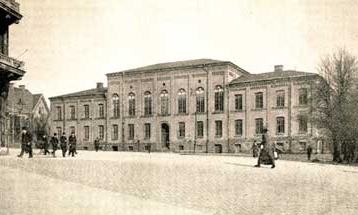
Wikipedia har en ovanligt bra artikel om Ljungberg med bl.a. följande innehåll:
Nils Wilhelm Ljungberg, född 19 april 1818 i Åmål, död 14 juli 1872 på Eriksbergs herrgård sydväst om Karlstad, var en svensk bibelforskare och språkman. Han avled hemma hos sin syster Johanna Charlotta Ljungberg och dennes make lantmätaren Anders Norström (föräldrar till filosofen Vitalis Norström)…
Ljungberg disputerade år 1851 i Uppsala på avhandlingen Chronologisk granskning af den babyloniska, israëlitiska och aegyptiska historien efter källorna. Under åren 1853–1866 tjänstgjorde han som lektor i latin vid Göteborgs latinläroverk, och blev 1854 ledamot av Kungl. Vetenskaps- och Vitterhets-Samhället. På grund av sjukdom blev han 1866 tvungen att dra sig tillbaka från sin lektorstjänst och ägnade resten av sitt liv åt privatforskning. Han efterlämnade åtskilliga vetenskapliga undersökningar i manuskript, varav flera postumt publicerades av vännen Fredrik Wulff (Chronologie de la vie de Jésus 1878, De romerska kejsarnas kronologi från Caesar till Domitianus 1918, Die hebräische Cronologie von Saul bis zur babylonischen Gefangenschaft 1922)…
Ljungberg var aktiv som tidningsdebattör och väckte år 1861 stor uppmärksamhet genom sin offentliga kritik av kyrkans förstelnade och ortodoxa kristendomssyn. Han ville återge kristendomen sin ursprungliga renhet enligt Kristi budskap i Nya Testamentet. Denna kritik mot Treenighetsläran ledde till namninsamlingar mot honom från stiftets prästerskap, och aktioner för att få honom avsatt som lektor från biskop samt domkapitel, där han var ledamot. Den s.k. Ljungbergska striden inspirerade Viktor Rydberg att skriva Bibelns lära om Kristus 1862. Att även vännen och blivande filosofen Pontus Wikner tog starka intryck av Ljungbergs personliga mod och skarpsinniga kritik, framgår av hans bevarade dagböcker…
Ljungberg arbetade även under många år med en textkritisk bearbetning eller s.k. “rentvagning” av delar av Horatius och Livius diktverk, som inte bara ansågs vittna om Ljungberg stora kunskap om ämnet och djärva slutledningsförmåga, utan även gav honom ett rykte som vetenskaplig “vilde”. (Horatii Carmina Lyrica utgavs i Karlstad 1872.) Han var själv en skarp och fruktad debattör och kritiker i bl.a. Handelstidningen och kulturtidskriften Framtiden.
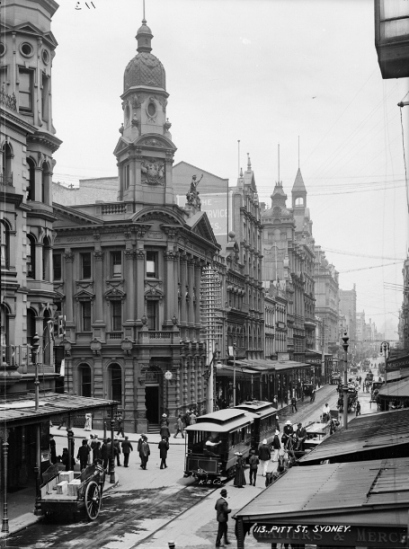
Pitt Street, Sydney