
Author: Jan Olof Bengtsson
Spirituality - Arts & Humanities - Europe
Varför jag har försvarat SDU
Jag har, som framgår av flera inlägg här i bloggen, tyckt att SDU har bättre allmänna programpunkter än moderpartiet om Europa och om den svenska kulturen och identiteten i förhållande till Europa. Även i övervakningsfrågorna har jag föredragit SDU:s position.
Dessutom har jag haft intrycket att de drar till sig ungdomar utan sunkig grobiannationalistisk eller annan problematisk bakgrund, som i stället har de sociala, kulturella och utbildningsmässiga kvalifikationer som krävs för att, med Jimmie Åkessons ord, ta SD till nästa nivå.
De har i mina ögon därför stått för mindre problematisk nationalism, mindre populism, mindre radikalism, mindre extremism än moderpartiet, och mer mottaglighet för den stora, klassiskt humanistiska europeiska kulturtraditionens essentiella insikter såväl som för större och bredare historiska och intellektuella inflytelser från den konservativa idéströmningen.
Det styrelseförslag för Stockholms stad som William Hahne presenterade blev för mig ännu ett bevis för detta, för vad jag uppfattat som innebörden av det “nya tredje” som han och Gustav Kasselstrand talat om, skilt från såväl “bunkern” som alltför långtgående liberal anpassning. Detta “nya tredje” är den enda orsaken till att jag försvarat SDU:arna.
Om jag har fel, om det verkligen finns annat, reella och sakligt betydelsefulla grunder för den för mig obegripliga konflikten med moderpartiet, vill jag inte ha någonting med det att göra. Jag vill inte bli indragen i det. Tack.
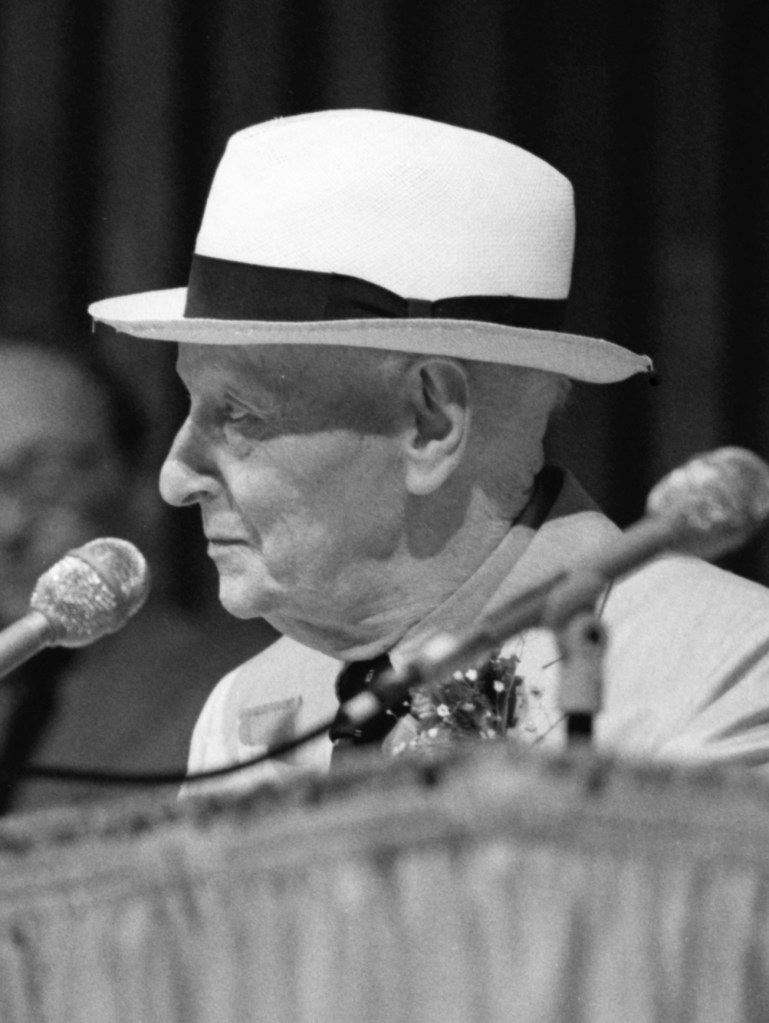
Isaac Bashevis Singer
Den store polsk-amerikansk-judiske författaren som jag skrev om i ett tidigare inlägg och som var mycket betydelsefull för mig på 70-talet, även innan han fick Nobelpriset 1978.
Om antisemitism
I tisdags publicerade Nyheter Idag och Aftonbladet osannolika uppgifter om att en lång rad personer ”väntas bli uteslutna” ur SD. Stor uppståndelse har sedan dess rått om detta i alla media. Nyheter Idag återgav Expos påstående om att jag ”gett uttryck för en antisemitisk föreställning om att judar har en politisk agenda och styr samhällsutvecklingen”. Eftersom även Expo själva upprepat just detta, och inte de andra lika grundlösa anklagelserna mot mig, framstår nu denna anklagelse för “antisemitism” som den viktiga i mitt fall. Också DN har citerat denna anklagelse.
Jag tvingas därför otroligt nog ännu en gång återvända till den, och nu ska jag göra det med stor utförlighet och i detalj. Så här lyder Jonathan Lemans formuleringar in extenso och utan att jag markerar de språkliga felen:
”Historikern Jan Olof Bengtsson som föreslås som ledamot har på sin blogg gett uttryck för antisemitiska föreställningen om att judar har en politisk agendan och styr samhällsutvecklingen.
En del av den agenda påstås vara invandringen. 2011 skrev Bengtsson på sin blogg att ‘det i hög grad är också radikala judiska vänsterorganisationer och -individer som ligger bakom den politiska korrektheten, multikulturalismen och massinvandringen i västerlandet’.
I ett blogginlägg från 2012 hävdar Bengtsson en person på Flashback beter sig som ‘troll’ och som en ‘judisk provokatör’ som drivs av en agenda att inskränka på yttrandefriheten.
‘Nykomlingen på Flashback ser naturligtvis ingenting annat än ett “troll”, en agent provocateur från någon av de judiska organisationer och lobbygrupper som är ute efter att inskränka yttrandefriheten.’”
Vad Leman gör här är att förvränga vad jag säger i de inlägg de citerar genom att koppla de lösryckta citaten till en ståndpunkt som jag gång på gång uttryckligen tagit avstånd från, nämligen den som de själva formulerar med orden ”den antisemitiska föreställningen om att judar har en politisk agenda och styr samhällsutvecklingen”.
Som jag redan har förklarat tillhör det första citatet, hämtat från mitt inlägg Vad invandringsfrågan handlar om från 2010, ett resonemang där jag hänvisar till en ledande konservativ jude som David Horowitz och t.o.m. till den neokonservative nestorn Norman Podhoretz och hans då nya bok Why Are Jews Liberals? Båda tog upp det faktum titeln anger (att många, ja de flesta judar i Amerika är liberala i amerikansk mening) och försökte tillhandahålla vidare analyser. Jag har också flera gånger hänvisat till Paul Gottfrieds kritiska artikel om ADL – eller artikel om webbsidan Jewcys kritik av ADL – under dess nuvarande ordförande Abraham Foxman. Liksom jag gjort även på annat håll nämnde jag också SD:s egen Kent Ekeroth, som själv framfört kritik mot svenska vänsterinriktade judar, bl.a. i en intervju i Judisk Krönika. Här liksom – kan jag tipsa Leman om – på annat håll har jag alltså helt enkelt instämt med dessa och andra kritiker av dominerande judisk liberalism, politisk korrekthet, och allmän vänsterorientering. Att Leman inte håller med dessa kritiker är en sak, att säga att jag är antisemit för att jag hänvisar till den är en helt annan, och absurd.
Och att som Leman även kritisera mig för att jag länkar till icke-judiska tidskrifter som publicerar sådan kritik är bara intellektuell inskränkthet, intolerans, försök att tysta kritiken i stället för att diskutera och bemöta den, ja ett slags bigotteri, för att använda ett av ADL:s favoritord. All kritik av judar blir, för Lemans typ av judisk reaktion, uttryck för antisemitism. Återigen: Leman må ogilla dessa tidskrifter, men att säga att jag är antisemit för att jag hänvisat till dem är fullständigt ohållbart i ljuset av vad jag faktiskt säger. Det har självfallet ingenting som helst att göra med “antisemitism” eller uppfattningen att ”judar”, judar som sådana, alltid och med nödvändighet ”har en [1] politisk agenda och styr samhällsutvecklingen”. Att så inte är fallet borde vara uppenbart i sig. Men att det i mitt eget fall inte har något med denna ståndpunkt att göra framgår alltså också av mina många explicita avståndstaganden från den som Leman ignorerar. Det är utifrån detta även självklart att jag inte håller med om allt som skrivs i de nämnda tidskrifterna.
Rent logiskt betyder visserligen satsen “judar har en politisk agenda och styr samhällsutvecklingen” bara att “det finns judar som har en politisk agenda och åtminstone i någon utsträckning eller till någon del styr samhällsutvecklingen”. Ingen kan bestrida att den i denna mening är sann. Den är sann i Sverige, den är, i större utsträckning, sann i USA, och den är, i ännu mycket större utsträckning, sann i Israel. Det är omöjligt att förstå vad som är “antisemitiskt” i att konstatera detta självklara faktum. Även jag har en politisk agenda och styr i någon mån samhällsutvecklingen. Oerhört många har respektive gör det. Skulle judar vara ett undantag? Det vore mystiskt – en “antisemitisk” föreställning kanske.
När det gäller några av de judar som har en politisk agenda och som i någon mån styr samhällsutvecklingen, står det givetvis utom tvivel att bland dem även återfinns – som Leman citerar mig – de ”radikala judiska vänsterorganisationer och -individer” som i hög grad “ligger bakom den politiska korrektheten, multikulturalismen och massinvandringen i västerlandet”. Är detta kontroversiellt? Om så, varför? Borde inte personer som själva tror på den politiska korrektheten, multikulturalismen och massinvandringen tycka att det var helt okontroversiellt och bra? Alla, och inte minst alla judar, vet att många judar och judiska organisationer är politiskt korrekta förespråkare för massinvandring och mångkultur. Bara Expos mekaniska, reflexions- och humorbefriade polisiära övervakningsjournalistik kan ta fasta på ett påpekande av detta uppenbara faktum som uttryck för antisemitism.
Men dessa individer, grupper och organisationer är ju som alla vet tyvärr verkligen inte ensamma om dessa agendor, även andra och icke-judiska sådana ligger i hög grad bakom de uppräknade fenomenen, och det finns judiska individer, grupper och organisationer med andra agendor. Debatt om allt detta förs bland judar såväl som bland andra. Det finns ingenting “antisemitiskt” någonstans här.
Vad Leman har i åtanke är föreställningen att det i slutna, hemliga rum sitter en liten grupp lömska, konspirerande Sions åldermän som genom att dra i dolda trådar i allt väsentligt kontrollerar folkens öde och världens gång. Och/eller föreställningen att judar som sådana, judarna, alla judar, ja rentav bara judar, s.a.s. bara alla judar, helt enkelt är sådana att de har en politisk agenda medels vilken de styr samhällsutvecklingen, i betydelsen utövar avgörande makt och ytterst egentligen total kontroll över den. Till båda föreställningarna hör att agendan och därmed styrandet är onda och skadliga för andra än judarna själva.
Att tillskriva mig dessa föreställningar är så groteskt att det egentligen är ovärdigt att bemöta. Vid upprepade tillfällen har jag tagit avstånd både från konspirationsteorin och från den uppenbart felaktiga och orättvisa, generella uppfattningen om judar.
I inlägget Begreppet den nya världsordningen vänder jag mig explicit mot den typ av “antisemitisk” konspirationsteori som Leman tillskriver mig, och skriver bl.a.: ”Särskilt problematisk blir den extrema konspirationsteoretiska användningen [av detta begrepp] när den leder till att exempelvis alla frimurare eller judar misstänkliggörs.” Detta inlägg var ett svar till en person som visade sig vara verklig “antisemit”. Det var även ett annat långt inlägg, specifikt om det judiska inflytandet, där jag bland mycket annat skrev följande, i syfte att problematisera den enkla kopplingen mellan judar eller specifikt judiska intressen:
”Både Ekeroths analys och dina exempel med ryska revolutionen och vad du kallar ’skapandet’ av den tyska kontrarevolutionen visar hur det judiska intresset oftast uttrycker sig genom ett engagemang för ideologier som i sina teoretiska anspråk sträcker sig långt utöver detta intresse. Och just detta är alltså den huvudsakliga orsaken till min oklarhet på detta område. Såvitt jag kunnat se tenderar många kritiker av judiskt inflytande att reducera detta teoretiska innehåll till intresset på ett sätt som lätt blir vilseledande. Det är inte en tillräcklig förklaring av den ryska revolutionen att anföra detta intresse och den stora andelen judar som medverkade i den. Den förklaras också av marxismen och kommunismen som rent ideologiska fenomen. Dessa äger ett specifikt teoretiskt innehåll som man också måste ta hänsyn till, och som, oavsett det judiska intresset, motiverade många icke-judar, dels i sig, dels i förening med dessas egna, andra intressen. Naturligtvis var också många judar helt enkelt övertygade om detta innehålls sanning, alldeles oavsett graden av medvetenhet om det egna intresset som drivkraft.
Idéer är i sig avgörande historiska krafter. Idéer har konsekvenser, som Richard Weaver framhöll. Detta gäller också i nuet, om den fortfarande av vissa omfattade marxismen, om den radikala liberalismen, och om alla andra idéströmningar och fenomen som kritiker av det judiska inflytandet anser att judar ligger bakom och som de också vill förstå och förklara huvudsakligen i termer av det judiska intresset. Förvisso inmänger sig på det sätt jag antytt en del distinkt judiskt idéinnehåll i dessa strömningar, ibland mer men ibland också mindre omtolkat, förvandlat, anpassat. Men bortom detta finns alltså även ett annat, kognitivt innehåll i dessa av kritikerna framlyfta strömningar, ett innehåll som i vissa fall tidigare var i sak betydande och som inte bara kan ignoreras utan måste bedömas i sig.
Naturligtvis har det inte i allmänhet ignorerats. Det har i hög grad, som sådant, gjort dessa strömningar dominerande i vår kultur. Självklart har fler fokuserat på detta innehåll än på det judiska intresset. Även kritikerna har ägnat det grundligt studium: felaktigheter har avslöjats, delsanningar, i den mån de funnits, bejakats och upptagits. Min poäng här är bara att det ignoreras på ett i vissa avseenden problematiskt sätt av kritiker som vill förstå dessa strömningar i termer av det judiska inflytandet. Att det judiska intresset vanligen förbisetts gör inte den motsatta ytterligheten mindre ensidig när man, som du, söker historiska förklaringar.”
Jag exemplifierade med författare som representerar detta ignorerande och denna motsatta ytterlighet, och som brukar betecknas som antisemitiska: Hervé Ryssen, E. Michael Jones, David Duke och Kevin MacDonald (Jones och MacDonald har dock först på senare tid anklagats för antisemitism).
Att jag gav mig in i denna debatt berodde på att jag nyligen upptäckt en lång tråd om mig på forumet Flashback, och inlett en diskussion med några skribenter i den på så sätt att jag i min blogg besvarade en del av det de skrev om mig på forumet. Jag kände tidigare inte till detta forum, fann fenomenet intressant, och tyckte även att flera skribenter i tråden hade bra och sympatiska saker att säga i ämnet (jag, SD och konservatismen). Just den skribent jag här besvarade var dock problematisk, och ville hela tiden tolka mig i sin egen riktning, som alltmer visade sig vara verkligt antisemitisk. Jag hade därför redan tidigare bemött honom – i det ovan citerade inlägget om begreppet den nya världsordningen. Nu hade han gått längre och även kommenterat i bloggen, avkrävande mig direkta och explicita uttalanden om judiskt inflytande som han hoppades skulle passa hans syften.
Mitt svar föll dock varken honom eller Flashbacks mest kände, ledande antisemit, signaturen ”Ezzelino”, på läppen. Den senare hävdade att jag “desarmerade judefrågan”. Han reagerade på ett oförskämt sätt som jag bemötte i ytterligare ett inlägg, Ezzelino. Där skrev jag bl.a. att
”Ezzelinos uppfattning av det judiska inflytandet är av ett speciellt slag. Efter att ha gått tillbaka bara en liten bit i olika Flashback-trådar där han medverkar har jag hittat en lång rad formuleringar (jag har ingen lust att återge dem här) som tydligt uttrycker ett rent rashat mot judar av en typ som är ganska ovanligt. Och det som i hans analys och förståelse av judendomen går utöver detta finner jag – så långt jag följt honom – ofta ytligt, ensidigt och osjälvständigt.”
Och vidare:
”Ezzelino skriver om mitt inlägg om det judiska inflytandet: ’Det Bengtsson gör är att ta en tankegång, mysfarbrorsmalande tänja ut den till och över bristningsgränsen, sedan ta den kollapsade tankegången och släta ut den samt späda ut den glutenfria och okryddade text han knådar fram med generösa doser svagdricka och lättmjölk. Kort sagt: han skriver alldeles åt helvete för långrandigt. Det sättet att uttrycka sig kanske har lugnande, självterapeutiska orsaker, men det fungerar inte så bra som text.’
Om jag ska göra ett försök att ta denna person på allvar måste till att börja med sägas att detta i en mening är fullständigt obegripligt. Vad är det Ezzelino efterlyser? Vem jämför han mig med? Vem skriver enligt honom bättre om detta?
Jag skriver för långt som svar på oerhört allmänt formulerade frågor om judiskt inflytande? Detta är ett litet ämne som låter sig tillfredsställande avhandlas på mycket mindre utrymme, det utrymme hans egna pluttsnuttar på Flashback kräver?
Redan tidigare i Flashback-tråden har Ezzelino kritiserat mina artiklar för att vara ’substansutspädande’. Denna kritik är inte främst stilistisk utan innehållslig – trots att Ezzelino inte framför ett enda innehållsligt argument, inte nämner en enda saklig ståndpunkt, utan bara radar upp nedsättande bilder.
En sådan outrerad och militant antiintellektualism – man erinrar sig sorgset hans tvivelaktiga ’filosofiska’ inspirationskällor – är självklart helt undermålig. Jag tar ’en tankegång’, säger Ezzelino. Varje stycke i min text innehåller minst en tankegång. Jag kan inte se att någon av dem ’kollapsar’, och Ezzelino förklarar inte vad han menar med detta. Inte en enda av mina tankegångar tas överhuvudtaget upp av Ezzelino. Vi förstår bara att han i själva verket önskar en annan substans. Att han helt enkelt, utan att anföra något sakligt skäl, tycker att jag inte är tillräckligt medveten om och kritisk mot det judiska inflytandet. Intressantare än så är verkligen inte det han har att säga.
När man tidigare bett mig skriva mer än jag hittills gjort om judiskt inflytande, Israel o.s.v. har jag svarat att ämnena är mycket stora och bett att det hela ska uppdelas i mindre, mer precisa delfrågor. Det var eftersom den senaste kommentatorn åtminstone i någon mån gjorde detta som jag denna gång skrev ett svar. Men Ezzelino menar att om man inte har en enkel, entydig och radikal uppfattning i dessa frågor som överensstämmer med hans egen, och om man inte uttrycker denna kort- och grovhugget på hans eget sätt, blir resultatet en dålig text.
Av detta följer att man inte kan hysa en moderat uppfattning och uttrycka sig med den nyansering som med nödvändighet måste vara jämförelsevis utrymmeskrävande, eftersom detta alltid kan beskrivas i termer av glutenfrihet, okryddadhet, svagdricka och lättmjölk. Detta är sakligt, förutom rent barbari, också ren idioti.”
Slut på det långa citatet. Jag går vidare. Leman säger alltså också att jag i ett inlägg hävdar att “en person på Flashback beter sig som ‘troll’ och som en ‘judisk provokatör’ som drivs av en agenda att inskränka på yttrandefriheten”. Formuleringen “judisk provokatör” används inte i inlägget, men följande citat är korrekt: “Nykomlingen på Flashback ser naturligtvis ingenting annat än ett ‘troll’, en agent provocateur från någon av de judiska organisationer och lobbygrupper som är ute efter att inskränka yttrandefriheten.” Hänvisningen är alltså åter till de ovan nämnda specifika grupperna och organisationerna, grupper och organisationer vilkas politiska agenda går långt utöver judiska frågor, även om de inte syftar till att styra hela världsutvecklingen.
Anledningen till att jag tog upp dem i det här citerade inlägget, Ezzelino, 2, var dock den högst verkliga, extrema antisemitism som uppvisades av den nämnda personen på Flashback. Den var – och jag blev, under loppet av den diskussion med en annan kommentator och känd Flashback-skribent, ”tras”, som det aktuella inlägget var en del av, tvungen att exemplifiera med åtskilliga citat – så ofattbart monstruös att jag tror mig aldrig någonsin ha sett något liknande. Idén om en agent provocateur syftade till att belysa den fantastiska onaturligheten och artificialiteten i detta blinda, lågsinta, omänskliga rashat: ingen normal svensk borde kunna skriva något sådant, och så borde också varje nykomling på Flashback uppfatta det. Men vad jag säger är att personen inte kan vara ett sådant troll från någon hämningslös yttrandefrihetsinskränkningsivrande judisk vänsterorganisation eller lobbygrupp, eftersom han under så lång tid och i så många inlägg uttryckt sin antisemitism och sina antijudiska åsikter. Jag säger bara att detta är vad nykomlingen som ännu inte vant sig måste tro att han är.
Hela inlägget var ett ytterst skarpt formulerat fördömande av denna reella antisemitism. Att Leman tar en formulering från det som exempel på antisemitism från min sida bekräftar bara åter på ett uppseendeväckande sätt den problematiska användningen av begreppet som jag i detta inlägg också nämner, och som jag helt nyligen återkom till med anledning av Wiesenthal-centrets kritik mot Björn Söder.
Inlägget Ezzelino, 2 var en argumentation mot ”tras”, som ifrågasatt mitt fördömande av Ezzelino. Jag skriver bl.a.:
”Jag har alltså diskuterat många av de i sak viktiga frågor som ofta tas upp i de diskussioner där Ezzelino deltar tillsammans med er, och hade dessa herrar fört en normal och sund diskussion skulle jag finna det angeläget att delta i den. Men i tråden om mig, SD och konservatismen tystnade nu IvanLendl [den andre antisemiten] och Ezzelino snabbt. På annat håll på Flashback fortsätter de och andra (Ezzelino går dock såvitt jag kan se längre än alla andra, och förfogar även över helt andra språkliga och intellektuella resurser, vilket är anledningen till att jag uppehåller mig vid just honom) dock att visa vilka avgrunder som nästan alltid öppnar sig på detta område, och hur omöjligt det för de flesta tycks vara att diskutera det på ett balanserat och ansvarsfullt sätt.”
Jag framhåller att Ezzelino rentav framstår som extremare än de olika upplagorna av nazister, vänder mig mot dem som tyckte mitt bemötande av honom och mina allmänna omdömen om Flashback var alltför hårda, och kritiserar ”tras” och andra för att inte ha några invändningar mot hans sätt att föra debatten, för att sakna urskillning, omdöme, spärrar. Jag frågar:
”Ska vi ha ett sådant här klimat? Menar du verkligen att vi ska föra en diskussion på denna nivå? Ska vi, oavsett vad vi tycker om de olika judiska ämnena, godta det som meningsfullt eller acceptabelt att skriva om judar på det sätt Ezzelino gör? Är det lätt att ’hoppa över’ [detta och följande inom citationstecken är citat från “tras”] detta? Tillhör det ’bisakerna’? Är det dynamiken mellan er och en sådan användare som Ezzelino som är ’en viktig del i varför arbetande vuxna människor med barn och familj ids lägga tid på att försöka förstå och påverka sin samtid’ på Flashback?”
Trots att termen antisemitism missbrukas kan man, insisterar jag, ”meningsfullt diskutera judiska frågor endast om man undviker antisemitism i denna mening”, d.v.s. Ezzelinos mening, ”den typ av blint rashat som kommer till uttryck i Ezzelinos inlägg”. ”Ett oerhört stort antal judar”, framhåller jag, ”delar ju den kritik mot vissa judiska fenomen och intressen som jag framfört. Hur känner alla dessa när de läser en Ezzelino? Gör denna läsning dem mindre benägna att stödja ADL eller rabbi Ovadia Yosef? [Vänsterorganisation enligt ovan respektive fundamentalistisk rabbin.] Jag är inte säker på att de alltid lägger skulden enbart på de senare för att de framtvingar Ezzelinos typ av reaktion.”
Avslutningsvis drar jag slutsatsen att vi ”befinner oss i en situation där såväl yttrandefrihetens räddning som förverkligandet av internätets positiva potential kräver långt större moralisk urskillning än den som hittills visats från både kritiker och försvarare av det forum [Flashback] jag tycks tvingas acceptera.” Och i kommentarfältet till detta inlägg fortsätter jag på för det nu aktuella bemötandet av Expo relevant sätt diskutera med ”tras” om bl.a. min behandling av de judiska ämnena.
Som jag nämnde fortsatte ”IvanLendl” och ”Ezzelino” att skriva på Flashback efter mina tidigare bemötanden. Men efter Ezzelino, 2 tystnade de. I beaktande av Flashbacks storlek såväl som omfattningen av Ezzelinos litterära produktion på detta forum (han var en av Flashbacks tio mest produktiva medlemmar, med i genomsnitt åtta inlägg per dag i åtta år) är det ingen överdrift att säga att han var Sveriges ledande antisemit. Ja, med all säkerhet var han Sveriges samtidigt mest extreme, mest talangfulle och mest läste antisemitiske skribent någonsin. Jag gör anspråk på att ha besegrat, ja tystat honom i fri, öppen, demokratisk debatt – och trots att han gömde sig bakom en pseudonym.
Även den andre antisemiten, också en av de ledande, försvann från forumet. Ja, “tras”, forumets kunnigaste och mest respekterade nationalist, gjorde det – något onödigt, men han gjorde misstaget att inta den position han intog i denna debatt.
Jag kunde nämna andra inlägg och kommentarer där jag tagit avstånd från verklig antisemitism. Expo vet ingenting om mitt förhållande till judar och judendomen, de har inte brytt sig om att ta reda på någonting om det. Jag kunde i största allmänhet skriva mycket mer om detta, inte minst på det mer personliga planet, om exempelvis judiska författares betydelse för mig, om vissa av judendomens andliga traditioners plats i mitt inre andliga system, s.a.s., om judiska musiker. Ja, jag kunde skriva om det på det privata planet, om vikten av mitt förhållande till individuella judar och judinnor.
Det borde dock inte behövas. Rimligare – i den mån det överhuvudtaget är rimligt att bemöta förtal av detta slag – är väl att säga något mer än det jag redan sagt i mina tidigare bemötanden av de nu aktuella anklagelserna om min allmänna politiska och filosofiska åskådning, och vad den innebär med hänsyn till frågan om antisemitism.
Jag är en frihetlig konservativ med lång bakgrund som KD- och M-väljare och periodvis medlem. Jag har skrivit i deras tidskrifter, hållit ideologiska föreläsningar för dem o.s.v. – liksom jag också medverkat i övriga borgerliga organ som Svensk Tidskrift, Axess och Svenska Dagbladet. Jag försöker genom en nyskapande traditionalism försvara den stora europeiska traditionen från bl.a. Burke, men direkt kopplad till ett utvecklat och uppstramat försvar för hela det grundläggande, gemensamt europeiska civilisatoriska och i full, klassisk mening humanistiska bildningsarvet från Athen, Rom och Jerusalem, med komparativa och dialogiska utblickar även mot andra kulturer. Jag försöker också lämna något litet bidrag till att om möjligt på några punkter fördjupa och vidareutveckla denna tradition i dess filosofiska artikulation, eller åtminstone dess tillämpning och förnyelse i nuet, med hjälp av personalismens, idealismens och den värdecentrerade historicismens filosofiska resurser. Som kulturskribent, forskare och universitetslärare har jag alltsedan mitten av 80-talet försökt förklara och försvara denna centrala humanistiska linje i västerlandets historia.
Utifrån denna ståndpunkt förhåller jag mig kritisk till nationalismen som politisk ideologi. Jag har hela tiden konsekvent insisterat på att SD primärt använder ”socialkonservatism” som ideologisk beteckning, föreslagit att ”nationalism” ytterligare nedtonas som ideologi (den är skild från nationalstaten och den värdefulla nationella egenarten), och förespråkat en ”högre kosmopolitism”, i första hand inkluderande den europeiska och västerländska kulturen, men i andra hand också andra kulturer utifrån en alternativ, dialogisk globalism och vad jag kallar en ”kvalificerad pluralism”. Mina publikationer om de nämnda kulturella, filosofiska och politiska traditionerna innefattar givetvis, och med saklig nödvändighet, texter som – och texter om tänkare som – direkt och indirekt kritiserar antisemitismen och sådana moderna politiska riktningar där den ingått som central beståndsdel.
Personalismen, kopplad till den klassiska naturrättstraditionen, är en grundläggande position hos den europeiska kristdemokratin och sedan 80- eller början av 90-talet också den svenska. Under 00-talet blev jag emellertid besviken på KD:s och även M:s utveckling i andra avseenden, och i valrörelsen 2006 upptäckte jag SD. Jag insåg plötsligt att här kanske kunde finnas ett möjligt alternativ, att de på bättre sätt skulle kunna representera de frihetliga, humanistiska och nyskapande traditionalistiska tanketraditioner jag försökt studera och företräda både i min akademiska forskargärning och i mina politiska inlägg. Jag ägnade därefter några år åt att studera partiet och den moderna eller sentida svenska nationalismen som jag inte tidigare var förtrogen med, för att kunna situera SD i förhållande till den och försäkra mig om att partiet inte intog några för mig oacceptabla radikalnationalistiska eller andra ståndpunkter. Mot slutet av årtiondet tyckte jag mig ha gjort det, och jag började offentligt försvara SD. När jag hade konstaterat att partiet också skötte sig tillräckligt bra i riksdagen, blev jag slutligen medlem strax före jul 2010. I en intervju i SD-Kuriren våren 2011 presenterades jag för partiet av dåvarande chefredaktören Tommy Hansson.
Att jag kunde ta detta steg berodde inte minst på den nya partiledningens inriktning. Jag har hela tiden inte bara konsekvent försvarat dess linje ifråga om socialkonservatismen, det nya principprogrammet, kommunikationsplanen o.s.v., utan även velat gå ännu längre i just denna riktning. Att förebrå mig antisemitism är att inte ha förstått någonting av vad jag sagt sedan jag vid mitten av 80-talet började publicera mig. Men jag har numera ganska många läsare, och några har följt mig sedan dess. Det är bara Johathan Leman och Expo som haft motiv att avsiktligt förvränga vad jag skrivit i den groteska utsträckning och på det lätt genomskådbara sätt som nu skett.
Lucrezia Bori

Åkesson och psykiatrin
Svend Dahl tar i en viktig ledare i Dalarnas Tidningar upp den positiva responsen på Facebook på Jimmie Åkessons berättelse i Skavlans intervjuprogram på TV om sitt psykiska lidande och den behandling han genomgår för det. Det här är en viktig “mjuk” politisk fråga som även Simon Kyaga tog upp i sitt intressanta Sommar-program om psykiatrin som jag skrev om förra året.
Dahl skriver att det är ett “stort steg”, särskilt för män, att tala öppet om psykisk ohälsa, att de inte vågar det eftersom de inte vill erkänna sig svaga och omanliga, och även av samma skäl drar sig för att söka vård: “Psykisk ohälsa upplevs snarare som en karaktärsdefekt än som sjukdomar som kommer och går och precis som fysiska åkommor kan behandlas.”
Att Åkesson talade om sin utmattningsdepression, var öppen med “orsakerna till sin sjukskrivning och den långa, mödosamma vägen tillbaka”, var befriande för många. Hans mod, styrka och ärlighet berömdes. Dahl menar att han visar vägen i synnerhet för de många “tysta männen” bland sina anhängare. Eftersom de respekterar honom, får de nu lättare att själva – vid behov – ta det svåra steget, vilket i sin tur leder till en allmän förbättring av den psykiatriska vården:
“Ju fler som vågar tala öppet om sin psykiska ohälsa”, skriver Dahl, “desto större är chansen att psykvården förbättras, att vi hittar sätt att skapa ett arbetsliv med mindre stress och att vi lär oss att psykisk ohälsa är något som berör väldigt många direkt eller indirekt. Oavsett vad man anser om Jimmie Åkessons åsikter och hans parti ska vi vara glada om han har gjort den tröskeln lite lägre för många som annars skulle ha valt att lida i det tysta.”
Kyaga gick långt utöver Dahl i sitt grepp på ämnet, och i mitt inlägg om honom tog jag upp en del andra, kompletterande perspektiv på det, som jag menar på ett generellt plan också bör finnas med. Men de minskar på intet sätt betydelsen av det Dahl här tar upp; hans påpekanden är mycket viktiga så långt de sträcker sig. Det är värdefullt att Dahl på detta sätt kunde identifiera och lyfta fram denna fina insats av Åkesson under de beklämmande omständigheter Skavlan erbjöd i programmet, inte minst i form av bristande hänsyn just till den återvändande partiledarens sjukdom.
Änglagård: Kung Bore
From their album Hybris (1992)
Karlsson och högern
Läsare av rapporterna från Mattias Karlssons framträdande på borgerliga studentföreningen Heimdal i Uppsala på skärtorsdagen måste lätt få intrycket att han går mycket längre i sin orientering mot höger än vad Stockholmsstyrelsens nye ordförande William Hahne signalerat att han vill göra i sina försiktiga formuleringar.
Rubriken på hans föredrag var, som jag tidigare nämnt, ’Behovet av en svensk konservativ rörelse’. Det är ”speciellt roligt”, säger Karlsson till Samtiden, att det är ”en så anrik konservativ förening som bjuder in” honom. ”Den konservativa rörelsen”, förklarar han, ”måste ta kampen med vänstern och liberalismen på alla arenor i samhället.”
Borgerligheten är inte tillräckligt konservativ: Karlsson anklagar den “för att lida av ’Stockholmssyndrom’ och att bara administrera vänstens landvinningar utan vilja eller mod att förändra”. Den är, heter det i ett i ett senare publicerat referat i Samtiden, ”besatt” av att ”försöka övertrumfa vänsterns sociala reformiver”. P.g.a. sin ideologiska kollaps har borgerligheten inte kunnat göra något motstånd, ja ”förlorat inte bara de grundläggande förutsättningarna för en konservativ politik utan även själva förmågan att erbjuda egna problemformuleringar”.
I kulturutskottet, säger Karlsson enligt Avpixlat, har de borgerliga partierna ”i alla avgörande avseenden fortsatt föra en politik med utgångspunkt i föreställningar som i själva verket hör hemma hos den radikala vänstern”, trots att värdefulla insikter fortfarande finns hos Svenska Dagbladet, Neo, Axess och Timbro.
Karlsson framhöll, berättar Samtiden, “den senaste utvecklingen inom Kristdemokraternas ungdomsförbund, som under de senaste åren gått i en alltmer konservativ riktning och försökt utmana den rådande ideologin, som ett föredöme. Han betonade även vikten av konservativ enhet – alltifrån socialkonservativa till liberalkonservativa strömningar – för att kunna bryta det nuvarande politiska dödläget.” Det finns ”ett ömsesidigt intresse och behov av ökade kontakter mellan den konservativa delen av borgerligheten och Sverigedemokraterna som är det mest uttalade konservativa partiet i svensk politik”.
Hahnes uttalanden kommer inte ens i närheten av detta. Är Karlsson i själva verket en mindre pålitlig garant för SD som socialkonservativt mittenparti än Hahne? Är Karlsson inkonsekvent?
Nej, hans föredrag innehåller mer. Det formar sig till ett försvar för den för hela partiet gemensamma positionen, som i verkligheten inte är oförenlig ens med de citerade formuleringarna. Det finns inte mycket att invända mot det Karlsson enligt de tillgängliga referaten framförde i denna hänvändelse till Uppsalas högerstudenter. Glädjande nog blev det enligt Heimdals ordförande Christoffer Orméus besöksrekord i föreningens moderna historia. Intresset var enligt Samtiden enormt, lokalen fylldes till bristningsgränsen.
Vad Karlsson gör i sitt föredrag är i själva verket bara att han beskriver vad som ligger i den socialkonservativa positionen, i det särskilda slags mittenposition som skiljer SD från andra mittenpartier. Den pedagogiska uppgift han av allt att döma lyckades med är naturligtvis att förklara att, med hans egna ord enligt Avpixlats rapport, ”sociala frågor behöver inte vara vänster”. Jag ska försöka återkomma till detta i ett andra inlägg.
William Bouguereau: L’Amour et Psyché, enfants
Åkesson och destabiliseringen
Det är oklart om Jimmie Åkesson använde ordet ”kuppmakare”. Men det förekommer i ingressen till den intervju av Niklas Svensson som Expressen igår publicerade. Åkesson pekar för första gången ut Mattias Karlsson som nästa partiledare, heter det. Men: ”Samtidigt ser SD-ledaren kuppmakare i partiet”. “Det är”, förklarar Åkesson, “uppenbart att det har funnits intressen att destabilisera partiet från olika håll. Man vill positionera sig i händelse av att jag inte skulle komma tillbaka.”
Eftersom denna typ av påståenden och anklagelser fortsätter att framföras i media, nu alltså även av Åkesson, måste också jag fortsätta bemöta dem åtminstone här i bloggen. Jag har ju redan gjort allt för att reda ut allt detta, men när partiledningen framhärdar tvingas också jag göra det. Vad menar Åkesson? Vi dyker ned i intervjun för att finna utförligare formuleringar.
Ingenting förklaras om de ”olika håll” från vilka intressen att destabilisera partiet funnits. Vad menar Åkesson med det? Anser han exempelvis att de ”högljudda” individuella företrädare för nya och från partilinjen avvikande vänsterliberala tendenser som SDU kritiserat utgör ett försök att destabilisera partiet? Menar han, som jag, att Mattias Karlssons strid mot Hahne och Stockholms Stads nya styrelse är destabiliserande? Är krafter i rörelse som vill få bort både Karlsson och Åkesson?
Faktum är att bland artikelns alla vaga och allmänna formuleringar endast ett konkret “håll” berörs, nämligen William Hahnes och SDUs, d.v.s. samma ”håll” som var föremål för Karlssons strid. Svensson frågar: ”På Sverigedemokraternas årsmöte i Stockholms stad den 1 mars vann William Hahne över valberedningens förslag till ny styrelse. Hur kommenterar du det?” Åkesson svarar: ”Jag har hört att det var ett möte som gick ganska speciellt till jämfört med hur sådana möten brukar vara.”
Återigen bekräftar jag att mötet ”gick ganska speciellt till”. Det gjorde det nästan uteslutande p.g.a. den bristfälliga organisationen, den sena startpunkten, den 1 ½ timme långa förseningen orsakad av långsam registrering som naturligt nödvändiggjorde en motsvarande framskjutning också av slutpunkten till en mycket sen tidpunkt, den otillräckliga lokalen, den massiva dominansen i debatten av valberedningens från partitoppen hämtade medlemmar, presidiets sätt att mot slutet hantera de problem som uppstod p.g.a. allt detta, och den spektakulära sortin från mötet av den gamla styrelsen och anhängarna av valberedningens styrelseförslag innan vi hunnit till dagordningens slut.
Allt detta ”speciella” var utan tvekan mycket beklagligt, och inte minst jag själv beklagade mig under mötet över det, alltifrån början men särskilt mot slutet. Men ingenting av detta ”speciella” kan skyllas på William Hahnes styrelse och dess anhängare.
Jag har sett någon kritisera mötet för att deltagare utsattes för hotelser. Det är ytterst anmärkningsvärt och vore förstås lika allvarligt om det är sant. Av något sådant märkte jag dock ingenting. Vad jag kom att tänka på när jag såg detta påstående var visserligen en av de mest spektakulära händelserna, nämligen hur en av de nominerade till vår styrelse plötsligt, mitt under mötet, tillkännagav att hon bytt sida, och försvarade valberedningens förslag. Där skulle man åtminstone kunna misstänka att otillbörliga påtryckningar skett, men jag känner inte till några bevis för detta.
Åkesson fortsätter: ”Men det är ju ingen hemlighet att det finns olika intressen mellan partiledning och SDU-ledning, och så har det ju varit ett tag.” Svensson frågar: ”Men är det inte en konflikt?” Åkesson svarar: ”Jo, det är det väl i någon mening. Sen har ju den varierat lite, så klart.”
Efter att Björn Söder slutligen avfärdat denna konflikt som överdriven av media och betonat det goda samarbetsklimatet under valåret, tar Åkesson alltså ännu en gång upp den och menar att den fortsätter, även om den ”varierat lite”. Även detta ämne har jag ju kommenterat tidigare. Det är obegripligt hur man kan göra en dramatisk intressekonflikt av de marginella och minimala skillnader som ådagalagts i samband med SDUarnas samarbete med vissa kontinentaleuropeiska partiers ungdomsförbund, Palestina-artikeln, den starkare kritiken mot ”väst” och NATO, det förment otillräckliga avståndstagandet från Putin, och försvaret av Almqvist (formuleringen av kulturpolitiken och om den svenska identiteten, och ställningstagandet i övervakningsfrågorna, har jag överhuvudtaget inte sett moderpartiet invända mot). Och detta gäller också, ja i ännu högre grad, Hahnes nu aktuella uttalanden om hans avsedda, begränsade anpassning till de övervägande borgerliga Stockholmsväljarna. Det finns ingenting extremt, radikalt eller ovanligt i SDUs ställningstaganden. Det är tröttsamt att upprepa detta.
”Men visst”, fortsätter Åkesson, ”för min del tycker inte jag att det är bra om det nu är så att partiet riskerar att glida åt ett håll på grund av att man byter ordförande.” Svensson frågar: ”Vilket håll skulle det vara att man glider åt?” Åkesson svarar: ”Det återstår ju att se om det nu är så. Men om man ger uttryck för att SD ska bli något slags högerparti, det är inget som jag kan identifiera mig med på något sätt. Vi ska ju vara ett mittenparti som attraherar människor från både vänster och höger, och från alla delar av samhället.”
Vi noterar att Åkesson till skillnad från Karlsson försiktigtvis säger ”om”, och tillägger ”Det återstår ju att se om det nu är så.” Men återigen: det enda Hahne här talat om är att vi måste ta i beaktande att Stockholm är en övervägande borgerlig stad och förändra vår approach här för att vinna över de dominerande borgerliga väljarna. Detta är hela innebörden av ”högersvängen”, och jag har redan flera gånger här och i sociala media förklarat hur utrymme för sådan lokal anpassning av flera skäl självklart finns inom ramen för vår kommunikationsplan, vårt principprogram och våra kommun- och landstingspolitiska inriktningsprogram.
Hur kan Hahnes försiktiga formuleringar överhuvudtaget vara kontroversiella när Karlsson, samtidigt som Åkesson ger denna intervju, meddelar att han på den mörkblå, högborgerliga studentföreningen Heimdal i Uppsala kommer tala om ’Behovet av en svensk konservativ rörelse’? Alltså inte ens socialkonservativ, utan konservativ tout court. När han även tidigare oräkneliga gånger på just detta sätt, utan bestämningen ”social-”, talat om SD som ett konservativt parti? Och när exempelvis den av valberedningen till Stockholms stads styrelse nominerade ledamoten av både kommun- och landstingsfullmäktige i Stockholm, Jacob Hagnell, på distriktets hemsida besvarar frågan ”Vad är det bästa med att vara Sverigedemokrat?” med orden ”Gemenskapen och att det äntligen finns ett konservativt alternativ för Sverige!”
Om detta inte befaras “ge uttryck för att SD ska bli” – eller snarare redan är – “något slags högerparti”, och strida mot att vi ”ska vara ett mittenparti som attraherar människor från både vänster och höger”, är det omöjligt att förstå hur Hahnes försiktiga formuleringar skulle kunna göra det. Han har inte ens använt ordet konservatism i det han sagt i samband med Stockholmsårsmötet och som han nu utan grund kritiseras för av både Karlsson och Åkesson.
”Jimmie Åkesson medger att striden står mellan partiledningen och ungdomsförbundet”, skriver Svensson och låter Åkesson fortsätta: ”Jag vet att det finns synpunkter på SDU-ledningen generellt och att man medvetet till exempel inte använder socialkonservatismen i sina program, och det är klart att det är inte bra om det är på det viset. Vi vill ju ha ett ungdomsförbund som tillhör partiet och som vill följa partiets väg. Det måste ju vara utgångspunkten.”
Det mest slående här är att Åkesson alltså, efter att just ha tagit avstånd från det Hahne anklagas för, nämligen att ”ge uttryck för att SD ska bli något slags högerparti”, kritiserar SDU för att inte använda beteckningen socialkonservatism i sina program. Detta är mycket intressant. Åkesson menar alltså att termen konservatism, med bestämningen ”social-”, markerar en mittenposition i förhållande till SDUs program.
Detta är på intet sätt självklart. SD är ju ett mittenparti i speciell mening, ett mittenparti i ekonomiska frågor, där det sociala dock direkt kopplas till det konservativa – även, redan i principprogrammets första mening, det värdekonservativa: ”Sverigedemokraterna är ett socialkonservativt parti med nationalistisk grundsyn, som betraktar värdekonservatism och upprätthållandet av en solidarisk välfärdsmodell som de viktigaste verktygen i byggandet av det goda samhället.”
Vad SDU brukar förebrås är att de vill begränsa sig till nationalismen som ideologisk beteckning. Men att anta att detta, i synnerhet med utelämnandet av beteckningen konservatism med bestämningen social, skulle innebära en position till höger om moderpartiets, är i hög grad problematiskt. Den moderna nationalismen är nästan genomgående mer vänster eller mitt än varje konservatism. I sin kritik av Motpol vänder sig Karlsson bl.a. mot nationalismens och ”neofascismens” förespråkande av mitt- och vänsterorienterade ekonomiska positioner, av ”andra ekonomiska system”, och försvarar mot dem entydigt den borgerliga högerns marknadsekonomi.
Principprogrammets första mening rymmer allt det högerinnehåll som Karlsson och många andra hela tiden betonar genom sin användning av denna menings egna beteckning, konservatism – och nu alltså även i direkt hänvändelse till borgerliga väljare i Heimdal. Det centrala dokumentet och partiledningens exempel omöjliggör all kritik av Hahne och hans styrelse av den typ som nu signaleras även av Åkesson. Ja, Åkesson själv säger i intervjun apropå Ebba Busch Thor att “alla socialkonservativa eller värdekonservativa krafter, allt som sker i den riktningen, är väldigt bra”!
Och man måste tillägga: Om SDU-ledningen verkligen är så kritisk mot socialkonservatismen i Karlssons och Åkessons mitt-mening, ja om de är så farligt nationalistiska och extremistiska som partitoppen säger, varför vill Hahne då ha med mig i sin styrelse? Varför uttrycker han och Kasselstrand hela tiden uppskattning av mina inlägg i dessa och alla andra av dem berörda frågor? Det går inte ihop. Jag har ju alltid försvarat övergången till beteckningen socialkonservatism och menat att man bör gå ännu längre i denna riktning, försvarat socialkonservatismen på sätt som gjort borgerliga politiker som Olof Ehrenkrona närmast förtvivlade (om än i mycket p.g.a. rena missförstånd och bristande förtrogenhet med de akademiska traditioner jag åberopat), ja problematiserat nationalismen i sådan utsträckning att moderpartiet tycker jag går alldeles för långt, och i stället förespråkat mer kosmopolitism i högre mening och definition av den svenska kulturen i högre grad i europeiska termer. Det förefaller s.a.s. som om jag själv är en garanti för att kritiken är missriktad.
Åkessons relativa försiktighet märks åter i hans svar på Svenssons nästa fråga: ”Mattias Karlsson har varnat för att odemokratiska krafter nu flyttar fram sina positioner i partiet. Håller du med om det?” Åkesson svarar: ”Det är en väldigt skarp formulering och jag har inte belägg för att säga att det är så, men det är klart att det utifrån rykten och skriverier skulle kunna vara så att det finns enskilda som ser en chans…”
Ämnets allvar är dock sådant att det är svårt att glädjas över den större försiktigheten. Även Åkesson menar alltså, i en diskussion om Hahne och de andra i Stockholmsstyrelsen inklusive mig, att det ”skulle kunna vara så” att ”odemokratiska krafter flyttar fram sina positioner” (och vi vet ju vilka andra oförsiktiga beskrivningar Karlsson också givit av dessa krafter). Varför lånar sig Åkesson till detta? Alla, SDs medlemskår i dess helhet, media, allmänheten, kan ju med sensationell övertydlighet se att den enda odemokratiska kraft som för närvarande flyttar fram sina positioner är SDs partiledning, sådan den visar sig i sitt agerande mot den nyvalda Stockholmsstyrelsen.
För mig är det helt obegripligt. Några i ett europeiskt perspektiv högst måttfulla representanter för ett måttfullt ungdomsförbund går vidare till sitt moderparti, på det sätt som det borde vara fullständigt självklart och naturligt för dem att kunna göra. Men Karlsson rör upp himmel och jord, och Åkesson dras med. Det säger mycket om det extrema politiska klimatet i vårt land.
Det hela är självklart högst beklagligt för partiet. Åkesson hade ju här ett lysande tillfälle att just vid sin uppmärksammade återkomst agera statsmannamässigt som den av alla respekterade ledaren, och för hela partiets gemensamma bästa snabbt avblåsa den fullständigt onödiga, irrationella och destruktiva striden, acceptera den demokratiskt och stadgeenligt valda styrelsen, och lägga ned personärendet mot Hahne. I stället börjar han, återkommen från över ett halvårs vila, omedelbart sylta in sig i denna obegripliga och komprometterande affär och binda sig till en oförsvarbar position.
”Har du en plan nu när du kommer tillbaka för att hantera eventuellt missnöje på arbetsplatsen?”, frågar Svensson. ”Jag vet inte”, svarar Åkesson, ”i vilken grad det finns ett missnöje att hantera, det är ju högst eventuellt i så fall. Det finns olika uppfattningar, och det kommer det alltid att göra.” Ordet “arbetsplatsen” kan här tyda på att ämnet övergår från högerhotet och de “odemokratiska krafterna” som tidigare i intervjun, liksom i Karlssons strid, är direkt kopplade till SDU, Hahne och Stockholmsstyrelsen, till ett eventuellt missnöje närmare Åkesson, om “arbetsplats” inte syftar på partiet i dess helhet.
Och det är här vi finner de i ingressen citerade orden. ”Men det är uppenbart”, påstår Åkesson, ”att det har funnits intressen att destabilisera partiet från olika håll.” Detta måste man alltså utan all tvekan hålla med om. Eller åtminstone måste man konstatera att Karlsson och hans allierade på grund av beklagliga missförstånd trott sig ha ett intresse av att starta sin strid, och att den riskerar att på mycket allvarligt sätt destabilisera partiet. Möjligen finns alltså också personer med vänsterliberala tendenser som har ett sådant intresse, men det är oklart. Kanske kan ytterligare personer vilja få bort både Karlsson och Åkesson. Det kan enligt Åkesson möjligen finnas ett missnöje, men det är uppenbart att det funnits intressen att destabilisera.
Svensson vill naturligtvis veta mer om det där med ”hållen”: ”Från centralt placerat håll?”, frågar han. ”Ja, det verkar ju så utifrån vad ni säger. Och det är klart att det är ju inte bra. Någonstans visar ju det att man vill positionera sig i händelse av att jag inte skulle komma tillbaka.”
Det lustiga här är ju att detta skulle kunna läsas som en kritik av Karlsson. Han är verkligt centralt placerad; han är en given kandidat att efterträda Åkesson; och han har agerat på ett sätt som riskerar att destabilisera partiet. Givetvis menar Åkesson dock inte detta, och tidigare i intervjun har han själv pekat ut och berömt Karlsson som en lämplig efterträdare.
”Du ser att människor har försökt positionera sig?”, frågar Svensson. ”Ja, jag kan inte tolka struntpratet och den påstådda kritiken på annat sätt än att man vill positionera sig.” Åkesson uttrycker sig luddigt. ”Struntpratet och den påstådda kritiken”? Vilka är det som pratar strunt, vem är det som kritiserar? ”Det är ju självklart så att om jag på något sätt kan återstabilisera så tänker jag göra det, det är ju självklart.”
Här är partiet alltså enligt Åkesson redan destabiliserat. Och han ska, om möjligt, vidta åtgärder. Har det som här avhandlas att göra med det som sades om Hahne, SDU, högerhotet och de odemokratiska krafterna? Det är alltså inte säkert att Åkesson använde ordet ”kuppmakare”, det kan ha varit Svenssons eget. Men andra partiföreträdare, inklusive avgående Stockholmsordföranden Maria Danielsson, har inte dragit sig för att använda det om Hahnes grupp och dess fullt normala och demokratiska styrelsekandidatur. Syftar Åkesson på några andra?
Det är möjligt. Kritiker av Karlsson sägs ha funnits i riksdagsgruppen. Men formuleringarnas vaghet medger inga bestämda slutsatser. Eftersom samtalet sedan omedelbart övergår till de mått och steg Karlsson redan tidigare tagit mot det först avhandlade förmenta hotet, blir intrycket att Åkesson menar att även på annat håll, på “centralt placerat” håll, på “arbetsplatsen”, samma krafter som i SDU och Stockholmsstyrelsen, kanske krafter lierade med dem, hotar, är missnöjda, destabiliserar.
Åkesson godkänner hursomhelst Karlssons åtgärder: ”Det avslöjades för ett par veckor sedan att Mattias Karlsson i slutet av 2013 tog kontakt med Daniel Poohl på Expo och efterfrågade ’relevant dokumentation’ om de så kallade ’identitärerna’. Hur ser du på att han ville ha ett samarbete med Expo?” Åkesson “tror inte att det var ett samarbete med Expo som han var ute efter”. ”Jag tror”, förklarar han, ”att han kontaktade Daniel Poohl på ett personligt plan.” ”Han ville ha information av dem?” ”Ja, om de hade det. Jag tycker inte att det är så konstigt. Det finns ju vad jag vet få åsiktsregister i det här landet, men Expo sitter ju ändå på ett sånt. De har ju koll på sina politiska motståndare…Och om det finns extremister i vårt parti och det finns människor som känner till det, då får de gärna berätta det.”
Han uttrycker sig faktiskt så. Åkesson, som jag i sex år entusiastiskt försvarat inte minst här bloggen. Och han gör det, liksom Jomshof och Karlsson, offentligt, i media, i stället för internt i vårt parti. Han godkänner och gillar, som sin första åtgärd efter återkomsten, i en stort uppslagen intervju i Expressen, beviljad hemma hos honom själv, Karlssons hänvändelse till Expo för användningen av deras åsiktsregister. Åsiktsregister är olagliga i Sverige.
Innebär detta att han också, liksom Jomshof, ”tror att det ligger någonting bakom” de för var och en som till skillnad från Expo verkligen läst mig – och de är numera icke få, och åtminstone några av dem har gjort det sedan åttiotalets mitt – uppenbart falska anklagelser om rasism, antisemitism och fascism som Expo publicerade före vårt årsmöte? Att ”det verkar finnas fog för de anklagelser som läggs fram”? Man kan inte, hur obrottsligt och hängivet partilojal man än må ha varit, och i synnerhet inte om man har sin huvudsakliga verksamhet på kulturens och vetenskapens områden, vara med i ett parti där ledande företrädare ägnar sig åt att försöka förstöra ens anseende.
Fortsätter detta tvingas jag ju gå tillbaka till mina gamla partier, KD eller M. Det är knappast meningslöst att åter försöka arbeta för att de ska byta kurs, när KDs nya ledning redan tycks inse att de måste börja göra det, och det sjuder i M. Men jag sätter nu mitt hopp till att Åkessons försiktighet får honom att ta sitt förnuft till fånga, så att vi snabbt kan glömma denna obehagliga och obegripliga incident, denna groteska nonsensstrid om ingenting. Så att vi konstruktivt kan gå vidare med det politiska arbete där vi ju alla i verkligheten är överens, arbetet för vad som är och förblir våra gemensamma mål. SD är ett starkt och enigt parti, och vår ideologiska riktning ligger fast.

