I flera inlägg har jag diskuterat vad som tidigare var “bloggportalen” Motpol, och i kommentarfält såväl där som här har jag även diskuterat direkt med dess skribenter. Den fråga jag först hade anledning att ta upp var den rörande “anonymitetskulturen”. Senare noterade jag att de från mitt perspektiv rört sig i rätt riktning, bort från denna, i det att de började organisera en återkommande, för allmänheten annonserad endagskonferens, Identitär Idé.
Nu har ytterligare ett steg i denna riktning tagits. Man har övergått till att bli en “tankesmedja”, Tankesmedjan Motpol. Skribenterna har inte längre sina egna bloggar som blott löst sammanhålls i en portal, utan de är samtliga nu medarbetare vid den enhetliga tankesmedjan och skriver endast på dess gemensamma, ny- och väldesignade sajt; länkarna till de förra får på min länksida ersättas med en enda länk till den senare. Detta ligger i linje med ett förslag jag för några år sedan framförde om att de borde utvecklas åtminstone till en reguljär nättidskrift, Tidskriften Motpol. Då framstod de märkligt nog inte alls som mottagliga för denna idé; de svarade inte på eller publicerade inte ens de kommentarer i vilka jag framförde den; senare hörde jag dock att de själva diskuterade denna möjlighet.
I samband med det nya steg man nu tar lämnar Motpol också principiellt nätets anonymitetskultur, i enlighet med vad en av de ledande bloggarna, Solguru, signalerade som en plan eller avsikt här redan för flera år sedan. Det är mycket glädjande, av alla de skäl jag då tog upp i vår diskussion – även om just Solguru, som tillhör dem som har de allra bästa förutsättningarna inte bara i saklig substans utan även rent stilistiskt att hävda sig som debattör och skriftställare, märkligt nog nu är ett undantag och ännu inte själv framträder under eget namn. Ett fotografi av honom får vi dock.
En viss osäkerhet känner man också inför några av de andra namnen. När skribenten bakom bloggen Oskorei härom året skrev på Newsmill hette han, om jag minns rätt, Joakim Holm. Nu presenterar han sig som Joakim Andersen, och utan bild. Det framstår därför inte som självklart att något av dessa namn är hans riktiga (dessutom talades i bloggen ofta om flera personer, “de bistra herrarna bakom webblogg Oskorei”). Ingenting hindrar att även andra som presenteras utan bild ägnar sig åt denna typ av kurragömmalek med sina läsare, med nya pseudonymer som bara, till skillnad från de gamla teatraliska, ser ut som verkliga namn. Men detta är ett marginellt frågetecken. Flera av namnen är utan tvekan författarnas riktiga, och de framträder därmed nu äntligen som normala europeiska intellektuella, verksamma på samma normala sätt som sina många åsiktsfränder på kontinenten. Några nya namn har också tillkommit. Åtminstone ett – Jonas De Geer – har fallit bort.
Mina invändningar mot och frågetecken inför identitarismen o.s.v. kvarstår naturligtvis. Jag har diskuterat några för mig problematiska aspekter av den nya höger från vilken identitarismen är en avknoppning i de tidigare inläggen, och även exempelvis i mina inlägg om Alexander Dugins bok om den fjärde politiska teorin (se länkar nedan). På det mest allmänna planet rör min kritik dessa riktningar som uttryck för de mer eller mindre förenade, radikala romantiska och rationalistiska kulturella strömningar som dominerat den västerländska moderniteten, och, i politiskt avseende, på intet sätt endast socialismen/kommunismen och fascismen utan i lika hög grad liberalismen.
Utan tvekan är flera Motpolskribenter intresserade av fascismen och även fascismen i vissa avseenden närstående, men i synnerhet herrarna Andersen och Holm har också en tydlig kvarstående vänsterinspiration (utöver den som präglade den tidiga, och för den delen också den sena, italienska fascismen). Inte minst tonläget i vissa inlägg, och framför allt inslag i diskussionerna i kommentarfälten, har snarast hört hemma i en del av ett fascistiskt åsiktsklimat. Den viktige, om än från den guénonska och schuonska huvudlinjen i den traditionalistiska skolan på flera centrala punkter avvikande traditionalisten Julius Evola, som även jag skrivit om här, är en ofta återkommande referens. Evola var på signifikativt sätt kritisk mot fascismen på centrala områden men föredrog den ändå framför det liberala och socialistiska alternativ som etablerades i och med utgången av det andra världskriget.
I en diskussion med De Geer, efter att denne publicerat en tillbakablick på sin tid som redaktör för Samtidsmagasinet Salt, råkade jag något oförsiktigt och orättvist – jag hade då just upptäckt Motpol och blivit litet förbluffad – kalla hans nya sällskap för “teatraliska lekstugefascister”, vilket, naturligt nog, inte gjorde mig populär. Det ledde till sanslösa raseriutbrott både där och här. Rimligen berodde det mer på epitetet “lekstuge-” än på “teatraliska” och “fascister”. När de nu träder fram ur anonymiteten lämnar de åtminstone lekstugan.
Men redan med de äldre radikalkonservativa inflytelserna, såväl som med den nya högerns inspiration, följer en rad karaktäristiska distinktioner gentemot fascismen. När dessutom uppmärksamhet ägnas såväl andra representanter för den traditionalistiska skolan än Evola som konservativa tänkare av mer typiskt slag, blir det uppenbart att Motpol inte rättvisande kan beskrivas som helt enkelt fascistiskt, samtidigt som det innebär att de intellektuella resurser samlas som är nödvändiga för att de ska kunna erbjuda den typ av kvalificerad historisk och politisk-filosofisk diskussion av fascismens komplexa fenomen som i Sverige idag i alltför hög grad är begränsad till ett fåtal forskare.
Detta bör, menar jag, välkomnas. Fascismen i mycket vid mening var en dominerande politisk strömning under en stor del av nittonhundratalet och på många håll finns idag politiska riktningar som mer eller mindre direkt bygger vidare på den. Den kräver en avancerad analys och kan inte bara avfärdas genom att, såsom mycket länge skett i det liberalsocialistiska lägret, den från all ideologisk definition frikopplade termen missbrukas som argumentum ad baculum även mot åsikter, idéer och företeelser som på intet sätt historiskt och filosofiskt kan specifikt eller överhuvudtaget hänföras till denna – till den grad att, som Tage Lindbom påpekade, de flesta inte längre har någon som helst adekvat uppfattning om vad fascism är. “Fascism” tenderar att bli beteckningen för och “antifascismen” motståndet mot allt som inte är liberalsocialismen själv; och därmed förstörs en hel civilisation, inklusive dess subtila, samlade politiska visdom och dess unika politiska och rättsliga landvinningar. En flertusenårig historia mals ned i de kritiska kvarnarna.
Urskillning är med andra ord akut nödvändig. Även identitarismen kräver en sådan kvalificerad diskussion. Man kan tycka att det är en manifestation av en av beklagliga, delvis specifikt svenska historiska faktorer betingad torftighet när en så vitt beläst och självständigt tänkande författare som Thomas Nydahl artikulerar sin politiska åskådning först i termer av den gamla vänstern, sedan i termer av vad som närmast såg ut som en neokonservatism av den typ vi i hög grad finner hos Dansk Folkeparti, Fremskrittspartiet och Dispatch International, och slutligen, under de senaste månaderna, åtminstone delvis i termer av identitarismen. Men det visar ändå att den senare inte heller i Sverige i något avseende är en negligerbar storhet.
Jag jämförde tidigare flera gånger, i något svepande termer, Motpol med Axess. Om de senare, trots periodvis god vilja, aldrig orkade, vågade eller kunde på entydigt sätt nå fram till den mer centrala europeiska kulturtradition jag har åtminstone som ambition att i någon mån försöka med vissa kompletteringar och modifikationer förmedla, utan i stället sjönk ned i en generande ohållbar liberalism, hade Motpol alltifrån början lagt sig alltför långt ifrån denna på den andra sidan, den sida som de nu väljer att sammanfatta med termen identitarism men som också innefattar de övriga nämnda strömningarna som identitarismen mer eller mindre upptar i sig och bygger vidare på.
Men liksom i Axess finner vi också i Motpol ofta stora överlappningar med det fält jag urskiljer s.a.s. mellan dessa och som jag alltså menar kan definieras i termer av en mer central europeisk tradition – kulturell, filosofisk, och politisk. Båda rör sig in på dess område – Axess när de själva publicerar tänkare som Roger Scruton och Theodore Dalrymple, som ingen i dess egen redaktion i något avseende kommer ens i närheten av, Motpol när de skriver om dem, eller om tänkare som Paul Gottfried och Claes Ryn. Då möts de också på ett gemensamt område. Förhoppningsvis kan Motpol, när man nu i andra avseenden förbättrats i linje med sådana synpunkter som jag framförde, komma att röra sig längre i denna riktning och låta de för mig väsentliga tankelinjerna modifiera den hittillsvarande orienteringen (för Axess finns tyvärr knappast längre något hopp i detta avseende, om inte nye redaktören P. J. Anders Linder gör underverk).
Om man exempelvis fortsätter uppmärksamma den värdecentrerade historicism och babbittianska humanism som Ryn representerar, borde det vara svårt att undvika de avgörande kritiska perspektiv på den moderna romantisk-rationalistiska syntes som i vissa av dess många varianter kännetecknar Motpols inriktning, perspektiv som man av någon anledning fortfarande inte tillägnat sig genom de huvudsakliga tänkarna i den traditionalistiska skolan, inte ens dess ledande och dessutom svenske representant, Lindbom. Och därifrån är steget inte långt till en viss typ av idealism och personalism, och därmed till vad jag menar vara det essentiella Europa.
Jag såg i år med glädje att inte bara tänkare i Motpols vanliga ideologiska läger utan även den ledande amerikanske paleokonservative tänkaren Paul Gottfried medverkade på Identitär Idé. Ett än tydligare gott tecken är att den nya tankesmedjan beskriver sig själv med två huvudsakliga termer, inte bara som identitär, utan också som en värdekonservativ. Till detta kommer att det intresse för den vediska traditionen, dess tänkande och andlighet och deras förhållande till den europeiska kulturen som återfinns åtminstone på vissa håll i de specifika strömningar som inspirerar Motpol är något som jag verkligen välkomnar som liggande i linje med ett av min bloggs huvudtemata, trots att förståelsen av dem ibland på karaktäristiskt sätt färgas av samma strömningars mer problematiska inslag.
Även om det i flera avseenden är en lång väg kvar finns här kanske också i övrigt, i intresset för andra kulturer, en öppning för den typ av högre kosmopolitism och kvalificerad pluralism jag försöker försvara. Redan i tonvikten på Europa och på i Sverige fortfarande försummade europeiska tankeströmningar finner vi förstås resurser som, med en fortsatt gynnsam utveckling, kan bidra till övervinnandet av det hot som billiga, lägre populistiska, neokonservativa, kloakbrölande och allmänt inskränkta former av nationalism idag utgör.
Även om jag alltså skulle önska att sådana resurser hämtades åtminstone huvudsakligen från annat håll, välkomnar jag detta Motpols nya steg och ser med intresse fram mot att följa utvecklingen vidare.
–
Daniel Friberg: Välkommen till nya Motpol
Om Motpol
–
Motpol och anonymitetskulturen
Den klassisk-kristna traditionen och dess gränser
Identitär Idé: Motpol i rätt riktning
Renaming the New Right?
Evola on the Adequacy of the Term “Right”
The Fourth Political Theory and Structural Anthropology

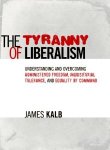 When it comes to liberalism, the usual story in postwar America is one of decline, accompanied by the subplot of conservatism’s ascendance. But take a longer view – look beyond and below politics – and it is the unchallenged triumph of liberalism and its philosophical assumptions that ought to command our attention.
 “The mind and heart of America, in this tremendous hour, require an inspiration which cannot come out of the party caucus and the editorial room of the daily newspaper.” So writes Russell Kirk in Prospects for Conservatives. Sixty years hence the hour is late, the situation even more dire. Our governing elites, in all areas of social, political, and cultural life, have snapped the central axis of humanity and trampled upon the principles of natural, social, and transcendent order. But such are not ever lost, and it is these that Russell Kirk offers to us in this work – perhaps his best, in terms of style as well as intellectual depth and creativity, as Bradley Birzer notes in his introduction to this new edition.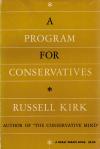
 Olle Bengtsson