
There is much to say about Syria. Hopefully, it is not necessary that I say it. Many others say it very well. I post on Facebook some of the best commentary I read – click on the Facebook icon in the sidebar.
Category: Politics
Brunnsviks folkhögskola
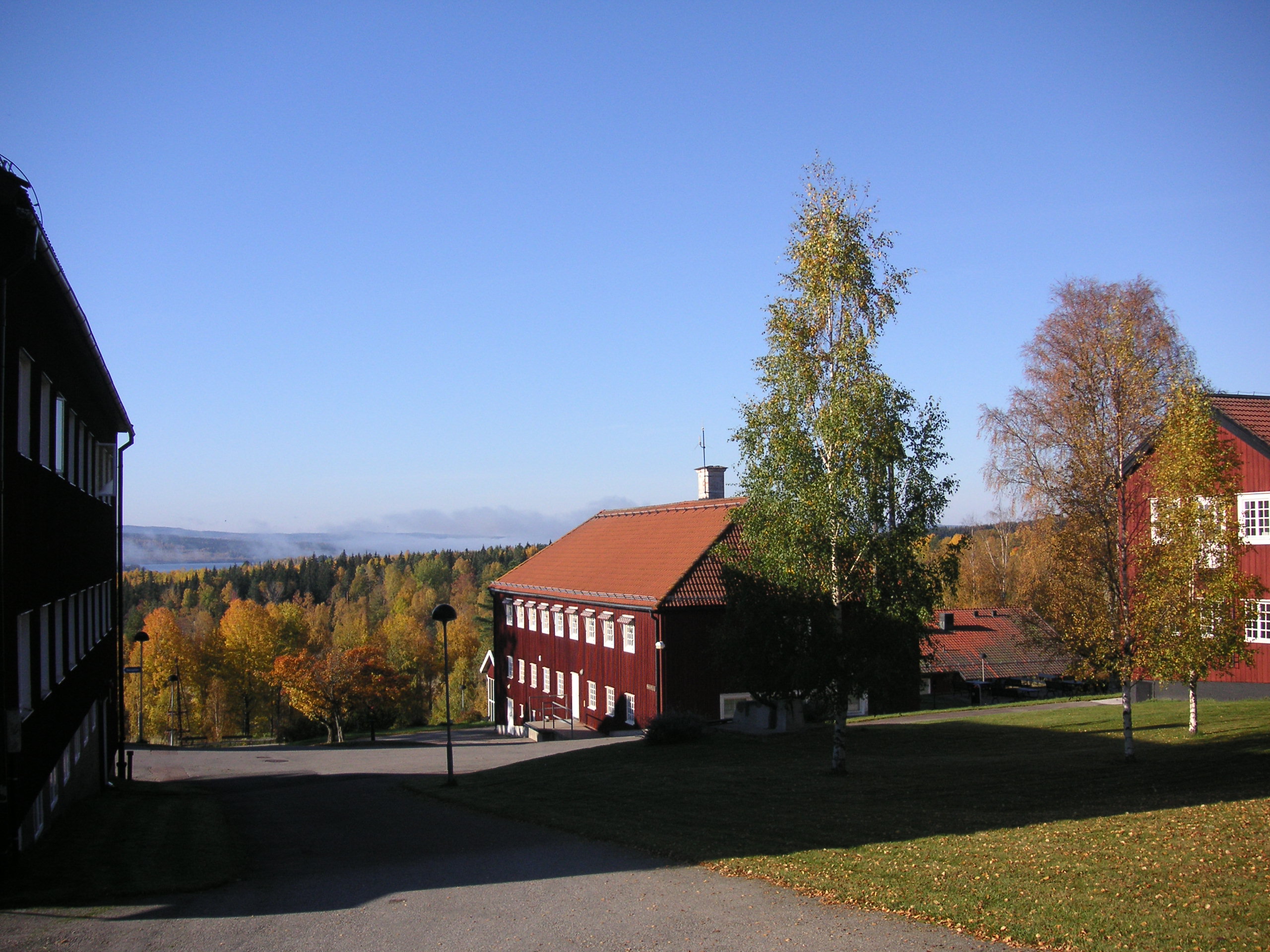
Foto: Holger Ellgaard Klicka för att förstora och för vackra höstfärger
Arv i vanhävd
I mitt förra inlägg om socialdemokratins nedläggning av Brunnsviks folkhögskola skrev jag:
“Det måste upprepas: Deras egen rörelse har agerat på ett sådant sätt att rubriker som ‘Ett kulturarv kastas rakt ner i containern’ och ‘En kulturskatt förvandlas till makulatur’ möter oss, i både Aftonbladet och Sydsvenskan. Hur har man kunnat tillåtas ens komma i närheten av risken av en sådan reaktion? Även om själva böckerna från biblioteket på något sätt skulle kunna räddas, kommer de skingras, vilket är allvarligt nog. Men detta är naturligtvis bara en del, om än central, i förlusten, i vad som nu förstörs. Om man genom vanskötsel och inkompetens kört verksamheten så fullständigt i botten att nedläggning är oundviklig, hur kan själva nedläggningen tillåtas skötas på sådant sätt att det genererar rubriker av detta slag?”

Med formuleringen “Även om själva böckerna från biblioteket på något sätt skulle kunna räddas”, signalerade jag att jag trodde att rubrikernas formuleringar kanske var överdrivna. Det faktum att rubriker av detta slag genererats var illa nog, och signifikativt nog, men jag reserverade mig för att detta med “containern” och “makulatur” var fantasifulla tillspetsningar från journalisternas sida.
I Facebook-gruppen som protesterar mot nedläggningen finner jag nu emellertid ett fotografi som tydligt visar just en container med böcker i. Det verkar alltså som om journalisternas uppgift var riktig, som om de faktiskt själva hade sett containern och makulaturen.
Timbro gav på 90-talet ut en bok av Fredrik Erixon med titeln Arv i vanhävd: Om frihetliga rötter i arbetarrörelsen. Det var, minns jag, en bra bok som tog upp många utmärkta idéer rörande främst folkbildningen och kooperationen som socialdemokratin och arbetarrörelsen svikit, även om jag inte delade alla Erixons egna ståndpunkter.
Nedläggningen av Brunnsviks folkhögskola illustrerar på en ny spektakulär nivå av tydlighet denna vanhävd. Nej, det sätt den skötts på visar att det nu är fråga om mer än bara vanhävd. Vi förefaller stå inför ett aktivt förstörelsearbete. En adekvat symbol för vad rörelsen idag alltför ofta representerar har skapats.
Amy Chua Interview
2004
Amy Chua: World on Fire
How Exporting Free-Market Democracy Breeds Ethnic Hatred and Global Instability
Anchor, 2004 (2002) Amazon.com
Book Description:
 For over a decade now, the reigning consensus has held that the combination of free markets and democracy would transform the third world and sweep away the ethnic hatred and religious zealotry associated with underdevelopment. In this astute, original, and surprising investigation of the true impact of globalization, Yale Law School professor Amy Chua explains why many developing countries are in fact consumed by ethnic violence after adopting free market democracy. Chua shows how in non-Western countries around the globe, free markets have concentrated starkly disproportionate wealth in the hands of a resented ethnic minority. These “market-dominant minorities” – Chinese in Southeast Asia, Croatians in the former Yugoslavia, whites in Latin America and South Africa, Indians in East Africa, Lebanese in West Africa, Jews in post-communist Russia – become objects of violent hatred. At the same time, democracy empowers the impoverished majority, unleashing ethnic demagoguery, confiscation, and sometimes genocidal revenge. She also argues that the United States has become the world’s most visible market-dominant minority, a fact that helps explain the rising tide of anti-Americanism around the world. Chua is a friend of globalization, but she urges us to find ways to spread its benefits and curb its most destructive aspects.
About the Author:
Amy Chua is a professor at Yale Law School. She lectures frequently on the effects of globalization to government, business, and academic groups around the world. She lives in New Haven, Connecticut.
Mer om Brunnsvik
Utöver de artiklar jag länkade till i mitt inlägg om Brunnsviks folkhögskola bör även, tror jag, journalisten Svante Isakssons utförliga artiklar om bakgrunden till nedläggningen i tidskriften Folkhögskolan, nr 7, 2012 framhållas. Isaksson nämndes av Per T. Ohlsson i den artikel jag citerade som ett lysande undantag – tillsammans med den av mig likaledes citerade Ingvar Persson – i offentlighetens likgiltighet. Isaksson sammanfattade också en del av sin bakgrundsbild i Aftonbladet.
Vad man nu, fortfarande matt efter chocken, framför allt undrar över är förstås den specifikt socialdemokratiska offentligheten, eller åtminstone den del av den som, när socialdemokratin fortfarande hade ett mått av autentiskt liv kvar, man alltid kunde förlita sig på när det gällde uttalanden i centrala frågor om arbetarrörelsens folkbildning och dess traditioner. Bengt Göransson måste ju ha kommenterat detta? Även exempelvis en Olle Svenning borde väl ha gjort det? Och det finns ju flera mindre kända.
Det måste upprepas: Deras egen rörelse har agerat på ett sådant sätt att rubriker som ‘Ett kulturarv kastas rakt ner i containern’ och ‘En kulturskatt förvandlas till makulatur’ möter oss, i både Aftonbladet och Sydsvenskan. Hur har man kunnat tillåtas ens komma i närheten av risken av en sådan reaktion? Även om själva böckerna från biblioteket på något sätt skulle kunna räddas, kommer de skingras, vilket är allvarligt nog. Men detta är naturligtvis bara en del, om än central, i förlusten, i vad som nu förstörs. Om man genom vanskötsel och inkompetens kört verksamheten så fullständigt i botten att nedläggning är oundviklig, hur kan själva nedläggningen tillåtas skötas på sådant sätt att det genererar rubriker av detta slag?
Vilken okunnighet och historielöshet, vilket lättsinne, krävs inte för att man ska kunna hantera sitt eget historiskt unika bildningsarv på detta sätt? Till att börja med, hur skulle man inte idag med tillräcklig kreativ intelligens ha kunnat förvalta, förnya och “marknadsföra” just de egna, i folkbildningssammanhang överlägsna traditionerna som ett alternativ till det som så många upplever som själlös konsumism och ytlig information? I frånvaron av debatt, i frånvaron av de relevanta historiska sammanhangen i debatten, avslöjas bankrutten i alla viktiga avseenden.
Som åtminstone partiell lärjunge till Tage Lindbom tänker jag att jag borde varit bättre förberedd. Redan under femtiotalet såg Lindbom, som chef för Arbetarrörelsens arkiv, ledande socialdemokratisk intellektuell, och erfaren internationell ambassadör för det svenska folkhemsbygget, vad som höll på att hända med de tidigare folkbildarnas ideal och strävanden. Och han gick verkligen till botten med analysen av orsakerna.
Till och med den legendariske gamle Brunnsviksrektorn, den humanistiske filosofen Alf Ahlberg, tycks mot slutet av sitt liv ha börjat medge riktigheten av Lindboms förklaringar. Och de ideologiska och kulturella förändringar socialdemokratin genomgått sedan dess har givetvis ingen i min generation kunnat undgå.
Inte minst den egna utbildningspolitikens satsningar på att dränera våra gamla, verkliga, kulturtäta universitet på resurser för att kunna starta mängder av nya, flacka högskolor överallt där alla, även de mest studieolämpade och -ovilliga, ska dölja arbetslöshet och få förment tidsenliga och ofta nog framför allt tidstypiskt ideologiskt programmerande utbildningar, går exempelvis ut också över de bästa folkhögskolorna och deras egen kulturtäthet.
Ändå överväldigar det nu närmast suicidala i arbetarrörelsens agerande, attityd, och inte minst tystnad – ja, förtigande – även mig. Socialdemokratin framstår i än högre grad reducerad till ett instrument för den nihilistisk-globalistiska destruktionen. Den är död i och med att den förskingrar sitt eget värdefullaste arv, ignorerar och vanhedrar vad som återstår av sin moraliska och humanistisk-kulturella samhällsinsats och legitimitet.
Har alltså Göransson et consortes uttalat sig? Vad har de att säga? Vid det här laget handlar det ju om de kvarvarande, humanistiska folkbildarnas hela livsgärning.
Brunnsviks folkhögskola läggs ned
Socialdemokratin lägger ned Brunnsviks folkhögskola.
Att jag missat debatten är inte konstigt. Den har, visar det sig, varit mycket begränsad. Detta är naturligtvis i sig en signifikativ aspekt av katastrofen.
Finns det någon folkhögskola som skulle kunna förbli attraktiv, blomstrande och levande idag är det väl denna, arbetarrörelsens äldsta, den mest kända, den mest ansedda, med det största – prisbelönta – biblioteket, med de mest framstående rektorerna rektorerna, lärarna och eleverna, i centrum av det svenska 1900-talets kultur och samhälle.
Arbetarrörelsen gör sig av med en del av sin själ, sin stolthet, grunden för sin historiska legitimitet och framgång, symbolen för sin storhet.
Men det finns inga ord; jag förmår idag bara citera från Ingvar Perssons och Per T. Ohlssons utmärkta artiklar. Klicka på länkarna för att läsa även de icke citerade avsnitten om vad som måste ha varit den bottenlösa sjaskighet, omdömeslöshet och inkompetens som lett fram till denna svenska tragedi.
Ingvar Persson skriver i Aftonbladet under rubriken Ett kulturarv kastas rakt ned i containern:
“Jag hittar de klassiska böckerna i resterna av det som varit Sveriges största och till för några år sedan också mest välskötta folkhögskolebibliotek. Tillsammans med statliga utredningar och inbundna årgångar av ABF:s tidning Fönstret, Kommunalarbetaren och det avsomnade gruvfackets tidning ligger de klassiska verken nu i en container på väg till destruktion.
Den traditionstyngda skolan är utannonserad till försäljning, och en kulturskatt plundras.”
Och i en annan artikel i samma tidning:
“Här har de beslutsfattare och administratörer som gjorde folkhemmet möjligt utbildats. Här har också de poeter och författare som avslöjade folkhemmets avigsidor och ofullständigheter gått.
Men framför allt har Brunnsvik varit platsen där tusen och åter tusen människor kunnat växa.
Dessutom har den moderna folkbildningen och folkrörelsetraditionen sina rötter just här. Utan Brunnsvik hade Sverige varit ett annat och mycket sämre land […]
Tidningen Folkhögskolan har talat med Brunnsviks chef – hon kallar sig rektor. Intervjun ger mig en aning om hur man tänker.
Nyckelordet är flexibilitet. Det är en flexibilitet utan gränser. Den tillåter varken fast anställd personal, fasta lokaler eller ordhållighet gentemot de kursdeltagare som trott sig söka till en skola med traditioner.
I stället gäller det att snabbt anpassa sig till tidens trender och myndigheternas nycker i Projektsverige.
Det är ironiskt. Brunnsvik blev en gång vad det varit just ur bristen på flexibilitet. Skolans grundare vägrade anpassa sig till makten, och skapade på så vis något nytt.
Nu bärs det arvet alltså bort och säljs till högstbjudande. En del av det svenska kulturarvet går i graven.”
En kulturskatt förvandlas till makulatur, hette det härom dagen i Sydsvenskan. Per T. Ohlsson skriver:
“Med sin toleranta miljö blev Brunnsvik ett slags ventil, eller i vissa fall tillflyktsort, för motarbetade kvinnor. Den sidan av Brunnsvik personifieras av fysikern Eva von Bahr. Hon doktorerade i Uppsala 1908, blev sedan hindrad från att undervisa och nekades professurer, eftersom kvinnor inte tilläts ha tjänster vid universiteten; regeln upphävdes först 1925.
Hon sökte sig till Brunnsvik där hon blev något av en institution och hjälpte Dan Andersson med försörjningen. Senare, vid tiden för andra världskriget, understödde Eva von Bahr den österrikisk-judiska kollegan och flyktingen Lise Meitner […] den första fysikern som förstod vilken oerhörd kraft som ryms i klyvning av atomkärnor. Fast Nobelpriset gick till hennes manlige kollega Otto Hahn.
I Brunnsvik lanserade Rickard Sandler midsommardagen 1912 en organisation som skulle ‘inskärpa betydelsen av energiskt och djupgående bildningsarbete’ för arbetarklassen. Det var starten för ABF, Arbetarnas bildningsförbund, som till en början hade sitt högkvarter på skolan.
Men att enbart betrakta Brunnsvik som en utlöpare från arbetarrörelsen är att begränsa skolans betydelse. Den kombination av folkbildning och demokratiskt engagemang som bar upp verksamheten fick återverkningar långt utanför rörelsens led […]
Att detta arv nu vräks ned i containrar utan att någon nämnvärt tycks bry sig i den breda offentligheten – med Ingvar Persson och frilansaren Svante Isaksson som lysande undantag – säger något nedslående om vår egen tid och fixeringen vid snabbhet och effektivitet. Som vore det så lätt och enkelt att alla samband uppenbarar sig efter en snabb slagning på Google och ett ännu snabbare klick på Wikipedia följt av ett besök på någon blogg som enbart rymmer åsikter som bekräftar våra egna förutfattade meningar om hur allt egentligen hänger ihop. Så skingras inte bara vårt kollektiva minne, utan också, i förlängningen, den gemensamma offentlighet som demokratin vilar på.
Redan [den tidige rektorn] Torsten Fogelqvist var inne på det, om än i ordvändningar som märkts av tidens gång:
‘En klok framtidsman är icke någon dum jasägare till allt vad dagen tanklöst fordrar. Han förstår, att det levande måste med sig förena “det levande förflutna” och att förflutet, närvarande och tillkommande bilda en obruten livets kedja.’
Vi konfronteras dagligen med informationsmassor som är lika outsinliga som osorterade. Just därför har det aldrig tidigare framstått som mer angeläget att värna de institutioner som erbjuder en motkraft till ytlighet och förenkling, från de största arkiven till de minsta skolbiblioteken.
Frågan hänger över [sjön] Väsman:
Vad håller på att hända med förbindelserna mellan igår, idag och i morgon när inte ens arbetarrörelsen orkar ta hand om Brunnsvik?”
Jag får försöka återkomma med egna kommentarer senare, om jag lyckas hämta mig. Hallå Bengt Göransson Bengt Göransson, var är du? Socialdemokratin är död. Det skulle varit svårt att känna något annat än förakt för de ansvariga i dess nuvarande ledning även om de skött det hela på sådant sätt att de bara kommit i närheten av att riskera att skapa de rubriker jag citerat.
Övervakningssamhällets innebörd
När FRA och den s.k. FRA-lagen diskuterades under en typiskt nog kort men i och för sig intensiv period här i Sverige 2008 hade jag ännu inte startat denna blogg. I stället var det i samband med debatten om EUs s.k. datalagringsdirektiv några år senare som jag här skrev om dagens framväxande övervakningssamhälle.
Framför allt försökte jag sätta in frågan i ett större internationellt och historiskt perspektiv, och belysa vad som kunde kallas övervakningssamhällets politiska och ideologiska innebörd och syfte idag. Det finns naturligtvis anledning att påminna om detta efter Edward Snowdens avslöjanden om NSA och PRISM.
Denna innebörd ligger bortom det s.k. ”krig mot terrorismen” (eller vad som åtminstone under Bushs tid kallades så) som antar alltmer motsägelsefulla och absurda drag, bl.a. i det att USA nu öppet stödjer samma terroristgrupper i vissa länder som man bekämpar i andra. Den hänger visserligen samman med detta krig såtillvida som terrorismen i stor utsträckning är en följd av den gamla vanliga destruktiva globalistisk-revolutionära politik som USA gjorts till det huvudsakliga instrumentet för alltsedan Wilson, och som även förklarar motsägelserna i terrorismbekämpningen. Men den döljs också av terrorismargumenten; övervakningen framställs som en enkel fråga om medborgarnas omedelbara fysiska säkerhet.
Alltsedan 911 har det dock blivit uppenbart för allt fler att övervakningssystemen inte bara kan användas utan också har som syfte att användas mot kritiker av och motståndare till den globalistisk-revolutionära politiken. Dess redan flera gånger historiskt förverkligade inhumana och totalitära potential får alltmer sofistikerade teknologiska redskap till sitt förfogande. Det är detta debatten borde handla om, även i Sverige.
Problemet med datalagringsdirektivet
Edward Snowden
Hong Kong, June 6
Takimag: The Week That Perished
Scott Locklin: Hiding in Plain Sight
Pat Buchanan: Who Can Check the Surveillance State?
Paul Craig Roberts: What Is the Government’s Agenda?
Jeffrey Tucker: The Character of Edward Snowden
Obama in 2007: No more spying on citizens who are not suspected of a crime
James Perloff: The Shadows of Power
The Council on Foreign Relations and the American Decline
Western Islands, 1988 Amazon.com
Back Cover:
 Does America have a hidden oligarchy?
Is U.S. foreign policy run by a closed shop?
What is the Council on Foreign Relations?
It began in 1921 as a front organization for J.P. Morgan and Company. By World War II it had acquired unrivaled influence on American foreign policy. Hundreds of U.S. government administrators and diplomats have been drawn from its ranks – regardless of which party has occupied the White House. But what does the Council on Foreign Relations stand for? Why do the major media avoid discussing it? What has been its impact on America’s past – and what is it planning for the future? These questions and more are answered by James Perloff in The Shadows of Power.
“An eye-opening account of a private group that has helped shift American foreign policy away from America’s best interests. Highly recommended.” David B. Funderburk, Former U.S. Ambassador to Romania
“Policies linked to the organization described in this book have helped visit a number of tragedies on the free world. There may be more forthcoming. James Perloff has cut through a litany of myths to bring out the facts. To not read this book is to live dangerously.” Philip Crane, United States Congressman
“If we want to avoid the disaster of one-world government, if we wish to preserve our priceless national sovereignty and live through all time as free men, then it is imperative that the American people read The Shadows of Power.” Meldrim Thomson, Jr., Governor of New Hampshire (1973-1979)
“There have been many books purporting to explain the ‘real’ reasons for what happened to us in Vietnam. Unfortunately, most of these have been part of the same old smokescreen from the actual architect of the war, the American Establishment. Our veterans deserve more than memorials – they deserve the truth. Here at last is a book where they can find it.” Andrew Gatsis, Brigadier General, U.S. Army (Ret.)
About the Author (p. 254):
As a student of Colby College and Boston University during the latter years of the Vietnam War, James Perloff included himself in the new generation that had gone radical left – an outlook he voiced as a school columnist and cartoonist. However, when he probed America’s power structure deeply, he was shocked to learn that he and his fellow strudents had moved in the precise direction intended by the Establishment – that unofficial ruling entity they thought they had been rebelling against. Several years of research persuaded him that the American Establishment was a far more clever organism than anyone had ever dreamed, and culminated with his writing The Shadows of Power. Mr Perloff is a contributing editor to The New American, the biweekly journal of news and opinion.
JOB’s Comment:
Like William F. Jasper’s book on the UN, this book represents a development and improvement of the JBS worldview, although to a lesser extent; some interpretations are still clearly twisted, exaggerated, or simply false, and the political philosophy that is always the point of departure, the classical liberalism plus conservative moral values, the kind of “free” society that the criticism aims to defend, are all flawed and unhistorically conceived. Still, there are partial truths and elsewhere ignored facts in the JBS’s presentations that must be taken into account. Jasper’s and Perloff’s books are updates with more such truths and facts.

